The Silicon Squeeze: How the AI Boom and Component Shortages Sent DDR5 RAM Prices Skyward by Over 400%
Executive Overview
For years, building a custom gaming PC or workstation felt like a manageable, albeit occasionally expensive, hobby. Enthusiasts could reliably scout the market for components, balancing performance tiers against budget constraints with predictable accuracy. Among these components, 32GB of DDR5 RAM clocked at speeds of 6,000 MT/s emerged as the undisputed "sweet spot"—the gold standard balancing cost, bandwidth, and latency for modern multi-core processors.
Today, that benchmark has been shattered, not by a breakthrough in performance, but by a staggering economic crisis in the semiconductor supply chain.
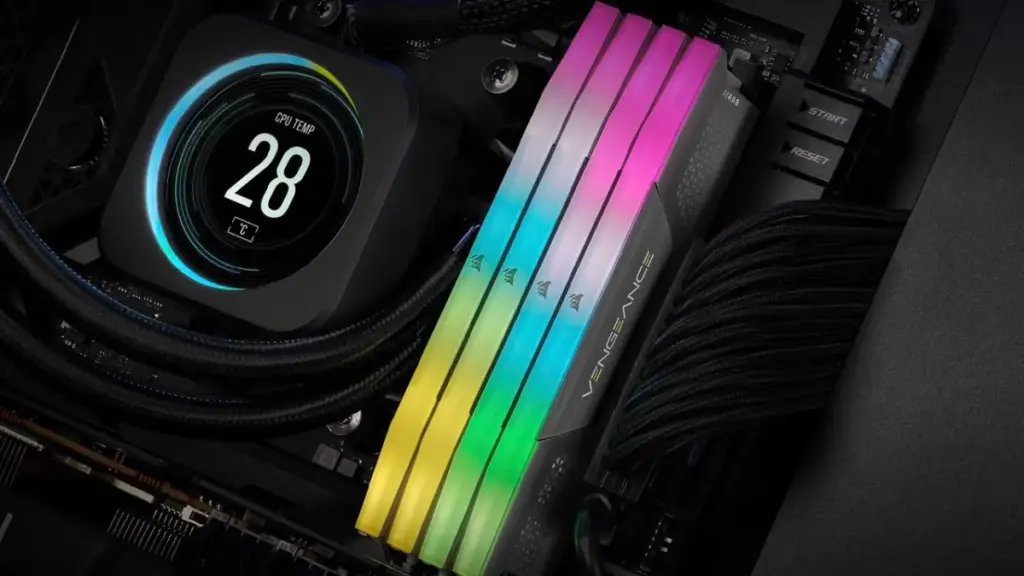
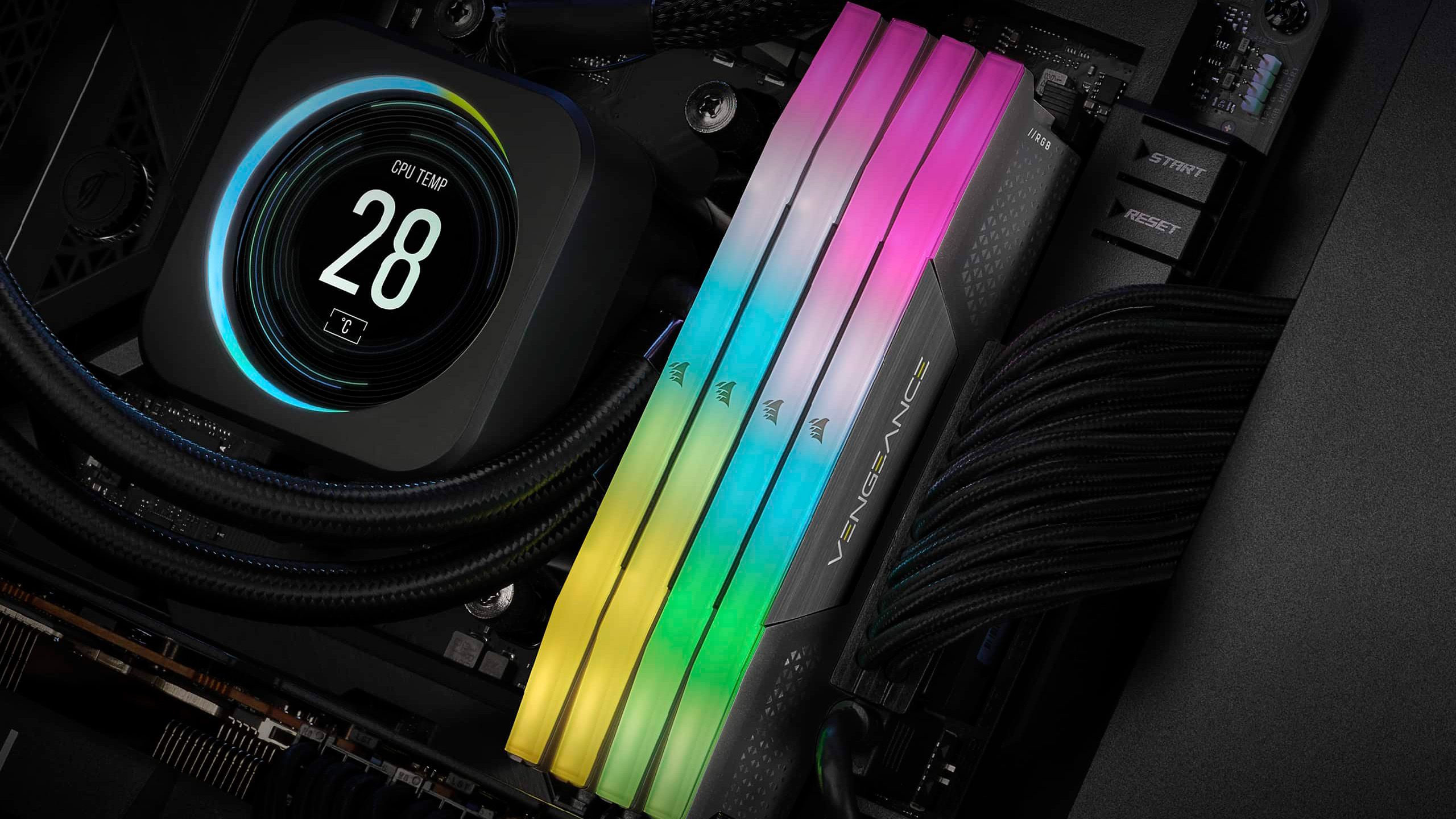
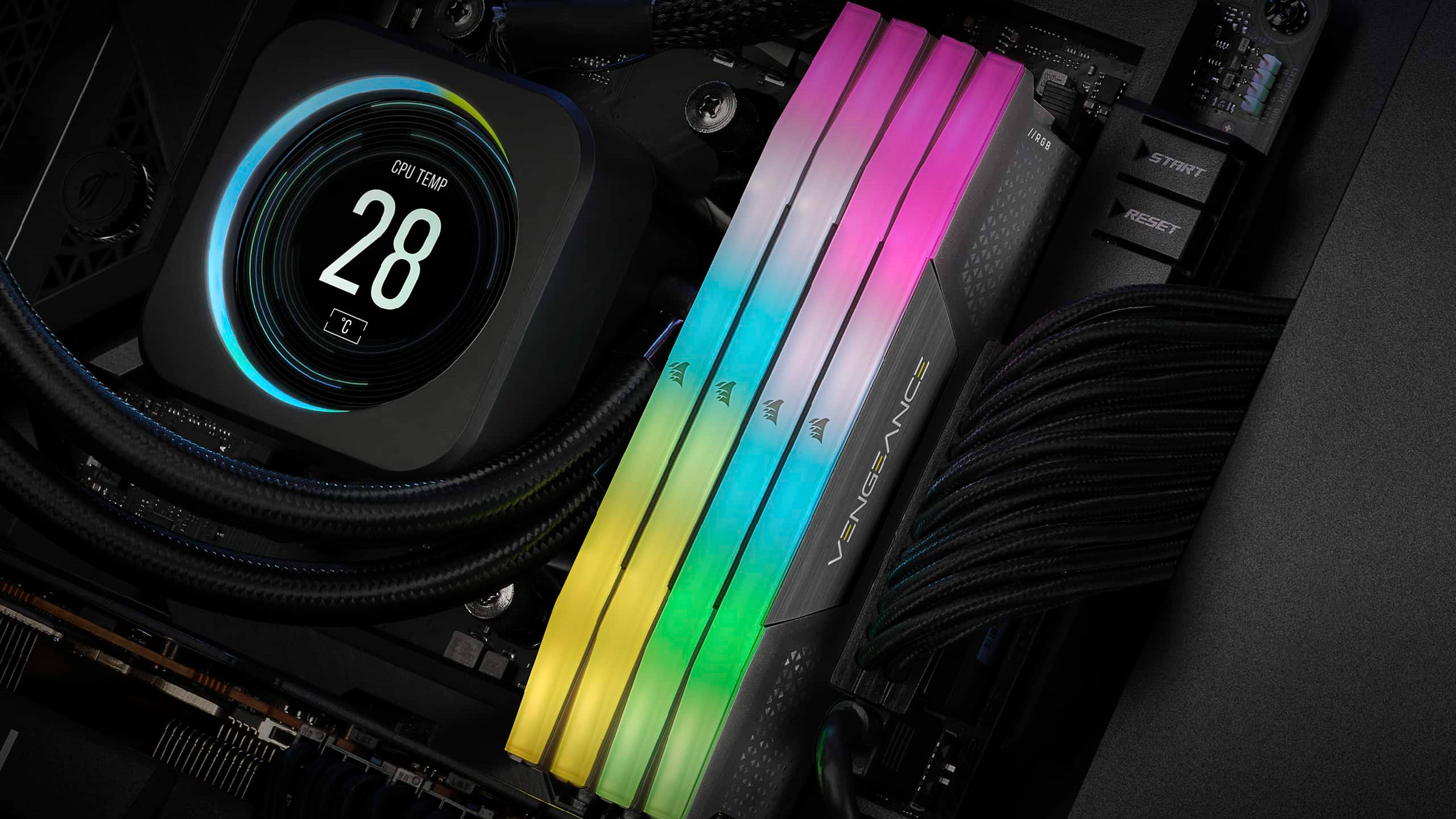
Recent market trackers and daily spot checks confirm a grim milestone: a standard 32GB (2x16GB) kit of Corsair Vengeance DDR5-6000 memory has breached the $400 threshold. When compared to historical lows where this exact hardware could be acquired for as little as $80, the price escalation represents a mind-boggling 400% increase.
This surge is not an isolated anomaly. Across the entire consumer memory landscape, prices have climbed by up to 500% over the past twelve months. High-capacity kits, such as 128GB arrays of DDR5, now command staggering retail prices approaching $3,400. As artificial intelligence (AI) infrastructure investments swallow global manufacturing capacity, the ripple effects are permanently altering the PC hardware market, leaving everyday consumers and system builders collateral damage in a corporate gold rush.
Detailed Chronology of the Component Crisis
To understand how memory pricing spiraled out of control, it is essential to trace the tectonic shifts occurring within the semiconductor manufacturing sector over the past few years.
The Post-Pandemic Correction and False Stability
Following the supply chain disruptions of the COVID-19 pandemic and the subsequent crypto-mining hardware booms, the consumer PC component market experienced a period of stabilization throughout late 2022 and 2023. As production lines caught up with demand, prices for dynamic random-access memory (DRAM) plummeted. This coincided with the mainstream introduction of DDR5 memory architectures for Intel’s Alder Lake and AMD’s Ryzen 7000 platforms.
During this window of abundance, manufacturers aggressively cleared inventory. Retailers like Newegg regularly slashed prices on DDR5-6000 kits to historic lows, making the transition from aging DDR4 systems financially palatable for millions of gamers. Consumers grew accustomed to plentiful stock and deflationary pricing trends.
The AI Pivot and Industrial Redirection
The turning point arrived with the explosive commercialization of generative artificial intelligence. Large language models (LLMs) and massive enterprise data center expansions required unprecedented quantities of high-bandwidth memory (HBM) and enterprise-grade NAND flash storage.
Silicon fabricators—including industry giants like Samsung, SK Hynix, and Micron—faced a critical business choice. Producing consumer-grade DDR5 memory modules offered modest profit margins subject to the volatile whims of the retail market. Conversely, supplying enterprise clients and hyperscalers with HBM and server-tier components guaranteed astronomical, long-term revenues.
The industry pivoted decisively. Production lines once dedicated to consumer memory were systematically re-tooled for enterprise solutions. The consequences for retail buyers were immediate: dwindling factory output met steady, stubborn consumer demand, creating an artificial supply squeeze that rapidly drove prices upward.
Crossing the Threshold: The $400 Milestone
As 2024 bled into subsequent manufacturing cycles, the upward trajectory of RAM pricing accelerated from a steady creep to a sprint. Hardware price indices documented month-over-month increases of 10% to 20%.
Within the span of a few turbulent weeks, the ubiquitous 32GB DDR5-6000 kit hovered near the psychological barrier of $400. Industry monitors confirmed that the threshold was officially crossed, cementing a reality where a mid-range system component now commands a luxury price tag. Even budget-conscious alternatives—such as slower Corsair Vengeance DDR5-4800 kits—have been dragged upward, trading at a staggering $359, offering negligible savings for a severe performance penalty.
Supporting Context & Metrics
The crisis facing system builders is substantiated by comprehensive market data and structural industry realignments.
The Numbers Tell the Story
- 400% Price Surge: Corsair Vengeance 32GB (2x16GB) DDR5-6000 kits, historically tracked as low as $80 during promotional cycles, now retail at or above $400.
- 500% Overall Memory Inflation: Broader RAM price indexes reveal that select high-performance and high-capacity memory kits have experienced price hikes approaching 500% over a rolling 12-month period.
- The High-Capacity Penalty: Enterprise and enthusiast users requiring 128GB of DDR5 memory now face retail bills scaling up to $3,399, pricing independent creators and researchers out of local hardware upgrades.
The Corporate Fallout: The Death of Consumer Brands
The severity of the enterprise pivot is best illustrated by strategic corporate withdrawals. Most notably, Micron Technology announced it was effectively winding down its popular consumer-facing Crucial memory and SSD product lines. By killing off consumer storage and DRAM production, Micron freed up massive wafer allocations to focus exclusively on high-margin enterprise customers and the lucrative HBM market. When a foundational manufacturer shifts away from the retail channel, the resulting vacuum reduces market competition and empowers remaining suppliers to dictate aggressive pricing structures.
Official Statements and Industry Reactions
While memory manufacturers have largely maintained a public silence regarding the direct consumer impact—focusing instead on quarterly earnings driven by enterprise AI infrastructure contracts—industry analysts and hardware retailers have been vocal about the systemic pressures at play.
Analyst firms specializing in the semiconductor industry note that memory makers are operating near full capacity, yet yield rates for advanced node manufacturing (such as sub-10nm classes) remain constrained. Because foundries prioritize the silicon wafers that yield the highest financial return per square millimeter—namely server GPUs, AI accelerators, and HBM stacks—consumer-grade DRAM takes a backseat in wafer allocation scheduling.
Retailers, meanwhile, find themselves caught in the crossfire. Inventory turnover has slowed dramatically as sticker shock deters casual upgraders, forcing hardware vendors to rely more heavily on pre-built system sales and component bundles to move stock. Representatives from major hardware distributors have privately conceded that consumer memory pricing is unlikely to stabilize until new fabrication plants (fabs) currently under construction come online—a timeline stretching years into the future.
Future Outlook: Navigating the Silicon Squeeze
For prospective PC builders, the horizon offers little immediate relief. All leading indicators suggest that memory shortages—and consequently, inflated retail pricing—will persist, and potentially worsen, through the upcoming hardware generation cycles.
Strategies for System Builders
Navigating the current market requires strategic pragmatism. Consumers facing mandatory hardware upgrades must adapt to the new economic landscape through several proven methods:
- Embrace Pre-Builts and Bundles: Because system integrators (SIs) often secure component pricing via long-term contracts signed prior to major market spikes, pre-built gaming PCs and CPU-motherboard-RAM bundles currently offer a buffer against runaway standalone component costs. Buying a bundled package is frequently more cost-effective than sourcing individual parts.
- Reevaluate Performance Compromises: While settling for slower memory speeds—such as dropping from 6,000 MT/s down to 4,800 MT/s—presents a painful compromise for performance purists, it remains one of the few avenues to salvage a tight budget. However, saving a mere $40 while sacrificing substantial memory bandwidth on a high-end platform represents a uniquely frustrating dilemma for builders.
- The Second-Hand Market: As new parts price out casual enthusiasts, the market for certified refurbished or used DDR5 hardware is seeing increased activity. Buyers must exercise caution regarding warranties and stability, but secondary markets offer a vital escape hatch from retail gouging.
Conclusion
The transformation of DDR5 RAM from an accessible, high-performance consumer commodity into a luxury asset underscores the profound impact that the artificial intelligence boom is exerting on global hardware ecosystems. Until manufacturing capacity catches up to the insatiable demands of enterprise data centers, the "silicon squeeze" will remain the defining hurdle for PC enthusiasts worldwide. Building a dream machine is no longer just about choosing the right parts; it is an exercise in financial endurance.