
Google Prepares for the Next Frontier of Wearable Tech: APK Teardown Reveals ‘Listening Area’ Mode for Android XR Live Translate
Executive Overview
The augmented reality and smart glasses landscape is hurtling toward a massive commercial inflection point. As tech giants and legacy fashion houses converge on the burgeoning ecosystem of extended reality (XR), the race to deliver seamless, sci-fi-grade utility is intensifying. Recent deep-dives into the inner workings of Google’s software ecosystem suggest that the company is laying the groundwork for a revolutionary feature set designed to cement Android XR as the premier operating system for next-generation smart glasses.
According to a recent APK teardown of version 10.32.66 of the Google Translate app—initially uncovered by Android Authority—Google is actively testing a novel “Listening Area” mode. This software capability is widely anticipated to serve as a headlining feature for Google’s upcoming fleet of enterprise- and consumer-focused smart eyewear. By introducing granular audio directional controls, Google is aiming to solve one of the most persistent hurdles in real-time cross-cultural communication: filtering, interpreting, and translating human speech in complex, noisy acoustic environments.
This development arrives at a critical juncture. Google has long signaled its intent to bring real-time translations to Android XR, promising capabilities that extend far beyond simple text overlays. The company’s vision encompasses translated audio that matches the distinct tone, pitch, and cadence of a speaker’s natural voice, alongside computer-vision-powered text translation for physical objects like street signs, foreign-language menus, and transit boards.
However, the discovery of “Listening Area” modes—categorized as “Front only” and “Surrounding area”—points to a much more sophisticated hardware-software integration. If successfully deployed, these features will allow users to dynamically adjust how their smart glasses ingest and interpret auditory data. As Google prepares to roll out its Android XR hardware ecosystem in partnership with major eyewear designers this fall, the company is stepping directly into the ring against Meta, Apple, and Snap in what promises to be a fierce battle for the future of ambient computing.
Detailed Chronology: The Evolution of Google’s XR Translation Ambitions
To understand the magnitude of the “Listening Area” discovery, it is necessary to retrace the trajectory of Google’s translation technology and its broader strategic pivot toward spatial computing and Android XR.
The Foundation: Mobile-First Machine Learning
Google’s dominance in real-time translation is not a recent phenomenon. For over a decade, Google Translate has evolved from a cloud-based statistical translation tool into an on-device, machine-learning powerhouse capable of processing dozens of languages locally with minimal latency. Features like Conversation Mode and Live Transcribe established Google as an undisputed leader in multilingual accessibility. However, deploying these resource-heavy neural networks onto lightweight, power-constrained smart glasses hardware presents an entirely different engineering challenge.
The Shift to Spatial Operating Systems: Android XR
Google’s historical approach to augmented reality—typified by early experiments like Google Glass and later software frameworks like ARCore—was largely iterative. The paradigm shifted dramatically with the conceptualization of Android XR, a dedicated operating system built from the ground up for spatial computing devices, mixed reality headsets, and intelligent eyewear.
As Google partnered with hardware giants to build interoperable ecosystems, translation capabilities were identified as a core pillar of the Android XR value proposition. The goal was no longer just to read foreign text on a smartphone screen, but to create a transparent, ambient layer of mutual understanding overlaying the physical world.
The APK Teardown: Uncovering the "Listening Area"
The latest chapter in this evolutionary timeline unfolded within the code of Google Translate app version 10.32.66. Software analysts dissecting the application package (APK) surfaced strings and backend flags detailing the new “Listening Area” functionality.
The code reveals that Google is developing a multi-tiered audio capture interface specifically tailored for spatial hardware. Rather than treating all incoming audio equally, the system splits processing into two distinct spatial modes:
- “Front Only” Mode: Engineered primarily for one-on-one interactions. This mode focuses the directional microphones of the smart glasses on a specific focal point directly in front of the wearer. It is designed to cut through background noise in cafes, conference rooms, or bustling streets, ensuring that a direct conversation partner’s dialogue is isolated, translated, and piped cleanly into the user’s ears.
- “Surrounding Area” Mode: A more expansive auditory profile that leverages the glasses’ full multi-microphone array. This setting is intended to capture, process, and translate ambient speech occurring throughout a broader local environment—such as a crowded train station, a panel discussion, or a foreign marketplace.
While code discovered in APK teardowns is always subject to change, delay, or outright cancellation before reaching production builds, the architecture of the feature aligns perfectly with Google’s stated hardware roadmap for the upcoming year.
Supporting Context & Metrics: The Hardware Ecosystem and Competitive Landscape
Google’s software innovations do not exist in a vacuum. The success of Android XR and its associated translation tools relies entirely on an ambitious hardware rollout slated for later this year.
The Fall Hardware Lineup: Style Meets Spatial Computing
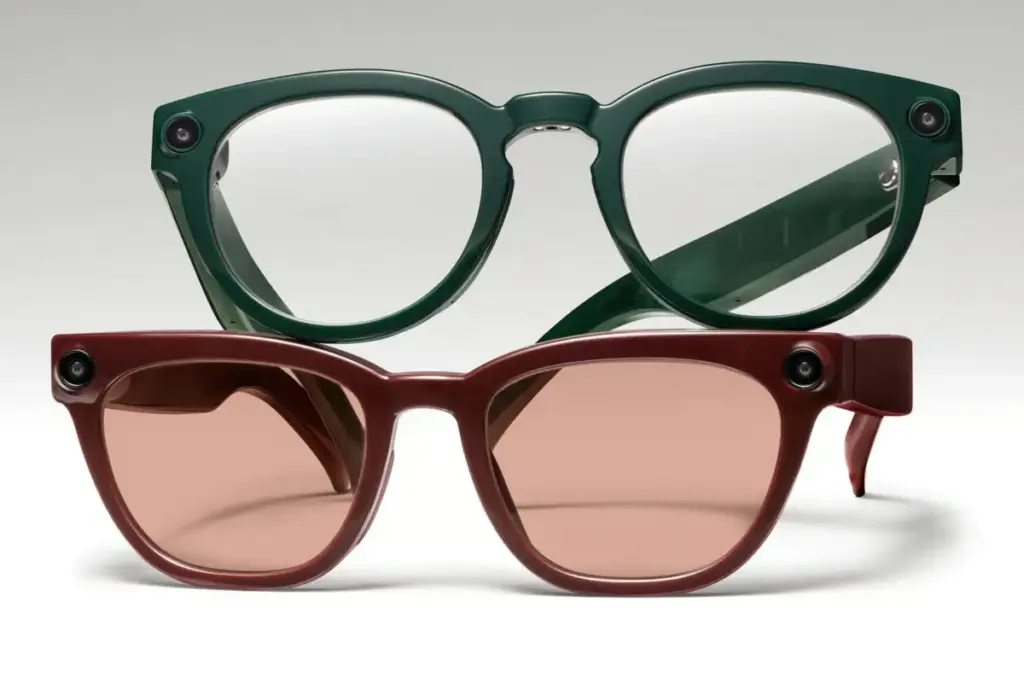
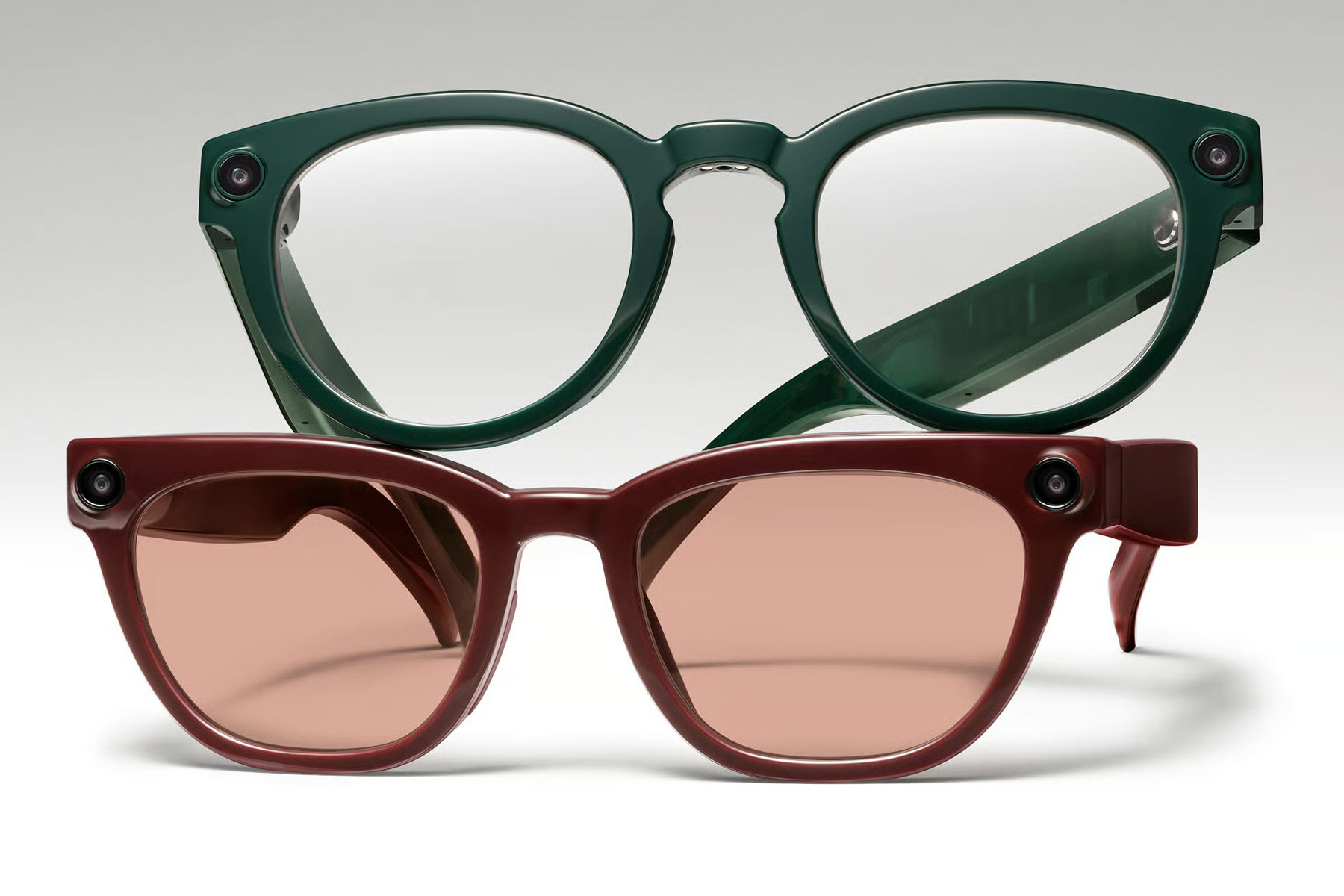
For smart glasses to achieve mass-market adoption, they must transcend the clunky, hyper-technological aesthetic of early tech prototypes. Google recognizes this reality, forging strategic alliances with premier fashion conglomerates and eyewear designers to ensure that Android XR frames look indistinguishable from luxury designer spectacles.
- Warby Parker and Gentle Monster: This fall, consumers can expect a wave of Android XR-powered smart frames originating from contemporary optical favorite Warby Parker and avant-garde fashion house Gentle Monster. These brands bring decades of optical design expertise, ensuring ergonomic comfort, diverse frame geometries, and high-end aesthetic appeal.
- Kering Group Partnership: Looking further down the pipeline, frames produced in collaboration with luxury goods titan Kering—the parent company of iconic houses like Gucci, Saint Laurent, and Balenciaga—are reportedly deep in development. This signals Google’s intent to position Android XR at the absolute apex of luxury tech.
The Rivalry with Meta Platforms
Google’s aggressive push into smart glasses translation places it on a direct collision course with Meta Platforms. Meta, riding high on the commercial momentum of its Ray-Ban Meta smart glasses collaboration, has made ambient AI and real-time vision/audio processing central pillars of its hardware strategy.
Meta’s current smart glasses feature live translation capabilities, but they operate primarily within a framework akin to Google’s proposed “Front Only” mode. In Meta’s current ecosystem, translated speech is delivered to the user via open-ear speakers, while conversation partners can view translated transcripts displayed on the user’s paired smartphone screen.
By comparison, Google’s Android XR ecosystem—bolstered by dual-mode listening configurations and advanced voice cloning technology that replicates pitch and tone—aims to deliver a far more immersive, hands-free, and socially frictionless experience. Where Meta offers a compelling companion accessory, Google is building an autonomous spatial computing platform.

Official Statements and Industry Insights
While Google has maintained tight-lipped confidentiality regarding the specific release timeline of the “Listening Area” feature, company executives and engineering leads have repeatedly emphasized the philosophical underpinnings of Android XR.
In previous product showcases, Google representatives highlighted that the ultimate goal of AI-driven augmented reality is to "remove friction from human connection." By bridging language barriers without requiring users to stare down at a mobile device screen or fumble with handheld translation units, Google aims to restore natural eye contact and conversational flow.
Industry analysts have responded to the APK teardown with cautious optimism. Tech market researchers note that while software features like "Surrounding Area" translation sound groundbreaking on paper, the real-world execution will depend heavily on hardware constraints:
"Translating focused dialogue is hard enough given acoustic interference and varying dialects," notes one enterprise XR analyst. "Attempting to parse and translate an entire surrounding acoustic environment in real-time requires immense computational power, advanced edge-AI processing, and uncompromising thermal management within a device that weighs less than 50 grams. If Google pulls this off, it represents a monumental leap forward for ambient wearable tech."
Furthermore, privacy advocates have raised early questions regarding the "Surrounding Area" mode. Constantly listening to and translating ambient public conversations introduces complex consent and data-privacy challenges—hurdles that Google will need to navigate transparently as regulatory scrutiny on wearable AI intensifies globally.
Future Outlook: What the ‘Listening Area’ Means for the Future of Communication
As we look toward the remainder of the decade, the integration of advanced translation tools into everyday eyewear marks the transition from smartphones to spatial computing as our primary interface with the digital world.
If Google successfully commercializes the “Listening Area” mode within Android XR, the implications for global travel, international commerce, diplomacy, and education will be profound. Language barriers, which have separated human communities for millennia, are rapidly transforming from insurmountable walls into porous, software-managed filters.
Key Milestones to Watch in the Coming Months:
- Official Android XR Hardware Unveiling: Keep a close eye on upcoming hardware announcements from Samsung, Google, Warby Parker, and Gentle Monster this fall. The physical form factor and microphone specifications of these initial frames will dictate the real-world viability of features like "Surrounding Area" translation.
- OS-Level Integration and Latency Benchmarks: As developers gain access to Android XR developer kits, third-party benchmarks will reveal whether on-device neural processing chips can achieve the sub-second translation latencies required for natural conversation.
- Privacy Frameworks and Indicator Lights: Watch for how Google and its partners implement hardware indicators (such as recording LEDs) to reassure bystanders that ambient translation and listening modes are active, mitigating potential social backlash.
The discovery of the “Listening Area” mode is more than just a minor code artifact in a translation app update; it is a clear window into the future of human-computer interaction. As Google, Meta, Apple, and the broader tech industry race to define the post-smartphone era, the victor will not simply be the company with the clearest display or the sleekest frames. It will be the ecosystem that best understands, interprets, and connects the human voice across every language on Earth.