
Silent Expansion: EPA Proposal Threatens Public Transparency in AI Data Center Approvals
Executive Overview
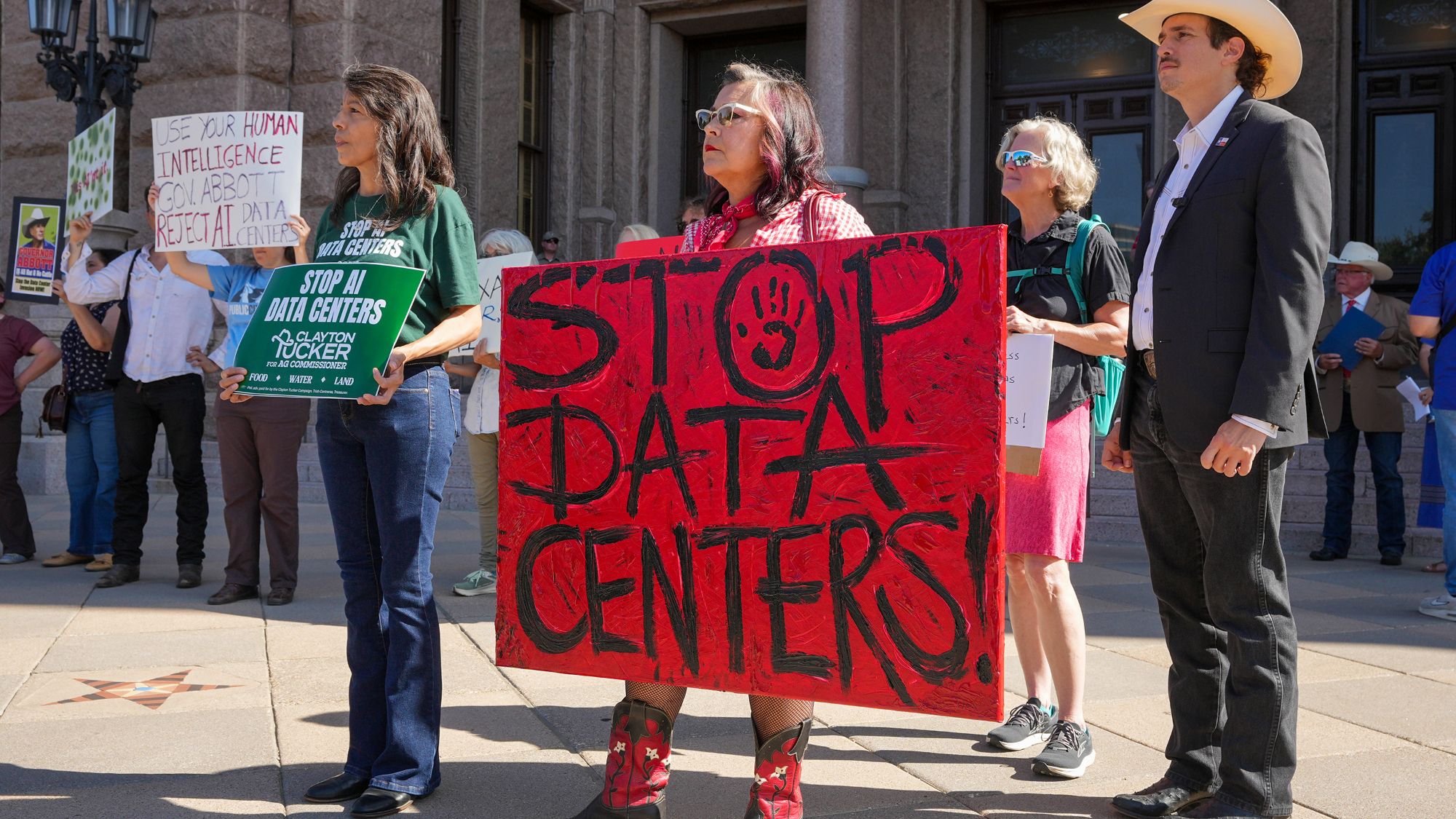
The rapid, relentless gold rush for artificial intelligence (AI) infrastructure has run headlong into a wall of public skepticism, zoning battles, and municipal pushback across the United States. Local communities, increasingly wary of the massive power consumption, water usage, and environmental degradation associated with hyperscale data centers, have mobilized in record numbers. To date, over 500 local legislative bodies and municipalities have introduced bans, moratoriums, or restrictive ordinances to block or stall new Big Tech expansions.
Amid this rising tide of grassroots resistance, the U.S. Environmental Protection Agency (EPA) is advancing a regulatory proposal that could fundamentally alter how these facilities secure vital environmental permissions. According to reports from The New York Times, the EPA has drafted plans to remove federal requirements compelling states to solicit public feedback on specific air pollution permit applications.
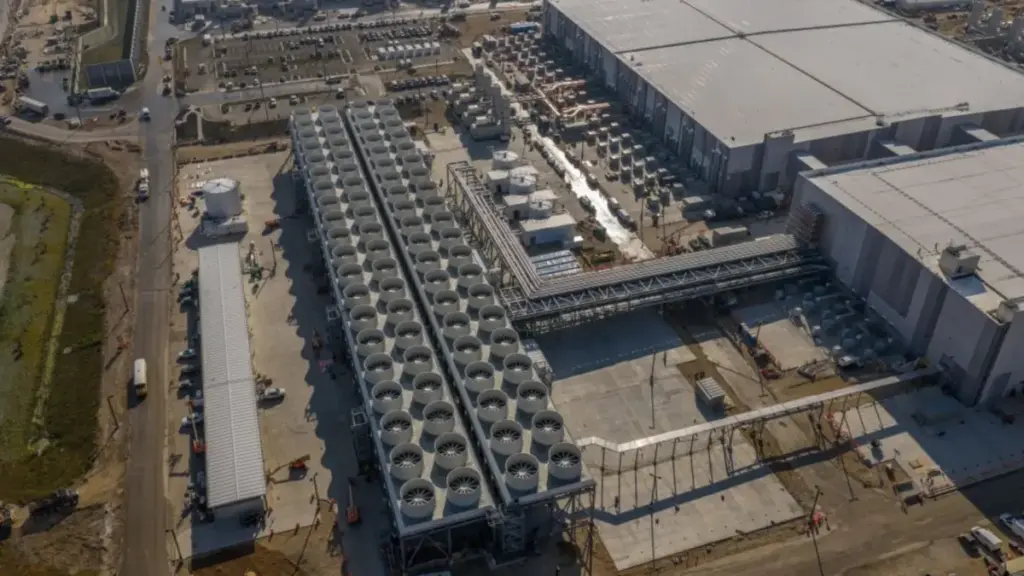
While the rule change targets a broader classification of facilities categorized as "minor sources" of air pollution—including landfills, laundromats, and small steel mills—the epicenter of the controversy is undeniable: AI data centers. Driven by massive diesel backup generators, on-site energy generation plants, and continuous operations, modern data centers require air quality permits to operate legally.
Critics, including attorneys general from 14 states and three major cities, warn that stripping away mandatory 30-day public comment periods and notice requirements prioritizes corporate administrative expediency over democratic safeguards. By shifting the authority entirely to state-level jurisdictions without federal guardrails, the EPA’s proposal risks locking local residents out of critical conversations concerning the air they breathe, threatening to turn the approval of multi-billion-dollar tech campuses into a closed-door affair.
Detailed Chronology: The Escalating Clash Over Data Center Secrecy
The intersection of artificial intelligence, localized environmental burdens, and federal regulatory policy has evolved into a tense legal and political battleground. Understanding how this regulatory shift materialized requires examining a timeline defined by surging industrial growth, loopholes in municipal oversight, and mounting civic unrest.
The Rise of Stealth Deployments
For years, hyperscale tech companies—including Amazon, Microsoft, Google, and Meta—have relied on swift, low-profile acquisitions to secure land and permits for server farms. Because many data centers fall under "minor source" air pollution classifications due to the intermittent use of emergency diesel generators, developers have frequently navigated local approval processes with minimal public fanfare.
However, as the scale of these facilities expanded from modest server rooms to multi-acre campuses consuming as much electricity as small cities, the friction between corporate timelines and public awareness intensified.
Incidents of Public Lockout
Recent months have brought numerous instances where communities found themselves blindsided by massive infrastructure projects breaking ground in their backyards:
- Gilroy, California (Late 2024 / Early 2025): Residents discovered that an Amazon data center had quietly broken ground without widespread public knowledge. A multi-year approval process between municipal leaders and the tech giant meant that the official public comment window had lapsed years prior to construction, effectively locking local citizens out of any meaningful participation.
- Festus, Missouri: Frustration over a $6 billion AI data center approval boiled over into legal action. Local residents filed lawsuits against the municipal government, arguing that officials intentionally rushed the approval process and failed to provide adequate time or documentation for the public to review the facility’s potential environmental and infrastructural impact. The fallout was severe, resulting in political upheaval that ousted half of the city council and triggered petitions for mayoral recalls.
- Fluvanna County, Virginia: Independent research conducted by environmental analysts highlighted the massive health damages linked to regional data centers and fossil fuel infrastructure. Armed with concrete data, local communities successfully lobbied against the expansion of a regional fossil fuel plant, demonstrating how public scrutiny can alter industrial footprints—a dynamic that the EPA’s new proposal threatens to dismantle.
The Federal Regulatory Shift
Recognizing the administrative bottleneck caused by nationwide pushback, the EPA moved to alter its oversight framework. The agency’s justification rests on the premise that "minor sources" of air pollution do not necessitate federal micromanagement, allowing state environmental agencies to dictate their own operational pathways.
By eliminating the federally mandated public comment period for these minor source permits, the EPA is effectively handing states the administrative tools to bypass public friction altogether. While current rules still enforce a comment period, the proposed framework—slated to take effect within the next year—will give states legal clearance to erase these transparency windows entirely.
Supporting Context & Metrics: Quantifying the Environmental Toll
To understand why local communities are fighting tooth and nail against data center expansion, one must look past the sleek, minimalist marketing materials of Big Tech and examine the empirical data regarding their environmental footprints.
The Harvard Health Impact Study
Data centers are often mischaracterized as "clean" industries because they do not emit smoke stacks typical of heavy manufacturing. However, their reliance on massive backup power grids—primarily massive banks of diesel generators exercised regularly for maintenance—and their insatiable appetite for grid electricity generated by fossil fuels paints a different picture.
A landmark analysis by the Harvard School of Public Health evaluated the operational footprint of the Vantage data center in Loudoun County, Virginia—often referred to as "Data Center Alley." The findings were staggering: researchers estimated that the facility contributed between $53 million and $99 million in annual health damages, representing the largest single-facility health damage estimate ever recorded for a site of its kind. These damages stem primarily from particulate matter ($PM_2.5$), nitrogen oxides ($NO_x$), and other respiratory irritants released during generator testing and fossil-fuel-backed energy generation.
The Illusion of "Minor Sources"
Under current clean air acts, facilities are categorized based on their potential to emit regulated pollutants. Many data centers manage to secure "minor source" status because their diesel generators are technically classified for emergency use only—even though growing grid instability and high power demands mean these generators are increasingly relied upon for peak shaving and continuous operations.
By grouping data centers alongside laundromats and small regional operations under the "minor source" umbrella, federal regulators have created a loophole. As state attorneys general pointed out in formal opposition filings, classifying a facility that consumes tens or hundreds of megawatts of power and houses thousands of high-emission backup engines as a "minor source" defies common sense and ignores cumulative local pollution burdens.
Official Statements and Institutional Pushback
The EPA’s proposal has not gone uncontested. A coalition of state and municipal leaders has mobilized formal resistance, arguing that the rollback of transparency rules undermines constitutional principles of governance and environmental justice.
The Attorneys General Coalition Letter
In an official open letter submitted to federal dockets, a powerful coalition comprising the Attorneys General of 14 states and three major cities launched a scathing critique of the EPA’s proposal.
"Despite the name, even ‘minor’ sources can pose significant health and environmental impacts," the coalition wrote.
The letter explicitly targets the underlying motivation of the rule change, stating that removing required publicization and the 30-day comment period "sidelines these fundamental transparency and democratic safeguards in the name of administrative expediency and relieving regulatory burdens, particularly for accelerating the buildout of data centers and other artificial intelligence (AI) infrastructure."
The signatories argue that shifting these decisions entirely to state levels without a federal floor for public engagement creates a race to the bottom, where states eager to attract tech investments will actively strip away citizen oversight to win multi-billion-dollar corporate contracts.
The EPA’s Defense
Conversely, the EPA maintains that the proposed adjustments are part of an ongoing effort to modernize and streamline administrative burdens across federal and state lines. The agency’s official stance emphasizes that state environmental agencies are fully equipped to manage localized permitting without redundant federal mandates.
According to EPA representatives, minor source reviews frequently bog down state resources with administrative requirements that yield minimal environmental benefits compared to major industrial sources. However, critics counter that this "streamlining" is a thinly veiled concession to the tech lobby, designed to grease the wheels for an unprecedented AI infrastructure boom that risks overwhelming local grids and air quality.
Future Outlook: What Lies Ahead for AI Infrastructure and Communities?
As the EPA moves closer to finalizing its proposal over the next year, the battle lines between tech conglomerates, federal regulators, and local communities are hardening. The outcome of this regulatory shift will set a profound precedent for how the United States manages the physical realities of the digital age.
1. Increased Reliance on State-Level Legal Battles
If the federal requirement for public comment periods is dismantled, the burden of holding corporations accountable will shift entirely to state courts and municipal legislatures. Communities will no longer be able to rely on federal administrative backstops to force public hearings. Instead, residents will be forced to mount expensive, localized legal challenges—such as the lawsuits seen in Missouri and California—to demand transparency. This dynamic threatens to widen the equity gap, giving affluent communities with legal resources an advantage over working-class neighborhoods historically overburdened by industrial pollution.
2. Escalating Social Unrest and Political Backlash
As seen in towns where local councils have been ousted and petitions have targeted mayors, the suppression of public input rarely stifles opposition; instead, it radicalizes it. When citizens feel locked out of decisions that directly impact their health, property values, and local environments, civil friction intensifies. The tech industry’s push for administrative speed could backfire, resulting in more aggressive municipal zoning bans, protracted litigation, and legislative pushbacks that ultimately slow down AI deployment far more than a standard 30-day public comment window ever would.
3. The Tech Industry’s Dilemma
For Big Tech, the promise of regulatory relief is enticing. Companies racing to secure dominance in the generative AI landscape view every month of delay as a strategic loss to international competitors. Yet, developing infrastructure on a foundation of public distrust and secrecy carries long-term reputational and operational risks. Without social license—the ongoing acceptance of a local community—data centers face chronic vulnerabilities, ranging from grid access restrictions to legislative clawbacks.
Conclusion
The EPA’s proposal to eliminate mandatory public comment periods for minor source air permits represents a pivotal stress test for American environmental democracy. At its core, the debate is not merely about bureaucratic efficiency or the classification of industrial emissions; it is about whether the explosive, resource-heavy buildout of artificial intelligence will be subject to public scrutiny or conducted behind closed doors.
As state attorneys general, local activists, and industry giants brace for the rule’s implementation over the coming year, one reality remains clear: attempting to silence communities living in the shadow of the AI revolution will only amplify their demand to be heard.