
EcoFlow Launches 48-Hour Flash Sale Featuring Up to $1,700 in Savings on Heavy-Duty Home Backup Systems

Executive Overview
As severe weather patterns continue to test regional power grids, EcoFlow has launched a high-impact, limited-time 48-hour flash sale as part of its broader Hurricane Season Home Backup promotional event. The headline-grabbing offer slashes up to $1,700 off select high-capacity power station bundles and electronic cooler packages. Among the standout discounts is a comprehensive solar generator kit featuring the proven, industry-standard 3,600Wh EcoFlow DELTA Pro Portable Power Station paired with two 220W portable solar panels.
Priced at $2,049 shipped directly through EcoFlow’s official store—with additional flash discounts automatically applied at cart checkout—this bundle undercuts standard market alternatives by hundreds of dollars. While retail pricing for this exact configuration has floated around $3,289 recently (and originally commanded an MSRP of $5,199 upon release), purchasing the components separately via third-party vendors like Amazon would currently cost roughly $448 more.

For homeowners, remote workers, and outdoor enthusiasts seeking reliable emergency preparedness infrastructure, this flash sale represents one of the lowest entry barriers yet for tier-one, scalable backup power solutions. This report breaks down the mechanics of the sale, the technical specifications driving the enduring popularity of the DELTA Pro, pricing metrics relative to historical sales trends, and what this event signifies for the broader emergency power market.
Detailed Chronology of the Flash Sale and Pricing Metrics
The rollout of EcoFlow’s 48-hour flash event follows a calculated seasonal cadence. Energy storage brands traditionally ramp up promotional discounting during peak natural disaster windows—specifically aligning with the Atlantic hurricane season and winter freeze preparations—when consumer awareness regarding grid vulnerability hits annual peaks.
The timeline of price shifts for the EcoFlow DELTA Pro and its companion accessories illustrates how aggressive discounting has evolved over the past several quarters:

- Initial Product Launch: The standalone DELTA Pro debuted at a premium MSRP of $3,199, while fully outfitted bundles with solar arrays regularly topped $5,199. At this stage, the ecosystem targeted early adopters, Van Life travelers, and off-grid homesteaders with significant capital to invest in heavy-duty mobile energy.
- Prime Day Trough (June): During summer promotional windows, EcoFlow engineered aggressive promotional floor pricing. The 3,600Wh DELTA Pro with dual 220W solar panels touched a historic low of $2,042 during Prime Day events.
- Current 48-Hour Flash Event: Marking the second-best price ever recorded for this configuration, the current $2,049 price tag sits just $7 above the absolute historical low. When combined with cart-level flash modifiers, the effective savings reach up to $1,240 off its updated baseline retail price, or an astonishing $3,150 discount compared to original launch MSRPs when calculated across the full bundle ecosystem.
Market analysts note that executing a tight 48-hour window on high-ticket SKUs creates immediate urgency. By forcing consumers to evaluate their disaster preparedness readiness within a compressed timeframe, EcoFlow successfully clears legacy inventory while solidifying brand loyalty against mounting competition from rivals such as Jackery, Bluetti, and Anker.
Technical Deep-Dive: Why the EcoFlow DELTA Pro Remains an Industry Benchmark
Despite the rapid evolution of consumer power stations and the introduction of newer iterations, the EcoFlow DELTA Pro retains a dominant market standing. Its longevity and reputation are rooted in robust engineering choices that prioritize modular expandability, versatile power delivery, and multiple charging vectors.
Capacity and Scalability
Out of the box, the DELTA Pro utilizes a robust 3,600Wh Lithium Iron Phosphate (LiFePO4) battery chemistry. LiFePO4 cells are favored in modern energy storage systems due to their exceptional thermal stability, safety profile, and longevity—typically retaining over 80% of their original capacity even after thousands of charge-discharge cycles.

However, the defining feature of the DELTA Pro architecture is its scalability. For households facing multi-day grid outages, the base 3,600Wh capacity can be scaled dramatically up to 25kWh by integrating extra smart extra batteries and home integration panels. This level of capacity easily bridges the gap between simple device charging and running critical home appliances, including refrigerators, sump pumps, medical devices, and home lighting circuits.
Power Output and Port Variety
The inverter embedded within the DELTA Pro delivers a continuous output of 3,600W, capable of cleanly powering heavy-duty inductive loads without stuttering. Furthermore, it features an X-Boost surge mode that allows it to handle equipment demanding up to 7,200W—effectively eliminating the startup surge limitations that plague lesser power stations when running high-draw motorized appliances.
Connectivity is another area where the hardware excels, boasting a total of 14 distinct output ports to accommodate virtually any hardware ecosystem:
- 5x AC Outlets: Pure sine wave alternating current ports ensuring safe, clean power for sensitive electronics like laptops, televisions, and microprocessors.
- 4x USB-A Ports: Standard legacy device charging, including two fast-charge variants.
- 2x USB-C Ports: High-wattage Power Delivery (PD) ports capable of fast-charging modern smartphones, tablets, and USB-C-powered laptops.
- 2x DC 5521 Ports & 1x Anderson Port: Specialized low-voltage outputs geared toward DC-powered appliances, routers, and specialized field equipment.
- 1x Car Port (Cigarette Lighter Style): Standard 12V automotive output for mobile accessories.
Multi-Vector Recharging Capabilities
During an emergency, relying solely on wall power is rarely a viable long-term strategy. The DELTA Pro addresses this through an exceptionally versatile multi-input charging architecture:
- Solar Integration: The included bundle supplies two 220W bifacial solar panels, delivering a 440W solar input that quickly feeds the internal battery. The unit supports up to 1,600W of solar input, allowing users to scale up their panel arrays for rapid off-grid replenishment.
- AC Wall Charging: Standard utility grid charging utilizing EcoFlow’s X-Stream fast-charging technology, which brings the battery from 0% to 80% in record time.
- EV Charging Stations: Utilizing an optional EV X-Stream adapter, users can tap into millions of Level 2 AC electric vehicle charging stations across public infrastructure, unlocking rapid multi-kilowatt charging speeds typically unavailable to standard generators.
- Traditional Generators & Automotive Ports: Fallback options include traditional gas generator tie-ins or standard 12V/24V car auxiliary ports for mobile top-ups on the road.
Industry Context and Competitive Landscape
EcoFlow’s aggressive flash sale arrives amid fierce competition within the high-capacity portable power sector. As extreme weather events increase the frequency of localized brownouts and blackouts, consumer demand has shifted from simple power banks to sophisticated home backup ecosystems.
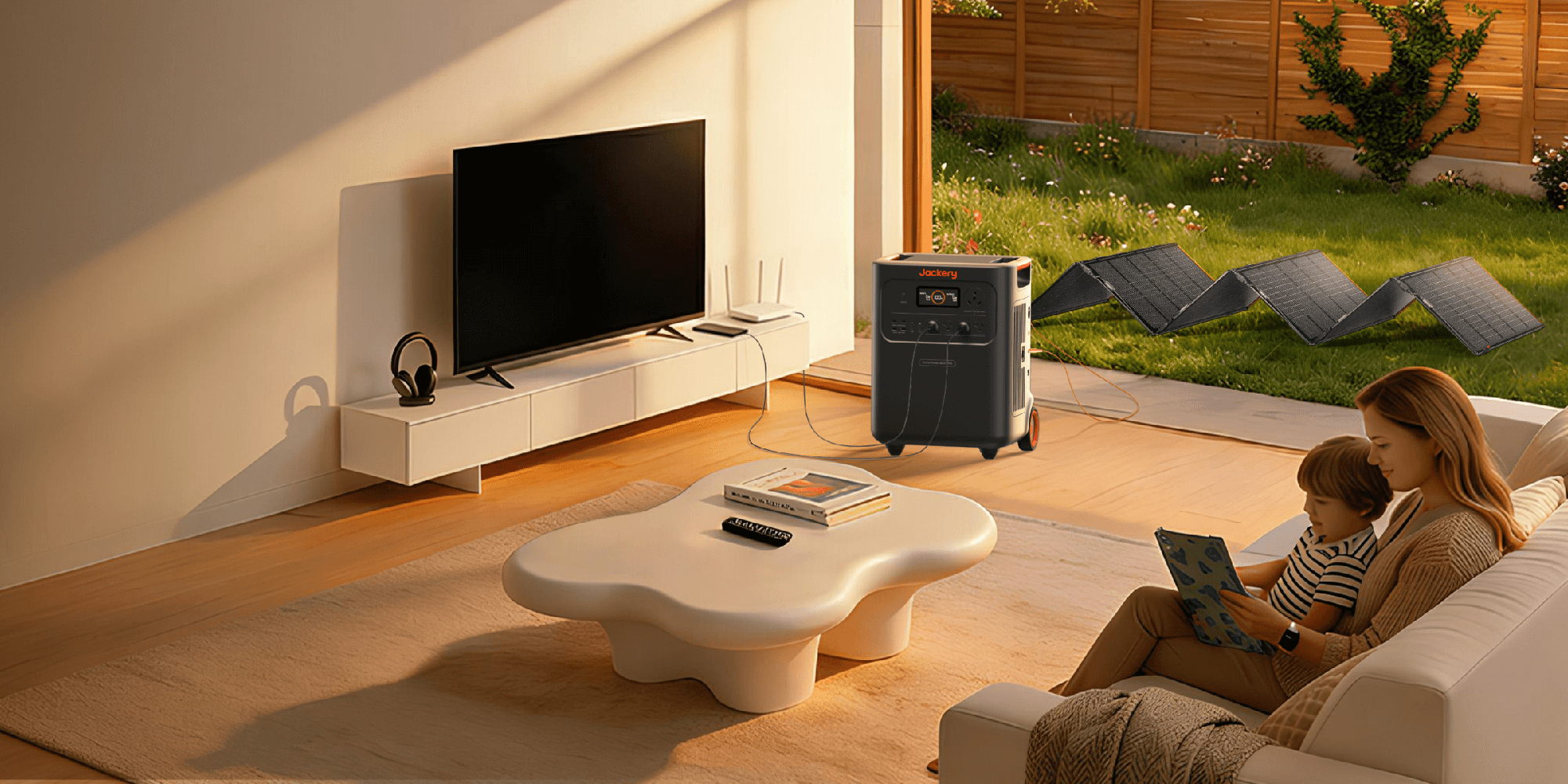
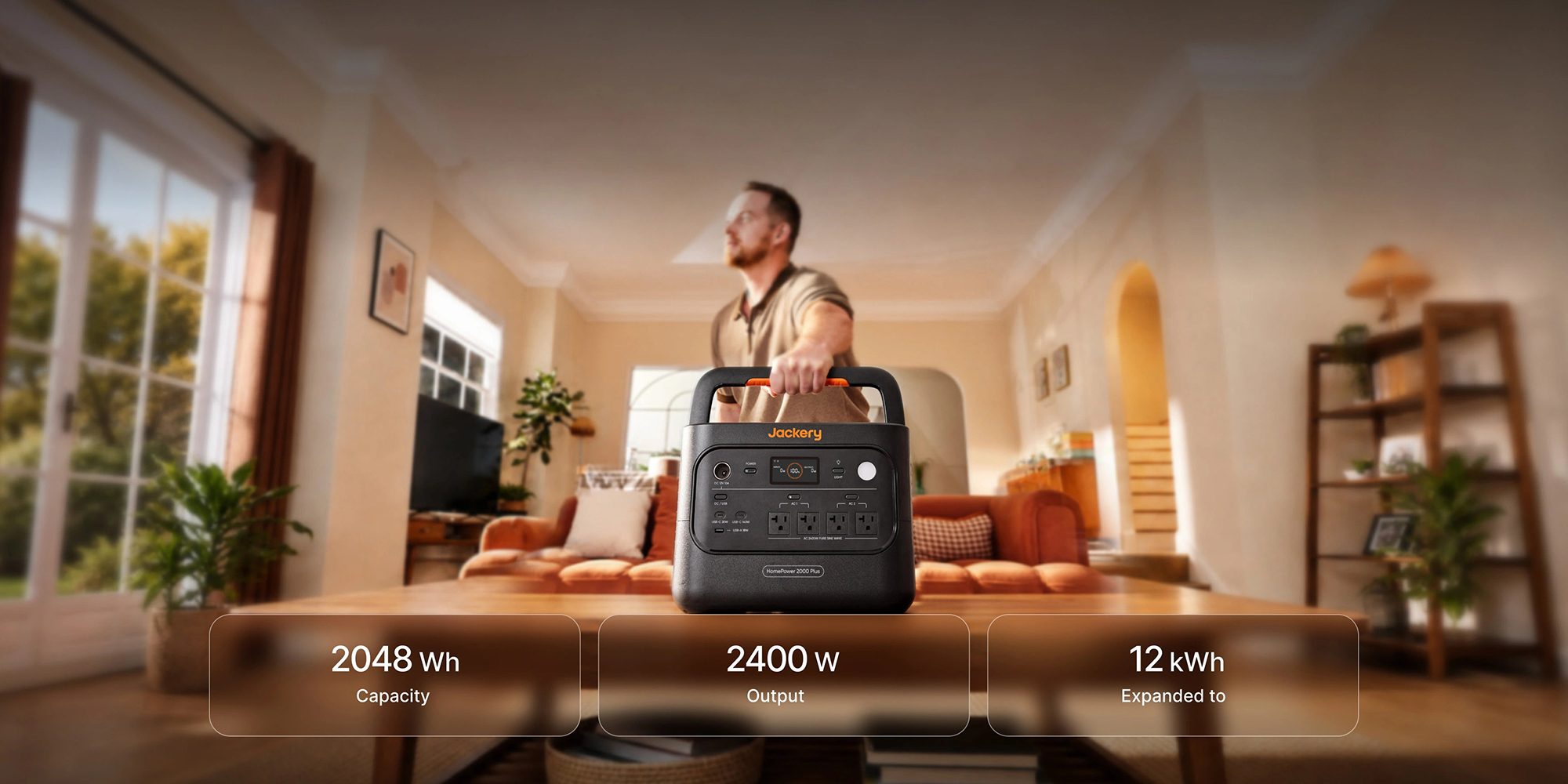
Competitors such as Jackery (with their HomePower series) and Bluetti (with lines like the Elite series) are aggressively contesting market share by introducing modular, high-output systems of their own. However, EcoFlow’s early entry into EV-charging compatibility and massive ecosystem expansion (including integrated smart home panels, smart home generators, and ancillary climate control gear like the EcoFlow Glacier portable refrigerators) grants the brand a distinct competitive moat.
Industry analysts observe that hardware manufacturers are increasingly using short-term flash sales to capture market share ahead of upcoming Q3 and Q4 earnings reports. By bundling high-margin accessories—such as portable solar panels—with legacy power stations, brands can clear out manufacturing warehouses while offering perceived high-value packages to cautious consumers.
Future Outlook: The Shift Toward Decentralized Home Resilience
The broader trajectory of the residential energy market points toward rapid decentralization. As aging electrical infrastructure struggles to cope with simultaneous spikes in electricity demand and climate-driven disruptions, reliance on centralized utility grids is increasingly viewed as a single point of failure.
Portable power stations are transitioning from niche camping gear into essential household appliances akin to smoke detectors or fire extinguishers. Innovations in battery chemistry, faster charging ecosystems, and seamless automatic transfer switches mean that homeowners can now achieve partial energy independence without the noise, pollution, and maintenance burdens associated with traditional fossil-fuel standby generators.
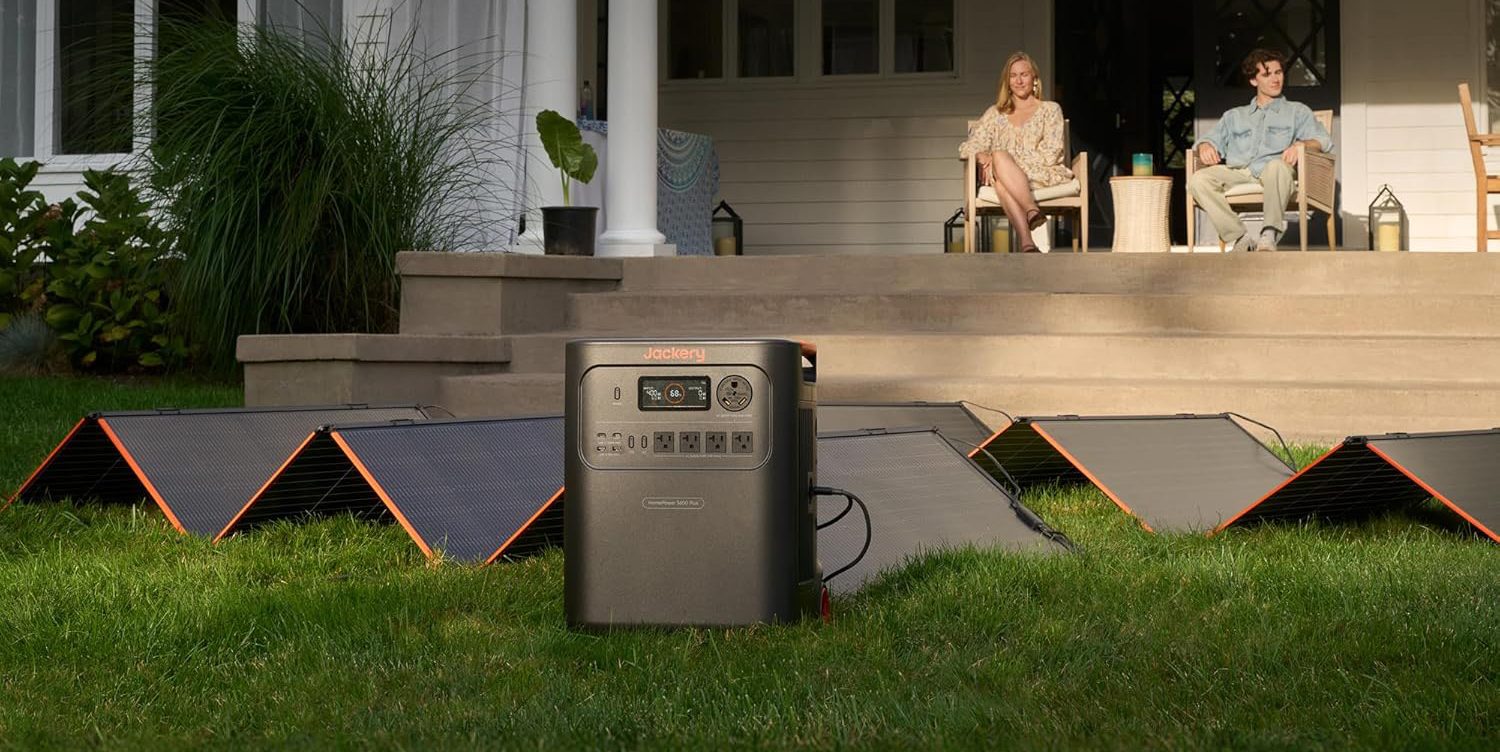
As prices for high-capacity LiFePO4 systems gradually normalize downward through aggressive promotional campaigns like EcoFlow’s current 48-hour event, emergency preparedness is becoming more accessible to mainstream households. Moving forward, market experts expect manufacturers to focus heavily on software integration—such as automated smart-app load shedding, AI-driven power consumption forecasting, and vehicle-to-home (V2H) energy sharing—further cementing these portable energy hubs as foundational nodes in the modern smart home.
Consumers interested in taking advantage of the current EcoFlow Hurricane Season Home Backup flash sale are advised to act quickly, as inventory levels for bundled solar kits are strictly limited and guaranteed to reset upon the conclusion of the 48-hour promotional window.