
Bridging the Physical-Digital Divide: Microsoft’s Groundbreaking Xbox Disc-to-Digital Feature Signals a New Era for Game Preservation
Executive Overview
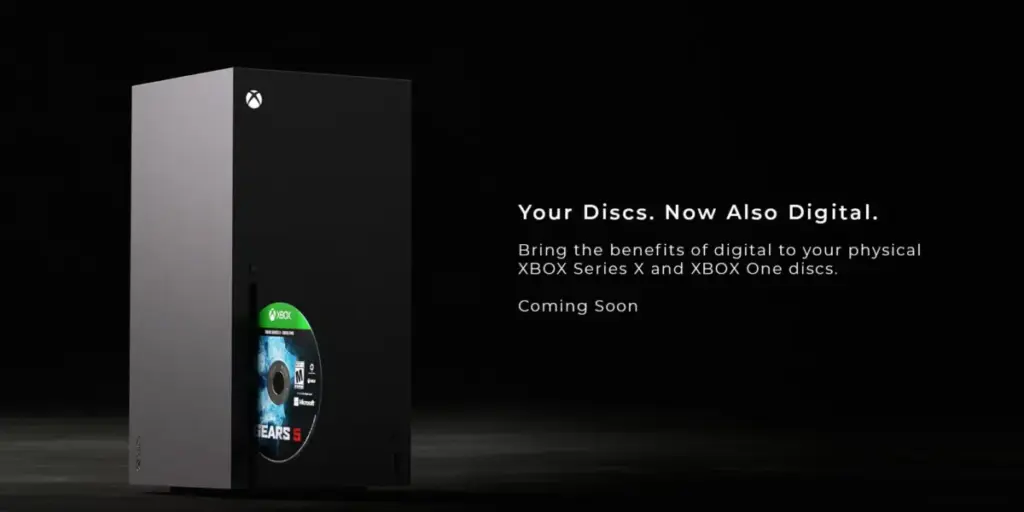
In an era defined by a relentless, industry-wide pivot toward all-digital ecosystems, Microsoft has announced a pioneering initiative designed to protect and preserve physical media collections. Beginning this month, the tech giant is rolling out an innovative "disc-to-digital" verification feature for Xbox players, engineered to bridge the gap between legacy physical formats and modern cloud- and digital-first platforms.
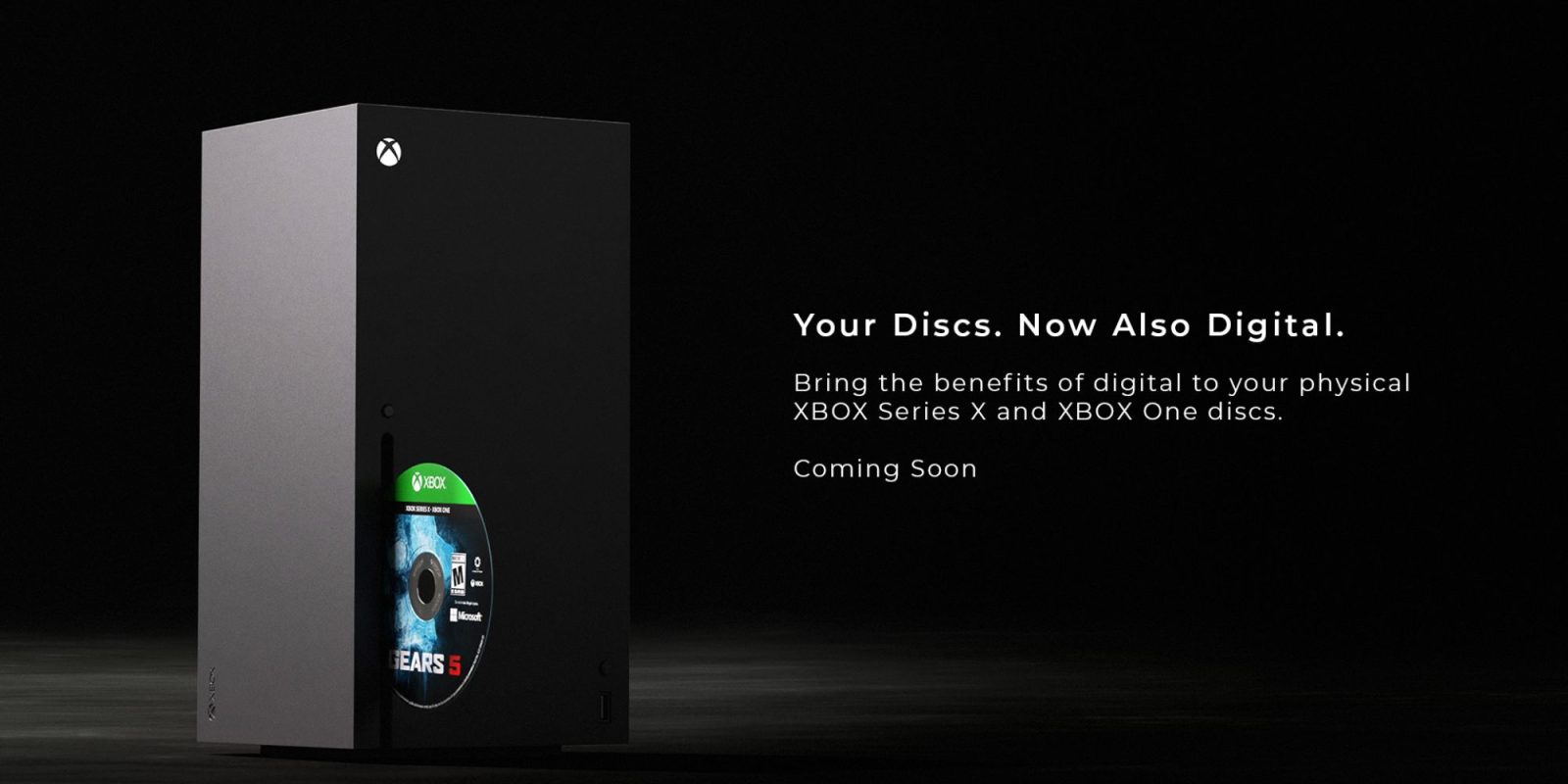
The mechanism is deceptively simple yet technically ambitious: by inserting a supported physical Xbox One or Xbox Series X disc into a compatible console, users can claim a corresponding digital entitlement. Crucially, this move sidesteps the traditional pitfalls of digital conversion. Rather than locking a license permanently to a single user account or rendering the physical disc obsolete, Microsoft’s system ties the digital entitlement to the physical medium itself. This means that if a game disc is traded, sold, or lent to a friend, the digital rights travel right along with it, preserving the timeless consumer traditions of physical media ownership.
This strategic rollout arrives at a pivotal juncture in the video game industry. With competitors like Sony winding down physical manufacturing timelines—notably halting physical disc production for new PlayStation games slated for release after January 2028—Microsoft is charting an alternative path. By addressing consumer anxiety surrounding game preservation, backward compatibility, and hardware evolution, Xbox is attempting to future-proof years of accumulated physical libraries. As the industry looks toward future hardware iterations that may abandon disc drives entirely, this feature could redefine how players transition into the next generation of gaming.
Detailed Chronology: From Rumor to Reality
The journey toward a viable disc-to-digital bridge has been years in the making, reflecting a complex interplay between consumer demand, publisher rights, and digital rights management (DRM) architecture.
The Seeds of Preservation (2020–2024)
As the Xbox Series X|S generation launched alongside Sony’s PlayStation 5, the tension between physical collectors and the convenience of all-digital consoles became palpable. Microsoft earned early praise for its robust backward compatibility program, allowing players to run legacy Xbox One, Xbox 360, and original Xbox discs on modern hardware. However, as mid-gen hardware revisions introduced disc-free variants (such as the digital-only Xbox Series X models), players holding physical libraries faced a stark choice: abandon their discs or buy games a second time digitally. Behind closed doors, Xbox engineers began conceptualizing a frictionless method to validate physical ownership without penalizing the consumer.
The Turning Point and Competitive Pressures (Mid-2026)
The urgency of this initiative accelerated dramatically following a series of watershed industry announcements. In mid-2026, market analysts sent shockwaves through the gaming community when Sony officially confirmed its roadmap to sunset physical disc production for all new PlayStation titles starting in January 2028. This decision catalyzed widespread anxiety regarding the long-term viability of physical media, turning game preservation from a niche enthusiast topic into a mainstream consumer rights issue. Microsoft sensed an opportunity to differentiate its brand philosophy, leaning into its long-standing consumer advocacy branding ("This is an Xbox") to offer an olive branch to physical collectors.
The Insider Rollout and Public Unveiling (Late August 2026)
Microsoft officially pulled back the curtain on the disc-to-digital program, scheduling the first real-world stress test for Xbox Insiders. Set to deploy on August 31, this initial preview phase will test thousands of titles across the Xbox One and Xbox Series X generations. While publishers will retain the ultimate authority on whether their specific titles participate in the program at launch, the framework is designed to scale rapidly over the coming months.
Supporting Context & Metrics: The State of Physical vs. Digital Media
To understand the profound significance of Microsoft’s new initiative, one must examine the macroeconomic and consumer data defining the modern gaming landscape.
Market Shift Toward Digital Consumption
For consecutive years, digital software sales have outpaced physical retail sales by staggering margins. According to market intelligence data, digital storefronts (Xbox Marketplace, PlayStation Store, Nintendo eShop, and Steam) account for upwards of 80% to 90% of total full-game software revenue in major western markets.
- The Convenience Factor: Modern players heavily favor instant pre-loads, digital library sharing via home-console settings, and the ability to swap games seamlessly without changing physical media.
- The Hardware Evolution: Console iterations are steadily shedding physical drives. The mainstream adoption of all-digital consoles means a growing percentage of new gamers lack the hardware capability to play legacy discs, creating an invisible barrier to older catalogs.
The Consumer Ownership Dilemma
Despite the commercial dominance of digital media, a dedicated segment of the gaming community—alongside digital archivists and consumer advocacy groups—remains fiercely loyal to physical media for several critical reasons:
- True Ownership: Physical discs grant consumers the legal right to sell, trade, lend, or bequeath their property. Digital licenses, by contrast, are typically non-transferable revocable permissions tied inextricably to a user account.
- Server Sunsetting Risk: When digital storefronts eventually close (as seen with historical closures of the Wii Shop Channel, PlayStation 3/PSP stores, and Xbox 360 Marketplace), purely digital libraries are vulnerable if downloaded files are lost and cannot be re-downloaded.
- Bandwidth Constraints: In regions with data caps or sluggish broadband infrastructure, downloading 100GB+ next-gen game files remains a significant logistical hurdle, making physical installation from disc a necessity.
By tying the digital entitlement to the physical disc itself, Microsoft’s new feature attempts to square this circle. It preserves the consumer-friendly liquidity of physical media while unlocking the modern quality-of-life benefits of digital ecosystems—such as Xbox Play Anywhere cross-platform progression and Xbox Cloud Gaming streaming.
Official Statements and Ecosystem Mechanics
The technical execution of the disc-to-digital feature reveals a sophisticated approach to digital rights management that respects ownership transferability.
How the Mechanics Work
When a player inserts a supported physical disc into an Xbox One or Xbox Series X console, the system initiates a verification handshake. Upon recognizing the disc data against a secure cloud database of participating titles, the user is given the option to claim a digital entitlement linked to that specific physical unit.
- Dual-Access Utility: Once claimed, the physical disc remains fully functional. It can still be used to boot the game on consoles equipped with disc drives.
- The Transferability Factor: Unlike traditional digital redemption codes—which permanently burn a license to the first Microsoft account that redeems them—Microsoft’s architecture tethers the digital claim to the physical hardware of the disc. If the user sells the disc at a local game store or gifts it to a friend, the digital entitlement follows the disc. The original owner loses access to the digital rights once the physical copy leaves their possession, while the new owner can re-authenticate the disc on their own profile.
- Cloud and Cross-Platform Integration: Once the digital entitlement is activated via the disc, users unlock access to ecosystem perks where supported. This includes playing titles via Xbox Cloud Gaming on mobile devices, smart TVs, or PCs, and leveraging Xbox Play Anywhere savings and save-states across compatible Windows hardware.
Publisher Participation and Limitations
Industry analysts have noted that the success of the program hinges heavily on third-party publisher adoption. Microsoft has confirmed that publishers maintain granular control over whether their games participate in the disc-to-digital ecosystem. Licensing agreements, music rights, and historical publishing partnerships mean that thousands of titles will be supported out of the gate, but the catalog will expand iteratively rather than instantaneously on launch day.
Future Outlook: Industry Implications and the Next Generation
As the video game industry prepares for the hardware cycles of the late 2020s and early 2030s, Microsoft’s proactive stance on disc-to-digital conversion could reshape consumer expectations permanently.
The Contrast in Console Strategy
The divergence between Microsoft and Sony’s trajectories could become a defining battleground for consumer loyalty. While Sony’s pivot away from physical manufacturing by 2028 positions PlayStation firmly as an all-digital entertainment ecosystem, it risks alienating physical collectors and retro-gaming enthusiasts. Conversely, Microsoft’s hybrid strategy offers a bridge: it allows players to comfortably invest in physical media today, knowing those purchases have a guaranteed pathway into tomorrow’s cloud- and digital-first hardware.

Game Preservation and Regulatory Scrutiny
In recent years, government bodies and consumer protection agencies across the European Union and North America have cast a critical eye toward the software industry’s practices regarding "digital purchases," specifically concerning the revocation of access and server shutdowns (sparking movements like "Stop Killing Games"). By introducing a system that honors physical ownership while embracing digital distribution, Microsoft may preemptively insulate itself from future regulatory headwinds concerning digital obsolescence.
What Lies Ahead for Xbox Fans
The immediate testing phase beginning August 31 with Xbox Insiders will serve as the ultimate crucible for the feature. Testers will examine how seamlessly the system handles edge cases—such as offline verification, disc degradation, and multi-user household sharing.
If the rollout proves successful and publishers embrace the initiative en masse, Microsoft will have achieved a rare feat: introducing a modern digital convenience without compromising the historic rights of physical game collectors. As the next generation of Xbox hardware looms on the horizon, this disc-to-digital bridge may well be remembered as the vital mechanism that saved millions of gaming libraries from being left behind in the digital transition.