The GBD-M2 Revolution: How One Maker Reimagined Nintendo’s Iconic Game Boy Camera Into a Modern Street Shooter
Executive Overview
In the sprawling landscape of modern consumer electronics, the prevailing philosophy leans heavily into hyperspecialization. We carry pocket computers capable of recording cinematic 4K video, running real-time ray-traced graphics, and communicating globally across 5G networks. Yet, a vibrant, resilient subculture of hardware modders, retro enthusiasts, and lo-fi artists continues to swim against the current. They seek out the constraints of yesteryear, weaponizing technological limitations to foster genuine human creativity.
At the vanguard of this movement sits the legendary Game Boy Camera—a pioneering piece of hardware released by Nintendo in 1998. Long before the era of ubiquitous smartphone photography, this tiny gray cartridge introduced millions of children and hobbyists to digital imaging, albeit through a meager 128×112 pixel sensor rendered in a 4-shade grayscale palette.
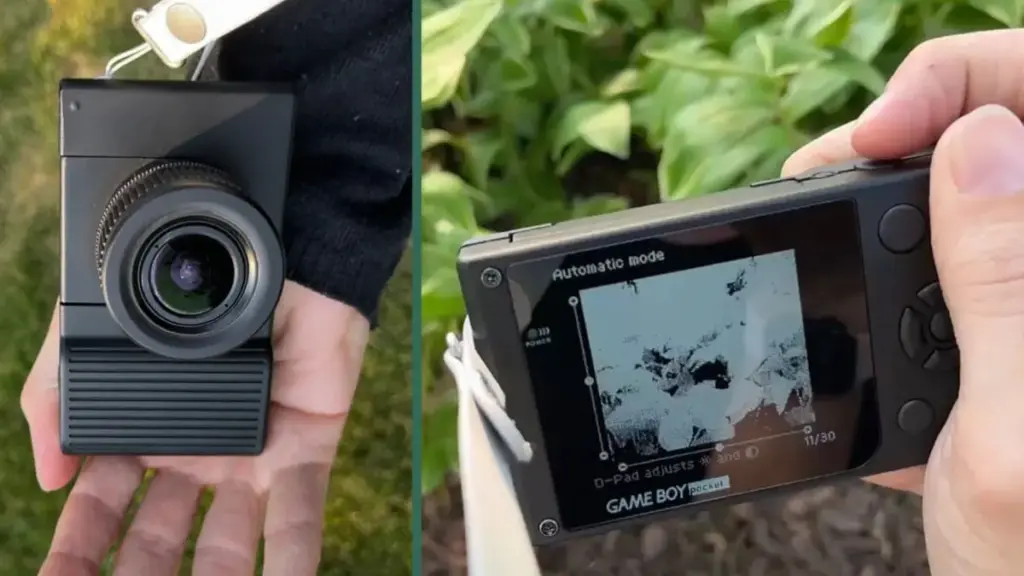
Fast forward to August 2026, and the retro-gaming community is experiencing a watershed moment. A hardware creator known professionally as Game Boy Camera (on Bluesky as @gameboycamera.com) has unveiled a working prototype that bridges the gap between late-90s handheld gaming and contemporary street photography ergonomics. The device, designated the GBD-M2, successfully condenses genuine Game Boy Pocket and Game Boy Camera internal logic into a custom-machined, standalone digital camera chassis.
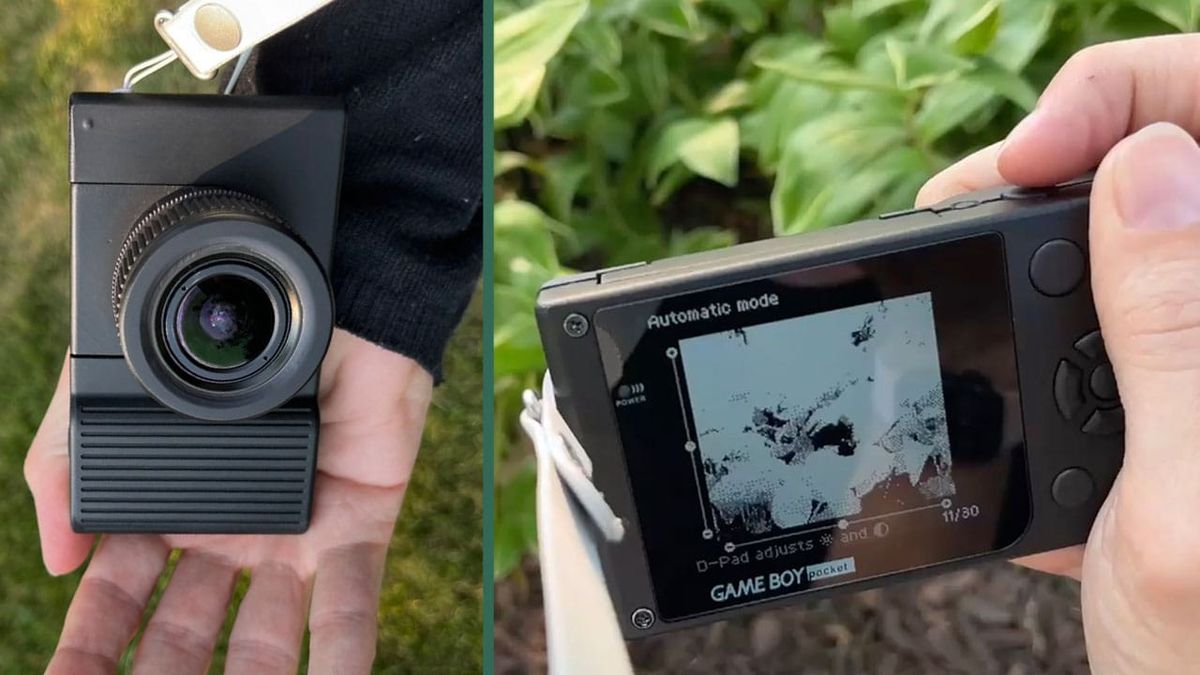
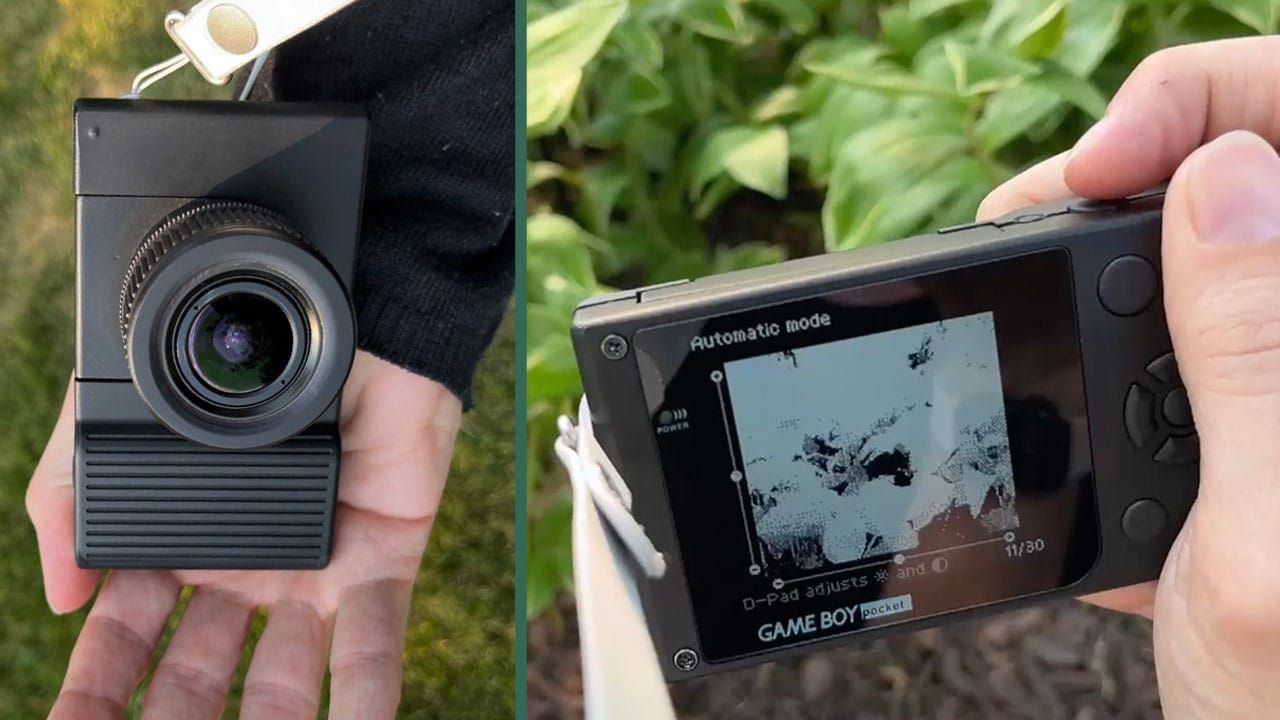
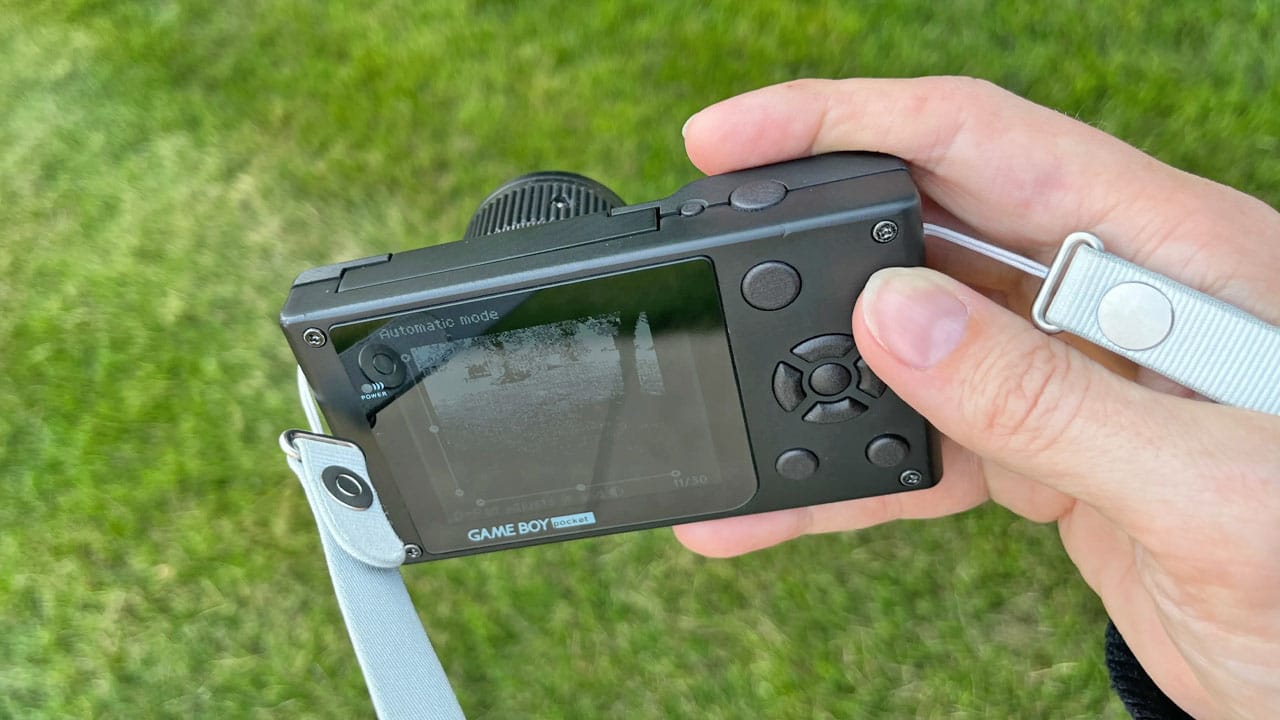
Resembling a sleek modern compact camera akin to a Ricoh GR, the GBD-M2 is far more than a superficial cosmetic shell swap. It features an ultra-compact, detachable Game Boy cartridge slot, a CS lens mount system, and—astonishingly—full backwards compatibility with classic Game Boy software. This means users can switch from snapping lo-fi monochrome portraits to playing Tetris on the exact same device.
This comprehensive report examines the genesis, technical architecture, community reception, and future implications of the GBD-M2 project, exploring how a piece of hardware from 1998 continues to inspire cutting-edge DIY engineering nearly three decades later.
Detailed Chronology: From 1998 Novelty to 2026 Masterpiece
To understand the magnitude of the GBD-M2 prototype, one must trace the evolutionary lineage of the Game Boy Camera ecosystem and the painstaking engineering timeline that brought this hybrid device to life.
1998–2020s: The Lo-Fi Photography Renaissance
When Nintendo launched the Game Boy Camera (known as the Pocket Camera in Japan) in 1998, it was heralded as a technological marvel. Utilizing a CMOS sensor developed by Mitsubishi, it offered a resolution of 128×128 pixels (cropped to 128×112 for the Game Boy screen) and stored up to 30 images internally. While initially viewed as a toy, photographers quickly recognized its artistic value.
Over the subsequent decades, as digital photography moved toward hyper-realism, a counter-movement embraced the gritty, high-contrast, dithering aesthetic of the Game Boy format. Modders began pushing the hardware past its intended boundaries. We witnessed the rise of custom zoom lenses engineered specifically for the camera cartridge, custom companion printers, and redesigned flash cartridges that bypassed the internal storage limits of the original ROM. However, these modifications always remained tethered to the original Game Boy hardware architecture—users still had to haul around a bulky Game Boy Pocket, Color, or Advance just to operate the camera sensor.
Years in Development: The Birth of the GBD-M2
The conceptualization and execution of the GBD-M2 did not happen overnight. According to project logs and public updates shared by its creator, the endeavor required years of meticulous trial, error, and micro-soldering.
- Phase 1: Component Harvesting & Miniaturization. The primary hurdle facing the creator was spatial. The logic boards of a Game Boy Pocket and a Game Boy Camera are vast compared to modern surface-mount electronics. To achieve a pocketable, dedicated camera form factor, the creator had to map, shrink, and integrate these legacy circuits into a tight, ergonomic layout without losing functional integrity.
- Phase 2: Optical Integration. Transitioning from the fixed plastic lens of the original Game Boy Camera to an interchangeable lens standard required designing a custom optical housing. The creator opted for a CS Mount, a professional standard commonly used in machine vision and security cameras, allowing for a diverse array of adapted lenses.
- Phase 3: The Detachable Cartridge Breakthrough. Rather than hardcoding the game software or camera firmware directly onto an internal board, the engineer engineered a microscopic, fully functional Game Boy cartridge slot into the top of the chassis. This ingenious design choice preserves the soul of the original hardware: the brain of the device remains a physical cartridge that can be swapped out at will.
- Phase 4: Public Prototyping (Late July 2026). In late July 2026, the creator dropped video demonstrations of the GBD-M2 in action across social channels. The footage showcased seamless operation, rapid shutter response times, and the ability to seamlessly transition from capturing high-contrast monochrome photographs to booting up classic cartridges like Tetris.
Supporting Context & Technical Metrics
The GBD-M2 is a masterclass in hybrid engineering, merging 20th-century silicon with modern rapid-prototyping techniques like 3D printing and custom CNC machining. Below is a breakdown of the key technical features, design choices, and hardware specifications revealed thus far:

| Feature | Original Game Boy Camera (1998) | GBD-M2 Prototype (2026) |
|---|---|---|
| Form Factor | Cartridge attached to bulky handheld console | Standalone digital camera (resembling a premium compact shooter) |
| Optics | Fixed, plastic single-element lens | Interchangeable lenses via CS Mount (adaptable to other mounts) |
| Core Architecture | Original Game Boy / Pocket logic board | Minimized Game Boy Pocket and Camera internal chips |
| Software Storage | Fixed ROM on a standard grey cartridge | Ultra-compact, top-loading detachable Game Boy cartridge |
| Dual Functionality | Gaming console that takes pictures | Dedicated camera body that doubles as a functional Game Boy |
| Aesthetic / Ergonomics | Rectangular brick with directional pad and buttons | Pocketable street photography chassis with ergonomic grip |
The Genius of the CS Mount and Lens Adaptability
One of the most exciting aspects of the GBD-M2 is its optical versatility. By implementing a CS Mount standard, the creator opened the door for photographers to mount vintage CCTV lenses, microscopic adapters, or custom-engineered telephoto tubes onto the tiny digital sensor.
As the creator noted during technical disclosures regarding the cartridge section:
"It’s an ultra-compact Game Boy cart which still detaches, using a CS Mount for lenses. You could modify it for other lens mounts."
This modularity transforms the device from a mere novelty into a serious tool for lo-fi experimental photography. Photographers can experiment with macro photography, wide-angle street shots, and shallow depth-of-field effects—all rendered through the iconic, nostalgic lens of 4-shade pixelation.
The Retro-Gaming Bonus: Play on the Go
Because the GBD-M2 retains true Game Boy Pocket compatibility within its core architecture and houses a functional cartridge slot, it transcends its identity as a standalone camera. When a user swaps out the camera cartridge for a standard game pak, the device’s internal display and controls allow for full gaming functionality. Demonstrations shared online confirmed that iconic titles like Tetris run smoothly on the hardware, providing a delightful nod to the dual-purpose nature of Nintendo’s original 1989 handheld philosophy.
Official Statements and Community Reaction
The tech and retro-gaming communities have responded to the GBD-M2 with overwhelming enthusiasm. Platforms like Bluesky and specialized hobbyist forums have been abuzz with discussions regarding the potential accessibility of the device.
In her announcement post on Bluesky, the creator struck a collaborative and community-focused tone regarding the future availability of the project:
"Video of Camera GBD-M2 in action. Once I’ve reached a comfortable place with the project, I plan on sharing the files to build yourself."
This open-source ethos has struck a chord with the maker community. Rather than locking down the intellectual property behind an expensive, closed-source consumer product, the developer intends to empower others to build their own iterations using 3D printing files, circuit diagrams, and component lists.
Reviewers and commentators within the retro space have been quick to praise the execution. Sebastian Santabarbara of Retro Dodo captured the collective sentiment of the enthusiast community:
"I know that’s a big statement considering we’re only at the start of the week, but I’m going out on a limb here, as this is one of the coolest things I think I’ve ever seen! […] I would love to have one of these, and the option to purchase a premade unit just for snapping pictures while I’m out and about. I know I have a tonne of Game Boys at my disposal, but I feel like this is something I would just keep in my bag at all times to capture on the fly. It’s a great little invention, and the design is flawless!"
The reaction highlights a growing fatigue with modern, hyper-polished digital tools. Consumers are increasingly drawn to tactile, intentional devices that force creators to slow down, compose within strict limitations, and engage deeply with the physical process of creation.
Future Outlook and the Horizon of Lo-Fi Hardware Modding
As the GBD-M2 project matures toward its public release phase, several exciting questions loom on the horizon for hardware enthusiasts and mobile photographers alike:
- Open-Source Hardware Democratization: When the designer finally releases the build files, it will ignite a wave of DIY construction across maker spaces worldwide. We can expect to see community-driven iterations, custom colorways, and specialized housing modifications tailored to different photographic styles.
- Commercial Availability: While the initial rollout centers on DIY fabrication files, the immense demand for pre-built units points toward a potential cottage industry. Independent hardware artisans frequently step in to manufacture small-batch assembled units for enthusiasts who lack the micro-soldering equipment or free time to build their own.
- The Evolution of Lo-Fi Communities: Projects like the GBD-M2 prove that retro hardware is never truly obsolete; it is merely waiting for the next generation of tinkerers to breathe new life into its silicon. As communities continue to share presets, lens modifications, and printing techniques online, the subculture surrounding Game Boy photography is poised for its largest expansion yet.
For those eager to follow the project’s evolution, support the creator, or secure build files the moment they drop, tracking the official updates via Game Boy Camera’s Bluesky page is strongly recommended. The GBD-M2 stands as a shining testament to human ingenuity—proving that with enough passion, technical skill, and a deep love for retro gaming, the past can be successfully reshaped to fit right into the palm of your hand.