Turning Haptics into Hi-Fi: How Modders Transformed Valve’s Steam Controller into a Stereo Speaker
Executive Overview
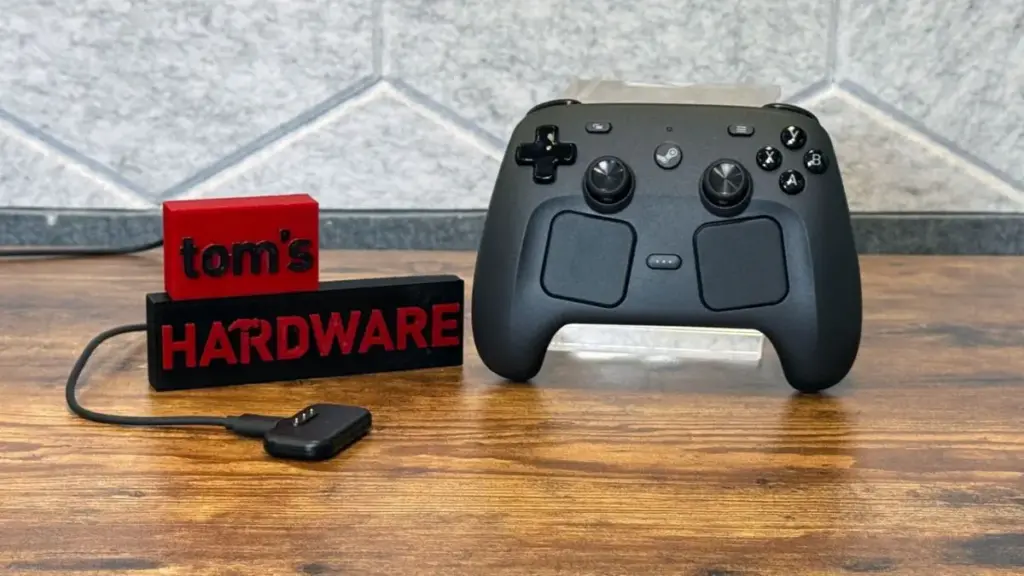
The intersection of hardware modification, open-source software, and gaming peripherals has always been a hotbed of unexpected ingenuity. When Valve introduced its second-generation Steam Controller, the company doubled down on an open hardware philosophy, inviting the enthusiast community to inspect, alter, and reinvent its internal mechanisms. While Valve likely anticipated custom input mappings and minor firmware adjustments, the sheer velocity and creativity of the modding community have far exceeded expectations.
Within a remarkably short window, modders have repurposed the controller’s advanced haptic feedback systems in ways that border on science fiction. Enthusiasts have utilized the linear actuators to make the peripheral autonomously crawl across a desktop like a robotic vacuum cleaner to dock and charge itself. Others have reverse-engineered the controller’s communication puck to build entirely open-source alternatives capable of emulating Nintendo, PlayStation, and Xbox hardware without relying on Steam Input.
Now, a new project pushes the boundaries of hardware repurposing even further. Developed by enthusiast Pixel1011, an open-source tool dubbed the Steam Haptics Player achieves what should theoretically be impossible for a standard game controller: it transforms the internal haptic rumble motors into a functional stereo speaker capable of playing music via both wired and wireless connections.
By bypassing high-level abstraction layers and directly targeting low-level Human Interface Device (HID) feature commands, Pixel1011 has demonstrated that sound—at its core a series of precise physical vibrations—can be cleanly generated by components explicitly designed to simulate tactile feedback in the palm of a gamer’s hand. While bandwidth bottlenecks and audio compression present significant technical hurdles, the results are surprisingly robust, offering a compelling glimpse into what happens when open hardware meets boundless technical curiosity.
Detailed Chronology: From Tactile Feedback to Acoustic Output
To understand the magnitude of the Steam Haptics Player project, it is essential to trace how the second-generation Steam Controller became a canvas for radical experimentation.
The Open Architecture Catalyst
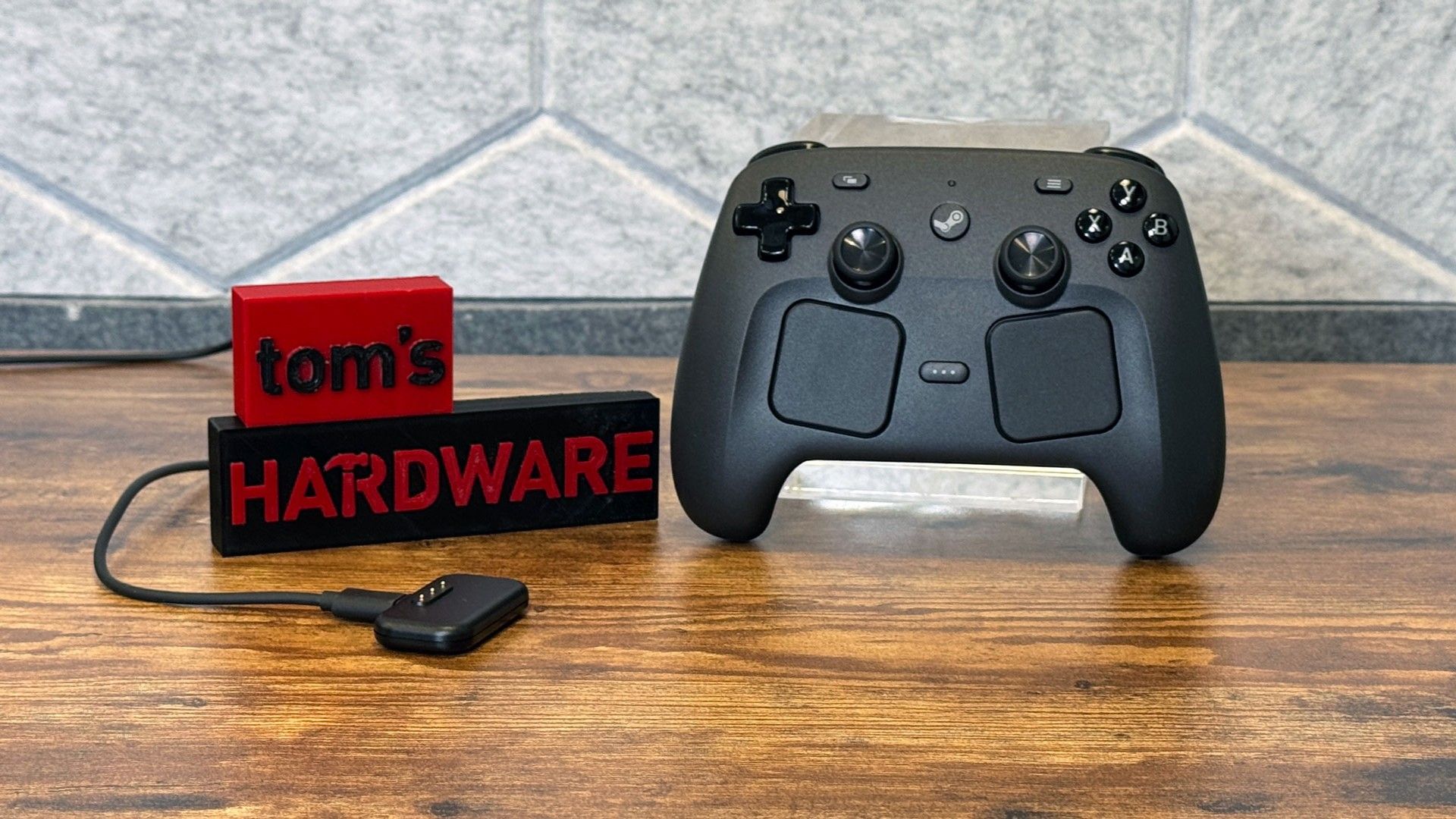
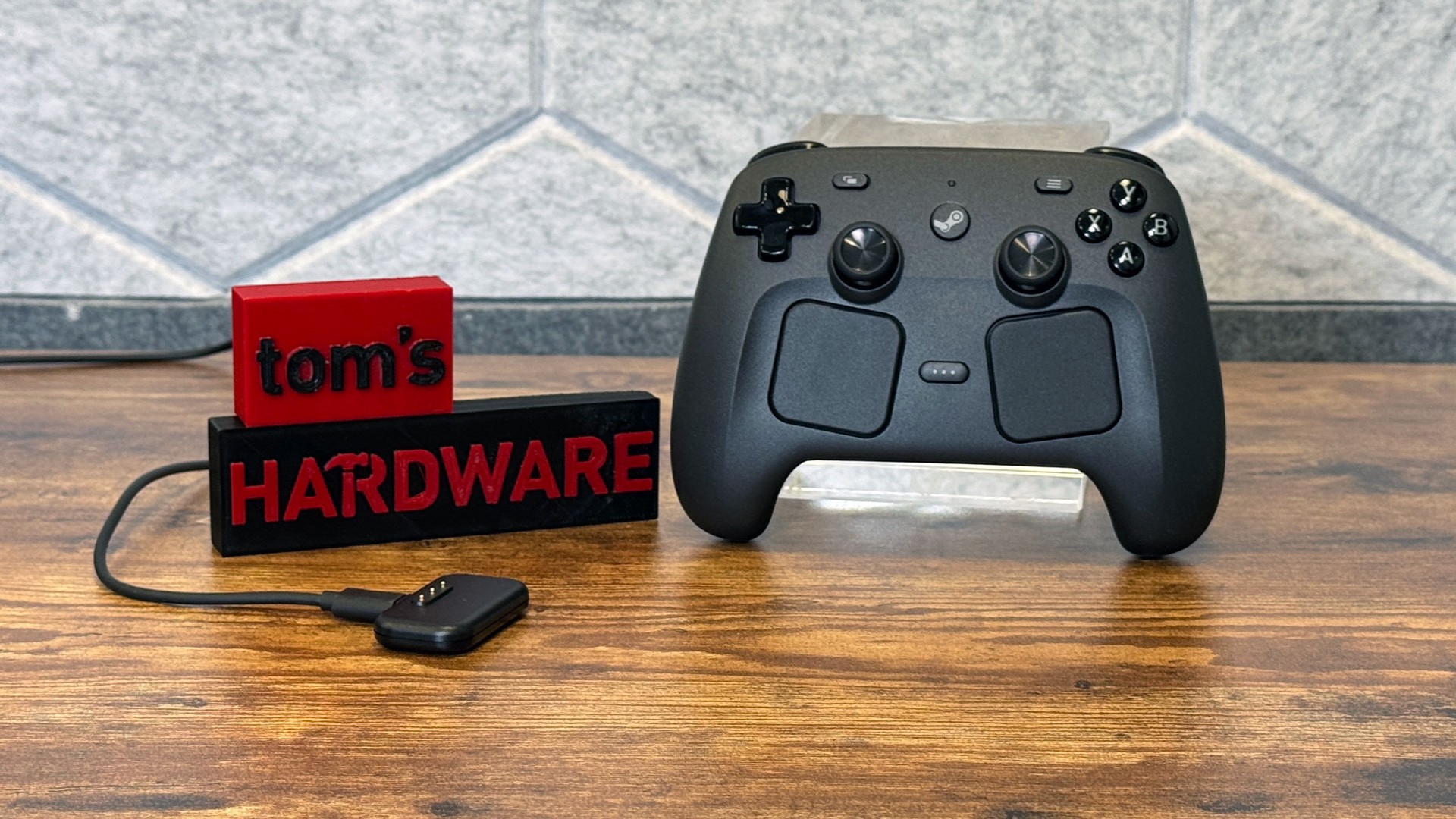
Valve’s decision to maintain an accessible, open architecture for its peripheral lineup laid the groundwork for these community-driven breakthroughs. Unlike closed-ecosystem controllers that lock down firmware and strictly monitor input packets, Valve’s hardware invites deep inspection. Modders quickly discovered that the linear actuators embedded beneath each of the controller’s dual trackpads offered granular control far beyond standard rumble motors found in traditional gamepads.
These linear actuators utilize rapid, precise oscillations to simulate everything from the click of a virtual mouse wheel to the visceral recoil of an in-game firearm. Because haptics rely on physical vibrations to trick human mechanoreceptors, it was only a matter of time before developers recognized the direct mathematical correlation between haptic signals and audio waveforms. In fact, Valve itself embedded a cheeky Easter egg within the controller’s firmware, triggering a distinct "Wilhelm scream" through the haptic motors whenever the device was dropped from specific heights.
The Genesis of Steam Haptics Player
Building upon earlier stunts—such as web applications that compelled the controller to traverse floors using targeted vibration frequencies—developer Pixel1011 sought to bridge the gap between tactile actuation and raw audio playback.
The breakthrough began with the discovery that the internal haptic motors could be directly addressed using low-level HID feature commands via HIDAPI, a multi-platform library that allows applications to interface with USB and Bluetooth HID devices. By circumventing Steam Input—the high-level API typically used to manage controller configurations—Pixel1011 established a direct pipeline between computer audio data and the controller’s physical actuators.
The software architecture of the Steam Haptics Player operates through a multi-step transcoding pipeline:
- Audio Ingestion: The user feeds an arbitrary audio file (in virtually any standard format) into the application.
- FFmpeg Downsampling: The utility utilizes FFmpeg to transcode and downsample the audio stream to meet the strict bandwidth constraints of the controller’s hardware.
- PCM Chunking: The processed audio is sliced into manageable chunks of Pulse Code Modulation (PCM) data streams.
- Direct Packet Injection: These data packets are transmitted directly to the controller via wired USB or wireless radio frequencies.
- Actuator Translation: The controller’s firmware interprets the raw data packets as haptic commands, causing the linear actuators to vibrate in sync with the audio frequencies, effectively turning the casing of the controller into an unconventional speaker diaphragm.
Supporting Context & Metrics: Bandwidth, Compression, and Audio Fidelity
Executing audio playback through haptic actuators is an impressive technical feat, but it is bound by the harsh realities of hardware engineering and wireless bandwidth limitations.
Wired vs. Wireless Performance Metrics
Because the Steam Controller’s wireless communication puck was never engineered to stream high-throughput audio data alongside standard control inputs, bandwidth emerged as an immediate and formidable bottleneck. Pixel1011 documented distinct performance tiers depending on the connection medium:
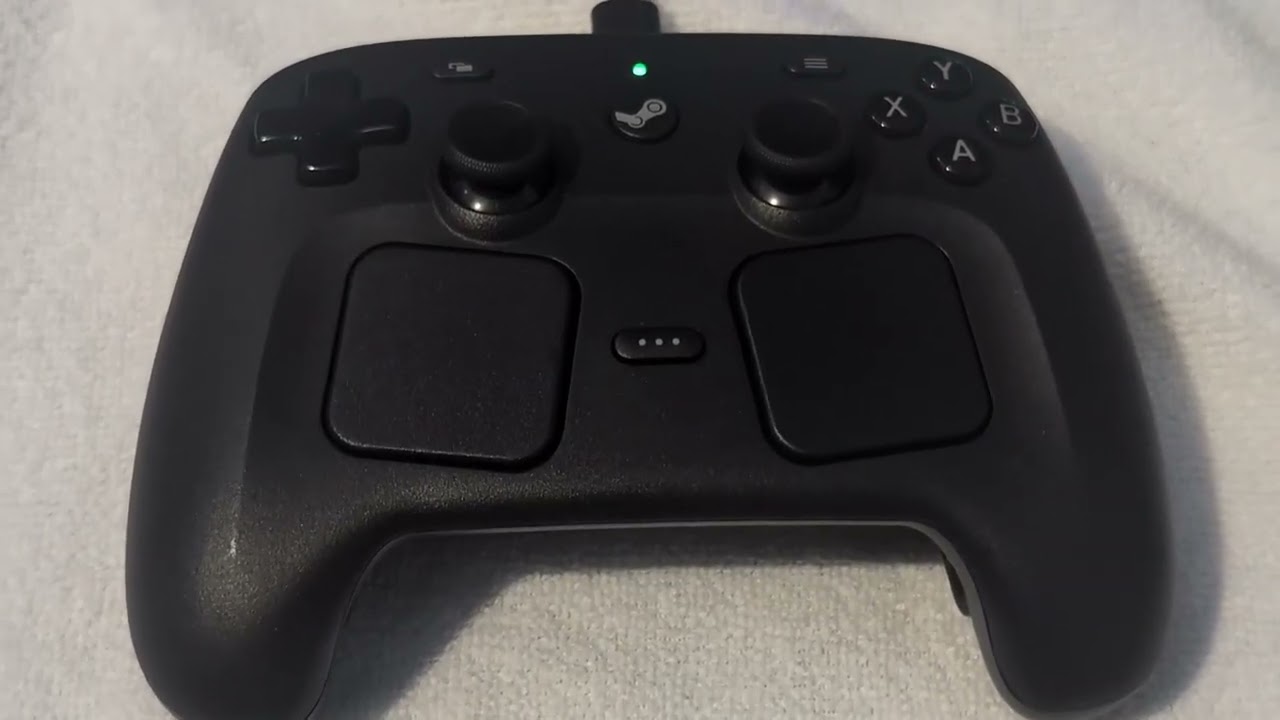
- Wired Connection (USB): Operating over a direct physical link, the system can push 16-bit 8kHz PCM audio. While an 8kHz sample rate is low by modern hi-fi standards (standard CD quality is 44.1kHz), the 16-bit depth provides enough dynamic range to produce surprisingly clear, balanced audio output. When placed on an acoustic-friendly surface—such as a towel on a flat desk, which helps dampen unwanted rattles while amplifying the resonant frequencies—the audio quality is startlingly convincing. Listeners can easily mistake the output for a dedicated, albeit small, external speaker.
- Wireless Connection (Puck): Operating over the controller’s native radio frequency (RF) link, bandwidth drops drastically. To compensate, Pixel1011 implemented 8-bit $mu$-law (mu-law) companding, a logarithmic compression technique that provides a dynamic range roughly equivalent to 14-bit audio while shrinking the byte footprint down to an 8-bit stream. Despite this clever compression scheme, the wireless link struggles significantly. Playback is plagued by audible crackles, pops, and occasional dropouts as the radio signal hits its saturation point.
Real-World Audio Demonstrations
To showcase the capabilities of the Steam Haptics Player, Pixel1011 published video demonstrations featuring iconic video game tracks. Most notably, a demonstration featuring "Want You Gone"—the end-credits song from Valve’s critically acclaimed Portal 2—reveals an unexpected depth of sound.
While high frequencies can sound slightly metallic or raspy due to the mechanical nature of the linear actuators, the setup manages to reproduce a genuine low-end presence. A secondary demonstration featuring "Still Alive" from the original Portal further validates that the system can handle melodic vocal tracks and complex instrumentation with a degree of fidelity that defies the jerry-rigged nature of the hardware.
Technical Implications and Community Reception
The release of the Steam Haptics Player has sent ripples through the hardware enthusiast community, prompting deeper discussions regarding open-source hardware standards and the untapped potential of embedded peripherals.
For years, major hardware manufacturers have leaned toward closed ecosystems, restricting device functionality to strictly approved use cases. Valve’s willingness to allow community-driven innovation—whether intentional or simply a byproduct of their developer-friendly toolsets—demonstrates the immense value of open architectures. By allowing users to push hardware past its specified design parameters, companies foster a passionate consumer base that continuously breathes new life into aging or niche products.
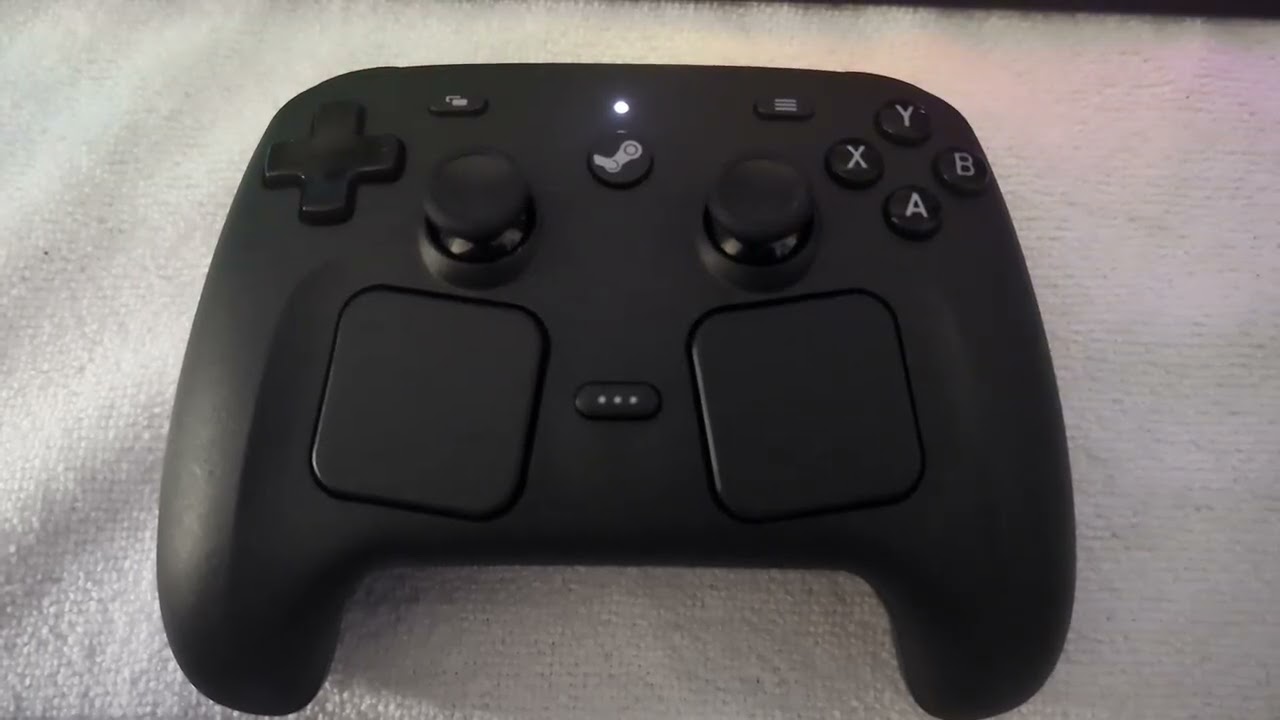
Furthermore, this project highlights the converging paths of haptic feedback and acoustic technology. In advanced haptic research, the line between tactile actuators and audio transducers has always been thin; both technologies rely on voice coils or linear resonant actuators to move physical masses at precise frequencies. Projects like the Steam Haptics Player prove that consumer-grade hardware often possesses latent capabilities far exceeding what is exposed through official software development kits (SDKs).
Future Outlook: What’s Next for Haptic Modding?
As the Steam Haptics Player gains traction on GitHub, several questions remain regarding the long-term feasibility and safety of such modifications.
Potential Risks and Limitations
- Battery Longevity: Linear actuators are designed for brief pulses of tactile feedback—such as a gunshot or a menu click—not continuous, high-amplitude mechanical oscillation driven by musical tracks. Pumping heavy bass lines through the motors for extended periods places an abnormal thermal and electrical load on the controller’s internal circuitry and battery. While Pixel1011 humorously advises users against streaming their entire Spotify playlists through the device, long-term stress testing will reveal whether continuous audio playback accelerates hardware degradation.
- Firmware Optimization: As more developers examine Pixel1011’s code, there is potential for community-developed firmware updates that optimize packet transmission, refine compression algorithms, or introduce custom equalizer presets tailored specifically to the resonance frequency of the Steam Controller’s casing.
- Broader Hardware Adoption: The success of this project may inspire modders to explore haptic audio injection on other advanced peripherals, such as the DualSense controller for the PlayStation 5, which features sophisticated voice-coil actuators (branded as "Haptic Feedback") capable of far greater fidelity than traditional rumble weights.
How to Try It Yourself
For enthusiasts eager to experiment with the Steam Haptics Player, the project is fully open-source and accessible via Pixel1011’s GitHub repository.
- Requirements: A second-generation Steam Controller, a Windows environment with PowerShell, and FFmpeg installed for local audio transcoding.
- Execution: Users can download the script archive, supply virtually any audio file format, and run the utility through the command line.
While streaming a blockbuster movie soundtrack through a game controller is unlikely to replace a dedicated Sonos soundbar anytime soon, the Steam Haptics Player stands as a brilliant testament to the ingenuity of the PC modding community. By turning rumble motors into makeshift speakers, enthusiasts continue to prove that with enough code and creativity, hardware can always learn new tricks.