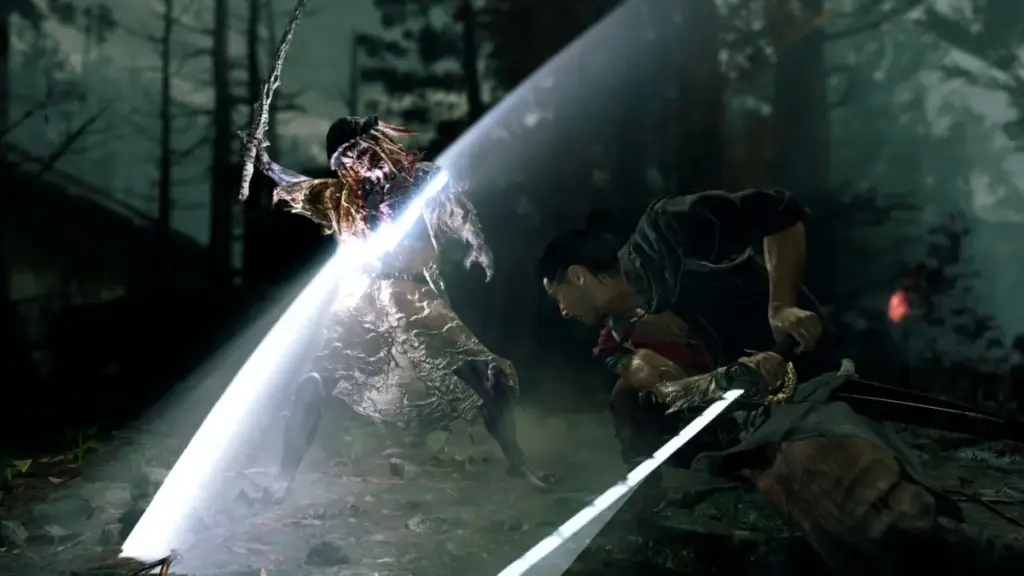
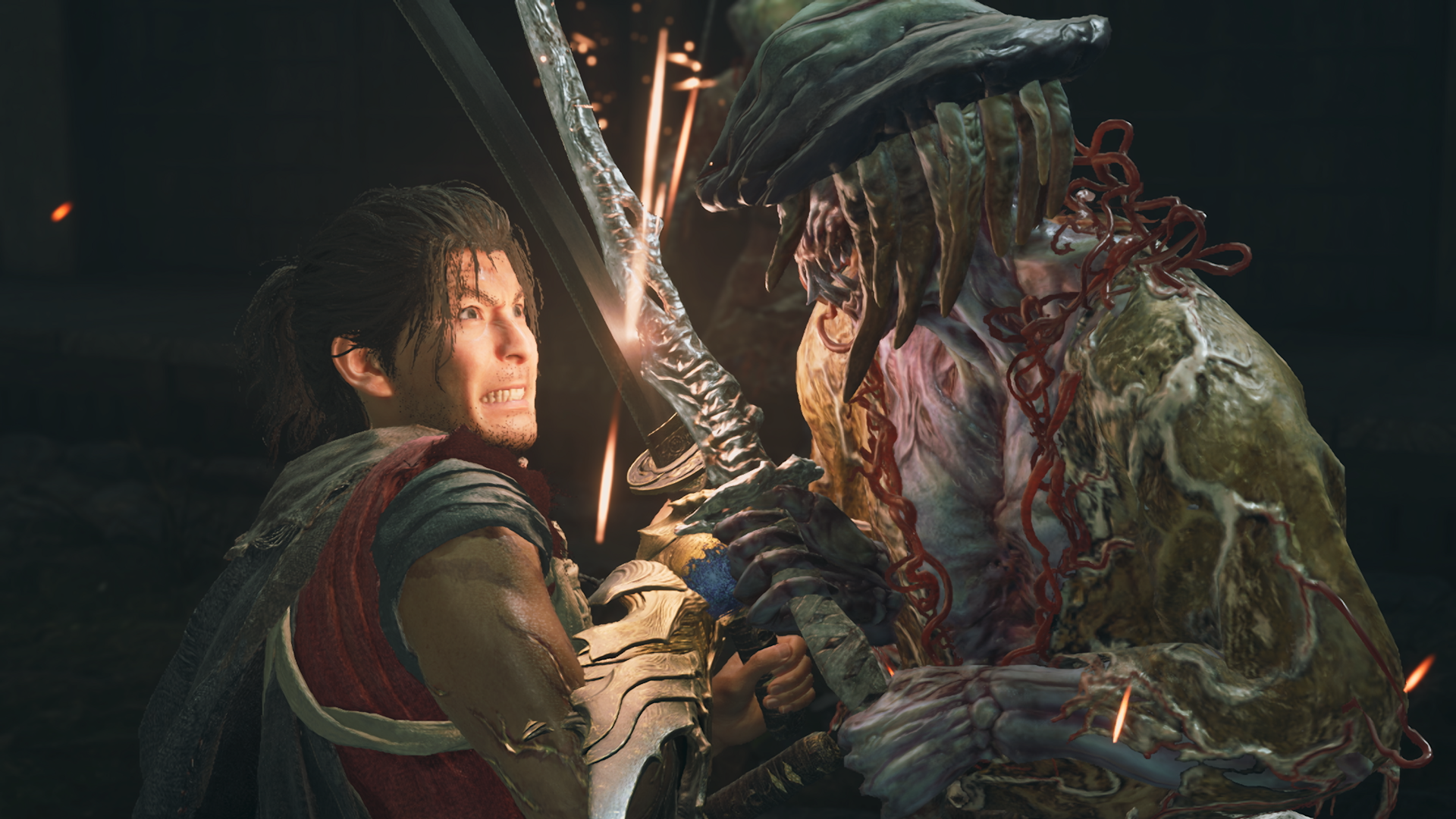
After a dormancy spanning two decades, Capcom’s legendary Onimusha franchise is finally preparing to step out of the shadows. Following a world-exclusive hands-on preview at the publisher’s corporate headquarters in Osaka, Japan, industry focus has turned sharply toward Onimusha: Way of the Sword. At the heart of this long-awaited revival is a commitment to historical authenticity, grounded martial arts choreography, and bleeding-edge game development technology.
Putting the legendary sword master Miyamoto Musashi—a historical figure renowned for winning over 60 duels during his lifetime—at the center of the narrative means Capcom faces an unprecedented standard for sword-fighting mechanics and animations. During an exclusive deep-dive interview, Animation Director Hiroshi Yugen detailed the meticulous, multi-tiered approach the development team took to resurrecting the franchise. Utilizing Capcom’s state-of-the-art motion capture facilities and collaborating with elite stunt choreographers, Way of the Sword is positioning itself not just as a nostalgia-driven sequel, but as a technical masterclass in digital swordplay.
Detailed Chronology: From Concept to Engine Integration
The journey of bringing Onimusha: Way of the Sword to life did not begin in a digital vacuum. Instead, it started with extensive historical research and physical exploration by Capcom’s development team.
Step 1: Self-Study and Research
According to Animation Director Hiroshi Yugen, the preliminary phase of development requires an internal education process. "When we get to making action in our games, the first step is always kind of self-study and learning about how to do these things and how to use these things," Yugen explains. Before a single polygon is modeled or a line of code is written, the team conducts deep research into the historical realities of samurai combat, weapon weight distribution, and the specific legendary techniques associated with Miyamoto Musashi.
Step 2: Expert Collaboration
Recognizing the limitations of in-house design alone, Capcom sought out external industry specialists. The team partnered with Katsugekiza Motion Capture Studio, an organization widely celebrated for its expertise in sword-fighting choreography across major film and television productions. This collaboration ensured that the choreography would reflect genuine martial arts principles rather than exaggerated, purely cinematic flourishes.
Step 3: Translating Mechanics to Movement
Once the partnership was established, Yugen and the game’s directors briefed the stunt actors and coordinators on the specific game design requirements. This bridge between ludic mechanics and physical performance is crucial. Yugen notes that performers must understand the operational rules of the game engine—such as enemy attack vectors and positional logic—so that the recorded movements naturally complement the combat flow. For instance, in scenes where Musashi is ambushed by packs of ninjas, actors must carefully calculate spatial orientation, such as approaching specifically from the right-hand side to match designated gameplay parameters.
Step 4: Real-Time Engine Integration
Perhaps the most staggering element of the modern Capcom pipeline is the speed of iteration. Utilizing Capcom’s upgraded proprietary RE Engine—a technological powerhouse that has driven hits like Resident Evil and Devil May Cry—the team bridges the physical and digital divide almost instantaneously. Following physical rehearsal takes, stunt data is fed directly into the game engine. Developers can view, appraise, and revise motion capture data within the virtual environment moments after the physical performance concludes. This rapid-fire feedback loop allows for precise adjustments to frame data, hitboxes, and kinetic flow, ensuring the digital avatar’s blade reacts precisely as the stunt actor intended.
The technical ambition behind Onimusha: Way of the Sword is heavily supported by Capcom’s multi-million-dollar infrastructure investments in Osaka, Japan.
The Camera Array: Capcom’s state-of-the-art motion capture studio features an expansive network of over 150 high-definition, high-speed optical cameras. This dense camera array eliminates blind spots and captures sub-millimeter shifts in muscle movement, posture, and weapon trajectory during high-intensity choreography.
The Stunt Ecosystem: The integration of Katsugekiza Motion Capture Studio brings decades of cinematic stunt pedigree into a gaming environment. Stunt actors are equipped with full-body marker suits and weighted faux weapons meticulously balanced to mimic the heft of authentic historical katana and bokken (wooden swords).
The RE Engine Iteration: Originally debuted during the eighth console generation, Capcom’s RE Engine has undergone continuous modernization. For Way of the Sword, the engine handles complex inverse kinematics, realistic cloth and armor physics, and instant pre-visualization of motion-captured data, significantly cutting down traditional animation pipeline bottlenecks.
Official Statements and Quality Control
Achieving perfection in martial arts animation requires a strict hierarchy of quality control, coupled with a deep respect for the physical craft. When asked about the final sign-off process for motion capture takes, Yugen emphasized a collaborative yet rigorous filtering system.
"Ultimately the decisions all come down to the game’s director. He’s the one that gets the final sign-off," Yugen states.
However, the pursuit of authenticity extends far beyond executive approvals. Yugen highlighted instances where the development team was fully satisfied with a stunt performance, only for the actors themselves to demand a retake.
"Even from the actors, there are cases where we’ve been happy with the performance, but the actors themselves are not satisfied. They’re like, ‘No, no, no, that wasn’t right. I’ve got to do this again.’ And so there are many cases where they will keep doing more and more takes until everyone is satisfied."
This uncompromising dedication from both the Capcom design team and the external stunt professionals underscores the cultural weight of reviving the Onimusha name. Every slash, parry, and counter-attack is scrutinized not just for mechanical utility, but for visceral and historical integrity.
Future Outlook: A New Era for Samurai Action
As Onimusha: Way of the Sword moves closer to its eventual release, early impressions from hands-on previews paint an extremely promising picture. The synthesis of historical research, Hollywood-grade stunt choreography, and Capcom’s advanced RE Engine capabilities suggests that the twenty-year wait for a franchise revival will have been thoroughly justified.
For fans of classic hack-and-slash action, tactical depth, and Japanese folklore, Way of the Sword is shaping up to be a landmark title of the current hardware generation. By respecting the legacy of the original PlayStation 2 classics while fearlessly embracing modern technological pipelines, Capcom is proving that master-class swordplay never truly goes out of style.
For deeper insights into the development of Onimusha: Way of the Sword, enthusiasts can explore exclusive video previews and upcoming print features detailing Capcom’s ambitious return to the Sengoku period.