Building Nostalgia: How a Fan-Designed LEGO Earthworm Jim Concept is Capturing the Retro Gaming Community’s Imagination
Executive Overview
For millions of gamers who grew up in the golden age of 16-bit console wars, the 1990s were defined by a distinct brand of edgy, eccentric, and occasionally absurd platforming mascots. While plumbers, hedgehogs, and bandicoots dominated the landscape, few characters carved out a legacy as uniquely bizarre as Earthworm Jim. Created by Doug TenNapel and brought to life by Shiny Entertainment, the high-flying, plasma-blasting annelid debuted on the Sega Mega Drive/Genesis in 1994, introducing players to a universe populated by space cows, villainous crows, and gravity-defying hair-whips.
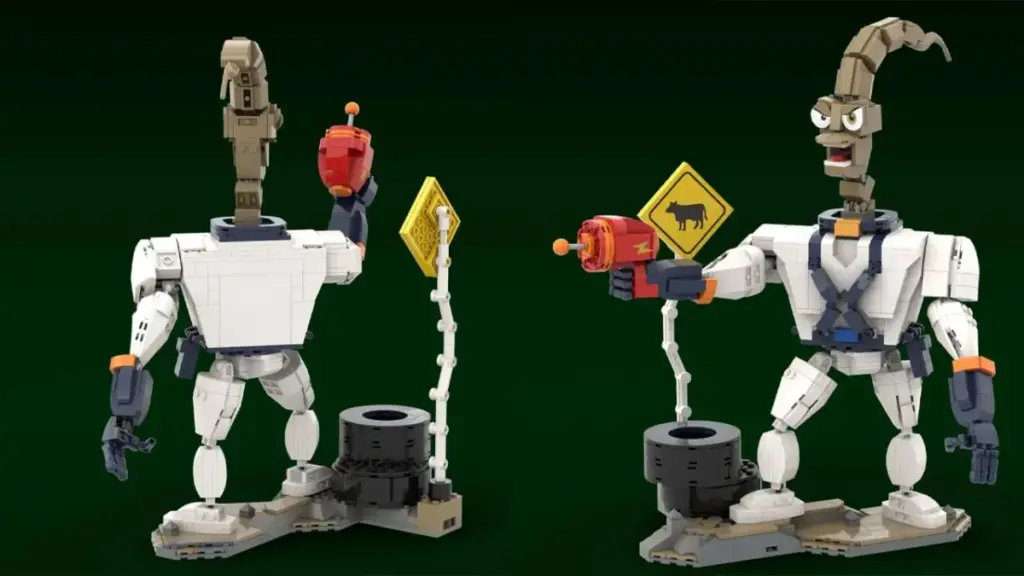
Now, more than three decades after his initial debut, the grooviest invertebrate in gaming history is experiencing a blocky resurgence. A dedicated builder and LEGO Ideas member operating under the handle lem.designs has conceptualized a fully realized, highly detailed LEGO set honoring the iconic hero. The proposal bridges the gap between classic retro gaming memorabilia and premium brick architecture, offering collectors a chance to immortalize New Junk City’s most famous resident in plastic.
First published on the crowdsourcing platform in August 2026, the project has quickly gathered momentum within the online collector community. While the road to official LEGO production is famously arduous—requiring a rigorous validation process through the LEGO Ideas ecosystem—this submission serves as a powerful reminder of the enduring cultural footprint left by 90s console gaming. This article explores the anatomy of the build, the mechanics of the LEGO Ideas platform, the rich history of the intellectual property, and what it will take to transition this fan-made marvel from digital concept art to an official retail box on store shelves.
Detailed Chronology: From Pixelated Annelid to Plastic Masterpiece
To understand the magnitude of the Earthworm Jim LEGO proposal, one must first retrace the timeline of the franchise and the steady evolution of lem.designs’ creative endeavor.

The Genesis of a Cult Classic (1994–1996)
In 1994, Shiny Entertainment released Earthworm Jim, a side-scrolling platformer that stood apart through its hand-drawn animation, fluid movement, and surreal sense of humor. Voiced and animated by industry veterans, the game was a technical and artistic marvel of the 16-bit era. It spawned a critically acclaimed sequel, Earthworm Jim 2 (1995), which many purists consider the apex of the series, mirroring the way Sonic the Hedgehog 2 refined its predecessor’s formula. The franchise quickly expanded beyond interactive software, yielding an animated television series, action figures, comic books, and a dedicated global fanbase.
Conceptualization and Digital Design (Mid-2026)
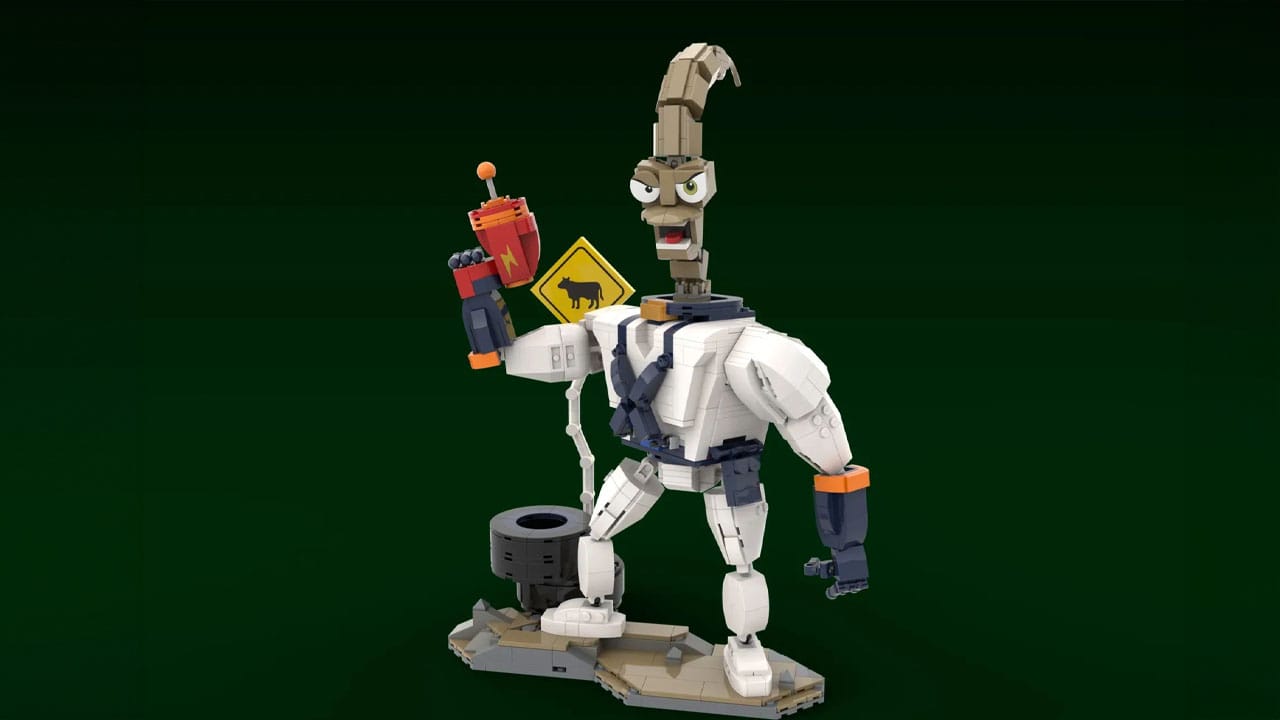
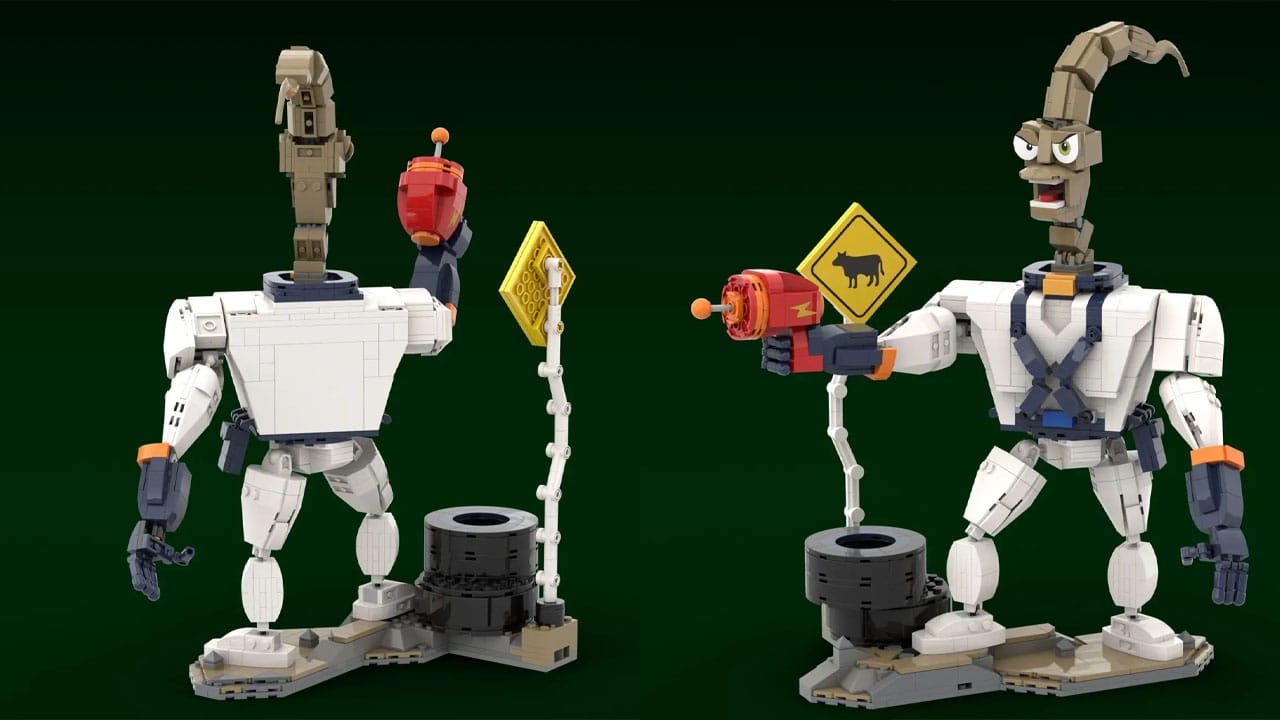
Decades later, the mantle of keeping the franchise’s spirit alive has shifted to fan communities and independent creators. In August 2026, builder lem.designs uploaded a comprehensive pitch to the LEGO Ideas portal. According to the creator, the most grueling and pivotal phase of the project was designing Jim’s distinctive, cartoonish head. Translating the erratic, rubber-hose animation style of 90s cartoons into a rigid, geometric medium like LEGO bricks required extensive prototyping and clever parts usage.
By utilizing carefully selected curved elements and color blocking, lem.designs successfully captured Jim’s trademark expression, oversized eyes, and heroic chin. The build extends downward into his iconic hyper-suit, complete with its signature white-and-red color scheme, mechanical gloves, and the segments of worm anatomy peeking out from the armor.
The Launch on LEGO Ideas (August 2026)
The submission went live on the LEGO Ideas platform in the third week of August 2026. Within its first five days online, the project secured an encouraging baseline of early supporters, validating the market appetite for niche 90s retro gaming crossovers. The campaign now faces the ultimate test of community mobilization: scaling the towering legislative hurdles required by the LEGO Group’s crowdsourcing architecture.

Supporting Context & Metrics: The Mechanics of LEGO Ideas
For uninitiated fans wondering how a fan-made concept transforms into a globally distributed collector’s item, understanding the inner workings of the LEGO Ideas ecosystem is vital.
The LEGO Ideas Pipeline
LEGO Ideas functions essentially as a democratic talent agency for toy design. Anyone around the world can submit digital renderings or physical prototypes of original or licensed builds. However, getting a concept noticed requires navigating a strict tiered threshold system:
- Initial Submission & Moderation: Concepts are vetted for IP compliance, structural integrity, and brand safety.
- The 1,000-Vote Milestone: Upon publication, creators have 60 days to garner their first 1,000 supporters. Reaching this milestone earns the project a vital extension, granting the builder an additional year (365 days) to accumulate further momentum.
- The 5,000-Vote Milestone: Passing halfway unlocks secondary review considerations and visibility boosts within the community hub.
- The 10,000-Vote Golden Threshold: This is the ultimate crucible. Once a project amasses 10,000 verified votes from registered users, it is automatically locked into the official LEGO Review Phase.
Current Campaign Metrics for Earthworm Jim
- Launch Date: August 2026
- Initial Velocity: 214 verified supporters within the first 5 days.
- Time Remaining for Tier 1: Ample runway remaining to cross the initial 1,000-vote barrier well ahead of schedule.
- Target Audience: Nostalgia-driven collectors, adult fans of LEGO (AFOLs), retro gaming enthusiasts, and millennial consumers with disposable income seeking high-end display pieces.
Engineering a Display-First Architecture
Unlike traditional playsets engineered for rough-and-tumble child’s play, lem.designs explicitly positioned the Earthworm Jim proposal as an upscale display model. The physical engineering prioritizes aesthetic fidelity and poseability.
While the structural core is rigid enough to support its own weight without compromising the character’s signature slouch, strategic ball-and-socket joints built into the neck, shoulders, and hips allow collectors to dynamically repose the figure. Whether users want to recreate Jim mid-blaster-draw, dangling his head downward like a literal invertebrate, or striking a triumphant victory pose reminiscent of the game’s box art, the articulation matrix accommodates multiple display configurations.

Official Statements and Creator Insights
The creative process behind building a beloved character out of thousands of interlocking plastic pieces is rarely straightforward. In interviews and project documentation shared via the LEGO Ideas platform, lem.designs elaborated on the aesthetic challenges and triumphs encountered during the build’s development:
"My favourite part of the build was designing Jim’s head and finding ways to recreate his cartoonish expression using LEGO elements," lem.designs noted in their official project brief. "Capturing that unmistakable look was the biggest challenge of the project and ultimately the most rewarding part of the design process."
The difficulty lies in the fact that Earthworm Jim is defined by exaggerated anatomy—a tiny, flexible body housed inside a rigid, oversized robotic space suit, topped with a head that defies conventional geometry. Standard LEGO minifigures or brick-built character busts rarely possess the specific curve language needed to mimic 1990s cel-animated character design. By experimenting with inverted slopes, hinge plates, and clever layering, the creator achieved an organic aesthetic that manages to look convincingly flexible despite being built entirely from rigid acrylonitrile butadiene styrene (ABS) plastic.
Retro Dodo founder and community advocate Sebastian Santabarbara echoed the sentiment, emphasizing the cultural resonance of the project:
"I think every retro gamer has probably spent some time in Earthworm Jim’s world at some point during their lives… This set oozes more nostalgia than Jim’s mate Snott, and I really hope we can make it a reality by rallying behind lem.designs and getting the set over the line."
Future Outlook: Can the Groovy Hero Make It to Store Shelves?
While the digital renderings showcase a breathtaking piece of gaming memorabilia, the journey from a web page concept to an instruction manual and shrink-wrapped box is fraught with logistical and corporate challenges.
Overcoming the IP Hurdle
The single largest obstacle facing any licensed LEGO Ideas set is intellectual property ownership. Even if lem.designs successfully amasses the required 10,000 votes, the LEGO Group’s internal review board must negotiate rights agreements with the current legal owners of the Earthworm Jim intellectual property. Because video game rights have shifted through various corporate hands over the decades—including Interplay Entertainment, Interplay’s various holding entities, and licensing agreements involving original creators—clearing the commercial runway requires corporate cooperation that extends far beyond consumer enthusiasm.
Recent Precedents in Gaming LEGO
However, the climate for video-game-inspired LEGO sets has never been more favorable. In recent years, official partnerships have brought franchises like Super Mario, The Legend of Zelda, Sonic the Hedgehog, Horizon Zero Dawn, Minecraft, and Pac-Man directly into the LEGO catalog. Sets aimed specifically at adult collectors—such as the massive NES console build or the retro Atari 2600 replica—prove that corporate leadership is increasingly willing to greenlight projects that appeal directly to the nostalgic spending power of 80s and 90s kids.
How Fans Can Participate
For those wishing to see this blocky worm leap from a fan-art portfolio into an official commercial product, the path forward is straightforward and completely free. Supporters can navigate to the official LEGO Ideas portal, log into a free LEGO account, and click the "Support" button to register their vote.
As the campaign continues its march toward the coveted 10,000-vote milestone, the retro gaming community has once again proven that while pixels may fade and consoles may gather dust, the fondness for truly innovative 90s classics remains indestructible. Whether this campaign ultimately prompts Billund’s master builders to sign off on a production run or simply serves as a testament to fan creativity, it stands proudly as a love letter to one of the most eccentric heroes the medium has ever produced. Groovy!