The Evolution of a Legend: Inside the Pokémon Dark Rising Remake and the Unstoppable Rise of ROM Hacking
Executive Overview
For over a decade, the Pokémon ROM hacking community has served as a testament to the boundless creativity, technical ingenuity, and enduring passion of fan developers. Among the sprawling catalog of custom adventures, few titles loom as large as Pokémon Dark Rising. Originally released 14 years ago by creator DarkRisingGirl, the game quickly captured the imagination of the global player base thanks to its uncompromising difficulty, sprawling narrative, and unique mechanical twists.
Now, in 2026, the legacy of that fan-made milestone has been dramatically reshaped. Developer and community stalwart Lord Lucario has officially launched the Pokémon Dark Rising Remake, breathing modern life into a foundational classic. Built as a comprehensive overhaul of the original Pokémon FireRed source code, this modern reimagining is far more than a simple visual touch-up. It is a ground-up reconstruction that introduces over 650 catchable Pokémon, dynamic Mega Evolutions, craftable Mega Stones, brand-new regional mapping, and customizable character outfits.
As the boundaries between official Nintendo releases and fan-driven ingenuity continue to blur, the release of the Dark Rising Remake highlights a golden era for retro gaming preservation and modification. This report explores the chronological origins of the project, examines the extensive new features that define the 2026 release, analyzes the socio-cultural impact of the ROM hacking community, and looks ahead to what this means for the future of independent game preservation.

Detailed Chronology: From 2012 Genesis to 2026 Masterpiece
To understand the magnitude of the Pokémon Dark Rising Remake, one must first contextualize the turbulent, brilliant history of the original release.
The 2012 Era: The Birth of a Legend
In the early 2010s, the Pokémon ROM hacking scene was primarily defined by moderate expansions of Generation III games (Ruby, Sapphire, Emerald, FireRed, and LeafGreen). Creators were just beginning to push the limits of assembly hacking and script editing. Amidst this backdrop, DarkRisingGirl released the original Pokémon Dark Rising.
Right out of the gate, the game established a reputation for distinct characteristics:

- Intense Difficulty: Unlike the approachable core series titles produced by Game Freak, Dark Rising was notoriously brutal, punishing unprepared players with tightly tuned enemy teams and high-level bosses.
- An Ambiguous, High-Stakes Narrative: Players began their journey not merely as a fresh-faced youth earning gym badges, but as a chosen individual thrust into a cosmic prophecy. Awakened by a prophetic dream in which a mysterious Pokémon selects them to save both the realm and humanity, the protagonist’s primary personal objective is tangled with a desperate search to rescue their missing father.
- The Dragon-Type Revolution: Breaking with series tradition, the game introduced players to a suite of Dragon-type starters, fundamentally altering early-game strategies and setting an epic tone for the journey through the Core region.
The Long Road to 2026: Passing the Torch
While the original Dark Rising spawned sequels and spin-offs, time exposed the technical limitations of its decade-old framework. Bugs, balancing issues, and outdated visual assets left room for modernization. Recognizing the historical importance of the title, Lord Lucario stepped forward to spearhead a definitive modernization effort.
The development cycle of the Dark Rising Remake represents years of behind-the-scenes coding, sprite art redesigns, and map generation. By leveraging contemporary tools like Advance Map, Hex editing suites, and advanced de-compilation projects, Lord Lucario successfully ported the spirit of the 2012 original into a polished, contemporary engine. Released in mid-2026, the remake bridges the gap between nostalgic retro experiences and modern quality-of-life expectations.
Core Features and Gameplay Mechanics
The Pokémon Dark Rising Remake is not merely a nostalgia trip; it is a mechanical evolution designed to satisfy both veterans of the original 2012 release and newcomers discovering the Core region for the first time.

Reimagining the Core Region
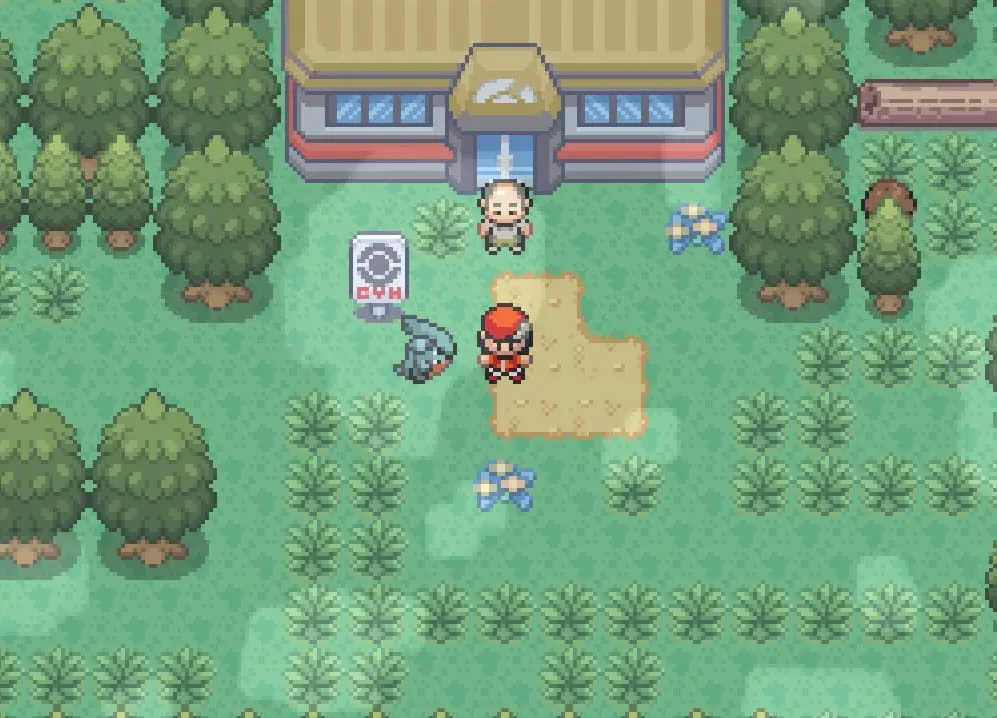
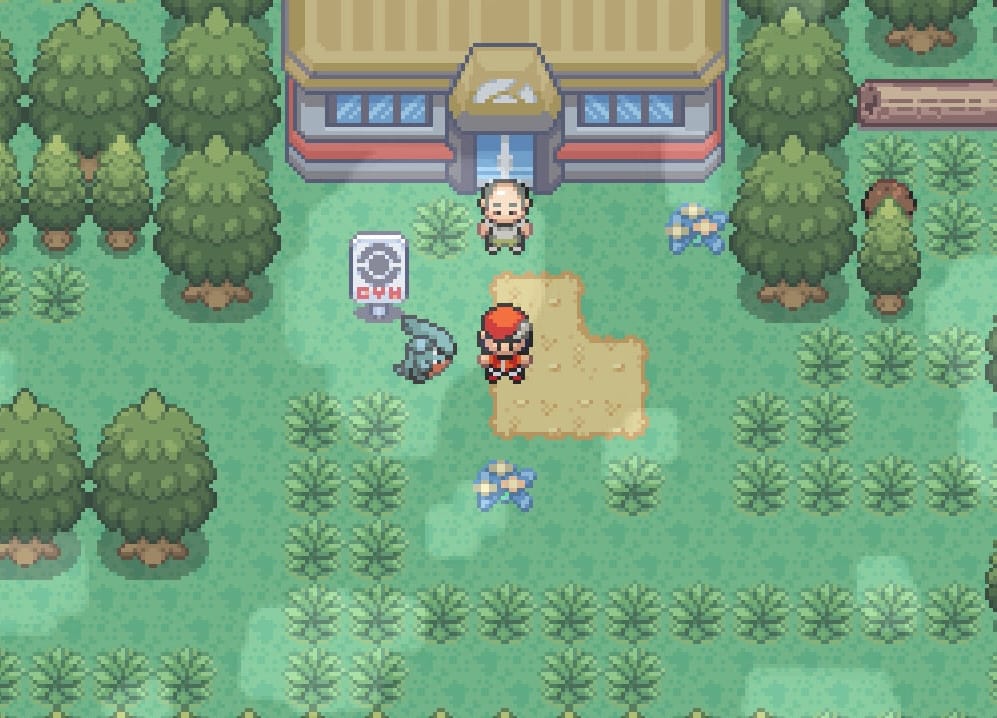
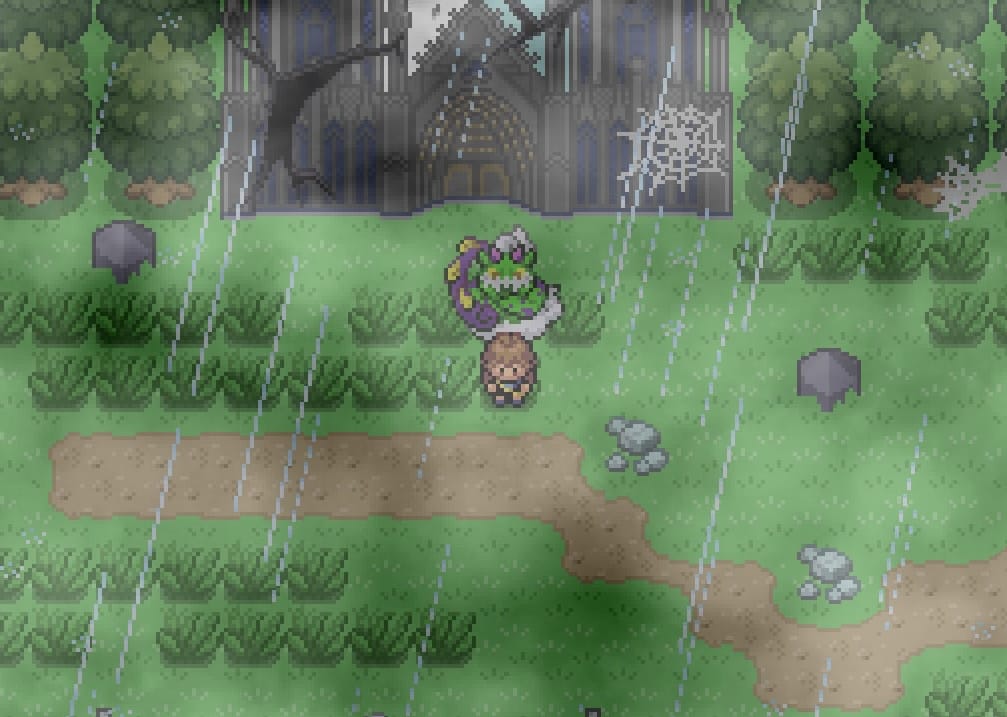
While the geographic layout of the Core region remains fundamentally familiar to seasoned players, the remake introduces entirely new maps that inject verticality, environmental diversity, and exploratory depth into the world. Cities feel more lived-in, routes offer hidden secrets and branching paths, and dungeons present genuine navigational puzzles rather than simple maze corridors.
Furthermore, the integration of multiple character outfits allows players to personalize their avatar’s appearance—a feature long requested by the community and absent from standard Generation III architecture.
Expanded Pokédex and Mega Evolution Integration
One of the most staggering achievements of the remake is its roster size. Players can now encounter, battle, and capture over 650 Pokémon spanning multiple generations. This massive influx of creatures fundamentally alters team-building dynamics, allowing for unprecedented tactical versatility compared to the restrictive rosters of the original game.
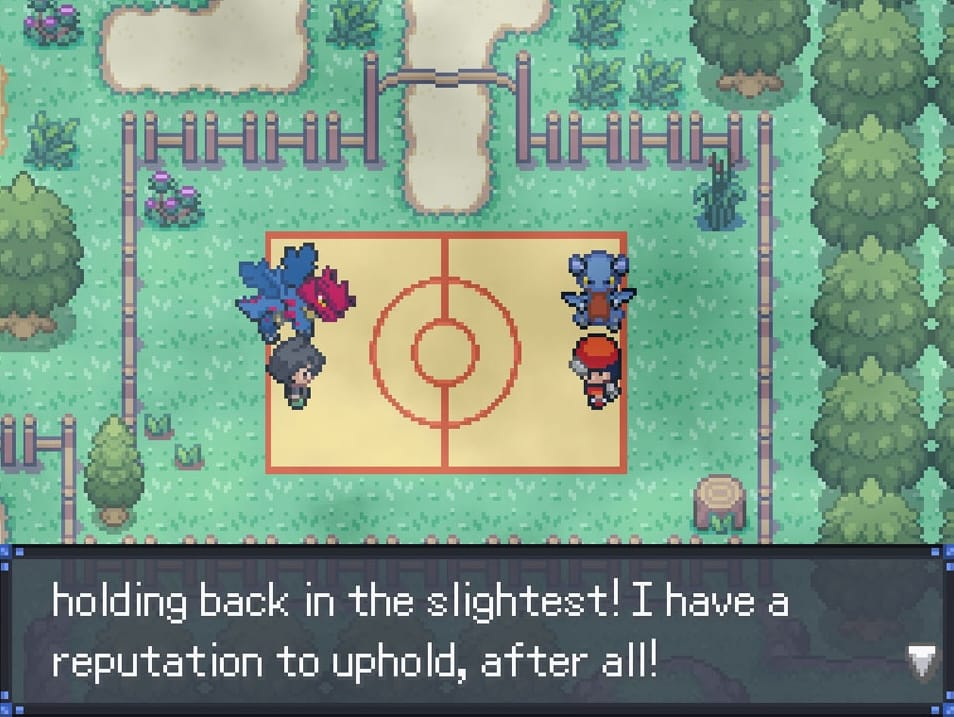
Crucially, the remake introduces Mega Evolutions to the engine. Players are no longer restricted to traditional evolutionary lines; they can unlock and utilize temporary, hyper-powerful transformations mid-battle. Adding a layer of crafting depth, the game introduces a system that allows players to create their own Mega Stones, tying resource management and exploration directly into combat optimization.
Supporting Context & Industry Metrics: The Scale of ROM Hacking
The release of the Dark Rising Remake occurs against a backdrop of explosive growth within the retro gaming modification and emulation community. Far from being a niche underground hobby, modern ROM hacking commands millions of active participants worldwide.
Community Engagement and Longevity
Data gathered from major community hubs like Eevee Expo, PokeCommunity, and dedicated Reddit forums reveals staggering statistics regarding fan-made projects:
- Longevity: Traditional retail games often experience a sharp drop in player engagement within months of release. In contrast, prominent ROM hacks like Dark Rising maintain active communities spanning over a decade, driven by continuous updates, speedrunning events, and community-made challenge runs.
- Content Volume: Modern overhaul hacks routinely rival or exceed the length of official mainline releases, often featuring 40 to 60 hours of gameplay, multiple regions, and custom post-game content.
- Collaborative Ecosystems: Projects like the Dark Rising Remake are rarely solo endeavors. They rely on open-source libraries of tilesets, custom music tracks (utilizing tools like Mid2Agb), and rigorous beta-testing teams that mirror indie game development studios.
The Preservation Paradox
While companies like Nintendo maintain strict legal stances against unauthorized distribution of copyrighted binary files, cultural historians increasingly view ROM hacks and fan remakes as vital acts of digital preservation. By taking abandoned, un-patchable, or mechanically dated fan projects and updating them for modern hardware (such as retro handhelds powered by AmberElec or OnionOS), developers like Lord Lucario ensure that gaming history remains interactive and accessible.
Future Outlook: What Next for the Dark Rising Universe?
The successful launch of the Pokémon Dark Rising Remake raises fascinating questions about the trajectory of fan-made game development.
Setting a New Benchmark for Remakes
For years, the gold standard of Pokémon ROM hacking was defined by total conversion projects like Pokémon Gaia or Pokémon Unbound. By taking a beloved, flawed classic and applying modern design sensibilities to it, Lord Lucario has demonstrated that historical preservation through a remake is entirely viable. We can expect other legendary historical hacks from the 2010s to receive similar treatment in the coming years, as younger generations of programmers master the intricacies of Gen III and Gen IV de-compilations.
The Hardware Synergy
The timing of the Dark Rising Remake coincides with a booming market for vertical and horizontal retro handheld consoles. Players are no longer tethered to PC emulators; they are experiencing these sprawling, 650-Pokémon adventures on dedicated Linux-based pocket devices during commutes, lunch breaks, and travels. This seamless integration between modern community-driven software and portable retro hardware guarantees that the digital footprint of projects like Dark Rising will continue to expand.
Conclusion
Fourteen years after DarkRisingGirl first conceptualized a world where a chosen trainer must save reality alongside a roster of fierce Dragon-type partners, the journey has been reborn. Through the dedication of Lord Lucario and the collaborative spirit of platforms like Eevee Expo, Pokémon Dark Rising Remake stands as a monumental achievement in grassroots game development. It proves that while official corporate franchises may dictate the canon, the true spirit of gaming is forever shaped by the communities who refuse to let their favorite worlds fade into darkness.