The AI "Memory Apocalypse": Inside the Desperate Hardware Bundles Defying a Stagnant PC Market
Executive Overview
The global consumer PC hardware market is facing an unprecedented structural crisis. Driven by relentless corporate demand for AI infrastructure, soaring memory and storage costs have sent component prices skyrocketing, effectively pricing out the average consumer. Multiple industry research firms have tracked a sharp contraction in worldwide PC shipments, projecting double-digit declines that disproportionately batter the entry-level and budget segments.
Now, this macro-level crisis is manifesting in bizarre micro-market phenomena. Nowhere is this more apparent than in Taiwan, a primary nerve center for computer hardware retail. As captured by hardware investigator Uniko’s Hardware and highlighted on social media platforms, major e-commerce platforms like PChome24h are deploying desperate sales tactics to clear stagnant inventory. Retailers are listing astronomical hardware bundles pairing ultra-high-end graphics cards—specifically flagship Nvidia GeForce RTX 5090 models—with staggering quantities of "freebie" components, including mid-range GPUs, high-end motherboards, power supplies, and processors.
These monolithic bundles, often retailing between $7,500 and $8,500 USD, expose a grim reality: everyday PC building has stalled. Retailers are forced to bundle mountains of slow-moving hardware with halo products just to inject liquidity into a frozen market, exposing a profound disconnect between corporate AI-driven tech booms and everyday consumer hardware accessibility.
Detailed Chronology: How the "Memory Apocalypse" Altered the Retail Landscape
To understand why retailers are resorting to multi-thousand-dollar bundles featuring a single flagship graphics card paired with up to seven motherboards and secondary GPUs, one must trace the timeline of the current hardware crunch.
The Spark of the AI Data Center Boom (2023–2024)
The roots of the current crisis trace back to the explosive commercialization of generative artificial intelligence models. Hyperscale cloud providers, enterprise tech giants, and AI startups began gobbling up advanced silicon at an unprecedented rate. High-bandwidth memory (HBM) and enterprise-grade dynamic random-access memory (DRAM) became the most sought-after commodities in the technology sector.
Silicon foundries and memory manufacturers—including giants like SK Hynix, Samsung, and Micron—pivoted their production lines aggressively away from consumer-grade DDR4 and DDR5 memory modules to satisfy lucrative enterprise AI contracts. This strategic pivot created an immediate supply squeeze in the consumer market.
The Spillover Effect on Consumer Components (2025)
By the time the next generation of consumer graphics hardware and platforms began rolling out, the collateral damage was severe. The scarcity of high-speed memory modules cascaded down the supply chain, inflating the base manufacturing costs of graphics cards, motherboards, and solid-state drives.
Consumers attempting to piece together mid-range gaming rigs found themselves facing unexpected price inflation. Enthusiasts delayed upgrades, and casual builders abandoned custom PC construction altogether. Consequently, lower- and mid-range components—motherboards, power supplies, and entry-to-mid-tier GPUs—began gathering dust on warehouse shelves. Retailers who had over-ordered inventory to hedge against previous supply chain disruptions suddenly found themselves sitting on capital-draining stock with no buyers.
The Breaking Point: The RTX 50-Series Mega-Bundles (Mid-2026)
By mid-2026, the situation reached a boiling point. The launch of Nvidia’s flagship GeForce RTX 5090 series brought immense enthusiast interest, but the astronomical cost of the cards—combined with the broader economic chill gripping the consumer market—meant that even high-end buyers were selective.
Seizing an opportunity to offload choked inventory, Taiwanese e-commerce giant PChome24h introduced bizarre, highly publicized product bundles. Instead of selling high-demand items individually or at standard market rates, retailers began fusing flagship GPUs with massive surpluses of motherboards, power supplies, and secondary graphics cards. What started as an amusing curiosity shared by tech sleuths on social media quickly transformed into a stark case study of a retail sector in distress.
Supporting Context & Metrics: Breaking Down the Mega-Bundles
A closer examination of the bundles discovered on PChome24h reveals the sheer volume of surplus hardware retailers are trying to flush out of their systems. While priced in New Taiwan Dollars (NTD), converting these packages to USD (at an approximate exchange rate of NTD 32.25 = $1) reveals the massive scale of these transactions.
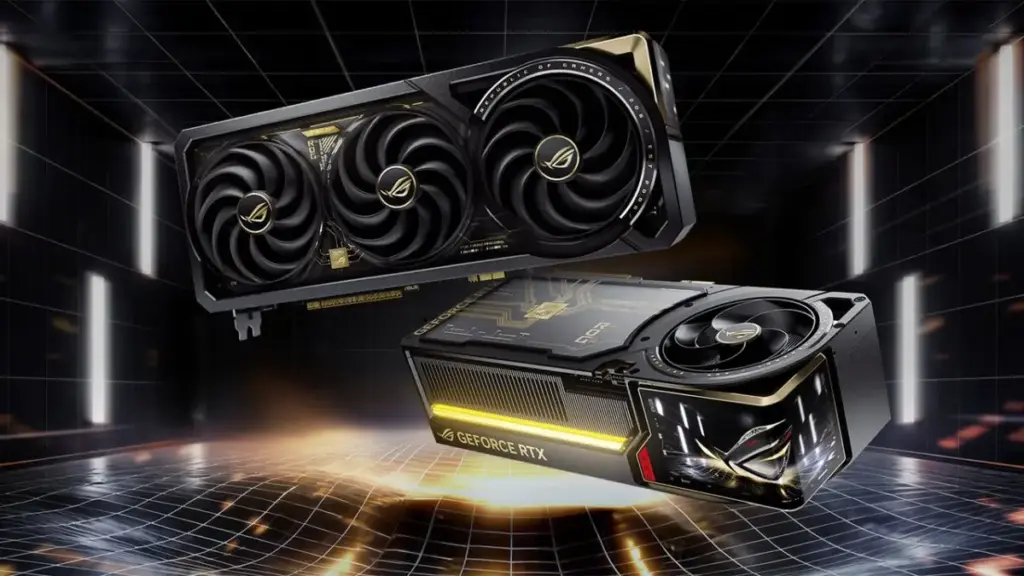
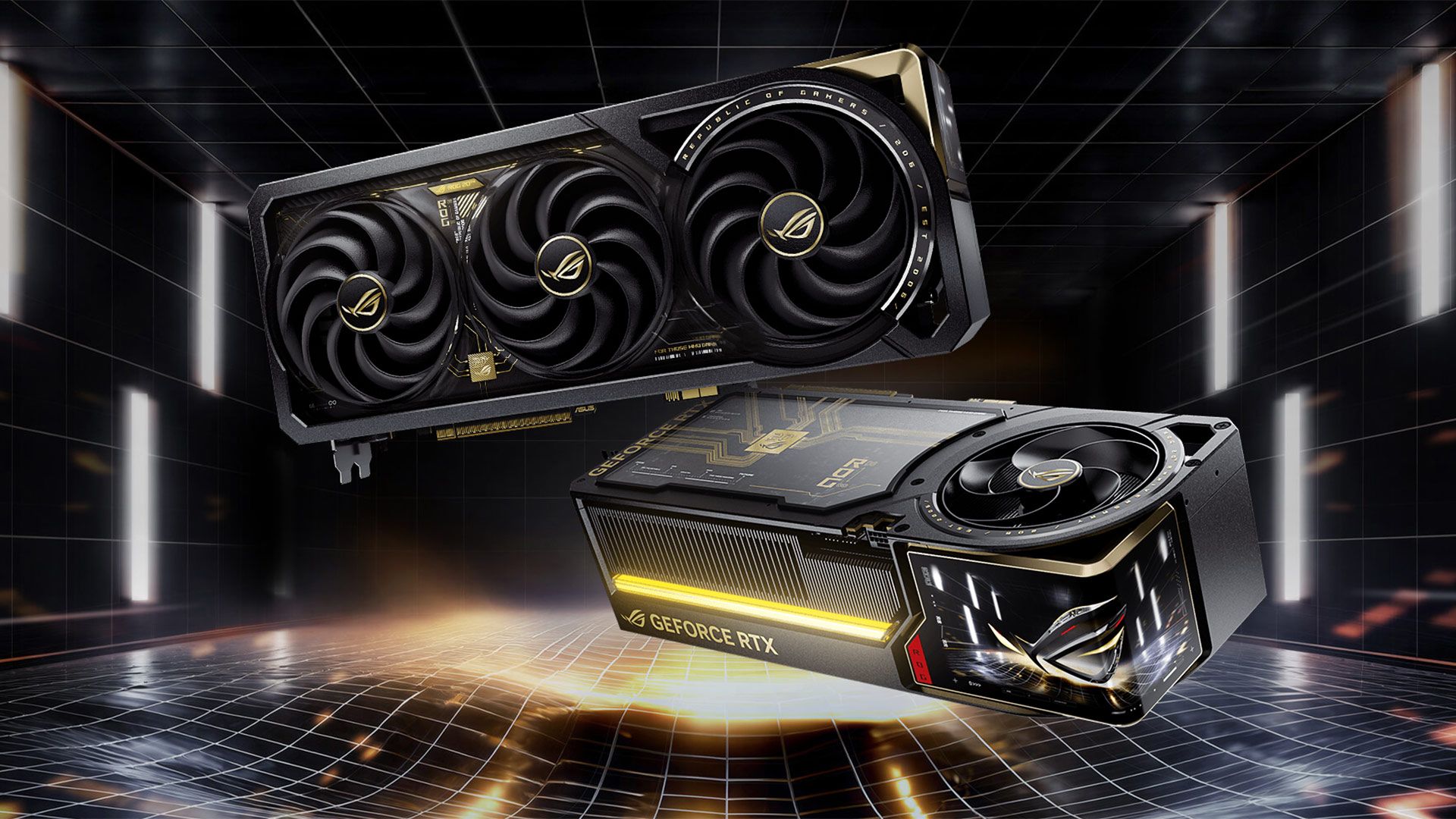
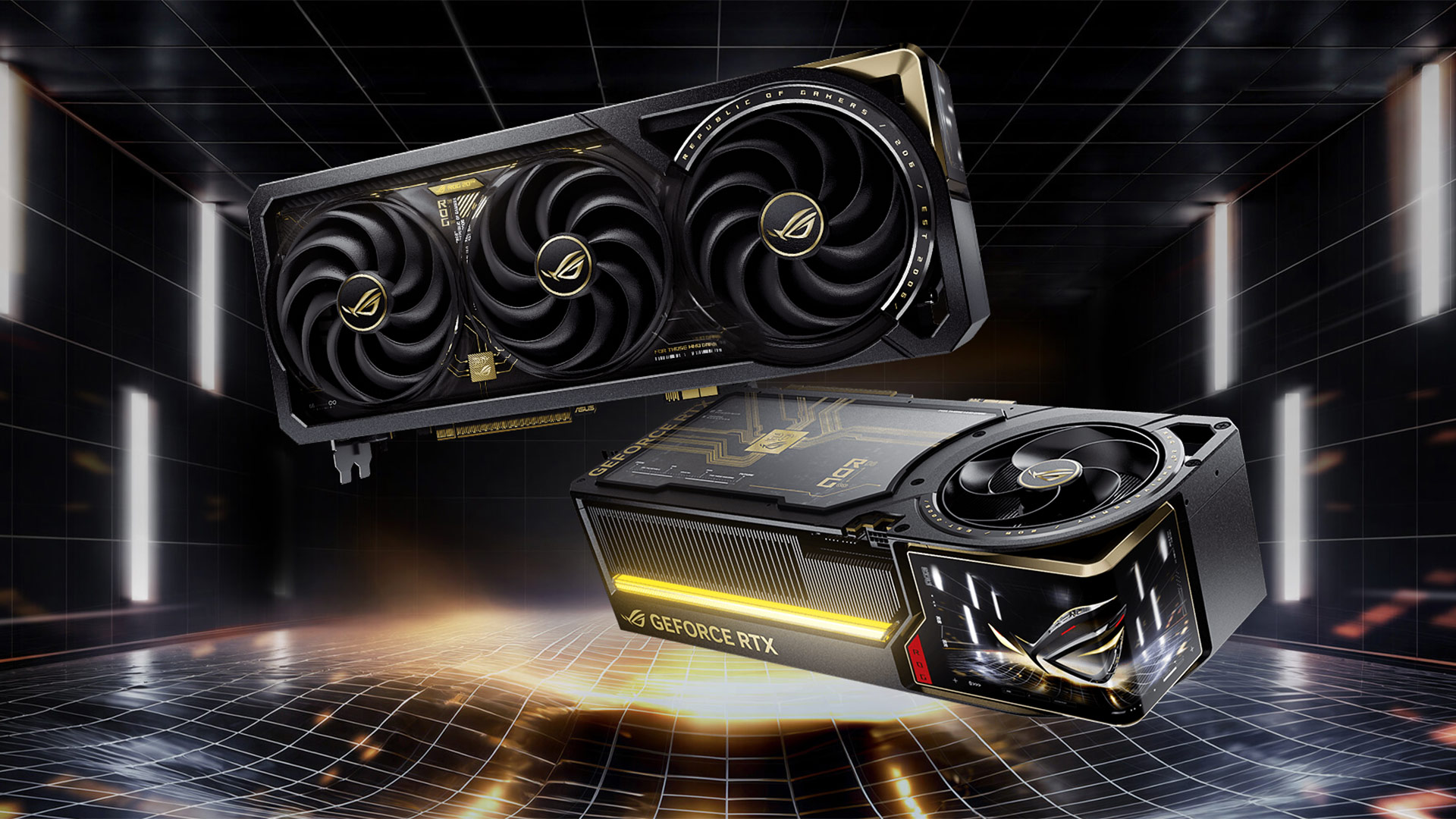
1. The Asus ROG Astral GeForce RTX 5090 Combo
- Combo Price: NTD 248,990 (~$7,720.62 USD)
- Key Inclusions:
- 1x Asus ROG Astral GeForce RTX 5090 (Estimated US Unit Price: $4,829.00)
- 4x Asus Dual Radeon RX 9060 XT GPUs (Estimated US Unit Price: $79.00 each / Total: $316.00)
- Total Estimated Component Value: ~$5,145.00 USD (excluding the additional markup for bundling and local taxes).
2. The Gigabyte Aorus RTX 5090 Master Combo
- Combo Price: NTD 241,290 (~$7,481.86 USD)
- Key Inclusions:
- 1x Gigabyte Aorus RTX 5090 Master ($4,995.00)
- 2x Gigabyte B860M Gaming X WiFi6E Motherboards ($169.99 each / Total: $339.98)
- 1x Gigabyte Aorus Elite P1000W Power Supply ($299.56)
- 1x Gigabyte X870E Aorus Master Motherboard ($589.99)
- 5x Gigabyte B850M Force WiFi6E Motherboards ($199.10 each / Total: $995.50)
- Total Estimated Component Value: ~$7,220.03 USD.
3. The MSI GeForce RTX 5090 Gaming Trio OC Combo
- Combo Price: NTD 274,090 (~$8,498.91 USD)
- Key Inclusions:
- 1x MSI GeForce RTX 5090 Gaming Trio OC ($4,799.00)
- 3x MSI MPG X870E Carbon WiFi Motherboards ($379.99 each / Total: $1,139.97)
- 2x MSI B650M Gaming Plus WiFi Motherboards ($232.30 each / Total: $464.60)
- 1x AMD Ryzen 9 9950X3D Processor ($599.00)
- Total Estimated Component Value: ~$7,002.57 USD.
4. The Gigabyte Aorus RTX 5090 AI Box Combo
- Combo Price: NTD 267,090 (~$8,281.86 USD)
- Key Inclusions:
- 1x Gigabyte Aorus RTX 5090 AI Box External Graphics Card ($4,499.99)
- 1x Gigabyte X870E Aorus Master Motherboard ($589.99)
- 2x Gigabyte GeForce RTX 5060 Gaming OC 8G GPUs ($389.99 each / Total: $779.98)
- 3x Gigabyte B850M Force WiFi6E Motherboards ($199.10 each / Total: $597.30)
- Total Estimated Component Value: ~$6,467.26 USD.
Industry Analysis of the Numbers
These figures tell a clear story. Retailers are attaching up to seven motherboards or multiple secondary graphics cards to a single top-tier GPU purchase. While the total calculated value of the individual parts sometimes approaches or exceeds the package price depending on regional pricing and import tariffs, the consumer is forced into a massive capital outlay.
Instead of buying a single component tailored to their budget, buyers must absorb corporate dead stock. For the everyday gamer, builder, or enthusiast, dropping over $7,500 on an arbitrary collection of motherboards and secondary GPUs is entirely unviable.
Official Statements and Industry Market Research
The distress signals seen in Taiwanese e-commerce are echoed by comprehensive data from global technology market analysts. Major research firms have released alarming projections regarding the health of the consumer personal computer ecosystem.
The Omdia and Industry Analyst Reports
Recent tracking reports highlight that new PC purchases have experienced their sharpest drop in nearly three years. As memory, storage, and logic component prices bite into profit margins and consumer wallets, global hardware shipments have fallen by roughly 7 percent.
More concerning are the forward-looking models: analysts forecast a steep 14 percent contraction across the broader consumer PC market. Crucially, this contraction is hitting budget laptops, entry-level pre-builts, and DIY components the hardest. Market intelligence firms suggest that consumer demand is so suppressed by component inflation that the broader market is unlikely to experience a meaningful recovery or stabilization until closer to 2029.
Retailer Perspectives
While major hardware manufacturers like Nvidia, AMD, Intel, and board partners continue to post robust revenues driven by enterprise AI accelerators and data center contracts, consumer-facing retailers face a different economic reality.
Industry insiders note that electronic stores operate on tight inventory turnover rates. When consumer demand dries up due to macro-pricing pressures, warehousing costs mount. Retailers utilize forced-bundling strategies not to gouge customers maliciously, but as a last-ditch liquidity mechanism. By packaging slow-moving motherboards and mid-tier GPUs with halo products like the RTX 5090—items that still attract a small, affluent pool of buyers—retailers free up warehouse space and recover immobilized capital.
Future Outlook: Can the Consumer PC Market Recover?
The emergence of the RTX 5090 "mega-bundles" serves as a symptom of a deeper malaise within the technology sector. As long as the artificial intelligence boom commands the lion’s share of global semiconductor fabrication capacity and memory production, consumer hardware will remain an expensive secondary priority.
The Bifurcation of the PC Market
Industry observers predict a permanent or semi-permanent bifurcation of the PC hardware landscape:
- The Enterprise and Ultra-Enthusiast Tier: Fueled by AI workloads, high-end professional rendering, and deep-pocketed enthusiasts who remain insulated from inflationary pressures. Prices in this tier will remain high, but demand will persist.
- The Stagnant Consumer Tier: Comprising budget-conscious gamers, students, and everyday users who are increasingly priced out of custom builds. Many in this demographic are extending the lifecycles of older hardware (such as GTX 10-series, RTX 20-series, or early Ryzen platforms) or migrating entirely to mobile devices and cloud gaming platforms.
Path to Normalization
For the DIY PC building community to return to a state of healthy accessibility, several structural changes must occur. Semiconductor foundries must expand dedicated consumer-grade DRAM and flash storage manufacturing lines—a process requiring billions of dollars in capital expenditure and several years of lead time. Until supply catches up with the insatiable appetite of AI infrastructure, retail oddities like "buy one graphics card, get seven motherboards free" will remain the most vivid reminders of a market caught in the crossfire of a technological revolution.