Reimagining a Handheld Legend: Developer "2bitcrook" Breathes New Life Into 1989’s Super Mario Land with the Stunning 1 + ½ Demake/Remake
By Sebastian Santabarbara
Updated: August 6, 2026
Executive Overview
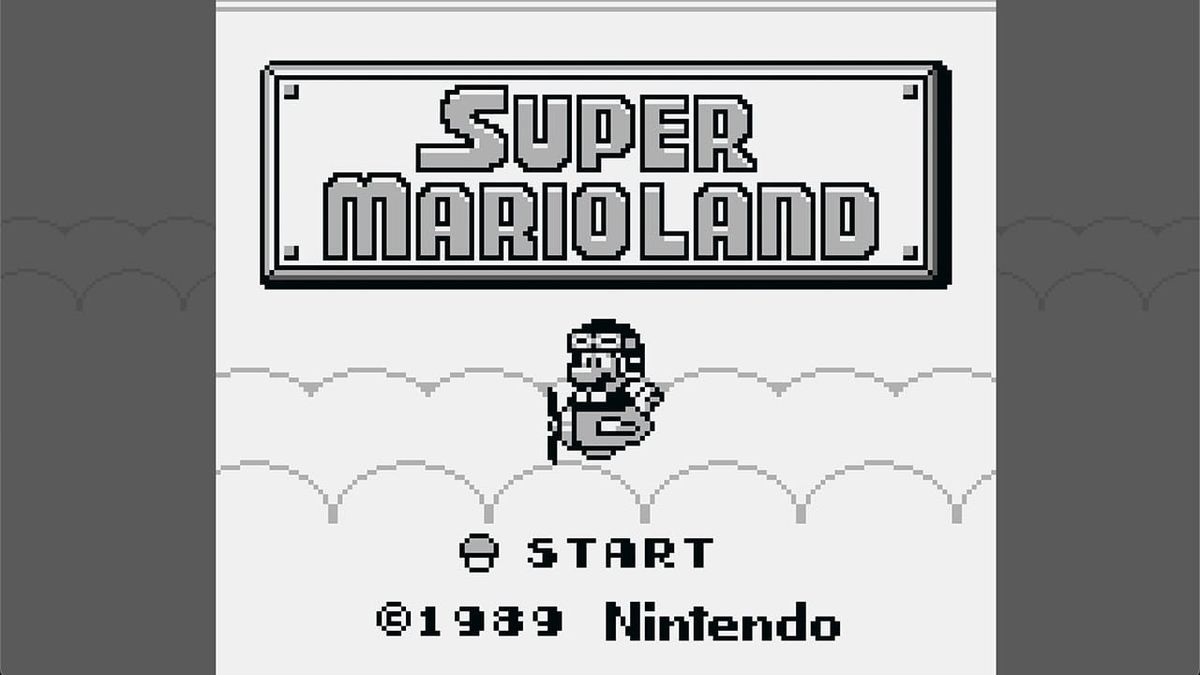
When Gunpei Yokoi and Nintendo’s Research & Development 1 (R&D1) team released Super Mario Land for the original Game Boy in 1989, it was nothing short of a technological marvel. Tasked with shrinking the monumental success of the Nintendo Entertainment System’s Super Mario Bros. onto a pocket-sized, monochrome LCD screen, Yokoi delivered an eccentric, delightfully strange adventure that cemented the Game Boy as a cultural juggernaut. It sold over 18 million copies, launched a portable dynasty, and introduced players to the realm of Sarasaland and Princess Daisy.
Yet, historical perspective has always been somewhat bittersweet for the original Super Mario Land. While its historical impact is absolute, its aesthetics and mechanics were rapidly eclipsed just three years later by its successor, Super Mario Land 2: 6 Golden Coins (1992). By the time the second installment arrived, Nintendo had mastered the grayscale hardware, offering larger sprites, smoother physics, world maps, a battery backup save system, and a more cohesive artistic direction that felt distinctly closer to the console-bound Mario titles.
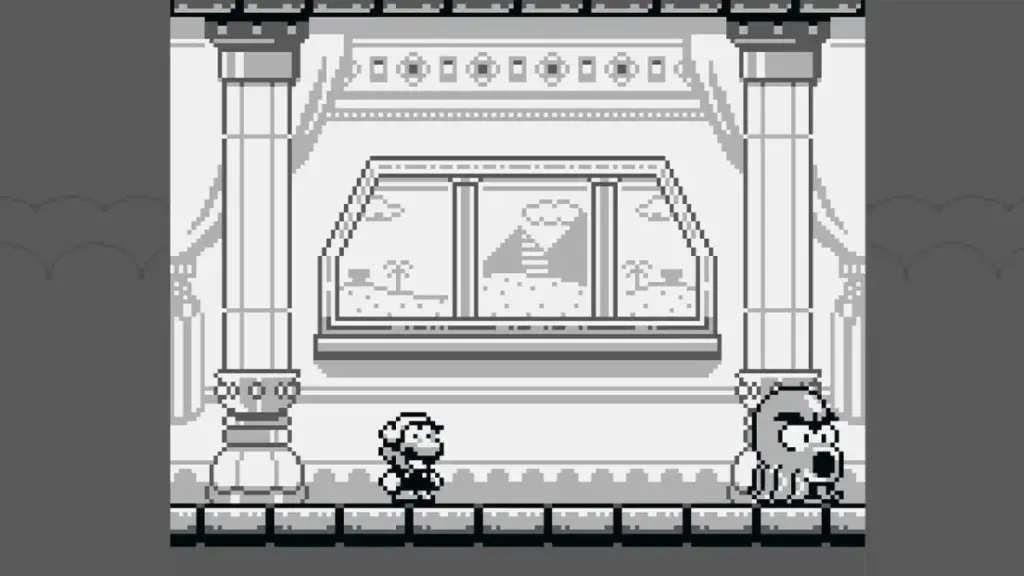
Now, decades later, the retro development community is stepping in to correct history. An indie developer and pixel artist known as 2bitcrook has unveiled Super Mario Land 1 + ½—a breathtaking technical showcase and playable browser experience that reimagines the first game through the polished visual and structural lens of 6 Golden Coins. Designed to operate under original Game Boy restrictions while cleverly leveraging the Game Boy Color’s enhanced CPU capabilities, this project serves as both a love letter to a bygone era and a masterclass in modern retro game modding.
In this comprehensive feature, we examine the genesis of this project, how it bridges the gap between two classic portable eras, the technical wizardry behind the build, and what this means for the ever-growing retro homebrew community.
Detailed Chronology: From Monochrome Beginnings to 16-Bit-Style Aspirations
To understand why Super Mario Land 1 + ½ is such a significant achievement for retro enthusiasts, one must first trace the evolutionary timeline of Mario’s portable excursions during the late 1980s and early 1990s.
1989: The Birth of Portable Platforming
When the Game Boy launched in Japan (April 1989) and North America (July 1989), it did so bundled with Tetris, but Super Mario Land was the killer app designed to prove that complex, momentum-based platforming could exist outside the living room. However, the constraints of the hardware forced R&D1 to make radical creative departures. Mario was tiny; enemies were abstract; gravity felt floaty; and level designs mixed traditional platforming with vertical scrolling shoot-em-up sequences (featuring the Marine Pop and Sky Pop vehicles).
Despite its charm, Super Mario Land was operating in uncharted territory. Nintendo was still learning how to program efficiently for a low-power, portable processor with a notoriously sluggish liquid-crystal display prone to motion blur and ghosting.
1992: The Leap to 6 Golden Coins
By 1992, Nintendo’s software engineers had cracked the code of the Game Boy hardware. Super Mario Land 2: 6 Golden Coins was a generational leap forward within the span of a single console generation. Mario was rendered as a robust, expressive sprite that occupied a much larger portion of the screen. The environments were richly detailed, introducing sprawling interconnected worlds, hidden exits, power-ups like the Carrot (giving Mario rabbit ears), and the debut of Wario as the ultimate antagonist.
The aesthetic identity of Super Mario Land 2 became the definitive standard for what a "peak" Game Boy platformer should look and feel like. Consequently, fans have spent decades wondering: What if Nintendo had applied these advanced design philosophies and sprite libraries to the original 1989 game?

2026: The Arrival of Super Mario Land 1 + ½
Enter 2bitcrook. Utilizing modern tools, reverse-engineering techniques, and a profound respect for Nintendo’s pixel art heritage, the developer set out to answer that historical "what-if." Rather than creating a mere "demake" (which traditionally takes a newer game and scales it down to older hardware), 2bitcrook labels this project an "upgrade" or a stylistic bridge—hence the title, Super Mario Land 1 + ½.
Focusing initially on the foundational first level of the game, 2bitcrook has completely rebuilt the audiovisual presentation. Goombas, block structures, background elements, and Mario himself have been meticulously redrawn to match the chunky, high-contrast, and deeply expressive aesthetic of 6 Golden Coins.
Supporting Context & Technical Metrics
While Super Mario Land 1 + ½ looks and feels like a lost artifact from Nintendo’s internal archives, its creation required a clever marriage of vintage constraints and modern developer resourcefulness.
Navigating Hardware Constraints and "Smart Cheating"
Purists often debate the boundaries of retro development, particularly when homebrew creators lean on modern hardware features to bypass original bottlenecks. 2bitcrook has been transparent about the engineering choices behind this project:
- Game Boy Color Mode: While the game is designed with the technical limitations of the original DMG (Dot Matrix Game Boy) hardware in mind, it is coded to run natively in Game Boy Color mode.
- Leveraging the Double CPU: By utilizing the Game Boy Color’s expanded architecture, the developer taps into its doubled CPU clock speed and broader color/processing capabilities. This minor hardware workaround prevents the severe sprite flicker and slowdown that plagued early 1989 titles when too many moving objects populated the screen.
- Sprite Economy: The sprites have been completely overhauled to mimic the bolder, cleaner outlines popularized in 1992. This ensures that even on a small handheld display or a modern high-definition monitor, visibility remains pristine—solving one of the original game’s most persistent gameplay hurdles.
Accessibility and Playability
Unlike many vaporware fan projects that linger in development hell for years, Super Mario Land 1 + ½ is fully playable right now. The developer has ensured maximum accessibility across multiple platforms:
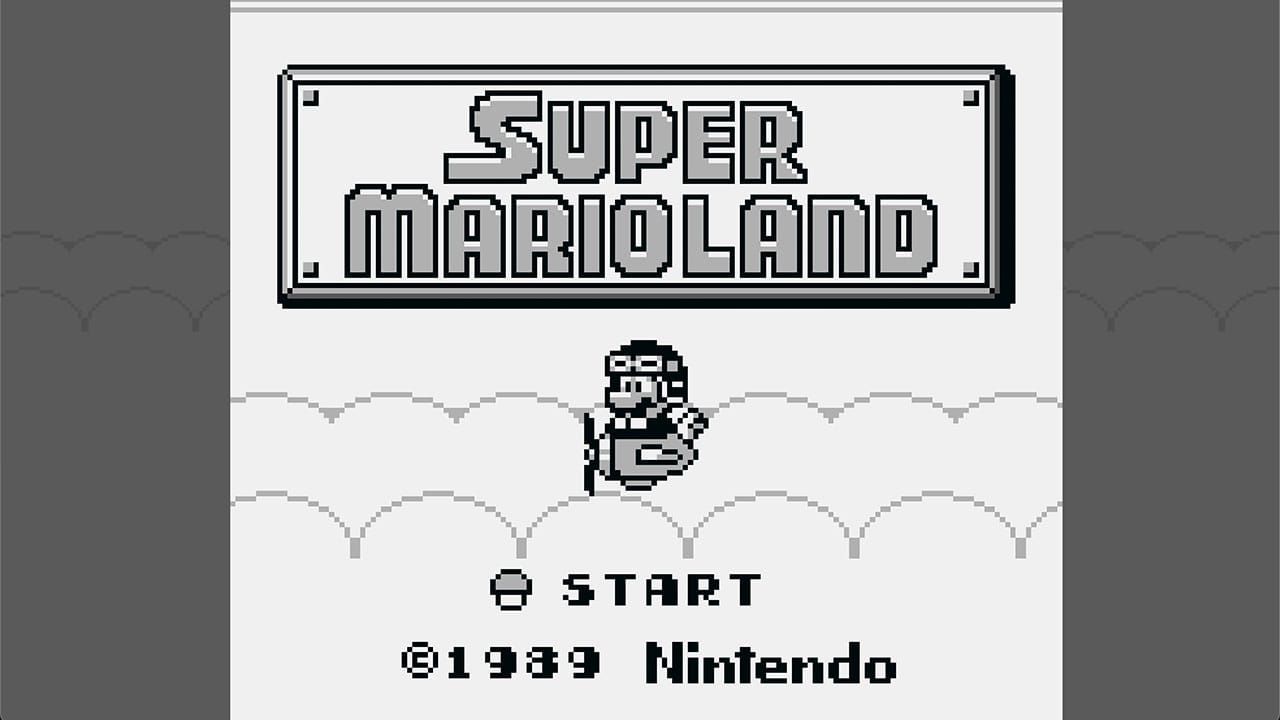
- In-Browser Play: Users can jump straight into the action via itch.io using modern web browsers, requiring zero setup.
- Emulation Support: ROM enthusiasts can download the file and run it on their preferred emulators (such as BGB, Gambatte, or RetroArch).
- Flash Cart Compatibility: For hardware purists, the ROM can be flashed onto a Game Boy cartridge and played on actual physical hardware—be it an original DMG, a Pocket, a Color, or an Advance.
The current vertical slice is concise, offering roughly five minutes of tightly paced platforming that covers the iconic opening stages. However, its brevity punches well above its weight class, delivering a heavy dose of nostalgia wrapped in pristine execution.
Community Impact & Developer Vision
The reception to Super Mario Land 1 + ½ within the retro gaming community has been overwhelmingly positive. Platforms like Retro Dodo and various indie development circles have championed the project, praising 2bitcrook’s ability to capture the exact visual cadence of Nintendo’s golden era.
The project also highlights a broader shift in how retro gaming enthusiasts consume classic content. Rather than merely preserving old ROMs in amber, contemporary developers are utilizing community-driven tools to remix, polish, and expand upon foundational gaming history. It treats 1980s software not as a static museum piece, but as a living canvas open to artistic interpretation.
When asked about the future scope of the project, 2bitcrook has kept expectations grounded while leaving room for hope. The primary goal was to test the viability of a complete visual and structural overhaul of World 1-1. Given the rapturous response from fans across the globe, the pressure—and the demand—is undeniably mounting for the developer to tackle subsequent levels, iconic bosses like Tatanga, and the various extraterrestrial worlds of Sarasaland.
Future Outlook: What’s Next for Retro Homebrew and the Mario Legacy?
As we look toward the horizon of retro game development in the mid-2020s, projects like Super Mario Land 1 + ½ signal an exciting trend. The barrier to entry for custom assembly, pixel art manipulation, and homebrew distribution has never been lower, yet the passion for authentic, 8-bit and 16-bit design has never been higher.
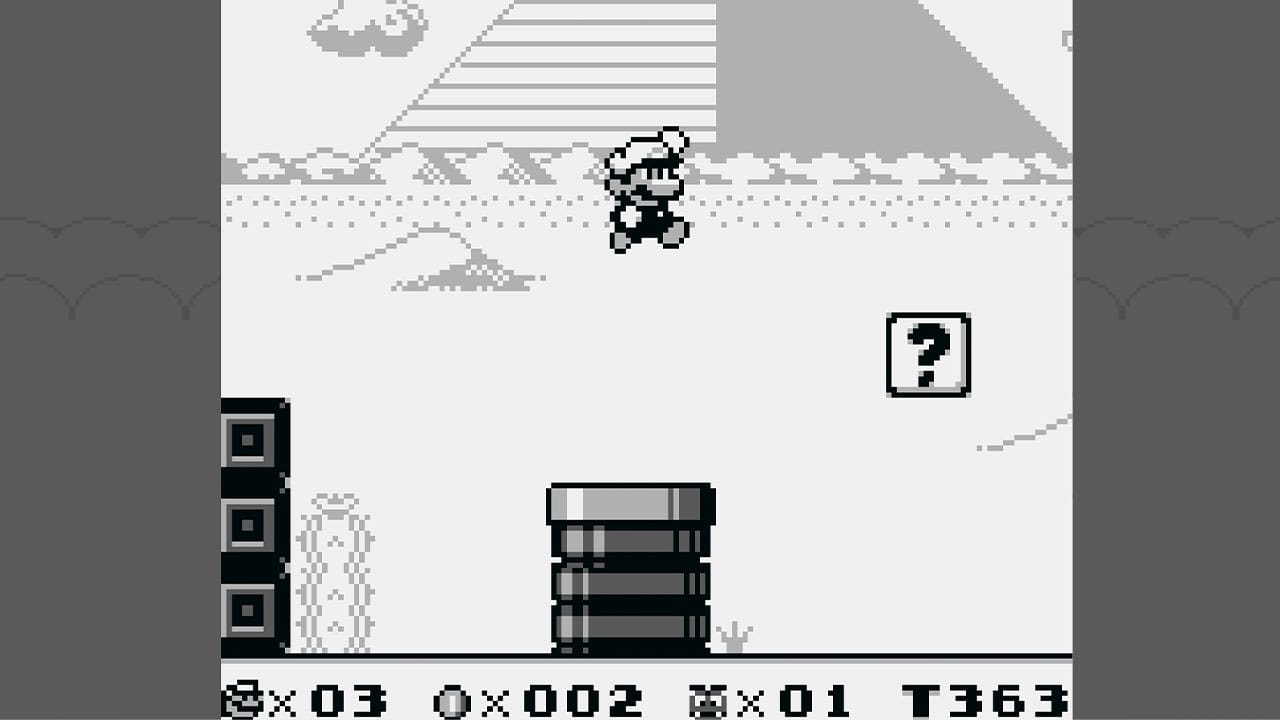
For Nintendo fans, this homebrew gem offers a fascinating glimpse into an alternate timeline—one where Nintendo’s hardware iteration cycle and software refinement happened just a fraction faster. Whether 2bitcrook expands this proof-of-concept into a full-length, multi-world fangame or leaves it as a tantalizing single-level vignette, it has already secured its place as one of the most clever and visually satisfying retro mods of recent years.
How to Experience It Yourself
If you want to spend five minutes of your workday reliving the opening moments of Sarasaland with a gorgeous 1992-style makeover, you can check out the playable build, view developer updates, or support the creator by visiting the official 2bitcrook Itch.io page.
Don’t forget to dust off your old Game Boy Color or fire up your favorite flash cart—this is one piece of homebrew history you won’t want to experience exclusively through a browser window.