Anker’s soundcore Nebula P1 portable projector comes with detachable speakers for $639, more
Executive Overview
The modern consumer’s demand for flexible, high-fidelity media consumption has triggered a significant shift in the portable home theater market. Gone are the days when enjoying a cinematic experience required being tethered to a fixed living room setup with bulky hardware, complex wiring, and permanent acoustic installations. Today, hardware manufacturers are locked in a race to engineer all-in-one entertainment hubs that combine exceptional visual fidelity, intelligent software ecosystems, and true acoustic immersion into compact, travel-ready form factors.
Leading this charge is Anker, a brand renowned for its accessories, power solutions, and audio-visual ecosystem under its Soundcore and Nebula banners. Currently, through its official Amazon storefront, the tech giant is offering a compelling discount on one of its most innovative releases to date: the Soundcore Nebula P1 Portable Projector with Detachable Speakers. Marked down to $639 shipped, this $60 savings off its standard $699 street price (and a notable drop from its $799 MSRP) represents an attractive entry point for cinephiles, campers, and apartment dwellers alike who refuse to compromise on audio-visual quality when away from a traditional television.

This comprehensive report examines the technical architecture, market positioning, and broader industry trends surrounding the Nebula P1. Beyond detailing the current promotional pricing and historical market data, we explore the engineering choices that make this device unique—specifically its detachable stereo speakers and robust Google TV integration. Furthermore, we analyze how portable projection fits into the broader ecosystem of mobile power stations and home theater configurations, offering a holistic view of where personal entertainment is heading in the latter half of the decade.
Detailed Chronology: From Concept to Current Market Standing
The journey of the Anker Nebula P1 to its current promotional status reflects a calculated product rollout and pricing strategy designed to capture both early adopters and value-conscious consumers. Understanding the trajectory of this device requires a look back at its introduction and the subsequent promotional cycles that have shaped its retail presence.
The Evolution of the Nebula Lineup
Anker’s Nebula brand has long been a pioneer in the portable projection space, moving from basic, low-lumen USB-powered bricks to sophisticated smart projectors running full Android TV and Google TV operating systems. Historically, portable projectors faced two major pain points: mediocre audio driven by tiny internal monophonic speakers, and cumbersome manual setup procedures involving focus rings and keystone sliders.
When Anker conceptualized the Nebula P1, the engineering brief aimed to systematically dismantle these pain points. The introduction of detachable speakers was a watershed moment for the product line, bridging the gap between ultra-portability and genuine room-filling sound.
Pricing and Promotional Milestones
- Launch and MSRP: The Soundcore Nebula P1 debuted with a manufacturer’s suggested retail price (MSRP) of $799, establishing it firmly in the premium tier of portable projection hardware.
- Spring Baseline Stabilization: By May, retail tracking indicated that the projector had settled into a comfortable street price of $699, with occasional promotional dips matching this current $639 rate.
- The Prime Day Low: During the high-stakes shopping frenzy of June’s Prime Day event, Anker slashed the price to an all-time low of $599. For consumers who missed that fleeting window, however, the current offer represents the absolute next-best price point available on the open market.
- Current Status: Available directly through Anker’s authorized Amazon storefront at $639 shipped, the deal is accompanied by a broader portfolio of discounts spanning the wider Nebula projector ecosystem, allowing buyers to scale their hardware choices based on specific lumen requirements, budget constraints, and use cases.
Supporting Context & Metrics: Under the Hood of the Nebula P1
To truly appreciate the value proposition of the $639 price tag, one must analyze the hardware specifications and features that set the Soundcore Nebula P1 apart from traditional entry-level projectors and standard pico-projectors.
Visual Performance and Projection Dynamics
At the core of the Nebula P1 is a high-efficiency projection engine capable of casting a crisp 1080p Full HD resolution. While 4K projection is becoming common in fixed home theater rooms, 1080p remains the sweet spot for portable devices, balancing energy consumption, thermal management, and physical footprint.
- Screen Size Flexibility: The projector is engineered to throw images ranging from an intimate 80 inches up to a sprawling 180 inches. Whether beamed onto a dedicated portable pull-up screen, a smooth white living room wall, or even an improvised backyard setup, the optical system maintains sharp edge-to-edge clarity.
- Intelligent Setup Suite: Setting up a portable projector used to involve endless trial and error. The Nebula P1 bypasses this frustration with an advanced suite of automated features:
- Smart Auto Focus: Instantly sharpens the image the moment the projector is repositioned.
- Keystone Correction: Digitally adjusts the geometry of the projection to ensure a perfectly rectangular image, even when projecting at an acute angle.
- Screen Fit & Obstacle Avoidance: Automatically detects the boundaries of a projection screen or wall space while intelligently shifting the image to avoid wall switches, pictures, or other physical obstructions.
Acoustic Innovation: Detachable Stereo Speakers
Audio has historically been the Achilles’ heel of portable projectors. Due to space constraints, manufacturers typically rely on a single, downward-firing speaker that struggles to deliver dialogue clarity, let alone cinematic bass response.
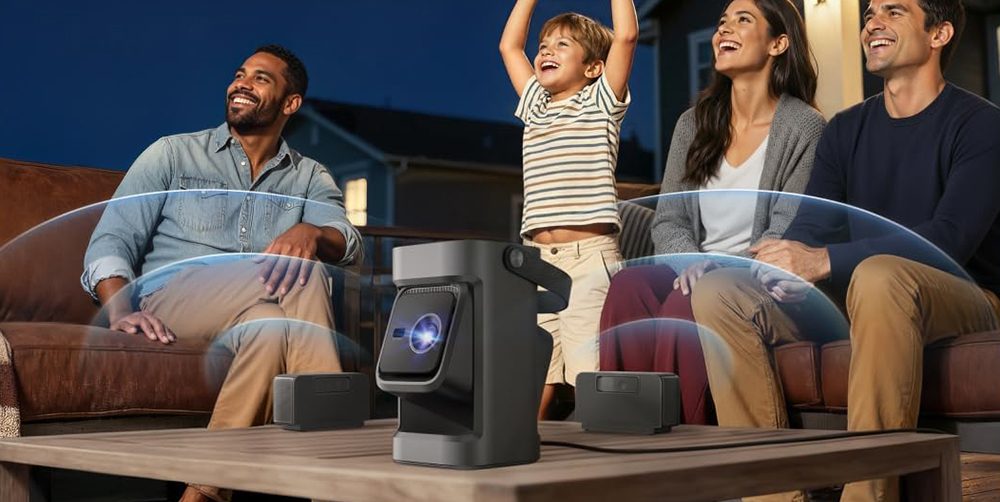
Anker solved this architectural dilemma by outfitting the Nebula P1 with detachable speakers. When docked, the speakers charge and blend seamlessly into the unit’s streamlined chassis for transport. When removed, they deploy true stereo sound immersion, placing the audio closer to the listener or widening the soundstage for an authentic cinematic feel. This modular approach ensures that users are no longer forced to pack a separate Bluetooth speaker when taking their entertainment on the road.
Power Management and Software Ecosystem
- Battery Endurance: True portability requires untethered operation. The Nebula P1 features a high-capacity internal power reservoir capable of delivering up to 20 hours of continuous operation on a full charge (depending on brightness settings and audio volume), making it viable for multi-movie marathons or weekend camping trips without immediate access to shore power.
- Google TV Integration: Rather than forcing users to deal with clunky casting dongles or proprietary operating systems, the Nebula P1 runs Google TV. This grants native access to mainstream streaming applications—including Netflix, Disney+, Prime Video, YouTube, and Max—complete with personalized recommendations, voice search via Google Assistant, and a streamlined user interface.
Official Statements and Industry Perspective
While consumer electronics manufacturers rarely issue formal press statements for routine retail discounts, industry analysts and product specialists have closely tracked the strategic importance of devices like the Nebula P1.
Market observers note that Anker’s aggressive promotional pricing on premium hardware is a calculated maneuver to capture market share in a burgeoning outdoor entertainment segment. By positioning the Nebula P1 at $639, Anker undercuts traditional AV brands that often charge upward of a thousand dollars for comparable automation features, while simultaneously elevating the sound quality baseline via the Soundcore integration.
Furthermore, tech reviewers have praised the device for its seamless execution of automated alignment tools. In a statement summarizing the shift in consumer expectations, consumer tech liaisons highlight that "portable projection is no longer a novelty plagued by setup friction; intelligent automation and modular acoustics have turned improvised viewing spaces into legitimate cinematic environments."
Future Outlook: The Convergence of Portable AV and Power Infrastructure
As we look toward the future of personal media consumption, the boundary between indoor home theaters and outdoor entertainment continues to dissolve. The success of products like the Anker Nebula P1 points toward several overarching industry trends:
1. The Rise of Modular Ecosystems
Consumers increasingly value hardware that adapts to multiple environments. The modular approach seen in the Nebula P1’s detachable speakers hints at a broader industry movement toward multi-functional, modular accessories. We can expect future iterations of portable media devices to further blur the lines between standalone audio gear, projection engines, and smart hubs.
2. Synergy with Portable Power Stations
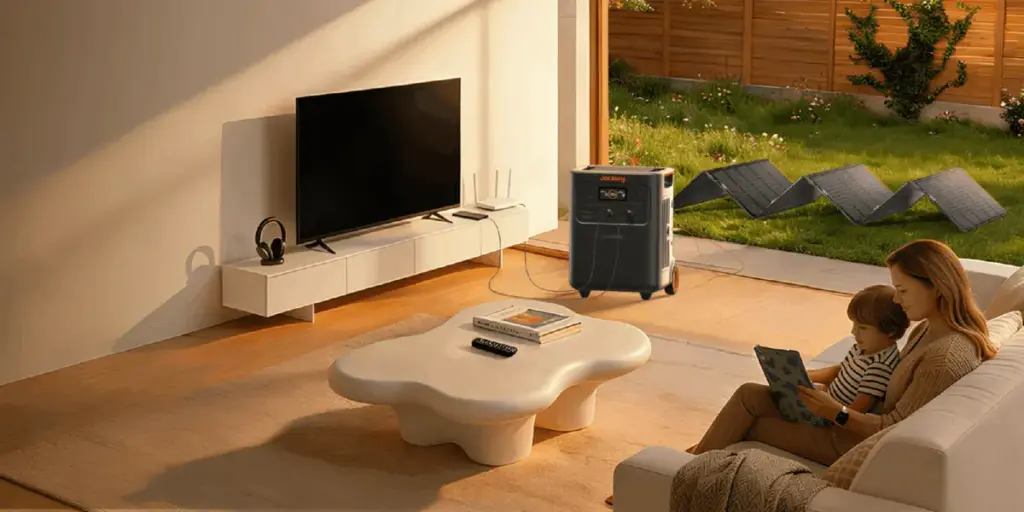
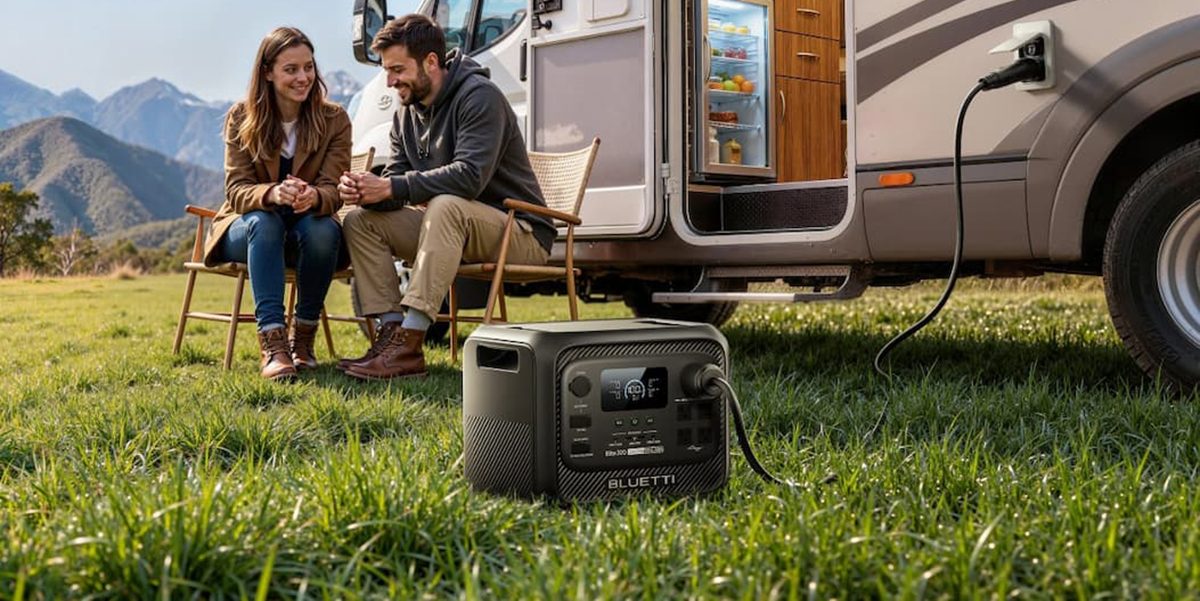
While the Nebula P1 boasts impressive onboard battery endurance, extended off-grid use—such as multi-day camping excursions or remote cabin getaways—inevitably requires supplementary power infrastructure.
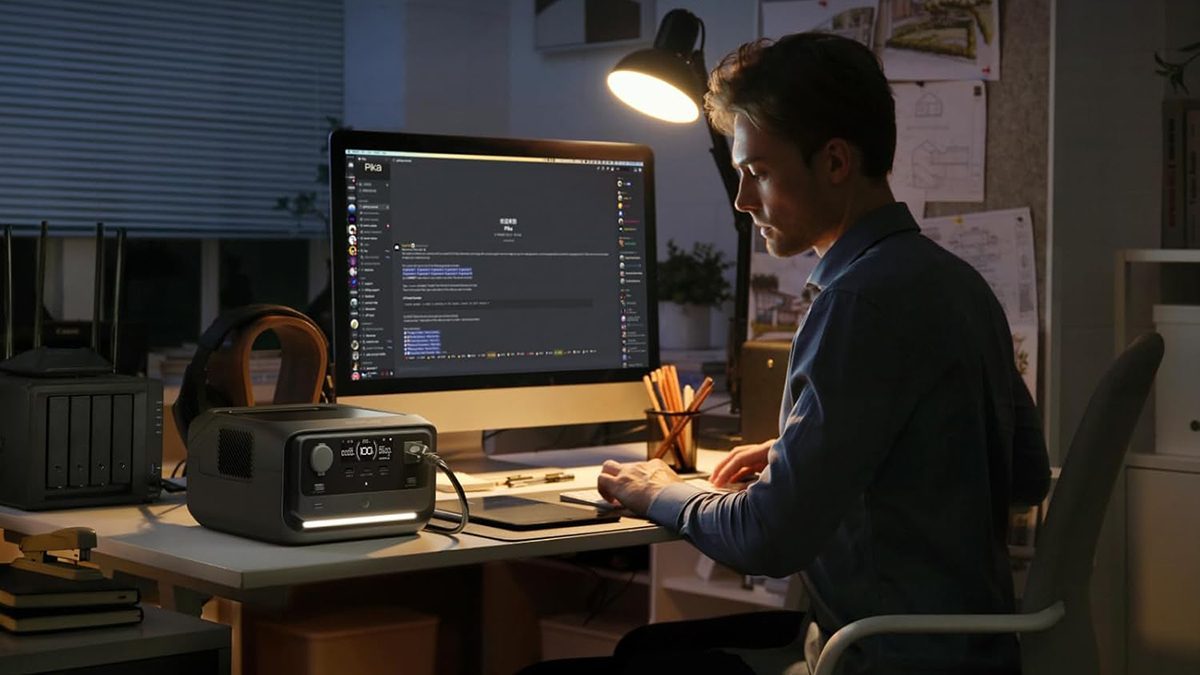
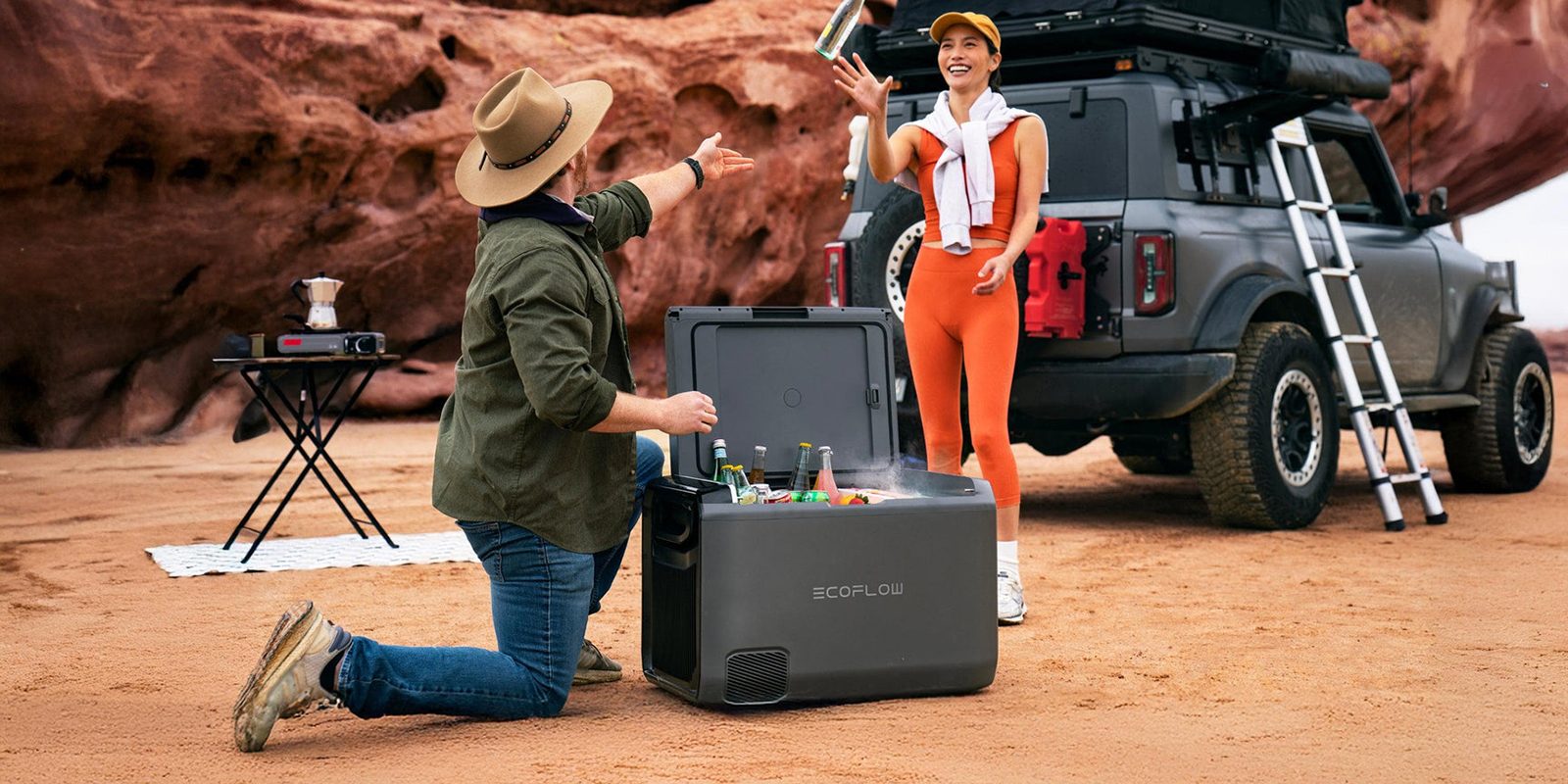
This creates a powerful cross-market synergy between portable projectors and the burgeoning market for high-capacity power stations (such as those from Jackery, Bluetti, and EcoFlow). Consumers investing in high-end outdoor entertainment setups are increasingly building holistic power ecosystems, ensuring that their projection gear, mobile devices, and camping refrigerators remain operational indefinitely. As battery chemistries improve and energy density increases, the friction of taking high-end home theater experiences deep into the wilderness will continue to decrease.
3. Software Sophistication and AI-Driven Setup
As operating systems like Google TV mature and hardware processors become more efficient, future projectors will likely incorporate even more advanced AI-driven spatial computing features. Expect tomorrow’s portable projectors to automatically analyze ambient room lighting, calibrate color profiles based on wall paint color, and optimize acoustic output using real-time room correction algorithms—all without manual user intervention.
Conclusion
The current promotional pricing of the Anker Soundcore Nebula P1 Portable Projector at $639 offers a timely window for enthusiasts looking to upgrade their mobile entertainment capabilities. By combining brilliant 1080p projection, intelligent auto-adjustment suites, native Google TV streaming, and innovative detachable stereo speakers, Anker has set a high standard for what consumers should expect from portable cinema. Whether deployed in a cozy urban apartment, a backyard patio, or deep in the great outdoors, the Nebula P1 stands as a testament to how far portable AV engineering has evolved—and offers an exciting glimpse into the frictionless future of mobile media.