An Era Ends: Reflecting on the Decline of Console Hacking Blogs and the Legacy of Wololo

Executive Overview
The landscape of video game modification, console hacking, and independent digital preservation is undergoing a profound seismic shift. For nearly two decades, dedicated enthusiasts, independent programmers, and digital sleuths relied on a network of community-driven blogs, forums, and archives to track the cat-and-mouse game between console manufacturers and software exploit developers. Among these digital hubs, one name stood head and shoulders above the rest as a beacon of reliable, timely, and passionate reporting: Wololo.
Founded in 2006 during the golden age of PlayStation Portable (PSP) homebrew experimentation, the eponymous blog grew from a modest developer’s personal project into the definitive, go-to reference source for PlayStation hacking. Its founder etched their name into computing history by achieving monumental milestones, including being the first person to publicly execute unsigned code on the PSP Go and the PlayStation Vita (via its PSP emulator). However, time waits for no one. In a candid, reflective retrospective, the site’s founder has broken their silence regarding a prolonged hiatus, addressing widespread community speculation about their absence.
The short answer provided to concerned followers is simple: they are still lurking, albeit operating at a drastically reduced capacity. The longer, more nuanced answer exposes a complex intersection of personal evolution, the intimidating technical complexity of modern console architectures, shifting consumer habits toward closed-garden social media platforms, and the existential threat posed by generative artificial intelligence. This retrospective not only marks the formal twilight of a historic era in console hacking journalism but also serves as an acute case study on the changing dynamics of the modern internet.
Detailed Chronology: From PSP Pioneers to Modern Hardware Barriers
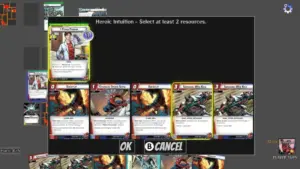
To truly understand the weight of this transitional moment, one must trace the historical trajectory that birthed the modern console hacking scene. The journey began in 2006, sparked by a profound fascination with the PSP homebrew ecosystem. Inspired by the ingenuity of programmers who unlocked Sony’s portable powerhouse, the founder of Wololo set out to give back to the community that had captured their imagination. This impulse birthed Wagic, a popular homebrew card game that demonstrated the creative potential of running user-generated software on locked hardware.
What started as a localized repository for project updates organically snowballed into an authoritative news outlet. As the PSP ecosystem matured and eventually gave way to subsequent generations of hardware, Wololo positioned itself at the epicenter of the scene. The blog’s coverage was not merely observational; it was actively participatory. The founder achieved legendary status within underground circles by engineering and publicly demonstrating groundbreaking exploits—notably, being the first individual to bypass security restrictions on the sliding PSP Go and later breaching the defenses of the PlayStation Vita within its backward-compatible PSP emulator environment.
[2006: PSP Homebrew Era]
       │
       ▼
[The Birth of 'Wagic' & Blog Launch]
       │
       ▼
[Milestone Exploits: PSP Go & PS Vita Breakthroughs]
       │
       ▼
[The Modern Complexity Wall: PS4 / PS5 Era]
       │
       ▼
[2025: Transition, AI Disruption, & Final Retroactive Stance]
Yet, technology marches relentlessly forward, bringing with it impenetrable layers of security. As hardware evolved from the relatively accessible architectures of the mid-2000s to the heavily fortified, hyper-encrypted ecosystems of the PlayStation 4, PlayStation Vita, and PlayStation 5, a chasm began to open between historical exploit methods and contemporary cybersecurity engineering.
For a family man balancing career responsibilities with personal hobbies, staying "on top of the game" transformed from an enjoyable pastime into an exhausting, uphill battle. Modern console security relies on complex hardware roots of trust, hypervisors, and multi-layered cryptographic checks that require specialized, full-time academic or professional security research to fully comprehend.
The founder candidly admits that the inner workings of modern devices eventually surpassed their technical skill set. Compounding this frustration was the harsh reality of underground politics: encounters with prominent scene members who unceremoniously pointed out gaps in the blog’s technical comprehension. While objectively true, these interactions stung deeply, especially given the founder’s sincere, ongoing efforts to bridge the gap between high-level cryptography and accessible community explanations. Ultimately, recognizing that others—such as prominent content creator Modded Warfare—were far more adept at documenting contemporary scene progress, a quiet realization settled in: the blog was slowly losing its technical relevance.
Supporting Context & Metrics: The Death of the Open Web and the AI Scourge
The technical gap was only one piece of a much larger, systemic puzzle. Operating an independent, text-based blog in the mid-2020s presents economic and psychological hurdles that render traditional publishing models nearly obsolete.
The Shift to Closed Ecosystems and Video
Over the past decade, internet consumption habits have experienced a radical gravitational pull away from independent blogs and toward centralized content mills, video platforms, and algorithmic feeds. In 2015, competing with Reddit and social media aggregators was a formidable yet manageable challenge. By 2025, that challenge has metastasized into an asymmetrical warfare scenario for independent writers. Today’s digital natives overwhelmingly prefer the passive consumption of high-production YouTube video essays, algorithmic TikTok clips, or the insular, searchable confines of closed-garden Discord servers.

The Generative AI Parasite
Perhaps the most demoralizing blow to independent content creation is the unchecked rise of generative artificial intelligence. The founder paints a vivid, albeit blunt, picture of the contemporary web: an ecosystem choked by AI-generated slop where human-authored archives are routinely harvested without consent, compensation, or attribution.
Content aggregators and large language model crawlers act as digital parasites. They aggressively ingest human-created tutorials, breaking news, and historical documentation, regurgitating the information in automated formats where neither revenue nor genuine audience interaction flows back to the original creator. To make matters worse, these automated web-scraping bots display zero regard for server performance. They hammer independent websites with high-frequency requests, driving traffic-starved servers to their knees while contributing precisely zero value to the human community.
This dynamic fosters a profound sense of alienation—a "grandpa yelling at clouds" scenario where the foundational ethos of the open internet feels irrevocably broken. When web traffic is reduced to a shadow of its former self, and the primary visitors to a hard-earned archive are algorithmic scrapers rather than curious human beings, the existential question arises: What is the point of continuing to feed the machine?
Official Statements and Community Impact
Despite the frustrations, the withdrawal from the public eye was never intended to be an absolute ghosting. The thousands of supportive emails, messages, and comments left by readers over the years did not go unnoticed. While the founder admits to a general failure in responding to individual inquiries due to overwhelming fatigue and changing life priorities, the digital footprints left by the community were read, appreciated, and cherished.
┌────────────────────────────────────────────────────────┐
│               THE COMMUNITY'S RESPONSE                 │
├────────────────────────────────────────────────────────┤
│ • Hundreds of emails and well-wishes read and valued   │
│ • Silent appreciation for long-term readership         │
│ • Recognition of the site's historical archive role    │
│ • Anticipation for upcoming independent releases       │
└────────────────────────────────────────────────────────┘
The console hacking community is notoriously insular, occasionally volatile, but deeply loyal. For many, Wololo wasn’t just a news aggregator; it was the historical ledger of how the digital walls of proprietary hardware were systematically breached by passionate amateurs and security researchers.
The founder’s decision to step back highlights a broader truth about the digital DIY generation: the pioneers who built the infrastructure of the early internet are aging, taking on family responsibilities, and burning out under the weight of an increasingly automated, monetized, and hostile web landscape. Stepping away is not an admission of defeat, but rather a healthy boundary drawn to preserve personal sanity in an era of digital noise.
Future Outlook: A Surprising Return to Form
While the editorial era of daily scene reporting, exploit breakdowns, and hardware analysis on the blog has effectively reached its natural conclusion, the story is far from over. True hackers and developers rarely leave the ecosystem entirely; they simply pivot away from the exhausting public spotlight and back toward what inspired them in the first place: creation.
In a twist that will undoubtedly excite long-time followers, the founder’s departure from active journalistic duty does not mean total radio silence. In fact, a brand-new project has been quietly brewing behind the scenes. True to the roots that originally birthed Wagic nearly twenty years ago, a fresh homebrew release is currently in the pipeline.
Breaking away from the PlayStation ecosystem that defined the site’s golden years, this upcoming release is a homebrew game slated for deployment on two distinct platforms: PC and the Nintendo Switch. This strategic pivot symbolizes a full-circle journey. By returning to hands-on software development rather than chasing the grueling, high-stress news cycles of modern console exploitation, the creator is reclaiming the pure, unadulterated joy of making things for hardware enthusiasts to enjoy.
As the digital landscape continues to warp under the influence of artificial intelligence and centralized corporate platforms, independent blogs like Wololo serve as monuments to an older, wilder, and more human internet. While the daily updates may have slowed to a crawl, the legacy remains secure—and with fresh code on the horizon, the creator’s journey in the world of homebrew is far from finished. Stay tuned.