The Resurrection of a Masterpiece: How Terranigma Is Finally Breaking Free from Retro Purgatory to Claim Its Modern Legacy
Executive Overview
For over three decades, the pantheon of 16-bit Japanese Role-Playing Games (JRPGs) has harbored a legendary ghost. While titles like Chrono Trigger, Final Fantasy VI, and Secret of Mana achieved global immortality, cementing themselves in the cultural architecture of modern gaming, one titan remained frustratingly out of reach for generations of players. Terranigma—the sweeping, philosophical, and melancholic masterpiece developed by Quintet and published by Enix in 1995—was long condemned to the status of an elusive holy grail. Bound by licensing nightmares, regional disparities, and the relentless march of hardware obsolescence, it became an undiscovered gem whispered about in hushed tones across online forums.
That era of scarcity is officially drawing to a close. In a stunning announcement that has sent shockwaves through the retro gaming community, publisher Clear River Games has confirmed that Terranigma is making a full, triumphant return. Slated for a worldwide release in early 2027, this modern revival will not only grace contemporary consoles but has also guaranteed a simultaneous PC release right out of the gate—a first in the franchise’s storied history.
This is not merely a bare-minimum ROM port or a quick emulation cash-in. The resurrection of Terranigma represents a meticulously orchestrated cultural restoration. Original character designer and legendary manga artist Kamui Fujiwara is returning to provide brand-new key art, fresh in-game designs, and hands-on production feedback. Furthermore, the project aims to bridge a thirty-year divide, bringing a profound narrative exploring the dichotomy of creation, destruction, divinity, and humanity to an entirely new generation of players.
Yet, as with any major nostalgic revival, the path to redemption has already encountered its first dramatic hurdle. Within hours of the initial announcement and trailer launch, the promotional media was abruptly pulled offline and set to private following a copyright discrepancy involving an unauthorized fan musical arrangement. While this minor stumble highlights the complexities of managing beloved retro IPs in the modern digital age, the core excitement remains unassuaged. Terranigma is returning. And this time, the world is finally ready to listen.
Detailed Chronology: From SNES Obscurity to the 2027 Revival
To truly understand the magnitude of the Terranigma revival, one must journey back to the mid-1990s, an epoch that many consider the golden age of the JRPG. The Super Nintendo Entertainment System (SNES)—known as the Super Famicom in Japan—was reaching the absolute zenith of its hardware capabilities. Developers were extracting every ounce of graphical fidelity, sonic depth, and narrative nuance from the 16-bit architecture.
The Quintet Trilogy and the Genesis of Terranigma
During this era, developer Quintet carved out a unique niche for itself. Alongside Enix, the studio crafted a loosely connected trilogy of action-RPGs that explored grand, cosmological themes: Soul Blazer (1992), Illusion of Gaia (1993), and finally, Terranigma (released in Japan as Tenchi Souzou, meaning "Creation of Heaven and Earth," in November 1995).
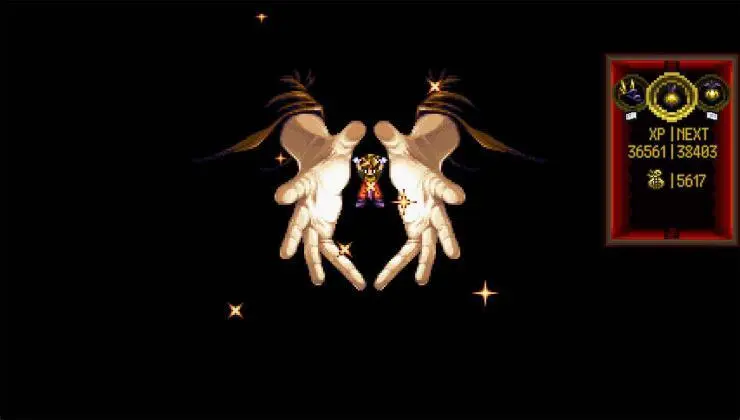
While its predecessors tackled themes of civilization building and worldly corruption, Terranigma aimed for something radically more ambitious. Directed by Kouji Miyayuki and written by Masaya Hashimoto, the game cast players as Ark, a mischievous boy from an underground village who inadvertently triggers a catastrophic event that freezes his entire world in time. Tasked by a mysterious entity, Ark must ascend to the surface—a lifeless, desolate Earth—and systematically resurrect the planet.
The narrative structure of Terranigma was revolutionary for its time. It mirrored the actual evolutionary history of our own world. Players did not merely clear dungeons; they resurrected flora and fauna, witnessed the evolutionary leap from microscopic organisms to dinosaurs, facilitated the birth of humanity, and watched civilizations progress from primitive hunter-gatherer tribes through medieval kingdoms to the brink of industrialization. It was an epic sweeping across epochs, underpinned by a hauntingly melancholy philosophical inquiry into the nature of human progress and divine abandonment.
The Western Regional Divide
Despite its critical acclaim in Japan and a subsequent European release handled by Nintendo of Europe in 1996, Terranigma suffered a catastrophic fate in the North American market. Due to Enix of America restructuring and scaling down its operations in the mid-90s, the game was infamously denied an official English-language release in the United States.
This oversight created a profound geographical scar in the global JRPG community. For North American gamers, Terranigma became the ultimate forbidden fruit. While European players enjoyed a localized English version—albeit one famously plagued by high aftermarket cartridge prices—American fans had to rely on fan-made translations, imported hardware, and emulation long before the internet made global digital sharing commonplace. Over the ensuing decades, the game achieved mythical status. It was frequently cited on "Top 10 SNES Games of All Time" lists by critics who had experienced it, while younger generations could only read about its legendary status through retrospective articles and YouTube video essays.
The Road to 2027: Clear River Games Steps In
For thirty years, the rights to Terranigma remained locked in a bureaucratic labyrinth, complicated by the corporate merger of Enix and Square, changing publishing landscapes, and shifting industry priorities. For a long time, industry insiders and fans alike assumed the IP was a casualty of lost source code and corporate apathy.
That narrative shifted dramatically when Clear River Games stepped into the fray. As a publisher specializing in bringing overlooked retro titles, physical collector’s editions, and nostalgic gems to modern platforms, Clear River recognized the untapped cultural equity sitting dormant in the Terranigma trademark. Protracted negotiations, rights clearances, and production planning culminated in the greenlighting of a full-scale modern release.
However, the road to launch has already proved eventful. Shortly after the initial announcement trailer dropped, keen-eyed internet sleuths and the creators themselves pointed out that the promotional video had utilized a fan-made musical arrangement without proper clearance or attribution. Clear River Games acted swiftly, taking the trailer private to rectify the misstep. While minor, the incident serves as an amusing and poignant reminder of how deeply passionate the fan community has remained for thirty years—so much so that fan compositions had inadvertently bled into official marketing materials. With the trailer pulled for revision, all eyes are now fixed on early 2027 as the definitive window for the game’s global resurrection.
Supporting Context & Metrics: The Weight of a 30-Year Legacy
To evaluate the significance of Terranigma returning to the market, one must look closely at the metrics of retro gaming preservation, the economics of modern JRPG revivals, and the artistic pedigree that elevated the original SNES release from a simple software product into a timeless work of art.
Artistic Pedigree: Kamui Fujiwara’s Visual Masterpiece
One of the defining pillars of Terranigma’s enduring legacy is its distinctive visual identity. In an era where fantasy JRPGs leaned heavily into high-fantasy tropes or Tolkien-esque aesthetics, Terranigma offered something starkly different. This was due in large part to the involvement of renowned manga artist Kamui Fujiwara (Dragon Quest: The Princes of Emblem).
Fujiwara’s character designs and world concepts gave the game an organic, lived-in, and occasionally eerie atmosphere. The contrast between the sterile underworld of Crysta, the vibrant yet fragile ecosystems of the resurrected surface world, and the sprawling, mechanized metropolises of the industrial era was rendered with staggering detail within the constraints of SNES pixel art.
Crucially, Fujiwara’s return for the 2027 release is not merely honorary. According to official production notes, Fujiwara is actively contributing new key art, updated in-game designs, and offering direct feedback on the production pipeline. This ensures that the aesthetic soul of the original game remains intact while being elevated to meet modern high-definition display standards.
The Socio-Economic Landscape of Retro Preservation
The gaming industry in the mid-2020s is experiencing a profound identity crisis regarding game preservation. With digital storefronts closing (such as the Nintendo 3DS and Wii U eShops), rising prices for physical retro cartridges, and major publishers increasingly relying on subscription services or limited-run physical publishers, access to gaming history has become precarious.
According to data from the Video Game History Foundation, a staggering 87% of classic video games released in the United States are currently considered critically endangered, meaning they are not commercially available on modern platforms. While major franchises like Final Fantasy and Dragon Quest enjoy multi-platform availability, obscure or regionally locked masterpieces like Terranigma sit squarely in the endangered category.
Clear River Games’ intervention serves as a case study in how publishers can rescue historically significant software. By committing to both digital storefronts and physical media releases across modern consoles and PC simultaneously, they are directly combating software obsolescence. For the first time in history, North American players who grew up hearing legends of Ark’s journey will be able to purchase and play an officially localized, fully supported version of the game without resorting to grey-market emulation or paying hundreds of dollars for a crumbling European SNES cartridge.
Official Statements
The gravity of this announcement is best reflected in the words of those who brought the world of Terranigma to life, both past and present.
Ali Manzuri, General Manager at Clear River Games
In the official press release distributed to industry outlets, General Manager Ali Manzuri articulated the cultural mission behind the project, emphasizing the injustice of the game’s historical invisibility in Western territories:
"For over thirty years, Terranigma has cemented its status as a true undiscovered gem, inaccessible to many gamers in the West and long overdue for its time in the spotlight. Clear River Games exists to bring titles like these back to a modern gaming audience and as keen lovers of retro inspired gaming, we’re sure our audience will be as excited as we are to jump into this extraordinary world of Terranigma."
Manzuri’s statement underscores a vital business and cultural philosophy: that retro-inspired gaming is no longer a niche corner of the market, but a vibrant, commercially viable ecosystem driven by players hungry for narrative depth, artistic integrity, and mechanical craftsmanship that often feels absent in modern live-service titles.
Kamui Fujiwara, Original Artist and Character Designer
Speaking on his return to the franchise three decades after its initial debut, Kamui Fujiwara offered a deeply reflective perspective on how the themes of Terranigma have only grown more relevant with time:
"30 years ago, Terranigma was released on the SNES. Now, at long last it will be available once again on console and PC, digital and physical. It may not be exactly the same as it was back then, but I’m sincerely delighted about it making its return to the current gaming environment."
Fujiwara elaborated on his extensive involvement during the original development cycle and his hopes for how modern audiences will engage with the material:
"During the original’s development, I was involved with designing not only the characters, but the world too, and even some of the game settings as well. I hope the themes of god and humanity, creation and destruction, and the atmosphere of the world itself resonate with today’s players too. Not as a relic of the past, but as a living, breathing work. This moment has been long awaited and now it is finally here. I hope you will enjoy it with all your heart."
Fujiwara’s emphasis on the game as a "living, breathing work" rather than a mere “relic of the past” establishes the creative directive for the 2027 release: this is an active resuscitation of a living myth.
Future Outlook: What the 2027 Release Means for the Industry
As the gaming community looks ahead to the early 2027 release window, the implications of Terranigma’s return extend far beyond a single nostalgic release.
Setting a New Precedent for Forgotten IP
The successful acquisition, restoration, and multi-platform rollout of Terranigma could serve as a vital blueprint for other publishers holding rights to dormant 16-bit and 32-bit masterpieces. For years, copyright holders have been hesitant to invest in localized ports of niche retro games due to perceived low return on investment. By partnering with boutique publishers like Clear River Games, major conglomerates can outsource the painstaking work of preservation while satisfying passionate fanbases.
If Terranigma performs well commercially and critically upon its 2027 launch on PC and modern consoles, it may open the floodgates for other long-forgotten JRPGs and action-adventures that were trapped behind regional barriers or corporate red tape in the 1990s.
The Challenge of Modernizing a Classic
Of course, releasing a 1995 SNES action-RPG into the 2027 gaming landscape is not without its creative challenges. Modern players operate under vastly different design paradigms than gamers of the 16-bit era. Quality-of-life additions—such as refined inventory management, modern control remapping, adjustable difficulty settings, and optional save-state or fast-forward features—will likely be necessary to prevent the game from alienating newcomers while satisfying purists.
Furthermore, the team must navigate the delicate balance of preserving the original script’s idiosyncratic charm and philosophical weight while ensuring the localization meets contemporary standards of clarity and flow. With Kamui Fujiwara actively providing oversight and feedback, the project possesses a vital anchor to its original artistic vision.
Conclusion
Terranigma was always more than just a video game. It was an ambitious, sweeping artistic statement about the beauty and terror of existence, packaged inside a colorful 16-bit cartridge that millions of players were systematically denied the chance to experience.
As we count down the months toward early 2027, the return of Ark, the resurrection of the Earth, and the haunting melodies of Quintet’s magnum opus will finally find a permanent home on modern platforms and personal computers worldwide. Thirty years after its birth in the twilight of the Super Famicom era, Terranigma is stepping out of the shadows and claiming its rightful place in gaming history—not as a ghost of the past, but as an eternal, living legend.