Executing the Formula: How Messhof’s Blood Dungeon Disrupts and Confirms the ‘Bullet Heaven’ Paradigm
Executive Overview
The "bullet heaven" or Survivors-like roguelite genre has occupied a peculiar, highly lucrative nexus in modern PC gaming. Ever since Vampire Survivors proved that minimalist, autoshooting mechanics could reliably trigger primal dopamine responses across millions of screens, the marketplace has been thoroughly saturated with top-down clones. These titles typically reduce player agency to mere directional movement while automated weapon systems transform creeping enemy swarms into cascading streams of experience points.
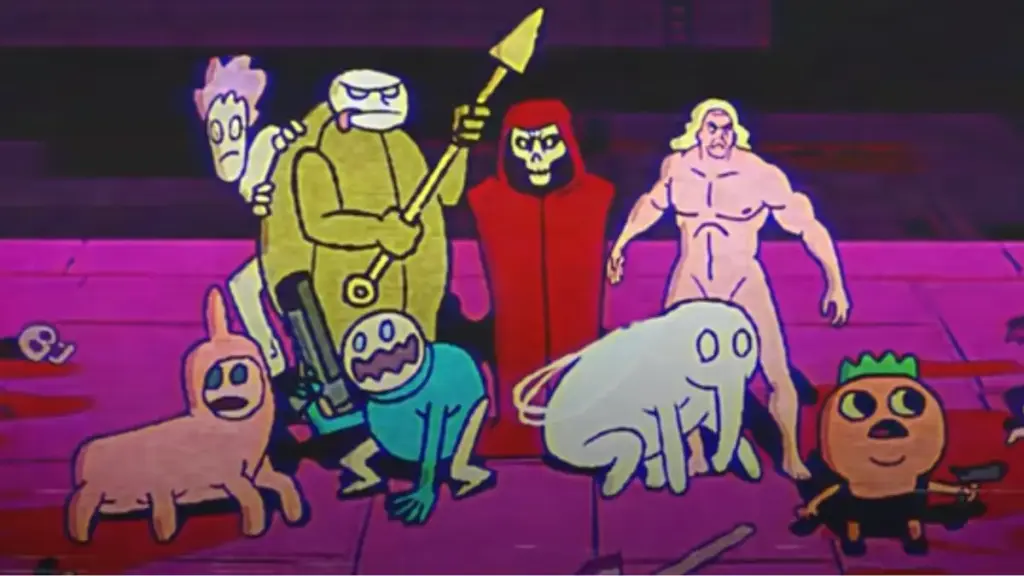
Enter Messhof—the distinctive indie studio previously celebrated for the fiercely competitive, stylized fencing game Nidhogg. In their latest release, Blood Dungeon, the studio applies its sharp design sensibilities to this exhausted modern subgenre. Arriving on August 26, 2026, Blood Dungeon does not attempt to reinvent the fundamental mechanics of the horde-clearing roguelite. Instead, it executes a clever, structurally significant shift: it translates the conventional top-down autoshooter into a side-scrolling, platforming environment.
At a glance, the title shares more DNA with Spelunky than with Brotato or Deep Rock Galactic: Survivor. Bolstered by Messhof’s signature globular 2D art style, fluid animations, and a hypnotic "dungeon drum ‘n’ bass" soundtrack composed by Matthew Hoey, Blood Dungeon instantly establishes itself as a masterclass in presentation. Yet, beneath its sleek audiovisual veneer and lateral layout lies a profound existential question about the genre itself: Can even the most impeccably crafted bullet heaven escape the inherent, treadmill-like hollowness of its own design?
Detailed Chronology: Anatomy of a Ten-Minute Run
To understand the core appeal—and eventual fatigue—of Blood Dungeon, one must examine the precise architecture of a standard gameplay session. Like many modern roguelites, a run begins in relative vanity. The player assumes the role of "Gun Man," equipped with an uninspired, underpowered machine gun that fires sluggishly once every 1.21 seconds.
The Escalation Curve
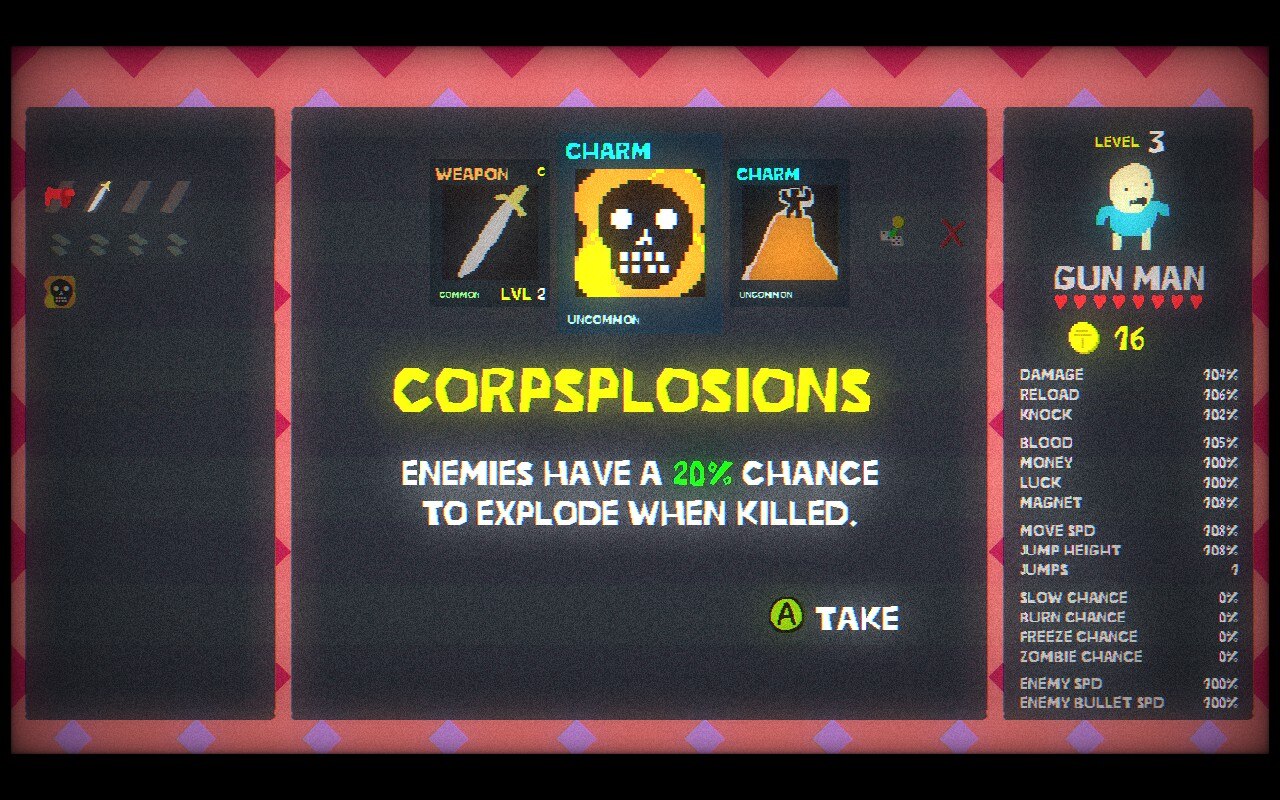
Within the opening sixty seconds, the cadence shifts dramatically. As enemies dissolve into pools of gore, collecting their residual blood grants the player incremental experience. A level-up menu interrupts the action, offering a randomized choice between two or three perks:
- Doubling the firearm’s output frequency.
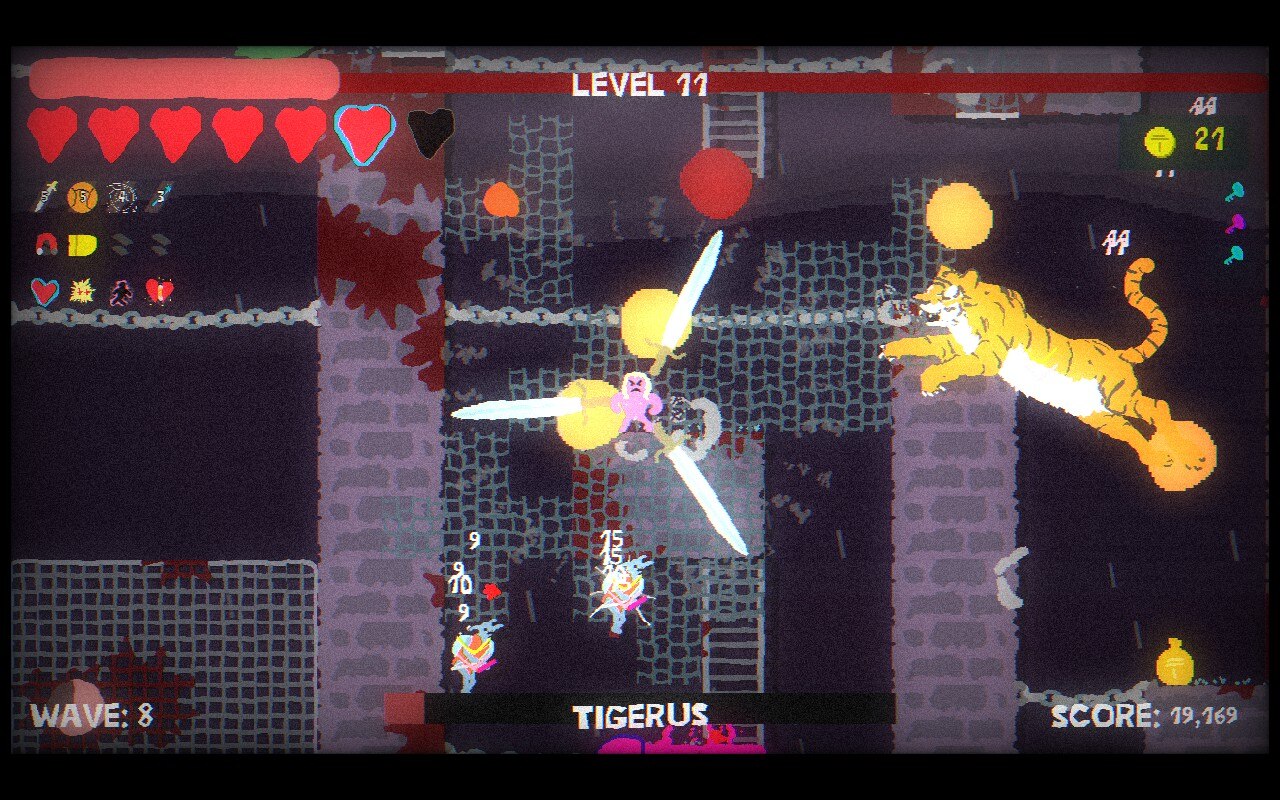
- Spawning a spectral sword that orbits the avatar’s body, shredding bats and ghouls in the confined corridors.
- Amplifying movement speed and jump height to clear hazardous environmental pits.
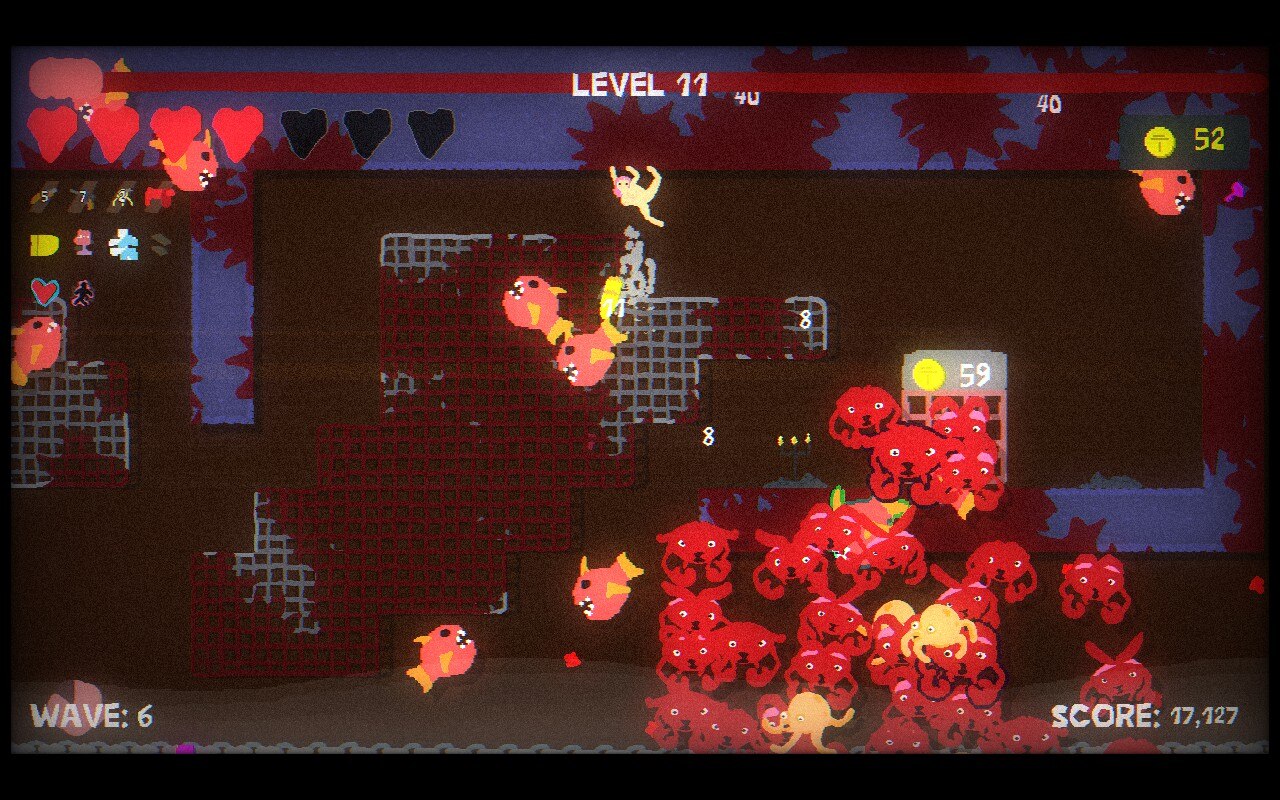
By the midpoint of a typical ten-minute session, the character has mutated into a pulsating, damage-emitting firework display. Gun Man no longer fires a single projectile; he issues a continuous, overlapping torrent of bullets, flanked by revolving blades, autonomous turrets, and bouncing orbs of kinetic destruction. The narrow, blood-drenched halls transform from manageable subterranean pathways into impenetrable, frantic walls of writhing monster flesh.
The Climax and Collapse
By the eighth or ninth minute, assuming the random number generator (RNG) has been favorable, the player character is visually obscured by an overwhelming array of erupting, chaotic firepower. Boss encounters materialize with screen-shaking intensity, testing whether the player’s carefully curated arsenal of upgrades can melt health bars before the sheer density of environmental hazards and enemy types overwhelms the screen.
Inevitably, the run concludes. Whether through a tactical misstep or an insurmountable wall of late-stage enemies, the character perishes, stripping away every unlocked passive buff and active weapon. The game presents its final, hypnotic invitation: reset, re-enter the dungeons, and chase the rush once more.
Supporting Context & Metrics: Mechanics, Characters, and Maps
Blood Dungeon distinguishes itself within the broader Survivors-like ecosystem through intentional structural choices regarding level design, spatial awareness, and roster variety.
Technical Profile & System Specs
- Developer & Publisher: Messhof
- Release Date: August 26, 2026
- Platforms: PC (Steam Deck verified functionally, officially "unknown" compatibility status)
- Review Test Rig: RTX 3060 (laptop GPU), Ryzen 5 5600H CPU, 16GB RAM
Roster Dynamics: From Mosquitoes to Hypnomancers
Progressing past the initial five-hour threshold unlocks a diverse suite of characters, each fundamentally altering how the side-scrolling architecture is navigated:
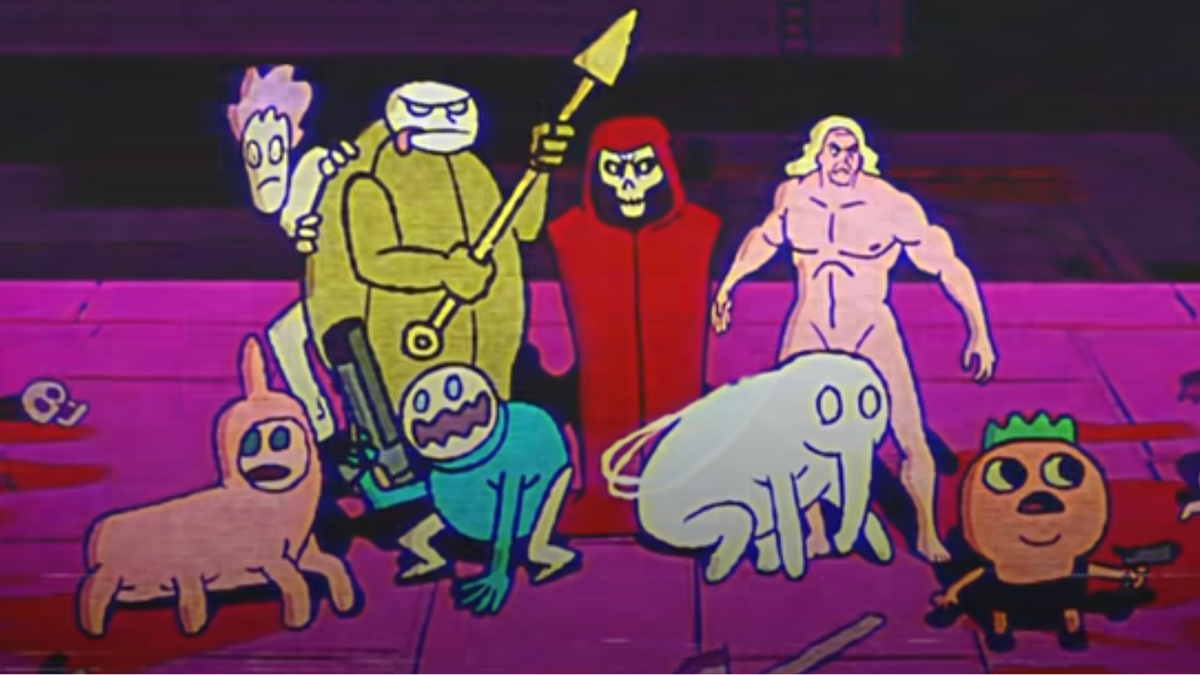
- Gun Man: The baseline archetype, reliable and adaptable.
- Skinja: A high-mobility favorite that cartwheels across the platforming layouts at a blinding pace, unleashing devastating spreads of shotgun pellets.
- The Baby: Possesses severely depleted health pools, compensated entirely by a high-damage revolver that achieves one-shot kills on early-round hostiles.
- Hypnomancer: A surreal combatant whose primary loadout relies on toxic gas emitted from his lower anatomy.
- The Flying Mosquito: An unwieldy aerial character that demands precise vertical positioning, highlighting the game’s steeper learning curves and skill ceilings.
Environmental Design: Sidelong Strategy
Unlike top-down arenas that offer 360-degree freedom of movement, Blood Dungeon’s side-scrolling perspective introduces architectural constraints that demand map familiarity. The game features six distinct biomes, categorized by traditional layout archetypes:
- Horizontal X-axis corridor maps.
- Vertical Y-axis pit maps.
- Specialized environmental modifiers, including waterlogged caverns and mineable stone walls.
Crucially, while every map features a fixed layout, the placement of items, chests, and essential unlock keys is randomized. Because maps frequently loop back on themselves, success in the frantic final minutes relies heavily on early-game exploration. Spending the calmer opening moments mapping out explosive barrel placements and health caches spells the difference between surviving the third boss or perishing prematurely.
Official Statements and Developer Vision
Messhof has long operated in the upper echelons of indie game development, earning critical acclaim and a cult following with Nidhogg by stripping multiplayer combat down to its purest, most visceral psychological elements. In transitioning to the single-player roguelite space with Blood Dungeon, co-founder and developer Matthew Hoey approached the project with a distinct artistic and auditory vision.
In promotional and design documentation surrounding the title, Hoey characterized the game’s atmospheric identity through its unique soundscape: "dungeon drum ‘n’ bass." Composed to be simultaneously madcap and hypnotic, the audio engine adapts dynamically to the escalating visual chaos on screen, reinforcing the breathless panic of being hunted through labyrinthine catacombs.
Furthermore, Messhof’s design philosophy hinges on tactile feedback. While many arcade-style games prioritize meta-progression over immediate physical satisfaction, Messhof ensured that Blood Dungeon simply feels exceptional to play. The weight of the jumps, the responsiveness of the platforming momentum, and the tactile impact of a well-aimed bouncing ball or expanding shotgun blast demonstrate that precision-oriented action principles can be successfully imported into a genre historically dominated by passive automation.
Future Outlook: The Paradox of Compulsion
As players cross the ten-hour threshold and begin unlocking the game’s deeper weapon synergies—such as maximizing the bouncing ball to decimate early bosses in seconds, or expanding the shotgun spread from three pellets to an absurd thirteen—Blood Dungeon reveals its fundamental existential tension.
The Illusion of Mastery vs. The Lottery of RNG
There is an unmistakable allure to the progression loop. The game gets easier the longer you play, but a critical realization sets in around hour fifty: this ease is rarely a product of refined player skill. Rather, it is the direct result of the vastly expanded arsenal of weapons, charms, and spells available at hour fifty compared to hour one.
When the controller is finally set down, and the dazzling visual noise and rhythmic drum ‘n’ bass fade away, Blood Dungeon lays bare the defining paradox of the modern bullet heaven genre. It operates brilliantly as a high-speed arcade machine simulator, fast-tracking RPG progression to deliver dopamine hits in units of seconds. Yet, it forces an uncomfortable confrontation with randomness.
While rogue-likes like NetHack or Spelunky generate emergent, narrative-driven chaos through systemic interactions, Blood Dungeon—despite its phenomenal platforming pedigree—ultimately leans into non-nutritive, lottery-style unpredictability. If the RNG fails to provide the necessary weapon upgrades, even pristine positioning and expert map knowledge cannot save a run.
Final Assessment
Blood Dungeon stands as a masterclass in execution. It takes an exhausted, heavily cloned modern subgenre and revitalizes it through brilliant art direction, side-scrolling platforming mechanics, and unmatched sensory feedback. For fans looking for a sleek, highly polished arcade fix, Messhof’s latest venture offers undeniable, pulse-pounding entertainment. Yet, once the final boss is felled and the unlocks are exhausted, it leaves behind a lingering question for the genre as a whole: Can the frantic rush of instant gratification ever truly substitute for lasting, meaningful mechanical depth?