Nvidia Set to Raise AI Server Prices by Over 15% as the Global Memory Crunch Intensifies
By Luke James
Published: August 2026
Executive Overview
In a development that threatens to send shockwaves through the upper echelons of the tech industry, artificial intelligence giant Nvidia has reportedly notified its largest enterprise and hyperscale customers of upcoming price hikes. According to communications leaked to Bloomberg, the cost of servers housing Nvidia’s advanced AI accelerators will surge by more than 15% in many configurations.
Set to take effect with the commercial deployment of upcoming hardware generations—specifically the Grace Blackwell and Vera Rubin architectures—these price adjustments depend heavily on the specific chip generation and memory payload involved. Contract manufacturers tasked with building infrastructure for major data center operators like Microsoft, Google, and Oracle have begun quietly briefing clients on the new pricing structure.
This sweeping price increase is far from an isolated corporate maneuver; rather, it is the downstream casualty of an unprecedented global memory supply crisis colloquially known as "RAMageddon." As memory producers pivot manufacturing lines toward High Bandwidth Memory (HBM) to satisfy insatiable AI infrastructure demand, a severe capacity crunch has rippled across the semiconductor supply chain.
For Nvidia, a company boasting an astronomical non-GAAP gross margin of approximately 75%, these hikes demonstrate a clear intent to pass component-level inflation directly onto buyers. With enterprise customers locked into AI deployment roadmaps and facing a bottlenecked foundry market at TSMC, Nvidia holds immense pricing leverage—leaving tech giants with few viable alternatives.
Detailed Chronology of the Crisis
The Anatomy of a Semiconductor Bottleneck
The roots of the current crisis stretch back to late 2024 and 2025, when the generative AI boom transformed from a high-stakes experimental phase into a full-scale corporate arms race. Hyperscalers scrambled to secure compute power, driving an exponential demand for specialized server architecture.
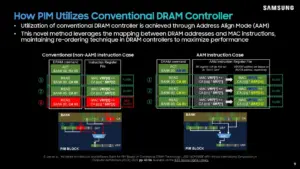
By October 2025, major memory manufacturer SK hynix announced it had completely sold out its entire memory production capacity for the upcoming year. This startling milestone served as an early warning sign for the wider hardware ecosystem. Recognizing the massive profit margins associated with artificial intelligence, memory titans including SK hynix and Samsung began systematically reallocating advanced manufacturing nodes away from traditional, commodity DRAM and toward cutting-edge HBM3E products. Consequently, memory supply prices experienced a dramatic escalation ahead of 2026, setting the stage for widespread industry disruption.
Escalation into 2026
As the calendar turned to 2026, the supply-demand imbalance accelerated beyond previous projections. During the first quarter of the year, conventional DRAM contract prices experienced a staggering quarter-over-quarter surge of 90% to 95%. Analysts tracking the sector initially hoped for stabilization by mid-year, but Q2 projections shattered those expectations, indicating further consecutive quarterly hikes between 58% and 63%.
By mid-summer, consumer markets were feeling the pinch just as severely as enterprise operations. The consumer DDR5 market saw prices more than double within a twelve-month window. A mainstream 32GB DDR5-6000 memory kit, which could be readily acquired for $110 to $140 in mid-2025, skyrocketed to roughly $392 by August 2026.
It was against this volatile macroeconomic backdrop that Nvidia made the decision to pass component-level inflation upward. Earlier this month, retail consumers encountered similar pressures when Nvidia adjusted pricing on its GeForce RTX 50-series graphics cards. Now, that same upward pricing pressure has reached the apex of the enterprise computing stack, affecting multi-million dollar rack-scale clusters and data center deployments alike.
Supporting Context & Metrics: The Physics and Economics of HBM
To understand why server prices are climbing by double-digit percentages, one must examine the physical realities of modern AI accelerators. Modern artificial intelligence models demand staggering memory capacities and bandwidths to process billions—and soon trillions—of parameters efficiently.
The Memory Loadout of Next-Gen Architecture
Nvidia’s upcoming hardware generations are engineering marvels, but they are also exceptionally resource-intensive to manufacture:
- Vera Rubin: Nvidia’s next-generation GPU architecture is slated to ship with up to 288GB of bleeding-edge HBM4 memory per package.
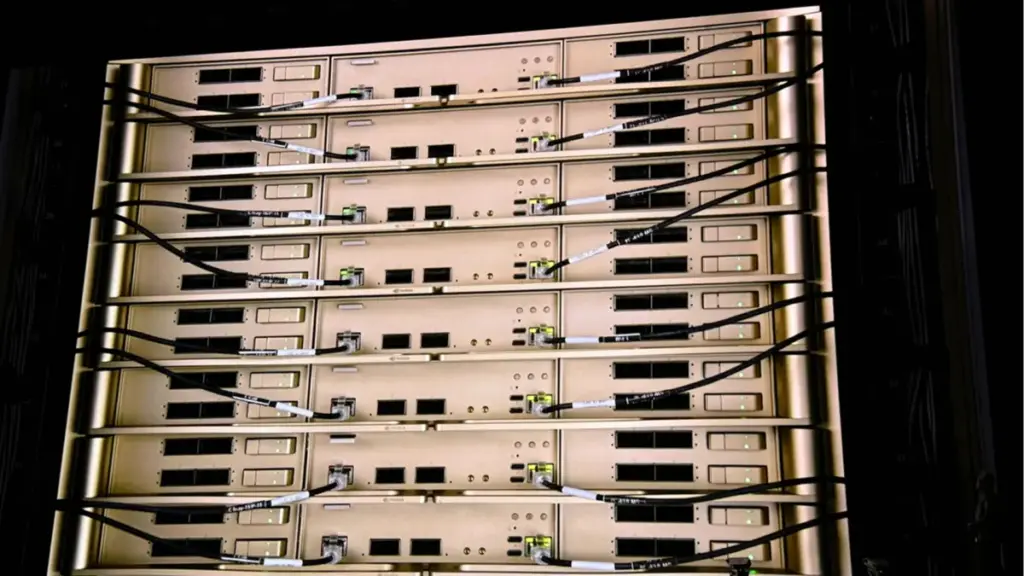
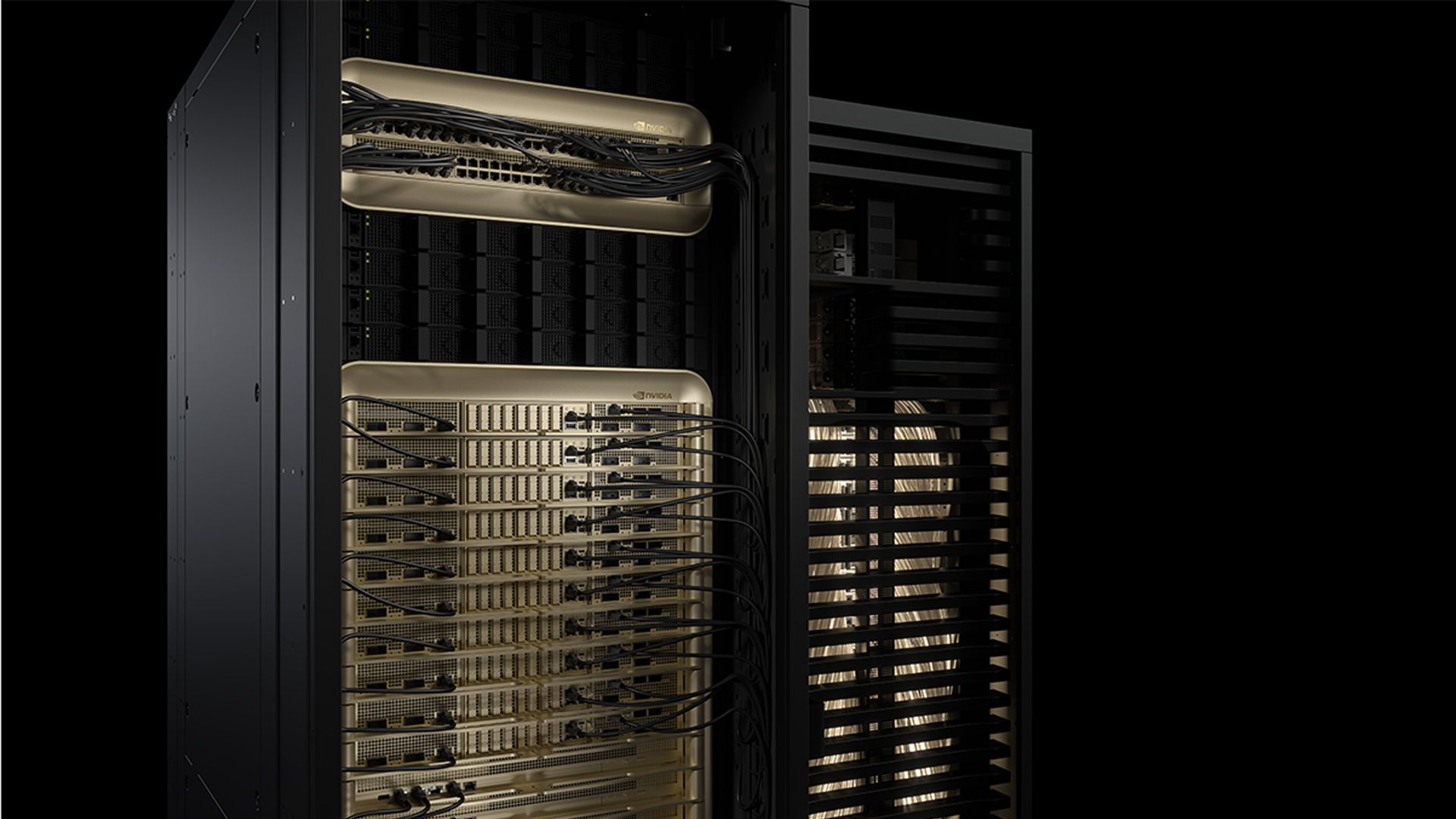
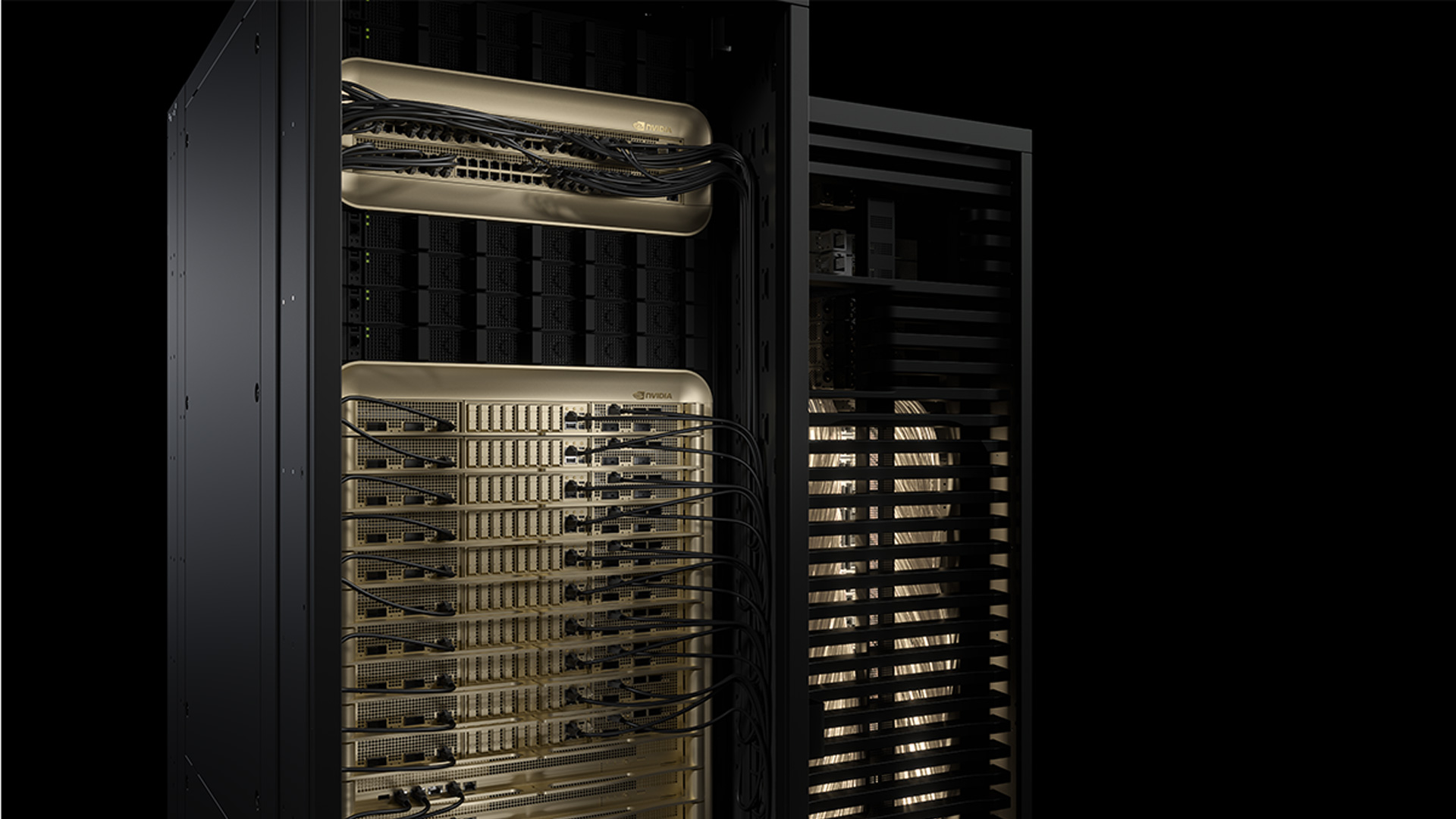
- NVL72 Rack-Scale Systems: These massive enterprise configurations combine 72 individual Rubin GPUs within a single rack, packing more than 20 terabytes (TB) of HBM into one footprint—and that figure does not even account for the auxiliary LPDDR memory attached to the system’s Vera CPUs.
The Wafer Penalty
The manufacturing burden of High Bandwidth Memory is a primary driver of these rising costs. Fabricating HBM requires roughly four times the silicon wafer area compared to producing equivalent quantities of conventional, consumer-grade DRAM.
Because memory manufacturers must dedicate vast swathes of their most advanced fabrication lines to fulfill HBM orders, commodity markets have been starved of capacity. This structural deficit has turned memory from a standard line item into one of the most expensive components on an AI server’s bill of materials (BoM). When multiplied across thousands of server racks required by a hyperscale data center, a 15% increase translates to tens—if not hundreds—of millions of dollars in added capital expenditure.
Official Statements and Industry Reactions
While Nvidia has maintained tight-lipped discretion regarding the private communications sent to its primary accounts, the ripple effects are visibly shaking the industry. Contract server builders—the intermediaries who assemble complete hardware stacks for corporate giants—have borne the initial burden of communicating the price hikes.
What the Analysts Say
Industry analysts point out that Nvidia’s strategy highlights its near-monopolistic position in the AI accelerator market. Despite facing rising costs from its primary foundry partner, TSMC—which raised wafer pricing by roughly 10% heading into recent production cycles—Nvidia commands one of the healthiest gross margins in corporate history at roughly 75%.
Rather than absorbing the mounting costs of HBM4, TSMC wafers, and complex packaging assembly, Nvidia is flexing its market dominance.
"When a supplier holds the keys to the kingdom, they dictate the terms of engagement," notes one enterprise hardware strategist. "Hyperscalers are locked into software ecosystems like CUDA, meaning they cannot simply walk away from Nvidia hardware without experiencing severe operational delays in their AI model development."
Future Outlook: Navigating the New Normal
The immediate future of enterprise IT infrastructure looks increasingly expensive. As these 15%+ price hikes roll out alongside the arrival of Grace Blackwell and Vera Rubin systems early next year, Chief Technology Officers across the tech landscape must recalibrate their capital expenditure forecasts.
Will Buyers Pivot?
The central question for the remainder of 2026 and into 2027 is whether these aggressive price increases will drive major cloud providers—such as Microsoft, Google, Meta, and Amazon—to accelerate their transition toward alternative silicon.
While alternatives exist, including AMD’s competing accelerators and a variety of proprietary, in-house custom AI ASICs, every single one of these options faces a shared structural bottleneck. Advanced accelerators of all makes and models rely on High Bandwidth Memory, and nearly all global HBM output is bottlenecked by the exact same three major memory manufacturers: SK hynix, Samsung, and Micron.
Consequently, any enterprise attempting to bypass Nvidia by shifting orders to competitors will likely encounter similar supply constraints and pricing pressures. As the semiconductor industry adjusts to the realities of "RAMageddon," high-performance artificial intelligence infrastructure has officially entered an era where computational power comes at a historic premium.