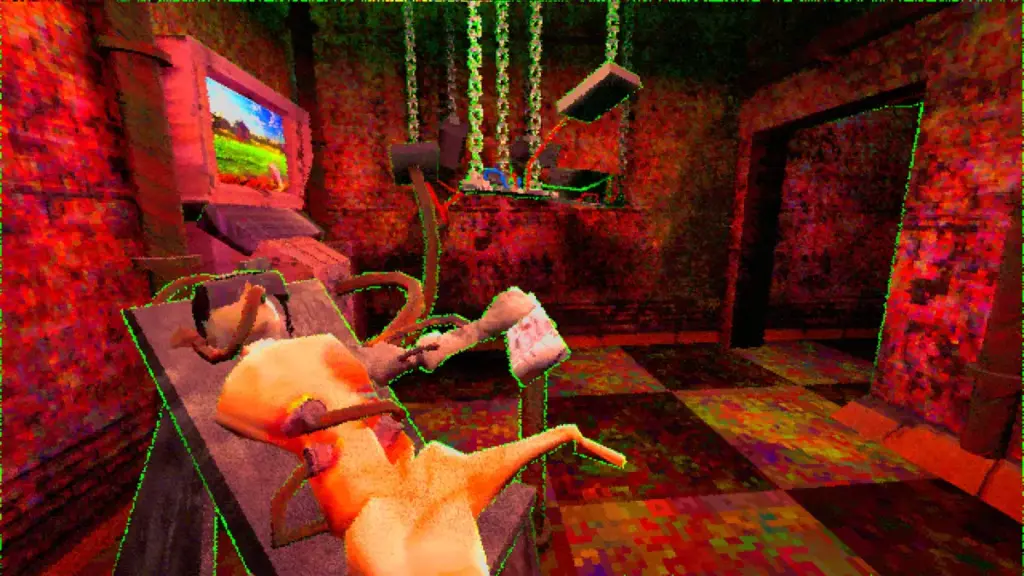
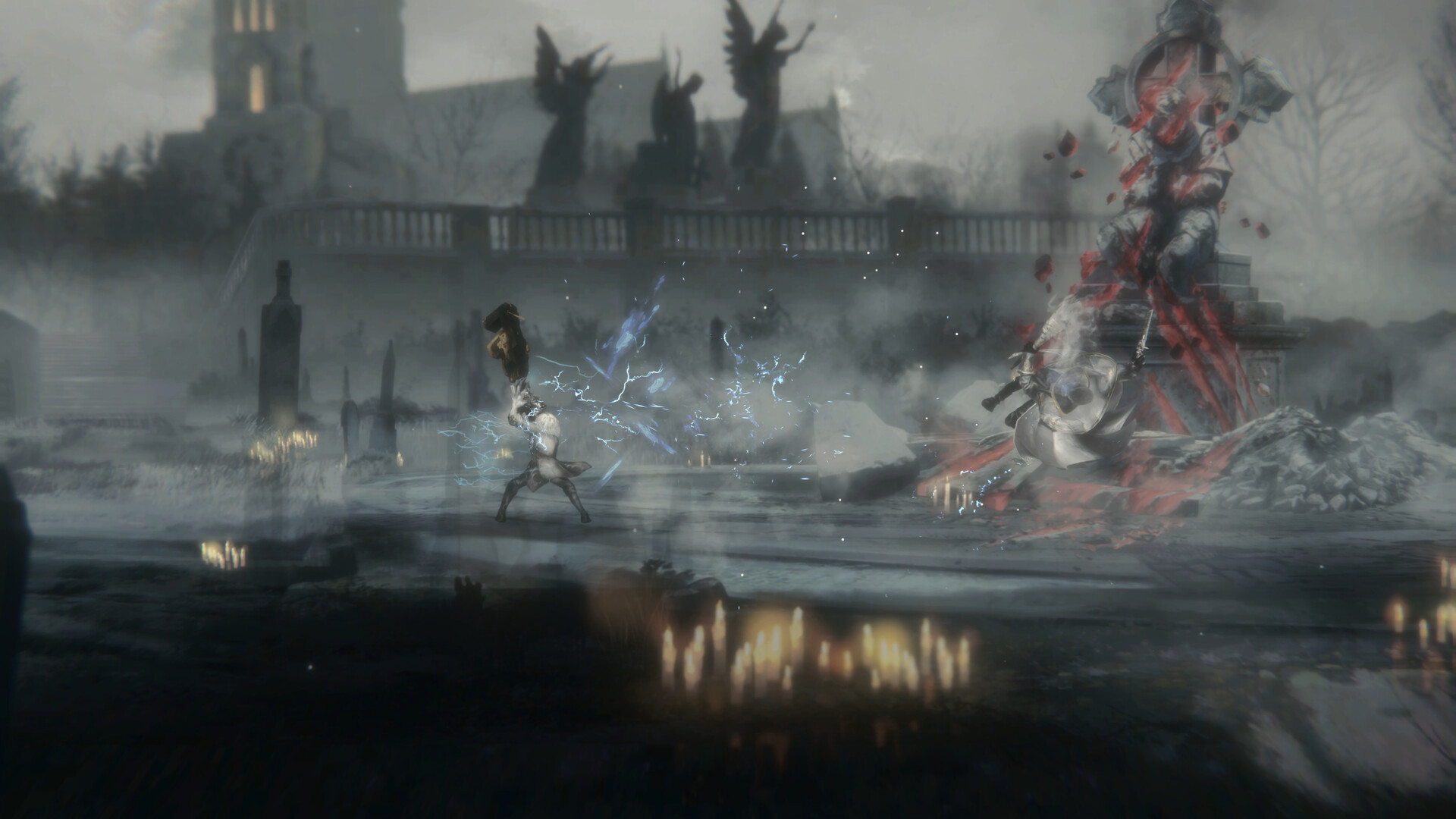
The intersection of indie game development and generative artificial intelligence has claimed another high-profile casualty. On August 19, South Korean studio Alive Inc. launched its long-awaited Soulslike Metroidvania, Vapor World: Over The Mind, into early access on Steam. Boasting an evocative, painterly art style reminiscent of Lies of P and atmospheric narrative platformers like those from Playdead, the title had successfully cultivated significant anticipation. In the days leading up to its release, the game had amassed over 100,000 wishlists—a monumental milestone for an indie team comprising just five developers—largely driven by the enthusiastic reception of a playable demo that had been available since January 2025.
However, what should have been a triumphant commercial launch quickly dissolved into a public relations crisis. Upon booting up the early access build, players were not greeted by the distinctive world-building or parry-heavy combat they had sampled in the demo. Instead, their attention was immediately seized by something entirely absent from the pre-release vertical slice: unmistakable, low-quality generative AI cutscenes.
The inclusion of these assets triggered an immediate, fierce backlash from the PC gaming community. Within days, the game’s Steam user review rating plummeted to "Mostly Negative," anchored by dozens of scathing critiques condemning the use of generative tools. Faced with an existential threat to their project’s viability, studio director Young Kim issued a swift apology and confirmed that the offending cinematics would be replaced—a remediation effort that was executed within days of launch. This episode underscores a profound, widening chasm between the pragmatic adoption of AI tools by developers striving to overcome resource constraints and an audience increasingly intolerant of perceived shortcuts in creative media.
Detailed Chronology
The Buildup and the Demo Phase
The trajectory of Vapor World: Over The Mind began long before its tumultuous August release. Alive Inc., operating with a tight-knit core team of approximately five people, spent years conceptualizing a dark, psychological action-platformer blending complex narrative themes with challenging combat mechanics.
In January 2025, the studio released a public demo on Steam. For months, this vertical slice served as the primary engine for the game’s marketing. Players and critics praised its distinctive aesthetic, atmospheric depth, and fluid combat mechanics. By August 18, just a day before the early access launch, the studio proudly announced that Vapor World had surpassed 100,000 wishlists. For a micro-studio, this figure represented a golden ticket, signaling a healthy audience ready to support the title’s iterative development through early access.
Launch Day Disillusionment
The early access release on August 19 shattered this momentum almost immediately. Rather than experiencing the polished dark fantasy they anticipated, players encountered introductory cinematics characterized by the hallmark artifacts of early-generation AI video models: morphing character models, inconsistent facial features, and a jarring aesthetic disconnect from the hand-crafted art style of the actual gameplay.
The backlash was swift and uncompromising. Reviewers bypassed discussions of level design and combat systems to focus entirely on the cinematics. The "most helpful" review on Steam crystallized the community’s sentiment:
"Saw the very first cutscene, before any gameplay, and how the generative AI they used couldn’t even keep the main character’s model consistent. From the trailers the gameplay looked pretty fun [but] unfortunately I support people not robots. If the look you want to go for is beyond the scope you can achieve right now then I suggest you change it or wait until you can produce the art and style you want with people doing it."
Within days, the game accumulated 64 reviews, pulling the aggregate score down to "Mostly Negative."
The Rapid Pivot and Apology
Recognizing the severity of the crisis, Alive Inc. moved with unprecedented speed to stanch the bleeding. Studio director Young Kim published an open letter addressing the community, offering a candid—if startling—explanation for the decision to integrate generative AI, while simultaneously announcing that the AI cutscenes would be scrubbed from the game by the weekend. True to his word, the studio swiftly removed the assets, replacing them with alternative narrative framing.
Despite the rapid remediation, the damage to the game’s initial launch velocity and reputation serves as a stark warning to other independent developers navigating the delicate frontier of creative technology.
Supporting Context & Metrics: Cultural Divides and Market Realities
The fallout surrounding Vapor World highlights a fascinating cultural dichotomy regarding the perception of artificial intelligence across different global markets.
The Geopolitical AI Divide
Alive Inc.’s miscalculation may have been exacerbated by the unique socio-political environment in which they operate. According to data from the Pew Research Center, South Korea stands out as the least AI-skeptical nation among 25 surveyed countries, ranking ahead of the United States, the United Kingdom, Australia, and India. Furthermore, reporting by the MIT Technology Review highlights that the South Korean government has overwhelmingly embraced AI integration across public and private sectors, famously attempting (though ultimately struggling) to implement AI-powered school textbooks nationwide.
Statistical breakdowns starkly illustrate this cultural variance:
Western Skepticism: In the US, Italy, Australia, and Brazil, roughly half—or slightly less—of surveyed citizens report feeling "more concerned than excited" about the proliferation of AI in daily life.
South Korean Sentiment: In contrast, those expressing deep concern over AI make up a mere 16 percent of the population in South Korea.
Operating within a society highly bullish on technological innovation, Alive Inc. likely underestimated the visceral, protective hostility international PC gamers hold toward generative AI in commercial art and entertainment.
Steam Weekly Revenue Charts: Contextualizing the Market
While Vapor World struggled in the trenches of early access user reviews, the broader Steam ecosystem experienced a relatively standard week of commerce between August 11 and August 18. Free-to-play juggernauts and major pre-order campaigns dominated the top financial tiers:
Rank
Game
1
Counter-Strike 2
2
Apex Legends
3
Phantom Blade Zero (Pre-orders)
4
Helldivers 2
5
Dota 2
6
Hell Let Loose: Vietnam
7
Big Walk
8
Marvel Rivals
9
Kingdom Hearts -HD 1.5+2.5 ReMIX-
10
PUBG: Battlegrounds
Beyond the top ten, the charts revealed intriguing consumer trends. Mortal Shell 2 made a strong debut at number 12, while Wardogs pre-orders surged to number 13, propelled by a beta phase that peaked at an impressive 105,774 concurrent players. Meanwhile, nostalgic reissues like The Lord of the Rings: War in the North found unexpected commercial legs at number 17, proving that audience appetite for retro-acclaimed action RPGs remains healthy. Conversely, Star Wars Zero Company pre-orders limped in at number 24, pointing to potential franchise fatigue among digital storefront shoppers.
Official Statements and Developer Reflections
Studio director Young Kim’s post-launch statement offered rare transparency into the internal pressures faced by micro-studios trying to punch above their weight class. Rather than deflecting blame, Kim laid bare the production hurdles that drove the team toward generative tools.
"If someone asked me what I think about using AI, the honest answer is that I would have to think about it for a long time," Kim wrote. "The reason I chose AI was that I believed it could reach a level of expression our existing resources could not, and that it would let us focus more on the game itself, outside of story and cinematics."
Kim admitted that the choice was born of desperation rather than malice, noting that the team had spent exhaustive hours attempting to hand-animate and compose the game’s complex narrative cutscenes in-engine, only to achieve devastatingly poor results. Convinced that their limited manpower could not adequately convey the narrative’s emotional weight through traditional indie pipelines, they turned to generative video tools.
"That was a hasty judgment on my part," Kim conceded. "Unless AI takes one more leap and reaches a point where no one can tell the difference, what I believed was still closer to an ideal than a reality. I expected some of you would be disappointed by our use of AI. I did not expect it to become this big."
Concluding his remarks, Kim accepted full accountability for the debacle, emphasizing that the failure lay not in the conceptual utility of the tools, but in the studio’s execution and misread of consumer tolerance:
"The truth is, we spent a long time trying to tell this game’s story with cutscenes made entirely by our own hands. The results were devastating every time. We came to believe we could not properly deliver this game’s complex, difficult narrative that way, and that is why we turned to AI. But if that choice hurt your experience, the fault is not in the tool. It is in our own shortcomings."
Future Outlook
Alive Inc. joins a growing ledger of game development studios—including notable names like Larian Studios and Sandfall Interactive—that have faced severe public blowback over generative AI experimentation and subsequently retreated.
The ordeal surrounding Vapor World: Over The Mind serves as a cautionary tale for the games industry at large. The core gameplay mechanics, environmental design, and atmospheric combat developed by Alive Inc. demonstrate genuine talent and hard work. However, the controversy proves that in the current cultural climate, generative AI cannot be used as a shortcut to bypass developmental bottlenecks without inviting immediate, fierce consumer retribution.
As artificial intelligence technology continues to evolve, the gaming public has drawn a firm line in the sand. For developers, the message is unequivocal: audiences are willing to forgive the rough edges, bugs, and stylistic limitations of small, independent teams pouring genuine human effort into their craft, but they are profoundly unwilling to tolerate the perceived artistic bankruptcy of AI-generated filler. For Vapor World, the road ahead involves rebuilding trust one patch at a time, proving that the heart of their game was forged by human hands, even if its creators momentarily lost their way in the vapor.