
Microsoft Backtracks on Windows 11 RAM Requirements Amid Soaring Component Costs and Industry Shifts
By Tech Insights Desk
Published: August 2026
Executive Overview
In the fast-paced world of consumer technology, few specifications have experienced as volatile a trajectory as system memory. Just months after signaling a major shift in how modern personal computing should be measured, Microsoft has abruptly wiped clean its official documentation advising users to adopt 32GB of RAM as the gold standard for future-proof gaming.
The reversal comes at a turbulent time for the hardware market. Global component shortages and spiraling supply chain constraints have driven up the costs of both DDR4 and DDR5 memory modules. As laptop and desktop manufacturers rush to manufacture affordable notebooks by scaling down base memory specifications to 8GB, Microsoft finds itself walking back its high-end recommendations.
Yet, this pivot is more than a simple clerical deletion on the Windows Learning Center website; it highlights a profound friction between modern software engineering practices—which heavily rely on resource-heavy web frameworks—and the harsh realities of physical hardware pricing. With Windows 11 officially returning to an 8GB baseline reality, developers and consumers alike must navigate a rapidly changing ecosystem where the ghost of vintage, highly optimized code stands in stark contrast to today’s bloated application architecture.
Detailed Chronology of a Policy Reversal
The Shift to "No Worries" Specifications (May 2025)
The narrative began in earnest in late 2025 and carried prominently into May 2026. Recognizing the compounding demands of contemporary AAA video games, heavy modding communities, and multitasking-heavy workflows, Microsoft published a definitive guide on its Windows Learning Center titled "How to optimize your gaming PC setup."
Within that publication, the tech giant formally drew a line in the sand. It declared that 32GB of RAM had graduated from a luxury tier to a future-proof, "no-worries" baseline configuration for gaming enthusiasts. Simultaneously, the company positioned 16GB as the new practical starting point for anyone looking to achieve a consistently fluid experience under Windows 11.
For consumers and PC builders, the message was clear: the era of 8GB systems was effectively drawing to a close for mainstream productivity and gaming. Hardware vendors aligned their production pipelines accordingly, and consumers rushed to secure higher-capacity memory kits.
The Component Crunch and the Quiet Deletion (Summer 2026)
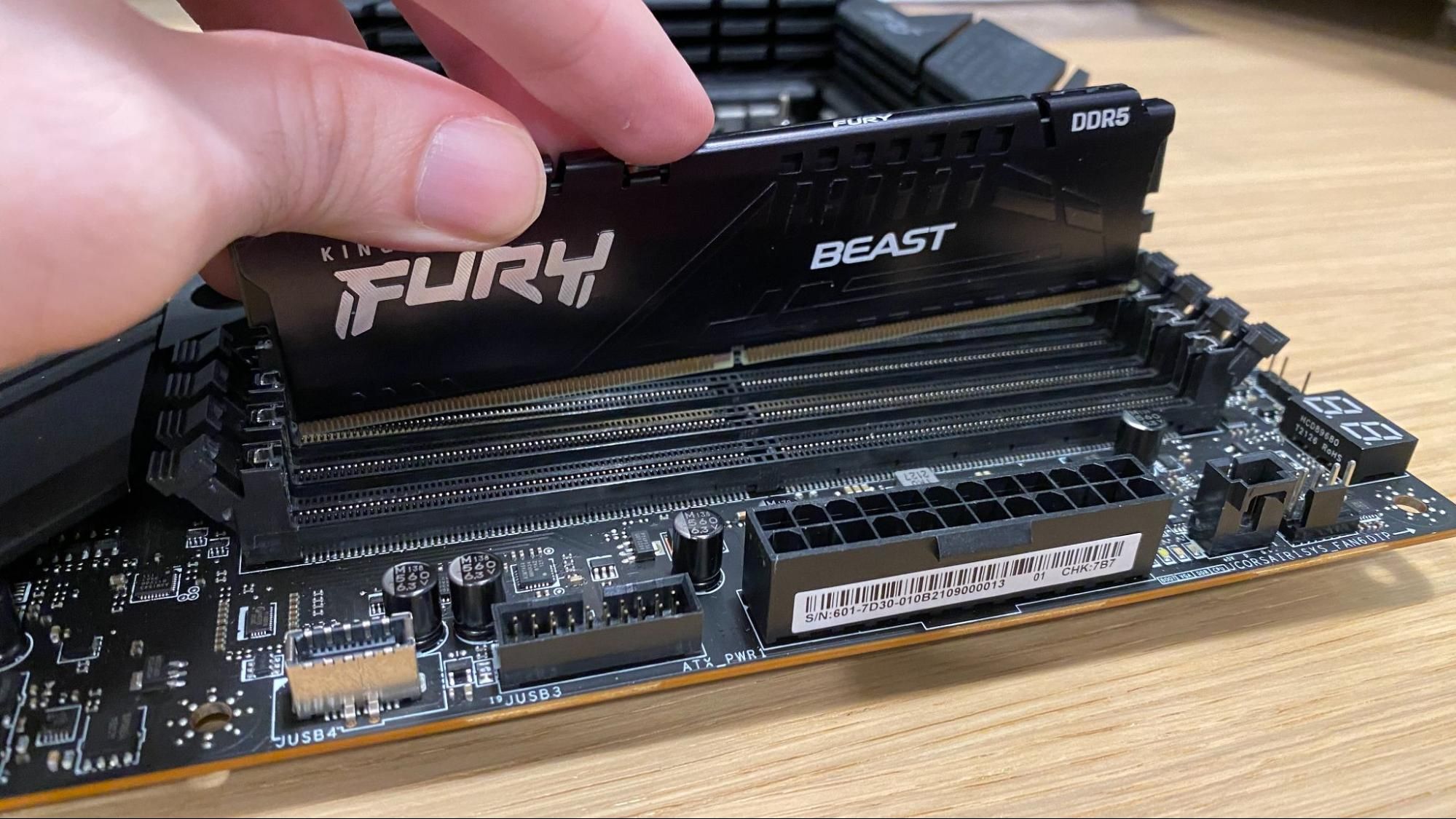
However, economic realities quickly collided with ideal software standards. As the "Ramageddon" component crisis deepened, memory module prices skyrocketed. The market saw sudden shortages in popular DDR4 and DDR5 kits, pricing budget-conscious consumers out of substantial hardware upgrades.
In response to surging manufacturing costs, laptop and prebuilt PC makers executed an abrupt about-face. They began stripping down their entry-level configurations, flooding the market once more with notebooks boasting a meager 8GB of RAM.
Sensing the disconnect between its forward-looking hardware guidelines and the sudden industry-wide retreat to 8GB configurations, Microsoft quietly purged its platform of the 2025 gaming optimization guide. Users attempting to access the URL are now met with an automatic redirection to the Windows Learning Center homepage. All references to the 32GB "no-worries" standard have evaporated from official guidance, marking a swift retreat from the company’s previous ambitions.
Supporting Context & Metrics: The Return of 8GB and the "Ramageddon" Crisis
The disappearance of Microsoft’s documentation is symptomatic of a wider systemic shift across the personal computing industry. Major OEM players, including Microsoft itself with its flagship Surface lineup, have recalibrated their offerings to survive the hardware crunch.
Retrenchment in the Surface Ecosystem
Microsoft recently restructured its hardware roadmap by pruning budget-oriented alternatives like the Surface Go and Surface Laptop Go lines. Instead of catering to the ultra-budget segment through specialized lightweight devices, the company has pivoted to introducing base 8GB versions of its core flagship hardware, including the Surface Pro 12, Surface Laptop 13, and commercial variants.
This strategy ensures that prices for entry-level devices remain psychologically acceptable to consumers facing inflationary pressures, even if it compromises long-term performance.
The Memory Footprint Dilemma
The reliance on 8GB systems introduces severe performance bottlenecks given the architecture of modern operating systems. While the baseline system requirements for Windows 11 officially list a modest 4GB of RAM, running the OS under such constraints in a modern context is functionally untenable for a seamless user experience.
Much of this pressure stems from the industry-wide adoption of web-based application frameworks. Modern developers increasingly rely on tools like React and WebView2. While these platforms dramatically accelerate software deployment and cross-platform compatibility, they carry a massive memory overhead compared to native applications written specifically for Windows.
When memory was cheap and plentiful, this inefficiency went largely unnoticed. Users could simply purchase an additional 16GB or 32GB kit for a nominal fee. Today, with memory prices fluctuating wildly and cheap kits increasingly difficult to secure, the penalty for inefficient software development falls squarely on the shoulders of the consumer.
Official Statements and Industry Reactions
While Microsoft has not issued a formal public press release explaining the deletion of the 32GB RAM guide, the company’s actions speak volumes. To mitigate the fallout of its hardware regressions, Redmond has made a counter-commitment: software optimization.
Vowing to Make Windows 11 "Fly" on 8GB
Recognizing that millions of users will be bound to 8GB systems for the foreseeable future, Microsoft has pledged to aggressively optimize Windows 11 throughout the year. Engineering teams have begun executing internal memory-reduction initiatives aimed at shrinking the operating system’s RAM footprint.
The goal is to ensure that even constrained hardware configurations can deliver acceptable responsiveness without constantly leaning on slower page files or virtual memory swaps.
Industry and Developer Perspectives
Independent analysts and hardware watchdogs have pointed out the inherent irony of this situation. For years, operating systems and application suites have expanded to consume whatever resources were made available to them—a modern interpretation of Wirth’s Law, which states that software gets slower faster than hardware gets faster.
Now, with physical hardware constraints forcing a hard ceiling on RAM capacities, software engineers face a reckoning. Developers are being pressured to return to principles of lean coding that have largely been abandoned in the era of abundant silicon.
Future Outlook: A Return to 1980s and 1990s Engineering Discipline?
The current memory crisis invites an interesting historical parallel. Industry veterans recall the 1980s and 1990s, an era when hardware limitations forced an obsessive focus on performance and efficiency.
- The Stopwatch Standard: Anecdotes from Microsoft’s past highlight a culture where every engineer was issued a stopwatch to time operations, ensuring that software remained lightning-fast despite the severely limited processing power and memory of early personal computers.
- The 80KB Task Manager: As a testament to this philosophy, the original Windows Task Manager—designed by the same engineer responsible for integrating native ZIP file support—was engineered to occupy a mere 80KB of space, enabling it to run smoothly on virtually any legacy machine without bogging down the system.
Whether modern software houses can successfully recapture this discipline remains an open question. With web-centric frameworks dominating the application landscape and AI-driven background tasks increasingly woven into the fabric of Windows 11, reducing the memory footprint of an entire ecosystem is a monumental undertaking.
Navigating the Competitive Landscape
Compounding these pressures is the competitive posture of alternative operating systems. Although Windows maintains an overwhelmingly dominant market share, both macOS and Linux continue to attract discerning users seeking efficient, lightweight alternatives that make better use of physical hardware.
As consumers digest the sudden erasure of Microsoft’s 32GB recommendation, the onus is now on both the operating system vendor and third-party developers to bridge the gap. If the industry cannot make Windows 11 fly gracefully on 8GB of RAM, the ongoing component shortage may well trigger a broader re-evaluation of how software is built, consumed, and valued in the modern digital age.