
Unlocking the Silicon: Inside the PlayStation 5 A53 Firmware Dump and What It Means for the Console’s Security Landscape
Executive Overview
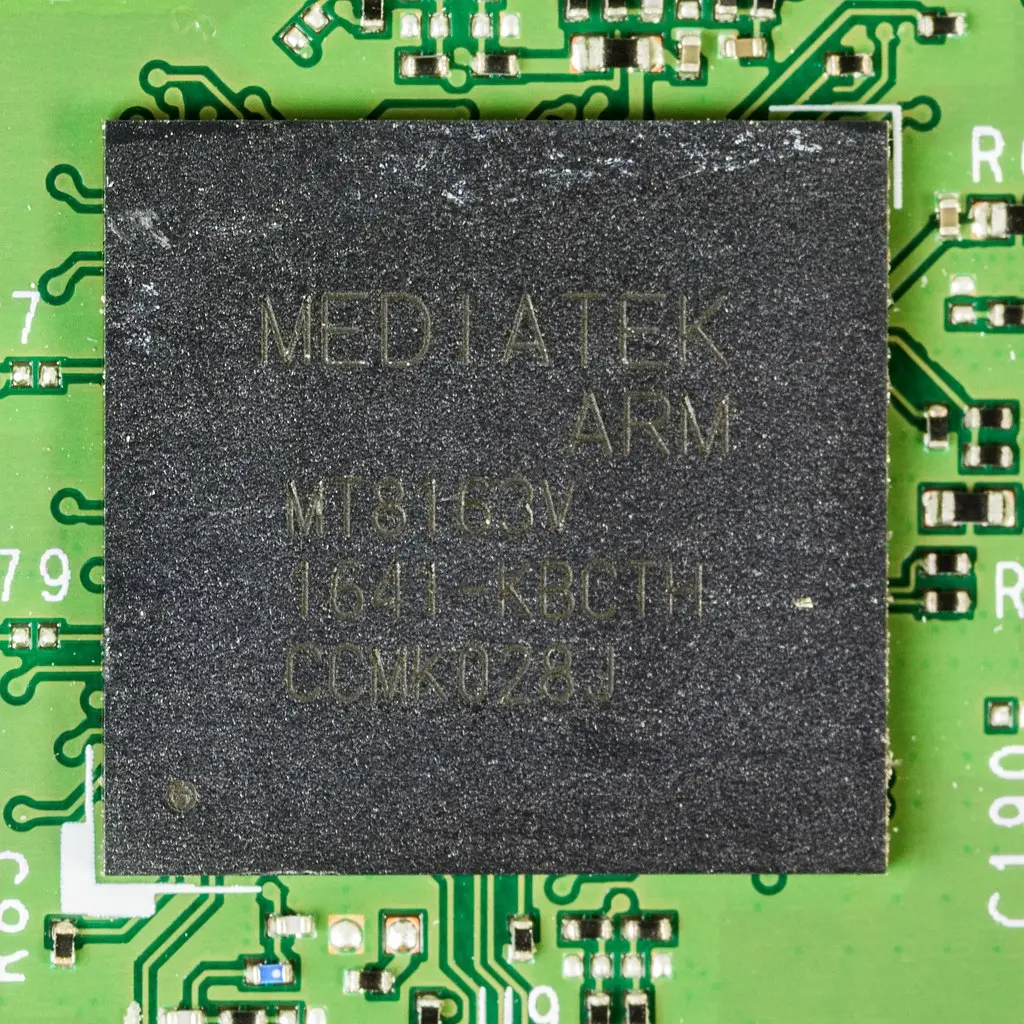
The PlayStation 5 hacking scene has entered a remarkably dynamic phase. In what may prove to be a foundational milestone for the console’s security research lifecycle, prominent developer and scene veteran Astrelsky has released a specialized utility designed to dump the a53.elf binary from the auxiliary ARM-based processor embedded within Sony’s flagship hardware. Following the rollout of this utility, complete firmware dumps of the PlayStation 5’s MP4/A53 coprocessor have been successfully extracted and published to the public domain.
For the uninitiated, the MP4/A53 is not the primary custom AMD Zen 2 CPU powering your games, nor is it the custom RDNA 2 graphics processor rendering high-fidelity ray tracing. Instead, it is a secondary, low-power ARM Cortex-A53 subsystem silently humming away on the console’s motherboard. While its exact day-to-day responsibilities have long remained shrouded in obscurity, recent reverse-engineering efforts suggest it holds a vital, privileged position in the console’s security chain—specifically touching upon auxiliary tasks, memory management, and potentially the cryptographic routines required to decrypt, install, and execute software.
Although the immediate release of these firmware dumps has set developer forums and Discord servers ablaze with speculation regarding the holy grail of console hacking—FPKG (Fake Package) support—the reality of the situation is far more nuanced. Achieving native, streamlined fake package installation on the PS5 requires scaling a nearly vertical cliff of reverse-engineering complexity. While the release of the a53.elf dumper provides researchers with an unprecedented window into Sony’s internal system architecture, realizing the dream of widespread homebrew ecosystems or streamlined game backup execution remains a distant, uphill battle.
This report provides an in-depth, investigative look at the recent A53 firmware dump, exploring the technical architecture of the MP4 chip, the hurdles facing the security research community, and what this development ultimately signals for the future of the PlayStation 5 modding ecosystem.
Detailed Chronology: How the A53 Exploit Vector Unfolded
To understand the weight of Astrelsky’s recent release, one must trace the incremental momentum that has characterized the PlayStation 5 security scene over the past several months. Unlike the rapid, sweeping exploits that characterized earlier generations of home consoles, the PS5’s modern security posture—heavily fortified by custom silicon roots of trust, strict hypervisor implementations, and hardware-enforced sandboxing—has forced researchers to chip away at the console’s defenses through meticulous, component-by-component analysis.
The Discovery of the Auxiliary Processor
For years, hardware sleuths pouring over PlayStation 5 system documentation and leaked developer wikis noted the existence of various secondary computing blocks residing on the main system-on-chip (SoC). Among these was an ARM Cortex-A53 cluster, internally referenced within Sony’s architecture as MP4 or simply the A53 processor.
While primary execution threads run on the heavy-duty AMD CPU cores, the A53 operates asynchronously behind the scenes. According to documentation curated by the community, its overarching purpose is multifaceted, handling asynchronous system services, debugging mechanisms (such as mdbg), certain video encoding and decoding pipelines, and low-level memory management routines.
However, security auditors examining hypervisor communications began to notice that the A53 wasn’t merely performing background utility work. Code trails indicated that the processor interacted heavily with system cryptographic modules. This revelation immediately elevated the A53 from a mere operational footnote to a primary target for advanced security researchers.
Astrelsky’s Dumper Utility Release
On May 20, 2025, developer Astrelsky fundamentally changed the conversation by publishing an explicit utility engineered to target this ARM subsystem. The tool extracts a53.elf—the executable linkable format binary containing the raw operating firmware of the Cortex-A53 processor—directly from running hardware.
Swiftly following the deployment of the utility, comprehensive dumps of the A53 firmware spanning multiple system software revisions were published across developer repositories. For reverse engineers, these ELF files represent a treasure trove of proprietary, bare-metal ARM code written by Sony and its hardware partners to manage the inner workings of the console’s security boundary.
Supporting Context & Technical Metrics: What is MP4/A53 and Why Does It Matter?
To truly grasp the significance of dumping a53.elf, one must dissect the underlying hardware architecture and weigh its operational role against the broader landscape of console exploitation.
The Anatomy of the ARM Cortex-A53 on PS5
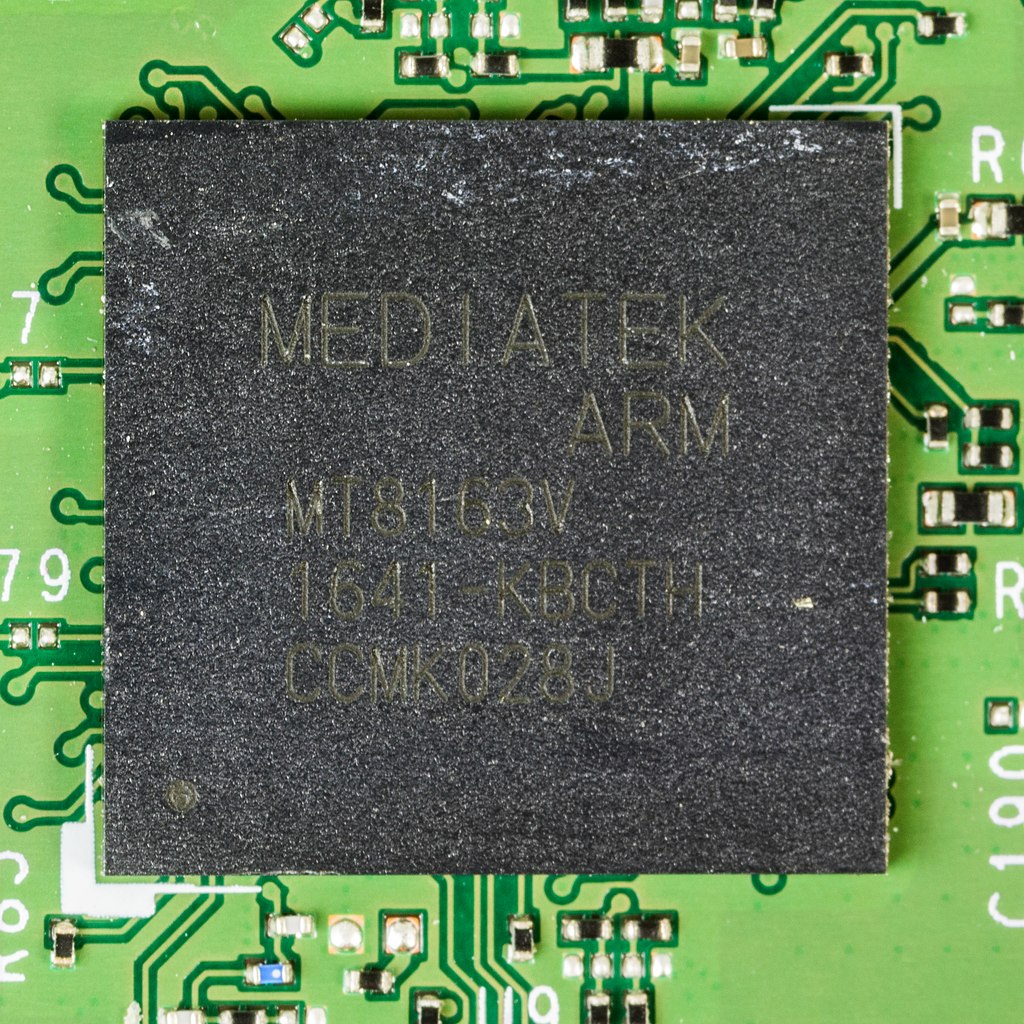
The ARM Cortex-A53 is a 32/64-bit microprocessor core implementing the ARMv8-A architecture. Known throughout the consumer electronics industry for its exceptional energy efficiency, the A53 has served for years as a workhorse in smartphones, set-top boxes, and smart home appliances (such as Amazon Echo devices).
+-------------------------------------------------------------p-------------------+
|                           PLAYSTATION 5 MAINBOARD ARCHITECTURE                  |
|                                                                                 |
|  +---------------------------+       +---------------------------------------+  |
|  |     AMD Zen 2 CPU         |       |      Custom AMD RDNA 2 GPU            |  |
|  |   (Primary Game Logic)    |       |      (Graphics & Ray Tracing)         |  |
|  +---------------------------+       +---------------------------------------+  |
|               |                                          |                      |
|               +--------------------+---------------------+                      |
|                                    |                                            |
|                       +--------------------------+                              |
|                       |    PlayStation 5 SoC     |                              |
|                       |                          |                              |
|                       |   +------------------+   |                              |
|                       |   |   MP4 / A53      |   |                              |
|                       |   |   Coprocessor    |   |                              |
|                       |   |  (System Utils,  |   |                              |
|                       |   |   Debug, Crypto) |   |                              |
|                       |   +------------------+   |                              |
|                       +--------------------------+                              |
+---------------------------------------------------------------------------------+
Its integration into a high-end gaming console like the PlayStation 5 highlights Sony’s reliance on a heterogeneous computing model. Rather than forcing the main x86-64 CPU cores to handle low-level administrative, telemetry, and security validation tasks continuously, offloading these operations to a dedicated, low-power ARM subsystem preserves thermal headroom and processing cycles for actual gaming workloads.
The Security Implications: Decryption and Installation Pipelines
Why are hackers so intensely focused on a background chip handling utility tasks? The answer lies in the chain of trust governing software execution on the PS5.
When a user attempts to launch a game or application—whether official or otherwise—the console runs through an elaborate validation sequence. The system must verify container signatures, decrypt application assets, and interface with the secure storage keys managed by the hardware. Multiple independent researchers have asserted that the MP4/A53 processor plays a direct role in this decryption and installation pipeline.
If security analysts can fully comprehend how the A53 interprets installation commands, handles cryptographic handshakes, and verifies package integrity, they may theoretically be able to forge or bypass these checks. This is the hypothetical pathway toward FPKG (Fake Package) support.
The Realities of FPKG and Homebrew Potential
In the lexicon of modern console modding, "FPKG" refers to modified application packages that bypass retail licensing checks, allowing users to run unsigned code, backups, or homebrew utilities natively from the system interface.
On the PlayStation 4, FPKG support transformed the hacking scene, giving birth to a vibrant ecosystem of custom themes, native game ports, debugging tools, and preservation projects. Naturally, the wider community looks toward the PS5 with the same expectations. However, experts urge caution against unbridled optimism.
While understanding the A53 firmware could theoretically illuminate vulnerabilities within the installation pipeline, turning that theoretical knowledge into a functional, user-friendly exploit chain is a monumental task. As history demonstrates, knowing where a lock is constructed is entirely different from possessing the key to open it.
Official Statements and Developer Insights
The gravity of the community’s technical hurdles was underscored by Astrelsky himself in frank statements delivered via Discord shortly after the utility’s release. Rather than painting a picture of an imminent, wide-open security floodgate, Astrelsky tempered expectations with a stark assessment of the work required:
"While it could lead to fakepkg, the level of RE [reverse engineering] and effort required to do so is relatively high. High enough to the point where I feel comfortable releasing it knowing none of you would be able to do it."
This candid remark highlights a core dynamic within advanced hardware hacking: the democratization of tools does not automatically translate to the democratization of expertise. While publishing the dumper gives researchers raw data to analyze, extracting meaningful security vulnerabilities from thousands of lines of compiled ARM assembly requires elite-tier reverse-engineering skills possessed by only a handful of individuals globally.

Furthermore, Astrelsky pointed out that other prominent security researchers, such as the legendary developer flatz, are actively investigating alternative exploitation pathways that may ultimately prove more tractable than targeting the A53 vector directly.
Compounding these structural challenges are hardware revisions implemented across the console’s lifespan. Astrelsky noted a critical engineering variance discovered within the MP4 architecture itself:
"Also the write memory sdbg command was added in mp4 at some point between the prototype and 4.50. So some lower versions may not even be able to write to mp4 memory this way. Which is unfortunate because it’s very convenient and they even flush the instruction cache for you."
This architectural fragmentation means that firmware version dependencies will play a massive role in whether this specific vulnerability vector can even be leveraged across different console hardware generations. Consoles running specific early versions lack the convenient debugging hooks found in later iterations, forcing researchers to develop entirely separate exploit vectors for different hardware cohorts.
Future Outlook: Where Does the PS5 Security Scene Go From Here?
The release of the A53 firmware dumper marks a fascinating inflection point for the PlayStation 5 security community, but it is unlikely to yield an overnight revolution for everyday end-users.
For the Casual Observer and Enthusiast
If you are an average owner of a PlayStation 5 hoping that the A53 firmware dump means easy, one-click jailbreaks or seamless game backups are right around the corner, temper your expectations. As experts have repeatedly emphasized, the dumper tool itself is of virtually no practical use to the general public.
Most firmware revisions have already been comprehensively mapped from a binary standpoint; the true bottleneck lies not in obtaining the firmware dumps, but in decoding their complex behavioral logic. The average user will not see any tangible software modification or homebrew enabler emerge from this release in the immediate future.
For the Security Research Community
For advanced reverse engineers, cryptographers, and vulnerability researchers, however, the publication of a53.elf dumps across multiple system software versions represents an invaluable dataset.
- Deep Static Analysis: Researchers can now load the ELF files into disassembly suites like IDA Pro or Ghidra to map out the exact internal function calls of the MP4 processor.
- Cross-Firmware Comparison: By performing diffing analysis between firmware versions (such as comparing pre-4.50 builds against later revisions), analysts can pinpoint where Sony patched security holes, added debugging commands, or altered memory management protocols.
- Collaborative Synergy: With raw binaries publicly available, decentralized teams of independent researchers can divide and conquer specific subroutines within the ARM codebase, accelerating the collective understanding of the console’s peripheral security layers.
The Long-Term Horizon
Sony, for its part, continues to play an aggressive game of cryptographic cat-and-mouse. Through continuous hardware revisions, hypervisor hardening, and over-the-air firmware updates, the corporate giant has constructed one of the most resilient consumer hardware fortresses in gaming history.
Whether the clues hidden within the A53 firmware will eventually provide the leverage needed to crack open the PS5’s installation pipeline remains one of the industry’s most compelling tech-sec storylines. For now, the release of Astrelsky’s dumper serves as a testament to the relentless ingenuity of the homebrew community—and a reminder that in the world of modern hardware security, every closed door eventually invites someone to pick the lock.