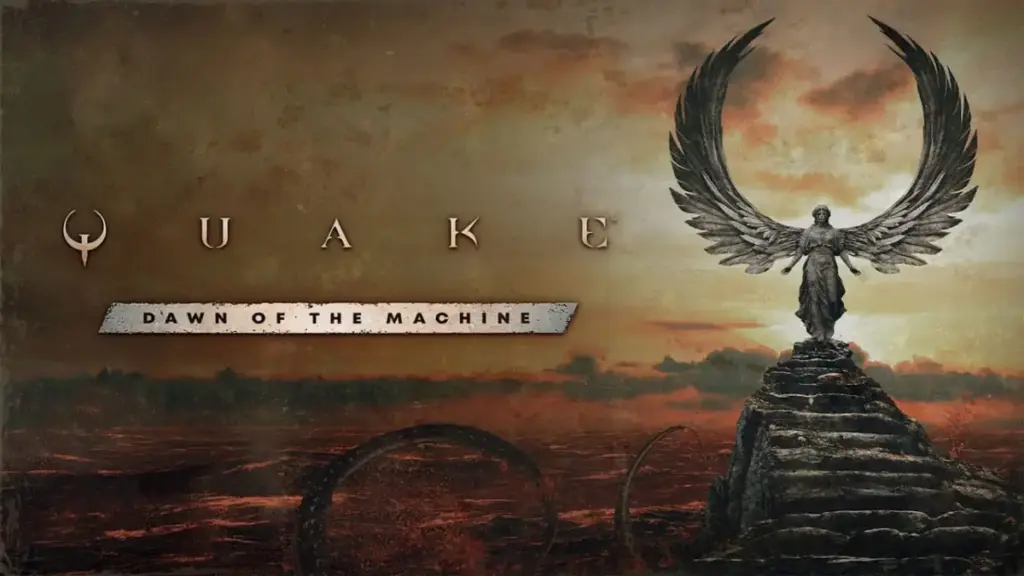
Three Decades of Fragmentation and Fury: id Software and MachineGames Celebrate Quake’s 30th Anniversary with "Dawn of the Machine"
By Sebastian Santabarbara
Updated August 7, 2026
Executive Overview
It is difficult to overstate the seismic impact of id Software’s Quake when it first tore across cathode-ray tube monitors in the summer of 1996. Eclipsing the technical and cultural achievements of its spiritual predecessors, Wolfenstein 3D and Doom, Quake introduced the gaming world to true 3D polygonal environments, dynamic lighting, and a brooding, industrial-gothic aesthetic underscored by Trent Reznor’s industrial soundscape. Thirty years later, the genre-defining titan remains a foundational pillar of modern first-person shooter design.
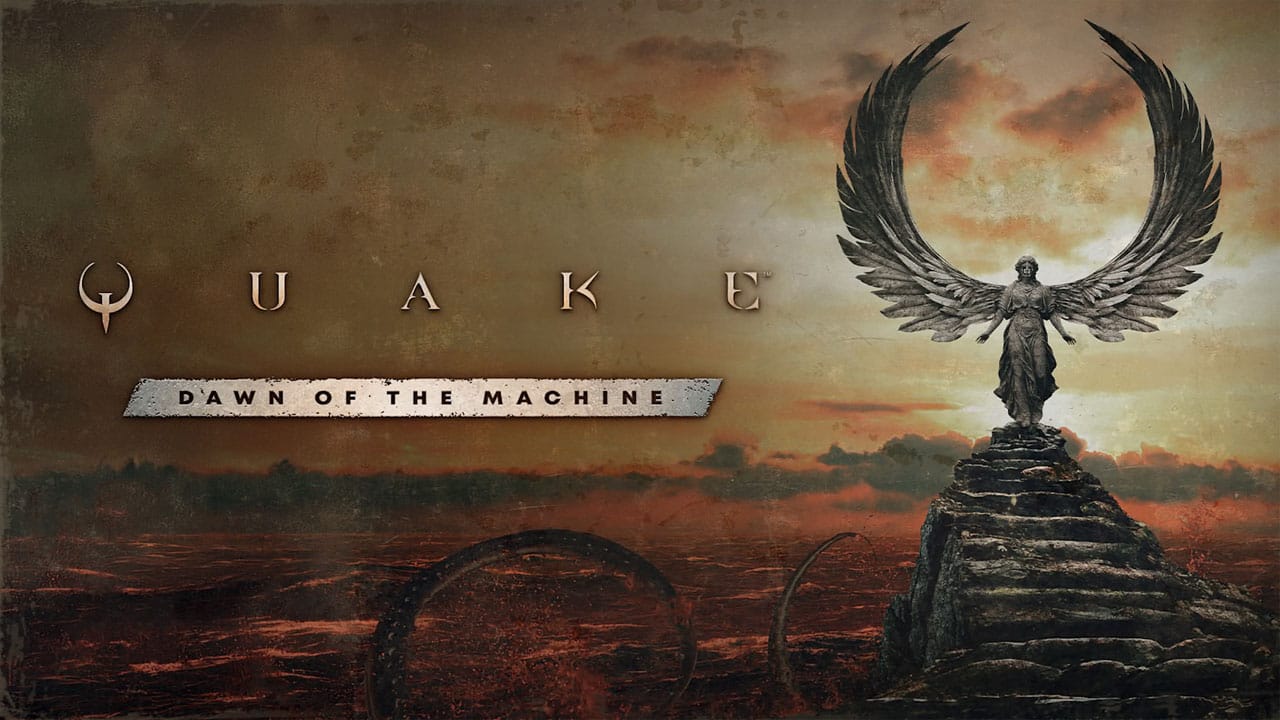
In a move that bridges three decades of gaming history, id Software—in collaboration with veteran studio MachineGames—has released a brand-new, officially sanctioned expansion titled Dawn of the Machine. Delivered as a completely free update for owners of the 2021 Quake (Enhanced) remaster, this latest episodic content drop marks a monumental milestone. It proves that the fast-paced, high-skill "boomer shooter" mechanics of the mid-1990s possess timeless enduring appeal.
Available across an expansive modern hardware ecosystem—including PC, Steam, Xbox Series X/S, Xbox One, PlayStation 5, PlayStation 4, Nintendo Switch, and backward-compatible support for the Nintendo Switch 2—Dawn of the Machine invites both veteran frag-aholics and a new generation of players to step once more into the breach. This comprehensive report explores the genesis of the update, the creative synergy between id Software and MachineGames, the narrative stakes of Ranger’s latest gauntlet, and what this release signifies for the longevity of classical PC gaming heritage.
Detailed Chronology: From 1996 Codebase to Modern Remastering
To fully appreciate the weight of Dawn of the Machine, one must examine the tumultuous and brilliant engineering arc that brought Quake from its 1996 origins to its current status as a living, breathing archival artifact.
The Summer of ’96: A Paradigm Shift
Released on June 22, 1996, Quake was born of technical wizardry and internal studio friction at id Software. Spearheaded by John Carmack, the development of the Quake engine shifted the industry away from sprite-based rendering and pseudo-3D "2.5D" geometry (as seen in Doom) toward fully realized three-dimensional polygons. This technological leap required a complete rethinking of level design, collision detection, and client-server network architecture—ultimately laying the foundational networking groundwork for modern competitive online multiplayer.
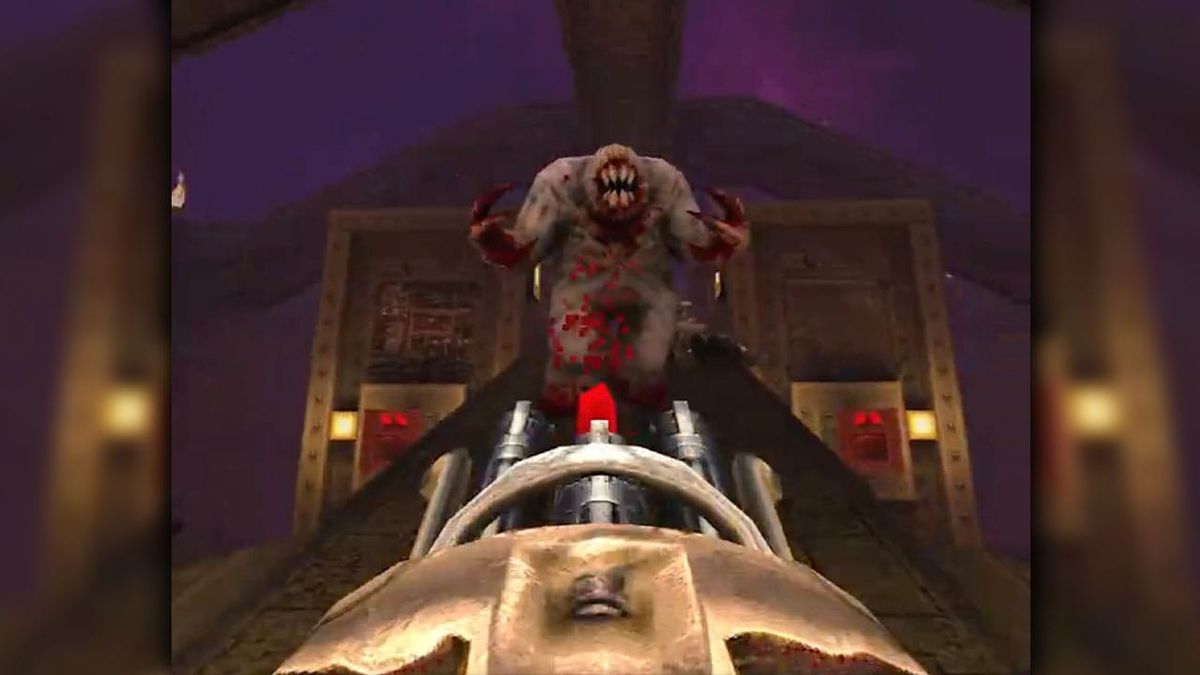
The game’s setting—a surreal blend of dark fantasy, Lovecraftian cosmic horror, and military science fiction—was cemented by a grim protagonist known only as Ranger. Armed with a diverse, perfectly balanced arsenal ranging from the ubiquitous shotgun to the screen-clearing Quad Damage-enhanced Rocket Launcher, players carved through gothic cathedrals, subterranean lava caverns, and rusted tech-bases.
The Modern Renaissance: The 2021 Enhanced Edition
For years, experiencing Quake on modern hardware required relying on community-made source ports like DarkPlaces or navigating compatibility hurdles on modern operating systems. That changed dramatically during QuakeCon 2021, when id Software, with the technical assistance of Nightdive Studios, released Quake (Enhanced).
This definitive edition unified the community by offering:
- Native 4K and widescreen resolution support.
- Enhanced character models, dynamic lighting, and ambient occlusion.
- The original official expansions—Scourge of Armagon and Dissolution of Eternity.
- Brand-new episodes crafted by modern masters of the genre, starting with MachineGames’ critically acclaimed Dimension of the Machine (2021).
The Evolution of MachineGames’ Episodic Contributions
MachineGames, a studio globally celebrated for its narrative-driven re-imagining of Bethesda’s Wolfenstein franchise, holds a deep corporate and artistic reverence for id Software’s classic catalogue. Starting with Dimensions of the Past (released to celebrate Quake‘s 20th anniversary in 2016) and followed by Dimension of the Machine in 2021, the Swedish developer carved out a niche as the premier custodians of classic Quake level design.
Dawn of the Machine represents the pinnacle of this multi-year creative partnership. Rather than resting on nostalgic laurels, MachineGames has utilized the enhanced engine capabilities to push architectural complexity, encounter pacing, and atmospheric storytelling to unprecedented heights within the confines of the classic Quake toolset.
Supporting Context & Metrics: The Scale of Dawn of the Machine
While modern triple-A gaming frequently focuses on photorealistic graphics, cinematic motion capture, and hundreds of gigabytes of streaming assets, Dawn of the Machine reminds players of the profound depth achievable through tight loop design, verticality, and punishing enemy choreography.

Technical and Design Metrics
| Metric Category | Detail / Specification |
|---|---|
| Developer Partnership | MachineGames in collaboration with id Software |
| Platform Availability | PC, Steam, Xbox Series X/S, Xbox One, PS5, PS4, Nintendo Switch, Nintendo Switch 2 (via backwards compatibility) |
| Pricing | 100% Free Update for existing owners of Quake (Enhanced) |
| Preceding Expansions | Dimensions of the Past (2016), Dimension of the Machine (2021) |
| Cooperative Support | Full campaign co-op integration for solo players or duos |
| Core Design Pillars | Labyrinthine geometry, aggressive monster closets, reality-bending illusion motifs |
The Mechanics of Mastery
The engineering triumph of Quake (Enhanced) lies in its ability to run at buttery-smooth frame rates (up to 120Hz and beyond on compatible displays) while faithfully preserving the original physics, momentum, and weapon handling of the 1996 build. Bunny-hopping, strafe-jumping, and rocket-climbing remain as responsive and vital as they were three decades ago.
Dawn of the Machine leverages these mechanics ruthlessly. The level architecture is deliberately designed to disorient, forcing players to read complex 3D spaces rapidly, manage ammunition pools under extreme pressure, and exploit environmental hazards to survive encounters against classic foes—Fiends, Shamblers, and Vores—alongside cleverly recycled variants modified to test modern reflexes.
Official Statements & Narrative Framework: Inside Ranger’s Endless Loop
The narrative framework of Dawn of the Machine departs slightly from standard sci-fi military incursions, diving headfirst into psychological horror and cosmic surrealism.
The Developer Perspective
Announcing the release via social media and official Bethesda channels, MachineGames expressed profound humility and excitement regarding the milestone:
"We just released a brand-new free episode for @Quake (Enhanced), Dawn of the Machine, to celebrate the 30th anniversary of a game that means so much to everyone at our studio. Available now! In it, Ranger finds himself trapped in a dimension of endless illusion and must track…"
— MachineGames Official Communications
Bethesda’s official release notes for the Quake 30th Anniversary Update elaborate further on the sensory and atmospheric design of the expansion, promising players:
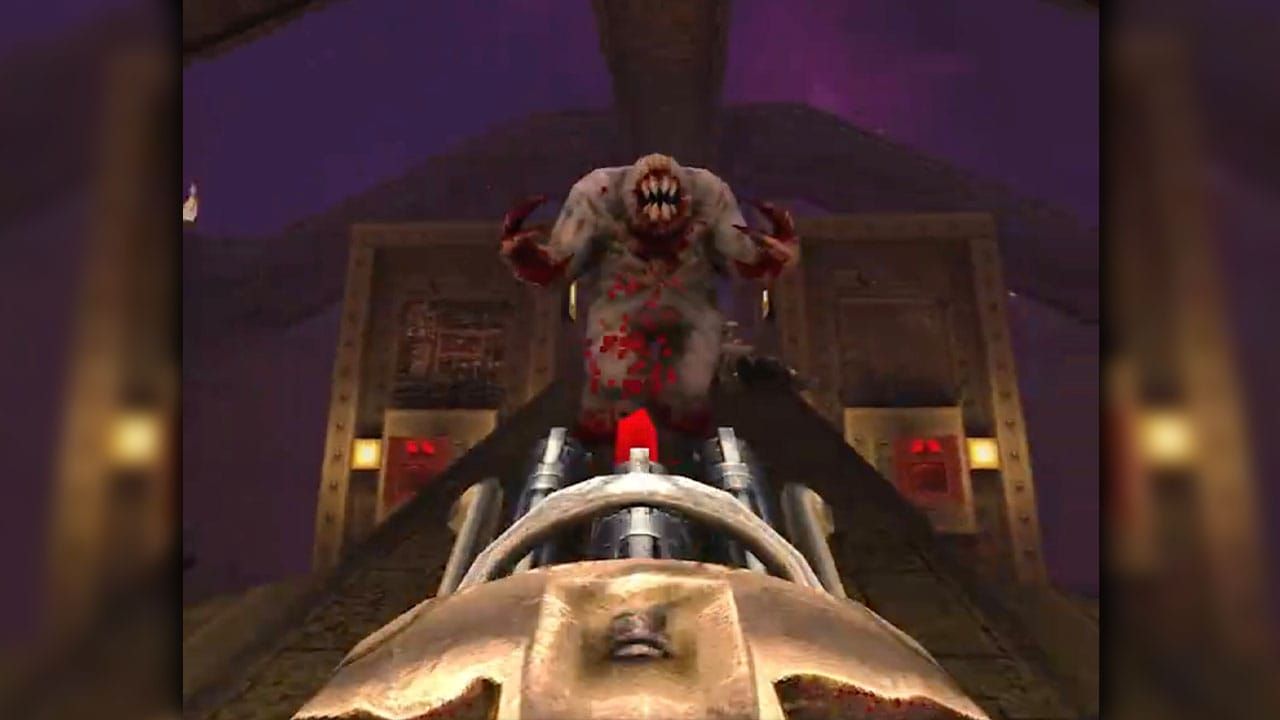
‘…ferocious combat, labyrinthine level design, and nightmarish realms that twist reality beyond recognition.’
Narrative Breakdown: The Nightmare Loop
In Dawn of the Machine, protagonist Ranger is cast into a conceptual purgatory—a dimension of endless illusion where time and space fold inward. The expansion frames Ranger’s struggle as a brutal, high-octane iteration of Groundhog Day. He is forced to relive the same terrifying, fatal loops over and over again, perishing repeatedly in his frantic search for an exit.
At the heart of this fractured reality sits the Nightmare Machine—an eldritch construct responsible for sustaining the endless illusions. To break the cycle, Ranger must navigate increasingly labyrinthine corridors, solve spatial puzzles reminiscent of the best classic ID software design, and dismantle the machine piece by piece.
This narrative premise elevates the expansion above a simple "collection of maps," lending emotional weight and a cohesive thematic identity to the relentless carnage.
Future Outlook: The Enduring Legacy of the Classic FPS
As the gaming industry grows increasingly consolidated, iterative, and risk-averse, the longevity of Quake serves as a powerful counter-narrative. The success of Dawn of the Machine highlights several vital trajectories for the medium:
1. The Preservation of Gaming History through Updates
The decision by Bethesda and id Software to issue Dawn of the Machine as a free update rather than a paid standalone DLC sets a gold standard for digital preservation. It rewards early adopters, respects the community that has kept the game alive via user-generated content (mods and map packs) for decades, and ensures that historical codebases remain vibrant, playable, and commercially viable on modern storefronts.
2. The Commercial Viability of "Retro" Complexity
There is an insatiable appetite for high-fidelity retro shooters (often colloquially termed "boomer shooters"). Games like Dusk, Ultrakill, and Ion Fury have proven that players crave skill-based movement mechanics, complex map layouts that require manual exploration rather than GPS waypoint markers, and combat encounters that prioritize mechanical mastery over passive cinematic viewing. Quake remains the undisputed grandfather of this design philosophy.
3. What Lies Ahead for the Quake IP?
With Dawn of the Machine closing out a major anniversary celebration, fans are naturally speculating on the future of the franchise. While rumors regarding a full-scale modern reboot or sequel have circulated within industry circles for years, the sheer quality and polish of MachineGames’ episodic add-ons prove that the existing engine, when touched by dedicated artisans, still possesses infinite headroom for creative expression.
Whether playing solo or teaming up with a friend in cooperative multiplayer to conquer the labyrinthine horrors of the Nightmare Machine, players worldwide can agree on one immutable truth: thirty years on, Quake has lost none of its thunder.
Support independent games journalism and human-authored reporting. Consider supporting platforms like Retro Dodo by becoming a member, offering a tip, or exploring partner networks like GameNook to ensure that passionate, human-driven coverage survives the automated algorithm age.