The Analog Architectures of Nostalgia: How CRT Physics and Hardware Constraints Shaped the PlayStation 2 Era
Executive Overview
The architecture of the PlayStation 2 (PS2) remains a watershed moment in video game hardware history, representing a masterclass in designing around analog constraints rather than digital pixel counts. Released at the turn of the millennium, the console was built almost from the ground up to interface seamlessly with Cathode Ray Tube (CRT) televisions. Unlike modern hardware governed by fixed pixel grids and digital framebuffers, the PS2’s Graphics Synthesizer (GS) and Cathode Ray Tube Controller (CRTC) were inextricably linked to the physical realities of scanlines, analog timings, and regional television broadcasting standards.
Examining the PS2 through a modern technological lens reveals a fascinating dichotomy. On one hand, its custom hardware boasted advanced, forward-looking features like dual vector units (VU0 and VU1) capable of geometry pipelines that anticipated modern mesh shaders by nearly two decades. On the other hand, it was severely bottlenecked by a meager 4 megabytes of embedded dynamic RAM (eDRAM) for its framebuffers. This harsh constraint forced developers into ingenious optimization loops, reliance on interlaced field rendering, and strict adherence to locked 60Hz or 50Hz display targets.
This deep-dive investigation explores the complex technical symbiosis between the PlayStation 2 and CRT displays, examining how hardware memory caps dictated framerates, why early video game magazines misjudged the console’s graphical fidelity, the contentious transition to widescreen and progressive scan modes, and the enduring regional divide between North American NTSC and European PAL formats. Finally, we trace how these legacy engineering choices ripple into modern emulation and display technologies, such as CRT beam-racing shaders on contemporary OLED panels.
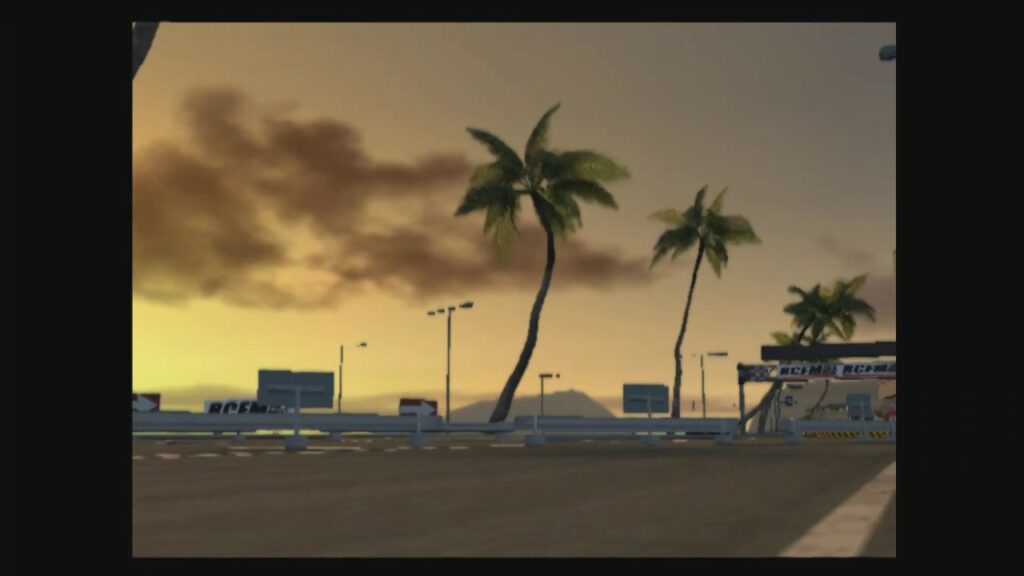
Detailed Chronology: From Analog Foundations to the High-Definition Transition
The 2000 Launch: Engineering for the CRT Paradigm
When Sony launched the PlayStation 2 in Japan in March 2000 (followed by North America in October and Europe in November), the consumer display market was dominated by standard-definition analog CRT televisions. The console’s architecture mirrored this reality. The Graphics Synthesizer was engineered not to paint static digital canvases, but to direct an electron gun across a phosphor-coated glass screen using precise horizontal and vertical scanline timings.
While the PS2 Linux kit introduced experimental VESA display modes for VGA computer monitors, commercial game developers ignored these standards entirely. Instead, they optimized exclusively for interlaced NTSC (640×448 at 60Hz) and PAL (640×512 at 50Hz) signals.
The Mid-Generation Shift: Widescreen, Progressive Scan, and EDTVs (2001–2004)
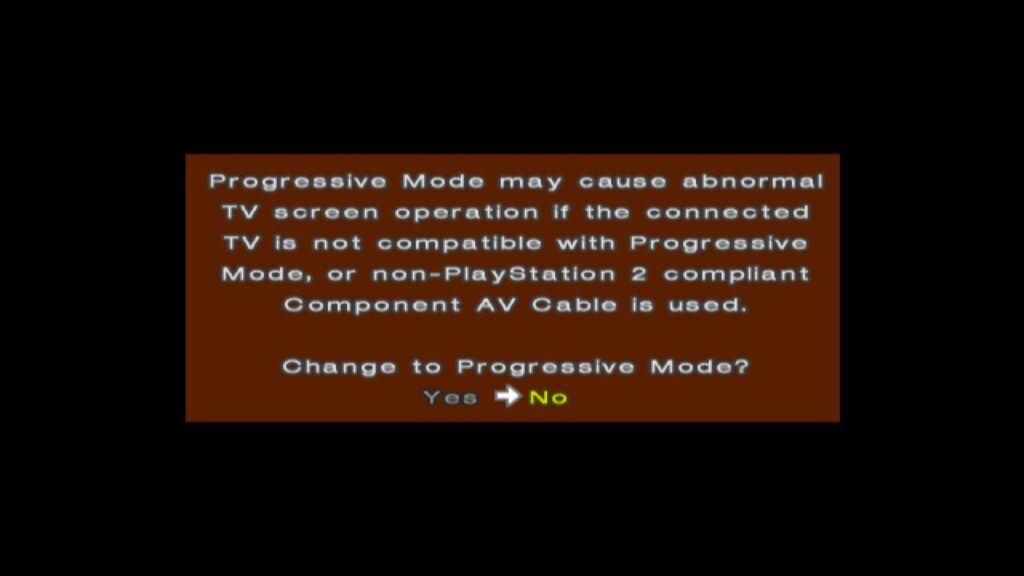
As the 2000s progressed, the consumer market began shifting toward Enhanced Definition Television (EDTV) standards, allowing for progressive scan (480p) output via Component cables in NTSC regions and RGB SCART cables in Europe. Simultaneously, the PS2’s secondary function as a mainstream DVD player popularized anamorphic widescreen content.
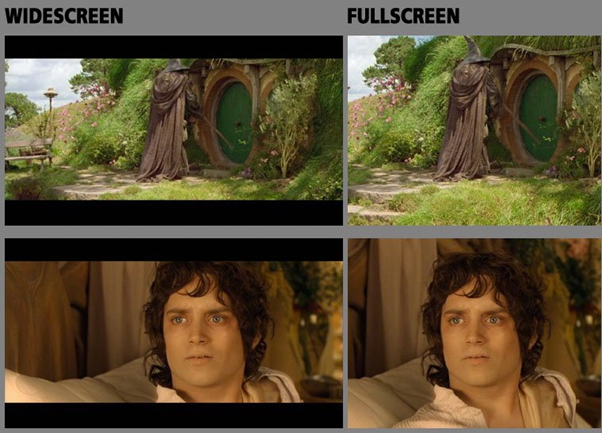
Game developers scrambled to adapt. Titles began introducing native progressive scan modes (accessible via button combinations at boot) and rudimentary widescreen options. However, due to the 4MB eDRAM limitation, many developers implemented "Vert-" widescreen modes—cropping the top and bottom of the 4:3 image and zooming in—rather than properly expanding the horizontal field of view (Hor+).
The 2005+ Paradigm Shift: The Rough Migration to LCD and Flat Panels
The mid-2000s marked the twilight of the CRT era and the aggressive commercial push into liquid-crystal display (LCD) flat panels. This transition proved catastrophic for sixth-generation consoles. Early LCD panels suffered from severe input latency, motion blur, and ghosting—flaws that exposed the limitations of PS2-era visual tricks, such as feedback-based motion blur, which relied on the inherent phosphor decay of CRTs to look natural. The industry-wide adoption of HDMI and digital high-definition standards for the seventh generation (PlayStation 3 and Xbox 360) finally eliminated regional PAL/NTSC framerate discrepancies, but left legacy hardware stranded in a mismatch of analog signals and digital panels.
Technical Deep-Dive: Memory Constraints, Framerate Locking, and Interlacing
The 4MB eDRAM Bottleneck and Bandwidth Paradox
The defining constraint of the PlayStation 2’s Graphics Synthesizer was its 4MB of embedded VRAM. Sony explicitly instructed developers to view this memory not as a traditional VRAM pool, but as a dynamic scratchpad. Storing a full uncompressed 640×480 frame buffer at 32-bit color depth was mathematically impossible within those confines, as it would consume over 1.2MB alone, leaving virtually no room for textures, z-buffers, or render targets.

Yet, paradoxically, the memory bandwidth of the GS was astronomical. Operations that crippled competing desktop GPUs of the era—such as alpha blending, multi-pass rendering, and rapid framebuffer copying—were nearly free on the PS2. Games like Driv3r pushed the GS’s bandwidth in ways that would have brought contemporary PC hardware to a halt. Furthermore, the dual vector units (VU0 and VU1) acted as fully programmable SIMD coprocessors, handling geometry transformations with a flexibility that foreshadowed modern GPU architecture.
Field Rendering vs. Frame Mode: The Secret to Locked Framerates
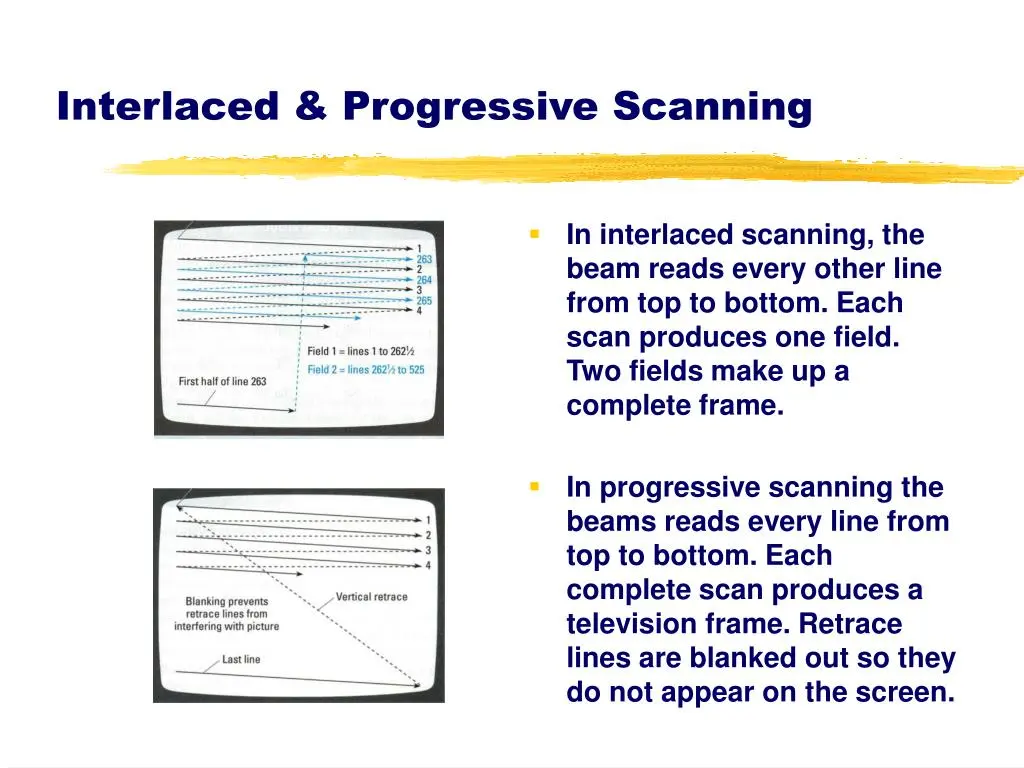
To circumvent the 4MB memory limit while maintaining high performance, developers relied heavily on field rendering (interlaced modes). Instead of rendering a full frame at once, the system rendered alternating fields (odd or even scanlines) at resolutions like 640×240 or 512×224.
This halved the memory footprint per frame and cut render times in half, making a locked 60fps target achievable. However, this approach introduced a terrifying technical caveat: frame pacing stability was absolute law.
On a CRT, if a game missed its render deadline and failed to output a new field, the previous field had to be displayed twice. This caused the entire image to instantly jump vertically by a single scanline, producing a violent visual jitter. To prevent this, developers utilized aggressive internal pacing strategies—often artificially slowing down game logic or dropping frames when performance faltered, ensuring that visual output remained locked to the 60Hz/60fps grid.
Conversely, frame mode rendered full, progressive-style frames (640×448). While more forgiving of dropped frames (the screen would simply repeat the second field of the previous frame without vertical shifting), it drastically increased render times and pushed the 4MB eDRAM to its absolute breaking point.
The "Jaggies" and Gaming Journalism Misconceptions
At launch, the PS2 drew intense criticism for jagged edges ("jaggies") and an apparent lack of anti-aliasing, especially when compared to the Sega Dreamcast. Much of this criticism was exacerbated by the medium of print gaming journalism.
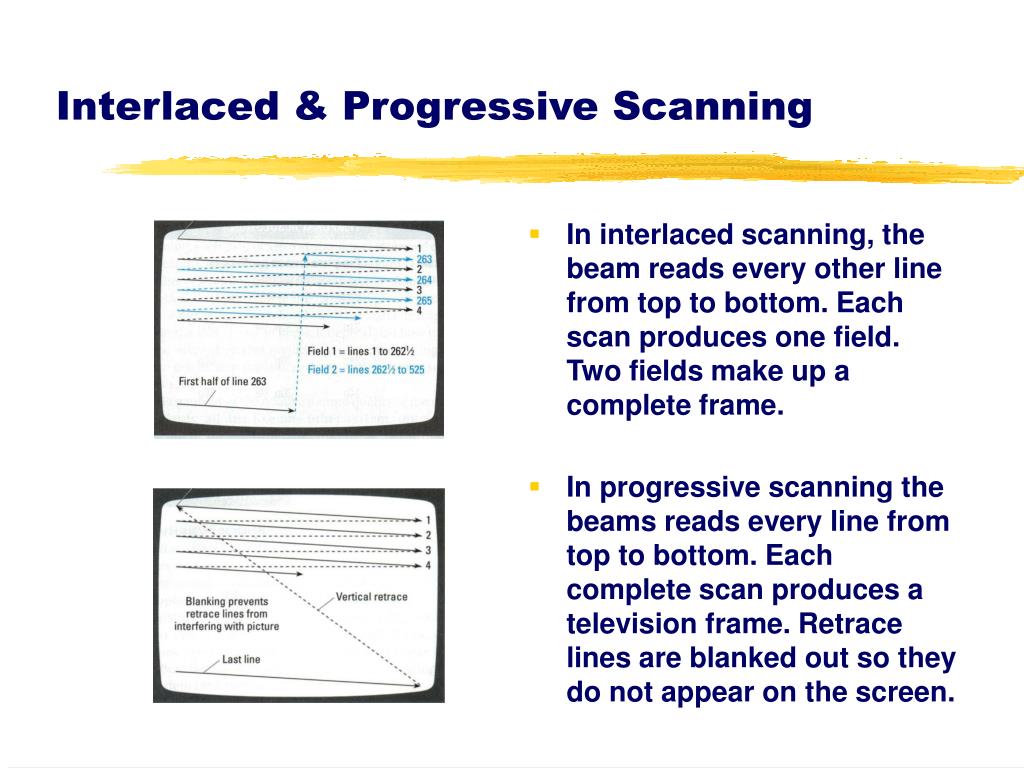
Magazines captured screenshots using single-field capture hardware. Because the PS2 frequently output interlaced fields, a magazine screenshot often captured only the odd or even lines of a frame, rendering images far more jagged and artifact-laden on glossy paper than they appeared in motion on a real CRT television.
Regional Disparities: The PAL vs. NTSC Divide
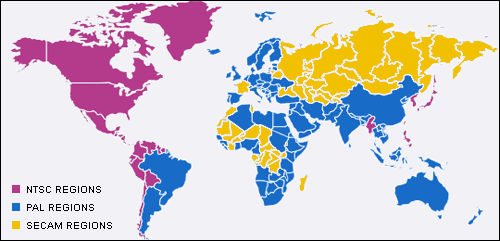
While North American and Japanese players enjoyed a baseline 60Hz experience via NTSC signals, European gamers faced a much harsher technological reality governed by PAL standards.
+------------------+------------------+-------------------+
| Region Standard  | Refresh Rate     | Resolution (Typical)|
+------------------+------------------+-------------------+
| NTSC (US/Japan)  | 60 Hz            | 640 x 448         |
| PAL (Europe)     | 50 Hz            | 640 x 512         |
+------------------+------------------+-------------------+
PAL systems operated at 50Hz, running games 16.9% slower than their NTSC counterparts and introducing thick letterboxing bars due to PAL’s higher vertical resolution. While European developers (such as Core Design and Psygnosis) optimized their titles by rendering extra scanlines, the underlying frame rate remained shackled to 50Hz.
Sony’s refusal to standardize PAL60 early in the generation forced developers to implement clumsy NTSC 480i switches or abandon 60Hz options entirely. Role-playing giants like Square faced immense difficulties porting games featuring heavy Full Motion Video (FMV) pre-rendered cutscenes, as fitting both 50Hz and 60Hz FMV assets onto a single DVD was impossible. Consequently, masterpieces like Final Fantasy X launched in Europe locked to 50Hz, cementing a generational frustration for European enthusiasts.
Supporting Context & Metrics: Widescreen Implementations
The integration of widescreen support on sixth-generation consoles exposed deep compromises in resource management. Developers utilized three primary scaling methodologies:
- Hor+ (Horizontal Plus): The correct widescreen implementation. The horizontal field of view is extended, rendering more of the game world on screen without vertical cropping.
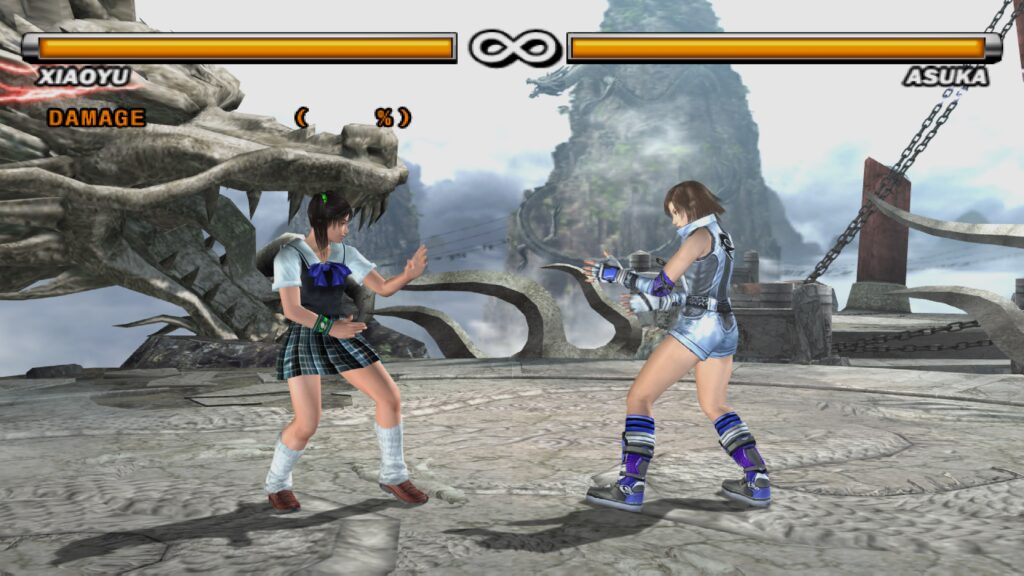
- Vert- (Vertical Minus): The most common PS2 widescreen method. The top and bottom of the 4:3 image are cropped, and the remaining center is zoomed in to fill a 16:9 display. This results in artificially enlarged character models and lost environmental detail (utilized by games like Tekken 5, Ratchet & Clank, and Jak and Daxter).
- Hor+/Vert- Hybrid: A balanced approach that crops minimal vertical data while slightly expanding the horizontal view.
Advanced titles like Gran Turismo 4 pushed proprietary boundaries by offering pseudo-1080i modes. Rather than natively rendering at 1920×1080, Gran Turismo 4 rendered internally at 640×540 and used the Graphics Synthesizer’s CRTC magnification registers (MAGH of 3, MAGV of 2) to scale the image up to 1080i. On a period-correct CRT, this trickery looked remarkably convincing, though modern digital displays expose its underlying shortcuts.
Future Outlook: Reclaiming CRT Fidelity on Modern Displays
The long-tail legacy of the PlayStation 2 hardware architecture is currently undergoing a renaissance. For decades, playing classic consoles on modern LCD and LED flat panels meant enduring terrible input latency, motion blurring, and degraded visual fidelity due to the loss of natural CRT phosphor persistence.
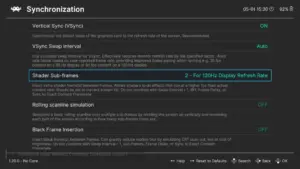
However, recent advancements in emulation and display technology are bridging this historical gap. Breakthroughs such as BlurBusters’ CRT beam-racing simulator shaders—integrated into platforms like RetroArch—dynamically replicate the exact scanline-drawing behavior of analog hardware on modern high-refresh-rate OLED panels.
By combining cutting-edge display persistence emulation with advanced CRT shaders, enthusiasts in the 2020s can finally experience PlayStation 2 software with the sub-millisecond motion clarity, native latency, and aesthetic warmth that hardware engineers intended back in 2000. The analog ghost in the machine has finally found a worthy digital home.