Taming the Cord Jungle: The RetroTap Centralized Power Solution Aims to Revolutionize Classic Gaming Setups
By Brandon Saltalamacchia
Updated: August 23, 2026 • 3 min read
Executive Overview
For decades, the ritual of setting up a retro gaming sanctuary has been accompanied by a universal, albeit hazardous, headache: the dreaded "wall wart" cluster. Enthusiasts who proudly display classic hardware from the 80s and 90s are all too familiar with the chaotic web of bulky power bricks, tangled extension cords, and overloaded wall sockets required to keep vintage systems running. Beyond the aesthetic eyesore of a cable management nightmare lurks a genuine safety concern—tripped fuses, overheating power supplies, and inefficient electrical draws that can put both a cherished vintage collection and a physical home at risk.
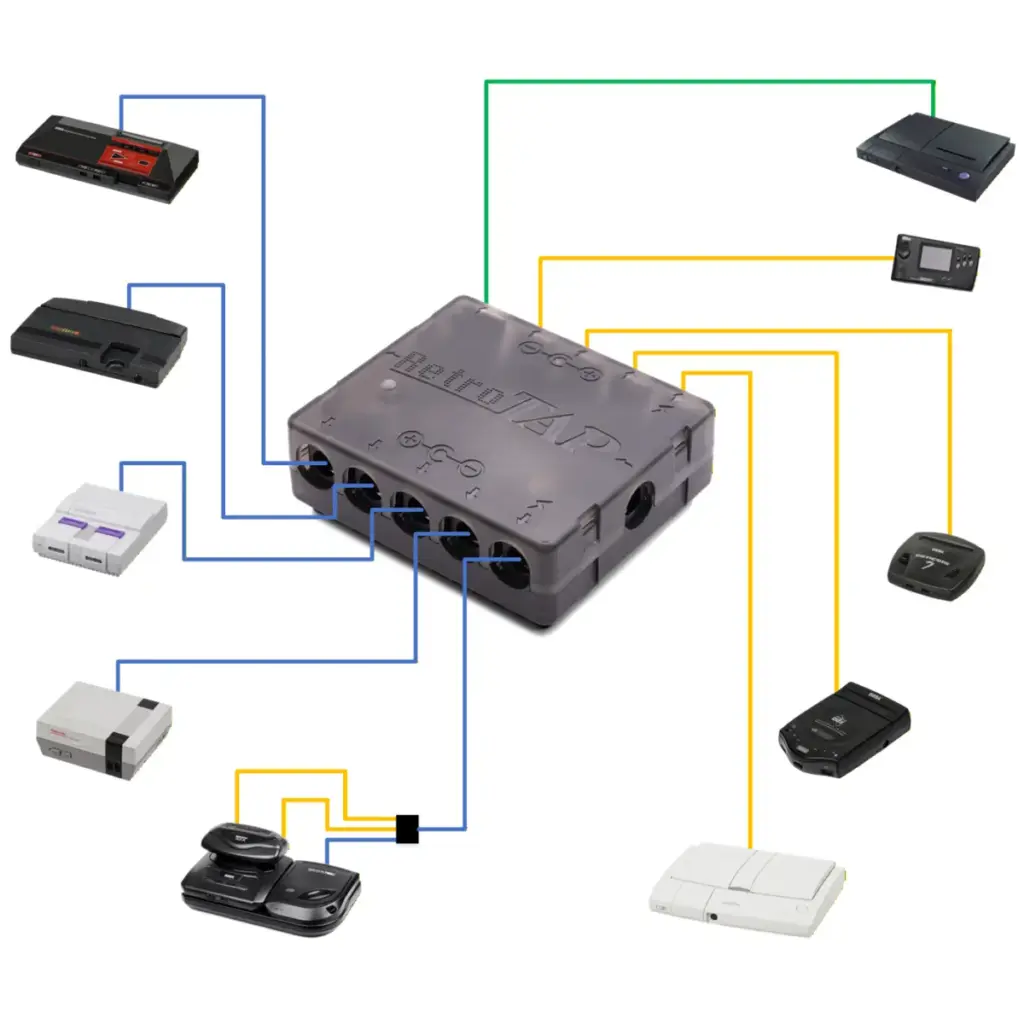
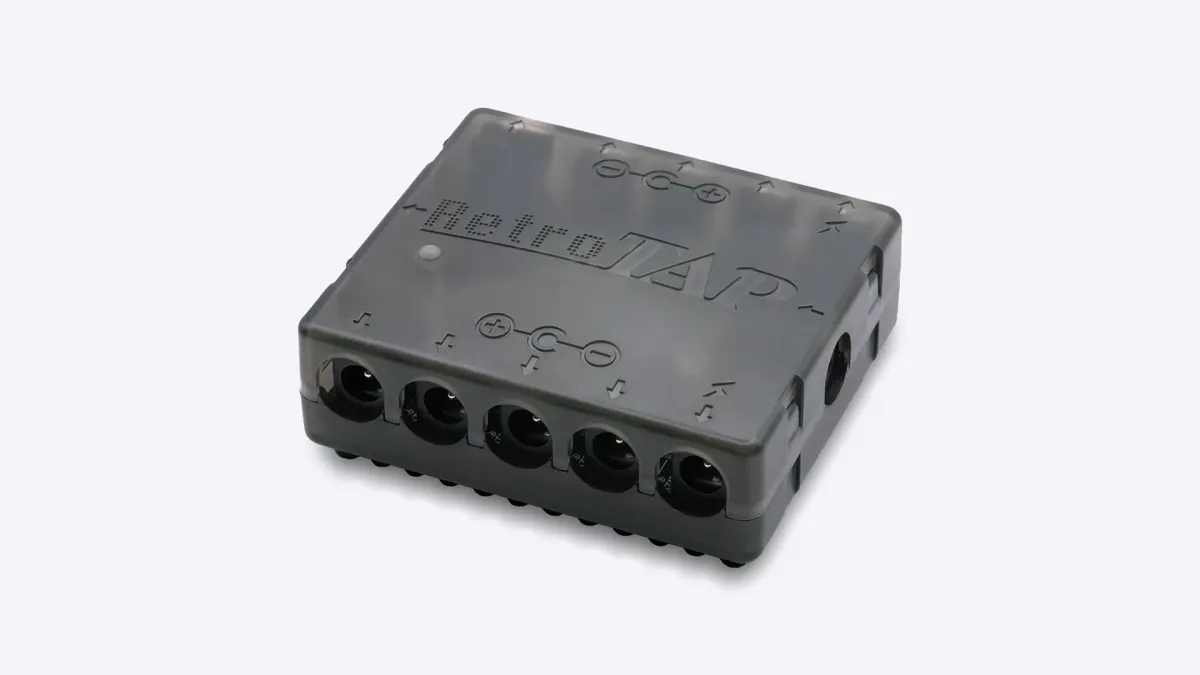
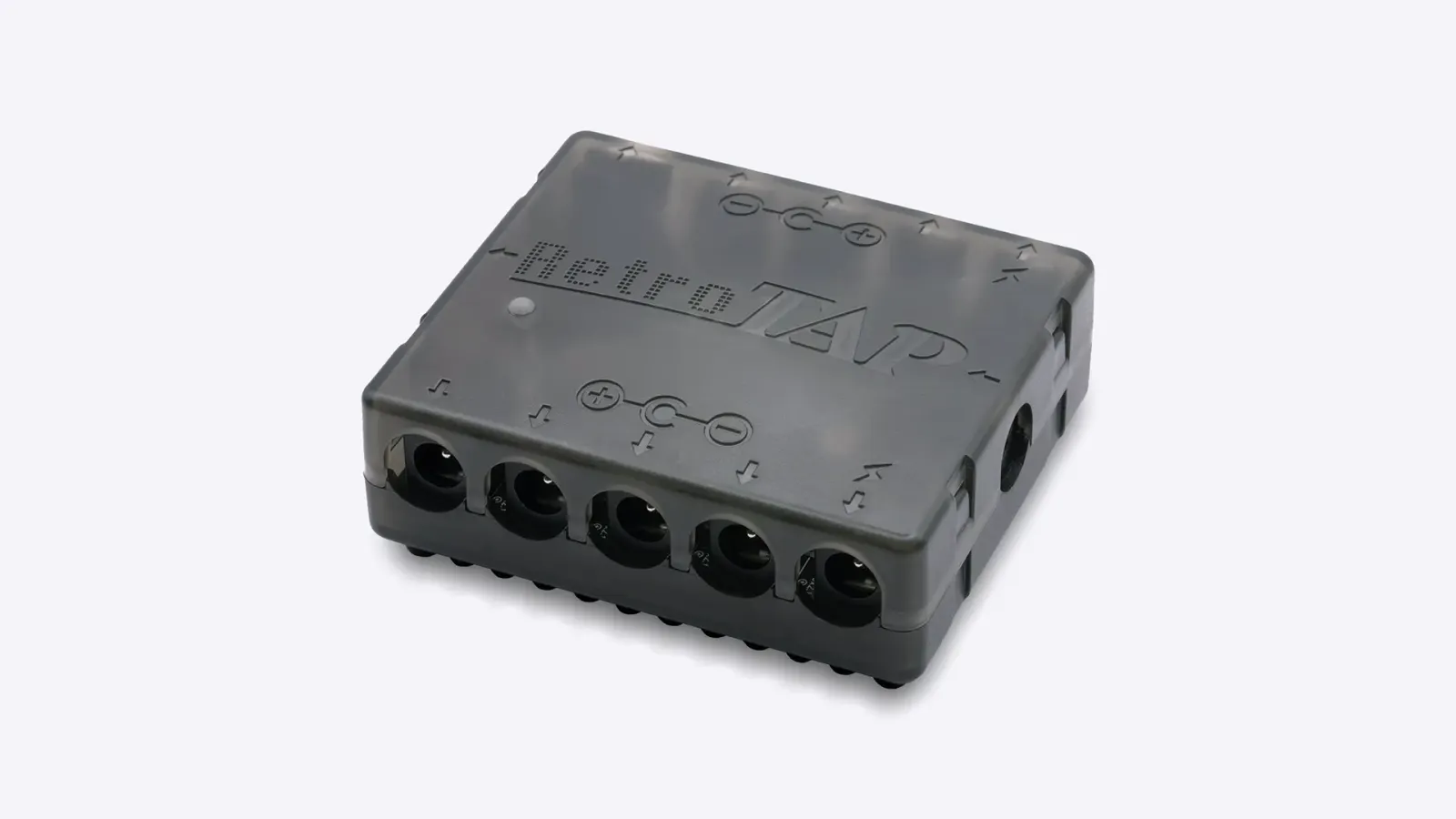
Enter the RetroTap, a purpose-built, centralized power distribution system designed explicitly for retro gaming setups. Priced accessibly at $59.99 and housed inside a premium injection-molded enclosure shell, this newly developed hardware promises to replace up to 11 aging, individual power adapters with a single, highly regulated, and structurally sound unit. Featuring integrated electrical filtering, automatically resetting overcurrent protection, and ultra-low ripple stable power delivery, the RetroTap aims to bridge the gap between vintage nostalgia and modern electrical safety.
Following more than six months of rigorous volunteer beta testing and exhaustive internal safety evaluations, the RetroTap is scheduled for a limited-batch launch on September 3rd via its official storefront. As the retro gaming community continues to expand, hardware solutions that prioritize safety, longevity, and cleanliness are more critical than ever. This comprehensive report explores the engineering philosophy, safety architecture, compatibility parameters, and market impact of the upcoming RetroTap system.
Detailed Chronology: From Concept to Commercial Launch
The journey toward a unified retro power solution did not happen overnight. For years, the community relied on a patchwork of DIY modifications, generic multi-voltage power supplies, or keeping dozens of individual OEM bricks plugged in permanently, often running warm even in standby mode. The conceptualization of the RetroTap began as an effort to solve these compounding engineering and practical challenges for hardcore collectors and content creators alike.
Phase 1: Conceptualization and Prototyping (Early-to-Mid 2025)
The creators behind the RetroTap identified a glaring market gap. While high-end scalers, ODEs (Optical Drive Emulators), and modern HDMI mod kits have modernized how retro games look and load on contemporary displays, the foundational power infrastructure remained stuck in the 20th century. Designers set out to engineer a central distribution hub that could safely step down and distribute regulated DC power to multiple consoles simultaneously without introducing electromagnetic interference (EMI) or voltage drop issues.
Phase 2: Rigorous Beta Testing (Late 2025 – Mid 2026)
Electrical safety cannot be rushed. Recognizing the risks associated with multi-console power delivery, the development team initiated an extensive, six-month volunteer beta testing phase. Early prototypes were distributed to community testers who put the hardware through continuous, heavy-load scenarios. This phase was crucial for identifying thermal thresholds, refining the auto-resetting overcurrent protection circuits, and ensuring that power ripples were kept to an absolute minimum to prevent audio-video interference on sensitive CRT and flat-panel displays.
Phase 3: Final Production and Launch Strategy (August – September 2026)
With beta feedback integrated into the final printed circuit board (PCB) design and housed within a durable, injection-molded enclosure, the project cleared its final hurdles. Announced in August 2026, the team confirmed an official release date of September 3rd. To manage production yields and maintain strict quality control, the RetroTap will debut in limited batches directly through the official Kytor/RetroTap web store, allowing the small team to carefully scale operations in response to consumer demand.
Supporting Context & Metrics: Engineering the Ultimate Retro Hub
To understand why a device like the RetroTap represents a significant leap forward, one must examine the electrical realities of collecting fourth-generation and earlier video game hardware.
The Problem with "Wall Warts"
Original power supplies (OEM "wall warts") supplied with consoles in the 1980s and 1990s are, by design, aging components. Many utilize outdated linear transformer designs that generate excessive heat, waste electricity as thermal energy, and lack modern short-circuit protection. Furthermore, finding replacement OEM power bricks in working condition is becoming increasingly difficult and expensive. Using cheap, uncertified third-party modern replacements, meanwhile, often introduces severe electrical noise—manifesting as hums in audio channels or rolling bars on video outputs—and poses severe fire hazards.

RetroTap’s Technical Specifications & Safeguards
The RetroTap shifts the paradigm by consolidating power management into an intelligent distribution node. Key metrics and design features include:
- Consolidated Capacity: Powers up to 11 individual retro gaming consoles from a single high-efficiency master power supply.
- Overcurrent Protection (OCP): Features hardware-level, automatically resetting overcurrent protection. If a short circuit or abnormal draw occurs on a specific line, the system isolates or resets safely without permanently blowing fuses or damaging the core unit.
- Ultra-Low Ripple Output: Integrated electrical filtering ensures that the DC power supplied to each console is clean and stable, preserving signal integrity for pristine audio and video performance.
- Build Quality: Housed in a robust, premium injection-molded enclosure shell designed to withstand the rigors of an active gaming room or entertainment center.
- Price Point: Retailing at an accessible $59.99, making it a cost-effective alternative to purchasing multiple high-grade individual aftermarket power supplies.
Compatibility Parameters: What Works and What Doesn’t
A common pitfall of universal gaming accessories is broad, generalized marketing that leads to user error. The creators of the RetroTap have been refreshingly transparent regarding the operational boundaries of their device.
Supported Systems (Primarily 9V DC Consoles up to Gen 4)
The RetroTap is engineered specifically for 9V direct current (DC) consoles typically spanning the first four generations of video gaming history. This includes iconic 8-bit and 16-bit systems from manufacturers like Nintendo, Sega, and NEC, where power requirements fall safely within the distribution limits of the hub’s bus architecture.
Notable Exclusions
Transparency is vital when handling electrical hardware. Consumers must note that high-draw systems utilizing alternating current (AC) or internal power supplies are not compatible with the RetroTap. Specifically:
- Sega Dreamcast: Relies on an internal power supply unit (PSU) connecting directly to mains AC power.
- Sony PlayStation 2 (PS2): Features an internal power supply (or external proprietary brick on slim models) that operates outside the scope of this DC distribution hub.
- PlayStation Portable (PSP): Uses specialized mobile charging parameters incompatible with this stationary multi-console setup.
Users are strongly encouraged to consult the official RetroTap compatibility guides and documentation prior to connecting their specific hardware variations.
Official Statements and Community Reception
The announcement of the RetroTap has struck a chord within the retro gaming community, resonating deeply with collectors, preservationists, and content creators who are tired of wrestling with cable management.
In official statements released alongside the product specifications, the creators emphasized the philosophy driving the project:
"The RetroTap replaces aging, bulky wall warts with a simplified, modern, central power solution. We wanted to build something that not only clears up the tangled web behind entertainment centers but does so with industrial-grade safety features that give collectors absolute peace of mind."
The inclusion of over six months of volunteer beta testing has also earned the development team significant goodwill. In an industry where hardware accessories are occasionally rushed to market to capitalize on hype, the methodical, safety-first approach taken by the RetroTap team has positioned the product as a trustworthy investment rather than a gimmick.
Future Outlook: The Evolution of Retro Accessories
As the retro gaming hobby matures into a multi-million-dollar subculture, the standard for accessories has shifted dramatically. Enthusiasts are no longer satisfied with cheap, utilitarian gear that merely gets the job done; they demand professional-grade reliability, aesthetic cohesion, and uncompromising safety standards.
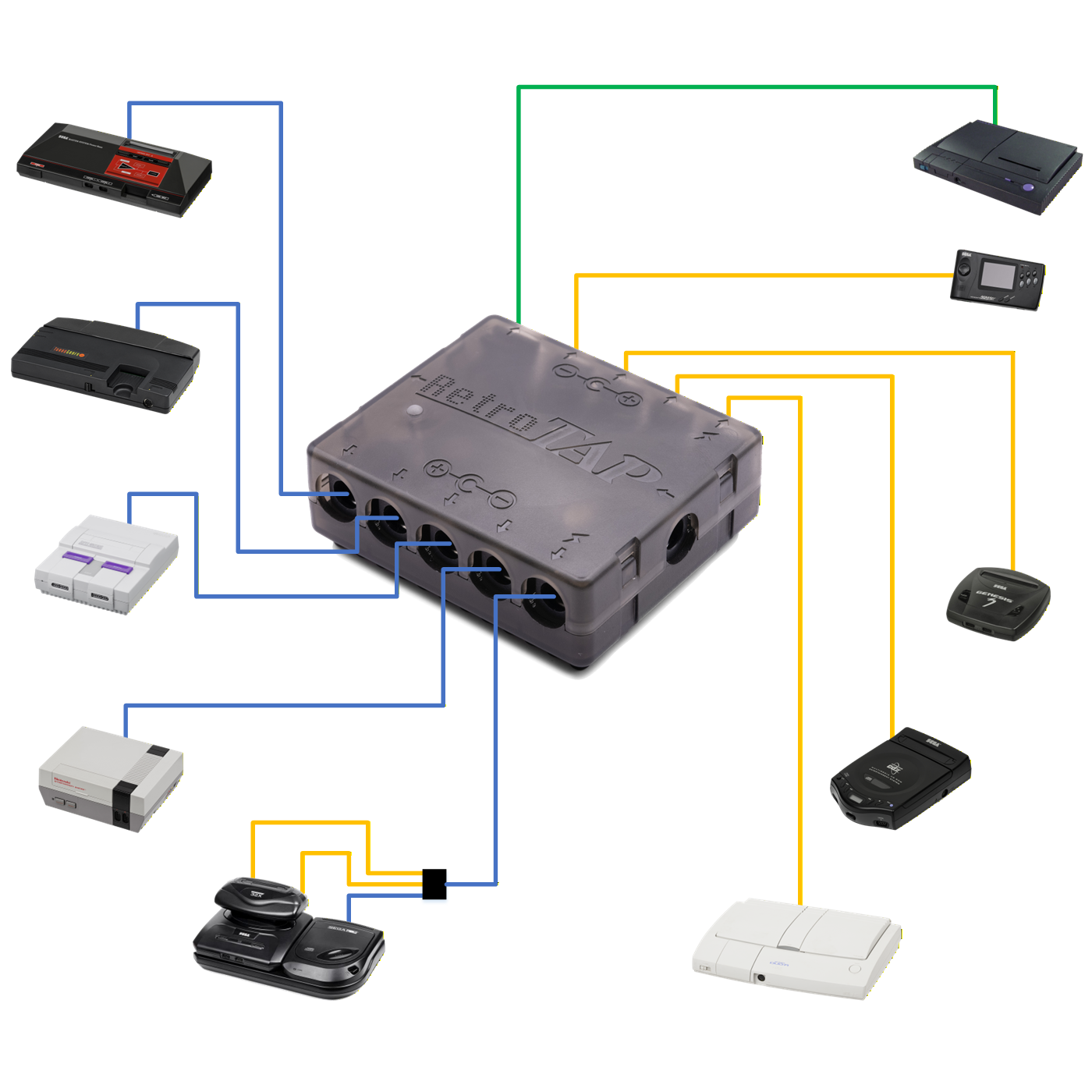
The launch of the RetroTap on September 3rd may well serve as a watershed moment for how collectors manage their physical spaces. By eliminating thermal hazards, reducing electrical clutter, and ensuring clean, stable power delivery for up to 11 classic systems at a remarkably fair price point of $59.99, it addresses a decades-old pain point with modern engineering excellence.
As initial batches roll out and make their way into enthusiast setups worldwide, the broader industry will be watching closely. If the RetroTap delivers on its ambitious technical promises, it could quickly become an indispensable gold standard for retro gaming rooms across the globe—proving that looking backward at classic games doesn’t mean having to rely on outdated electrical technology.