Mastering the Depths: A Comprehensive Tactical Guide to Overcoming the Pufferfish Boss in How to Fish
Executive Overview
The indie fishing simulator and survival-crafting hybrid How to Fish has steadily built a reputation for deceptive charm masking brutal, unforgiving gameplay mechanics. While early encounters—such as boiling the ferocious Spider Crab or turning the Giant Piranha into convenient fish sticks—taught players the basic tenets of aquatic combat and resource management, the arrival of the Island 2 vendor and the subsequent Pufferfish boss battle marks a massive difficulty spike.
This buoy-like, bloated marine menace has quickly become a notorious roadblock for solo players and cooperative squads alike. Defeating the Pufferfish requires more than just twitch-reflex shooting; it demands meticulous quest progression, high-tier weaponry investments, profound geographic awareness, and an immense reservoir of patience. This exhaustive tactical breakdown investigates the prerequisites, weapon metas, and environmental strategies necessary to conquer How to Fish’s most punishing aquatic adversary to date.
Detailed Chronology: From Island Exploration to the Pufferfish Showdown
The path to the Pufferfish encounter is far from linear. Progressing to the third major zone of How to Fish initiates a sequence of fetch quests and tactical positioning that tests a player’s endurance long before a single shot is fired at the boss itself.
Step 1: Initiating the Quest with the Swimmer in Yellow Floaties
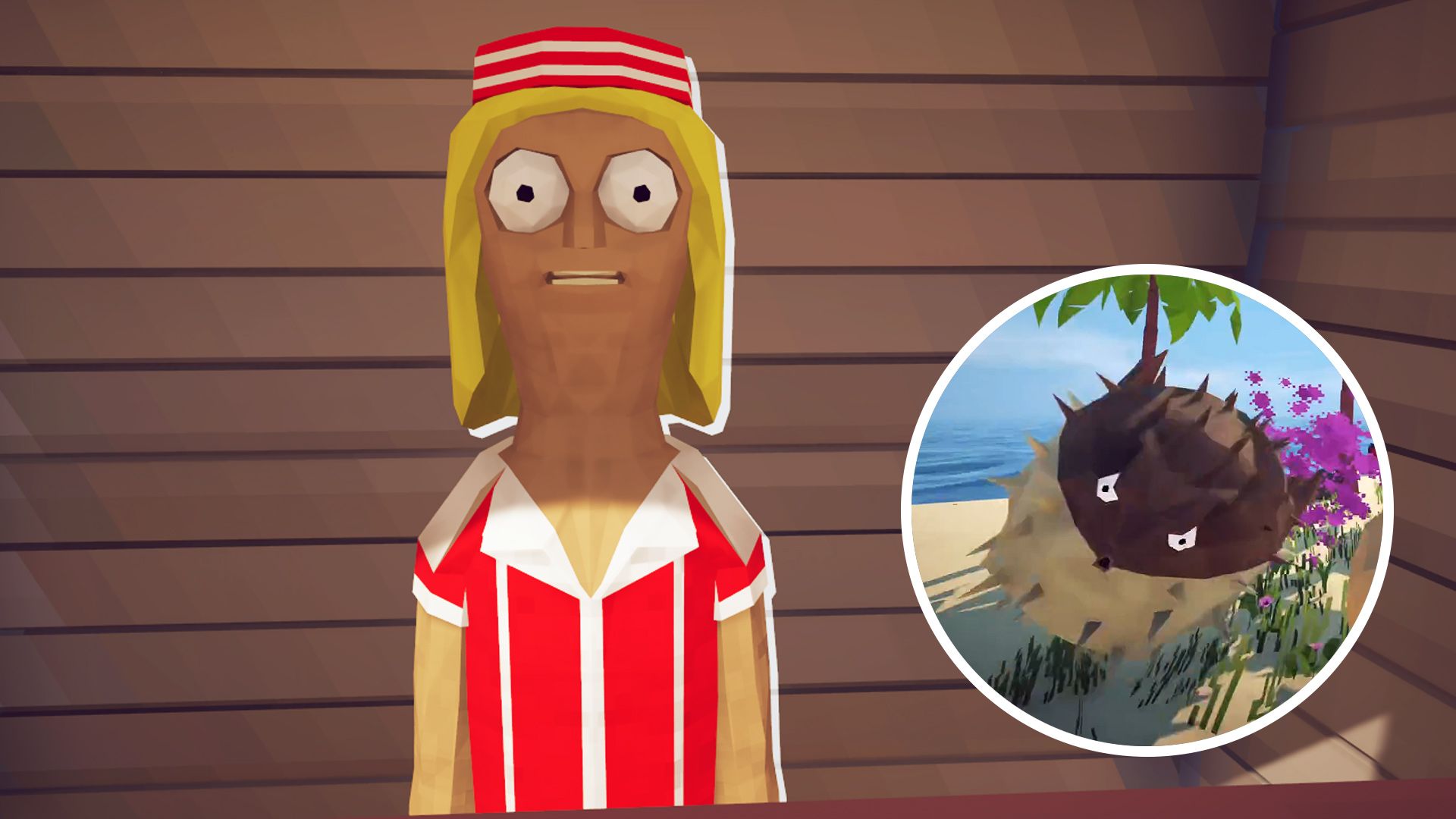
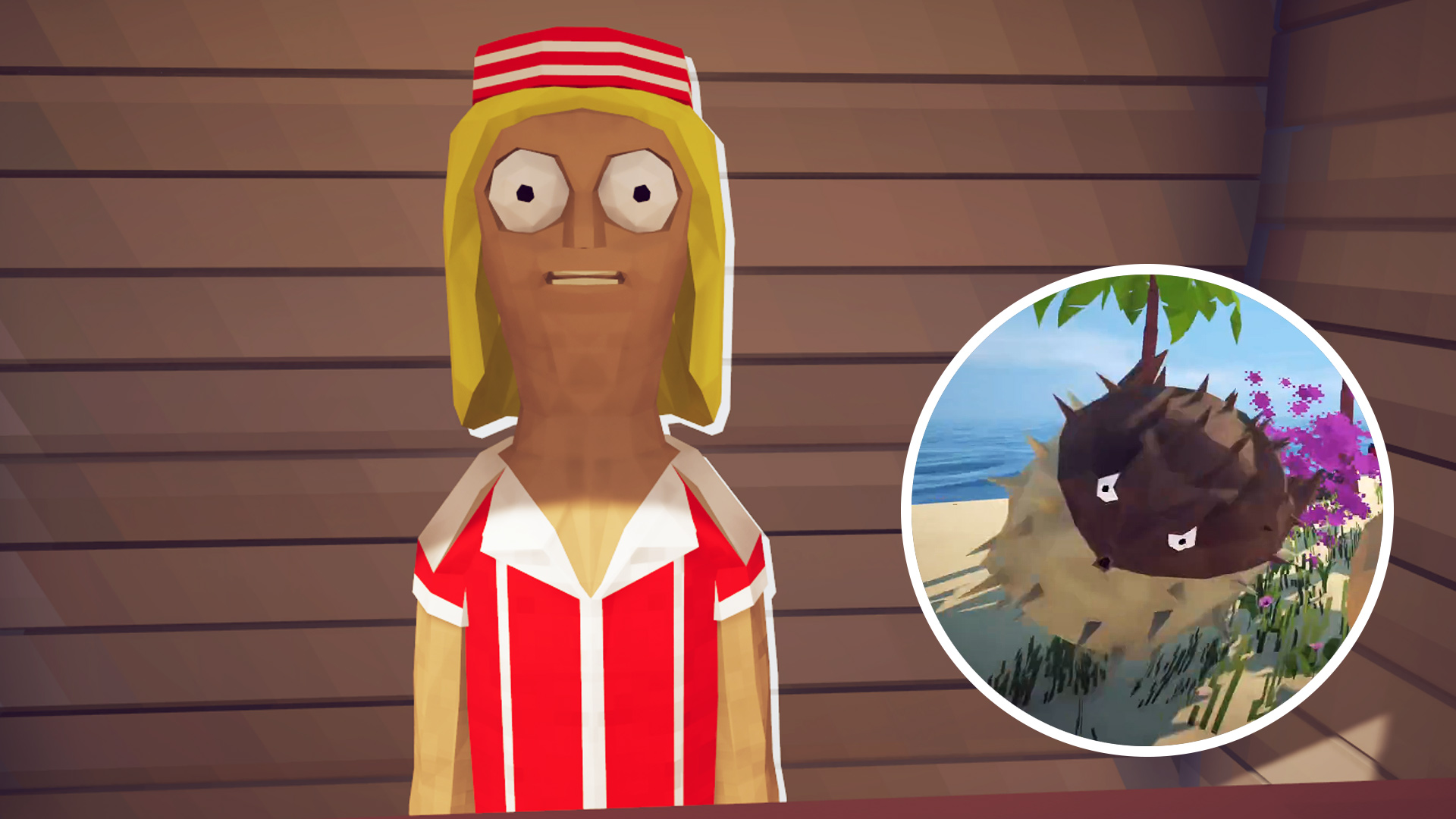
Upon arriving at the third island, players must track down a stranded NPC: a swimmer cheerfully bobbing in the water wearing conspicuous yellow floaties. Interacting with this NPC reveals that he possesses the specialized snacks required to act as Pufferfish bait. However, true to the uncompromising nature of How to Fish, he refuses to hand over these vital tools out of goodwill.
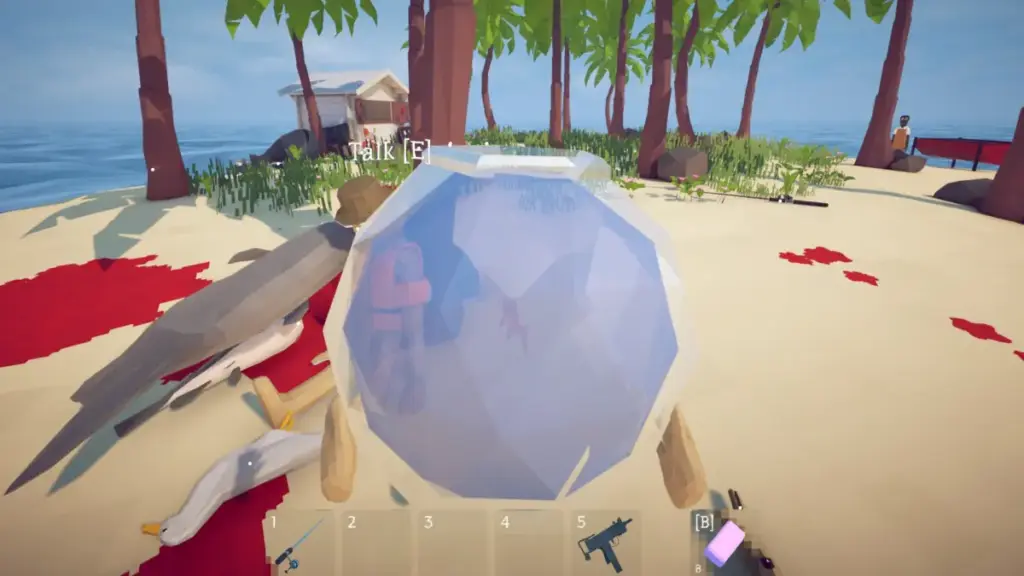
Despite asking the player to risk their life to rid the waters of a terrifying monster, the vendor demands payment in the form of a rare trade. Players must scour the region to locate an endangered creature—specifically, the elusive Bowlfish—before the NPC will relinquish the bait. This bureaucratic hurdle forces players to temporarily pivot from combat readiness to specialized wildlife collection, showcasing the game’s blending of peaceful exploration with high-stakes survival.
Step 2: Securing the Bowlfish and Acquiring the Bait
Locating the Bowlfish requires patience and careful observation of local water conditions. Unlike standard catches, the Bowlfish spawns infrequently and demands precise casting techniques. Once captured and returned to the yellow-floatied swimmer, the transaction is finally completed, and the Pufferfish bait is added to the player’s inventory.
Step 3: Weapon Selection and the SMG Meta
With the bait secured and the arena primed, the confrontation begins. In earlier boss fights—such as the Spider Crab and Giant Piranha—versatile players could often scrape by using default loadouts or the heavy-hitting shotgun. Against the Pufferfish, however, these strategies fall woefully short.
Extensive trial-and-error across multiple solo and co-op save files reveals that the shotgun’s slow fire rate and reload times leave players dangerously vulnerable to the Pufferfish’s area-of-effect attacks. Surviving this encounter almost universally requires investing heavily in the Submachine Gun (SMG). Upgrading the SMG’s damage output and magazine capacity prior to initiating the fight is not merely a recommendation; it is an absolute necessity for dealing sustained, reliable damage while maintaining high mobility.
Supporting Context & Metrics: The Anatomy of a Difficult Encounter
To understand why the Pufferfish boss represents such a watershed moment in How to Fish, one must examine the mechanics governing player movement, weapon DPS (Damage Per Second), and arena design.
Comparative Boss Difficulty Matrix
| Boss Encounter | Primary Weapon Viability | Mobility Requirement | Environmental Interaction | Failure Rate (Community Estimate) |
|---|---|---|---|---|
| Spider Crab | High (Shotgun / Melee) | Moderate | Low (Open terrain) | Low |
| Giant Piranha | High (Shotgun / SMG) | Moderate | Moderate (Basic dodging) | Moderate |
| Pufferfish | Low (Shotgun) / High (SMG) | Extreme | Critical (Pathing abuse) | Very High |
As demonstrated by community testing and developer design patterns, the Pufferfish breaks the traditional mold of early-game bosses. While early threats could be brute-forced through sheer offensive output, the Pufferfish introduces punishing defensive thresholds. When inflated, its outer membrane deflects heavy, slow-moving projectiles—rendering the shotgun largely obsolete—while its aggressive charging patterns punish any player stationary for more than a fraction of a second.
Furthermore, the economic pressure within the game adds a layer of tension. Upgrading the SMG requires resources farmed from earlier zones, meaning under-prepared players who rushed the main islands will find themselves locked out of optimal weaponry, forcing arduous grinding sessions back on lower-tier servers.
Official Statements and Developer Insights
While How to Fish developer Dazed Games has maintained a relatively quiet stance regarding specific balance patches, design commentary from the studio’s ongoing community updates sheds light on their philosophy regarding boss progression.
According to lead design logs shared with early-access testers, the introduction of the Pufferfish was intended to "force players out of their comfort zones of stationary turret-shooting." The studio noted that early boss encounters allowed too many players to bypass fundamental mechanics by simply stacking health items and absorbing damage.
"We wanted the third-island transition to act as a definitive skill check," notes a developer dispatch from the Dazed Games team. "If you reach the Pufferfish without mastering environmental kiting and resource prioritization, the game should—and will—push back hard. Survival is earned through adaptation, not just higher-level gear."
This design ethos explains why the NPC vendor is so obstinate, and why the boss arena is deliberately littered with complex geometry, trees, and narrow shop structures that dictate player movement.
Future Outlook: What the Pufferfish Means for Future Content
The intense reception of the Pufferfish boss offers a clear window into the future trajectory of How to Fish. As the developers continue to roll out content updates, expansions, and subsequent islands, the baseline difficulty for cooperative and solo play has clearly shifted upward.
Key Takeaways for Future Updates:
- Mobility is King: Future bosses are unlikely to reward stationary combat styles. Players should expect mobility-enhancing items, grappling mechanics, or speed buffs to become central to the meta.
- Specialized Loadouts: The era of a "one-size-fits-all" weapon choice is ending. The necessity of transitioning from a shotgun to an upgraded SMG for the Pufferfish indicates that future encounters will demand specific tactical gear tailored to unique boss weaknesses.
- Co-op Synergy: While solo players can certainly overcome the Pufferfish with flawless execution, co-op scaling heavily rewards division of labor—one player drawing aggro while the other lays down suppressing SMG fire. Future multiplayer features will likely lean even harder into cooperative role specialization.
For now, those brave enough to challenge the bloated terror of Island 2 must arm themselves with an upgraded SMG, stock up on endurance items, and above all else, keep running. As veteran players of How to Fish have quickly learned: the moment you stop to admire your catch is the moment the Pufferfish turns you into bait.