Game Freak’s Bold Bet Lands Softly: The Complex Launch, Community Backlash, and Road to Recovery for Beast of Reincarnation
Executive Overview
For decades, the name Game Freak has been inextricably linked to a singular, monumental cultural phenomenon: Pokémon. As the primary creative engine behind one of the most lucrative and enduring entertainment franchises in human history, the legendary Japanese developer has spent nearly thirty years cultivating a fiercely loyal global fanbase. However, operating within the colossal shadow of pocket monsters has occasionally left critics and industry observers wondering what the studio could achieve if liberated from the constraints, expectations, and rigorous release cadence of its flagship series.
Enter Beast of Reincarnation.
Marketed as a daring departure from the traditional creature-collecting formulas that defined the studio’s legacy, Beast of Reincarnation represents Game Freak’s long-awaited return to original intellectual property development. Billed as a sweeping action role-playing game featuring a brand-new universe, distinct thematic ambitions, and real-time combat mechanics, the title carried the immense weight of studio reinvention. Yet, upon its highly anticipated global release, the reception has been notably muted. Rather than the triumphant, industry-shaking splash many expected from such a storied developer, Beast of Reincarnation entered the marketplace to a divisive reception, plagued by technical inconsistencies, pacing issues, and a palpable lack of polish that caught players and critics alike off guard.
Despite the bumpy rollout, Game Freak has made it unequivocally clear that it is not abandoning its passion project. In an unprecedented display of post-launch transparency and rapid response, the studio has committed to a comprehensive, long-term revitalization plan. A substantial patch slated for release next week aims to address the most glaring community complaints—ranging from default graphical settings and camera adjustments to early narrative pacing tweaks.
This in-depth investigative report examines the turbulent launch of Beast of Reincarnation, dissects the critical and community response, outlines Game Freak’s aggressive remedial roadmap, and evaluates what this pivotal moment means for a studio standing at the most critical crossroads of its corporate history.
Detailed Chronology: From Ambition to Ambivalence
The journey of Beast of Reincarnation from conception to release has been closely monitored by industry analysts who recognized the high stakes involved for Game Freak. For years, the studio faced persistent, vocal critiques from portions of the gaming community arguing that its technical output on Nintendo hardware had stagnated. While Pokémon titles continued to shatter global sales records, discussions surrounding technical performance, visual fidelity, and innovation often cast a shadow over the franchise’s commercial triumphs.
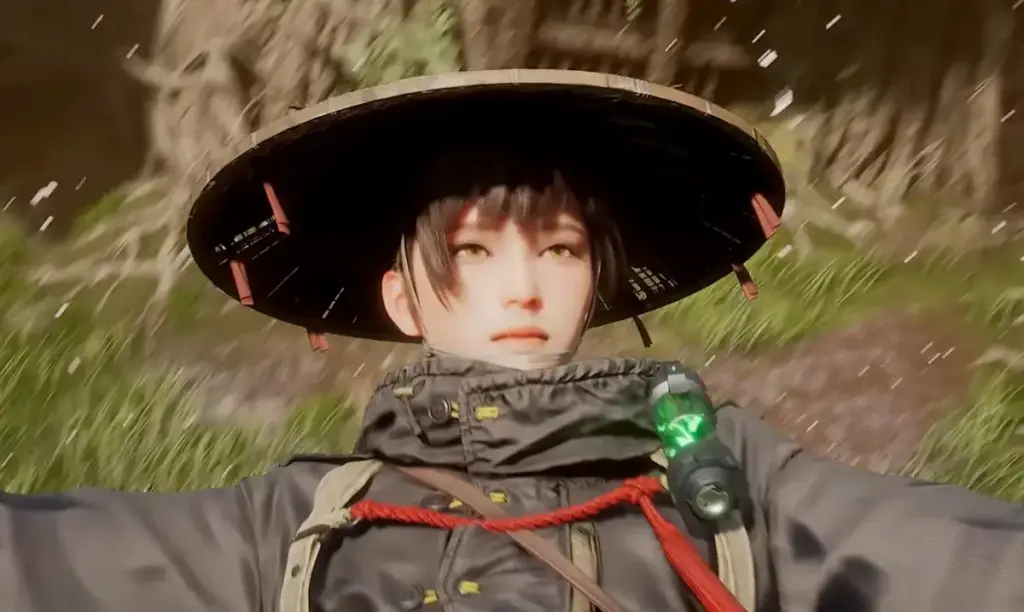
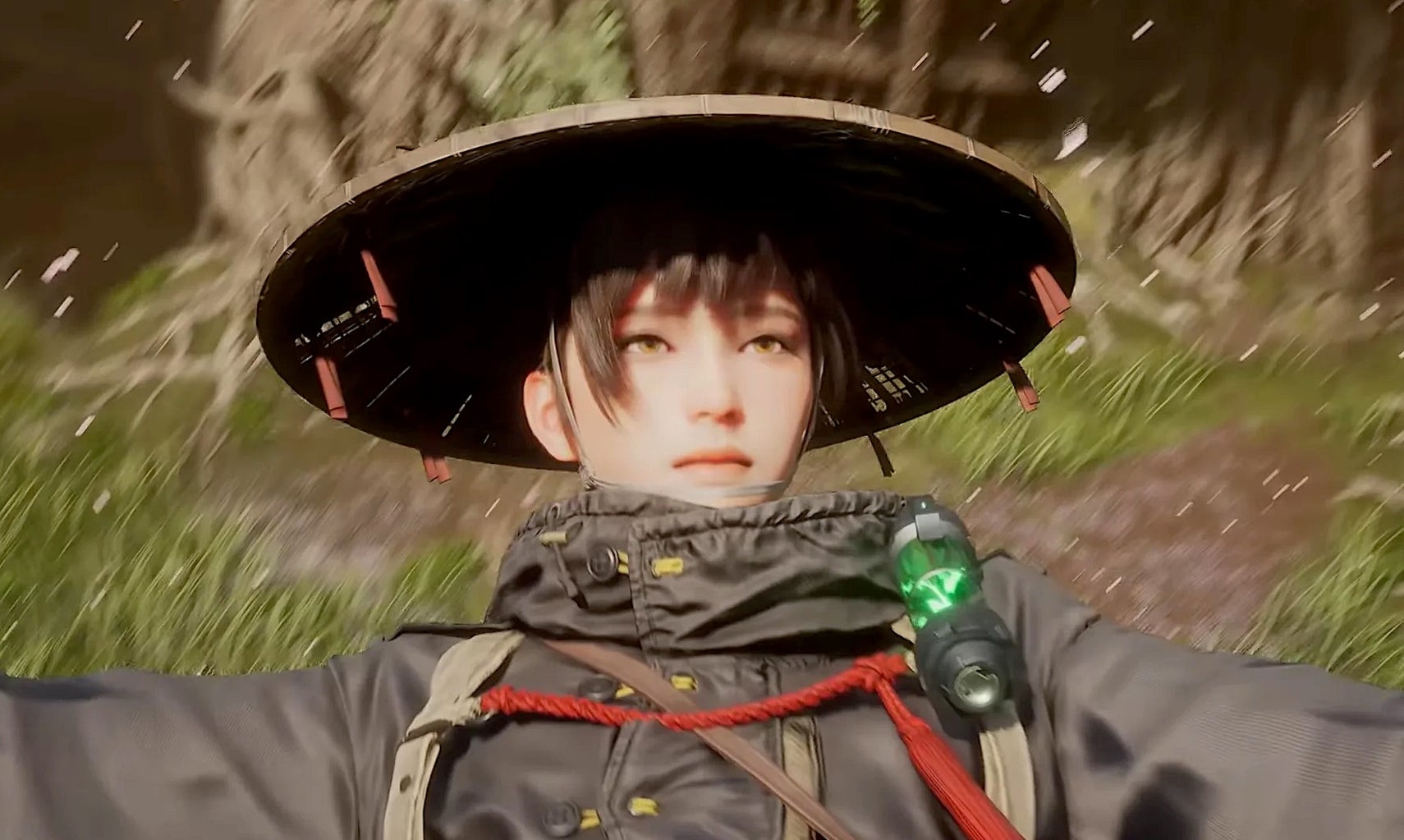
Beast of Reincarnation was positioned internally and externally as an opportunity to silence those skeptics. By stepping outside the comforting confines of the Pokémon ecosystem, Game Freak sought to demonstrate its mastery over modern action-RPG design, sophisticated narrative pacing, and contemporary hardware capabilities. The initial reveal trailers promised an atmospheric, sweeping adventure driven by dual protagonists—Emma and Koo—navigating a meticulously crafted world brimming with lore, mythical beasts, and high-stakes combat encounters.
However, the reality of the game’s launch exposed a chasm between lofty ambitions and execution. Upon release, players diving into the new IP immediately noted a stark dichotomy between the game’s high-concept artistry and its tangible implementation. While imaginative art direction and moments of genuine aesthetic brilliance shone through, they were frequently undercut by jarring technical friction.
The community reaction crystallized swiftly across digital storefronts and social media channels. On Valve’s Steam platform, user metrics quickly settled the debate: Beast of Reincarnation was branded with a "Mixed" review rating. Reviewers pointed to sluggish frame rates, awkward camera angles during chaotic combat encounters, and an uneven difficulty curve that disrupted immersion. Furthermore, the game’s narrative—intended to be an emotional anchor for the sweeping journey of Emma and Koo—often felt muddled and poorly paced, leaving players struggling to connect with the stakes of the world around them.
Recognizing the gravity of the situation, Game Freak leadership opted against maintaining a stoic, detached silence—a traditional stance often adopted by legacy Japanese developers. Instead, the studio mobilized quickly, initiating a dialogue with its player base that signaled a proactive approach to damage control and continuous development.
Supporting Context & Metrics: Navigating the "Mixed" Reception
To understand the current standing of Beast of Reincarnation, one must examine the critical landscape and quantitative metrics that define its early market performance. In the competitive landscape of modern modern action-RPGs, standing out requires more than just a famous developer name; it demands baseline technical excellence and a frictionless onboarding experience for the player.
In Eurogamer’s critical appraisal, veteran reviewer Matt Wales awarded the title a moderate three-star rating, perfectly encapsulating the paradoxical nature of the release. Summarizing his experience, Wales wrote:
"If it wasn’t already obvious, I have some very conflicting feelings about Beast of Reincarnation. There are moments it’s glorious… But there are just as many moments it feels aggravating, unfinished, and, worse, dull."
This sentiment of profound duality echoed across the broader critical establishment. Reviewers praised the depth of the combat system—particularly when players mastered the intricate skill trees available for Emma and Koo—and lauded certain visual set-pieces that showcased Game Freak’s latent creative flair. Yet, these bright spots were consistently dimmed by an overarching sense of rushed development. Structural issues such as erratic enemy scaling, unpolished user interface elements, and an unoptimized engine conspired to frustrate players trying to engage with the core mechanics.
On user-driven review platforms like Steam, the quantitative data reflects this qualitative friction. A "Mixed" review score for a studio of Game Freak’s pedigree is an undeniable wake-up call. Unlike the bulletproof brand loyalty that cushions the Pokémon franchise against technical criticism, an original IP entering a hyper-competitive RPG market must fight for every positive user recommendation. Negative user reviews heavily emphasized a perceived lack of polish—a critique that historically dogged the studio’s recent output, making it all the more vital for Game Freak to aggressively course-correct.
For players still determined to dive into the experience or seeking to optimize their playthrough amidst these rough patches, community resources and comprehensive guides—such as optimal skill builds for Emma and Koo—have become essential reading to bypass some of the game’s more punishing design hurdles.
Official Statements and Remedial Action: The Upcoming Patch
Refusing to let Beast of Reincarnation quietly fade into obscurity, Game Freak has taken swift, decisive action. In a formal communication broadcast via their official corporate channels on X (formerly Twitter), the studio laid bare its immediate intentions to rectify the technical and structural shortcomings of the game.
The forthcoming patch, scheduled for release sometime next week, represents the first concrete installment in what the studio promises will be a sustained series of updates. According to Game Freak’s official breakdown, the patch will target several critical pain points identified by the community since launch:
- Camera System Optimizations: Adjusting tracking parameters and collision detection to ensure smoother visibility during intense, multi-target combat scenarios.
- Text Scalability: Increasing default and menu text sizes to improve accessibility and readability across various display setups.
- Console Performance Defaults: Transitioning console versions to prioritize a smoother "Performance mode" over the graphically demanding "Cinematic mode" out of the box, ensuring stable frame rates take precedence over superficial fidelity gains.
- Comprehensive Bug Fixes: Eradicating a swathe of stability issues, progression blockers, and minor glitches reported by early adopters.
- Narrative Pacing Adjustments: Initiating the first phase of a broader, long-term project to re-structure and refine the storytelling delivery, ensuring the emotional beats land with the resonance originally intended by the writers.
Furthermore, demonstrating a genuine desire to anchor future development around direct player telemetry, Game Freak has published an extensive public survey. By encouraging the community to submit granular feedback regarding combat balance, exploration flow, and technical performance, the developer is signaling that the recovery of Beast of Reincarnation will be a collaborative, community-driven endeavor.
Future Outlook: What Beast of Reincarnation Means for Game Freak’s Future
As Game Freak prepares to deploy its first major remedial patch next week, the stakes extend far beyond the immediate commercial viability of a single game. Beast of Reincarnation serves as a litmus test for the studio’s long-term corporate evolution.
For decades, Game Freak has functioned primarily as a specialized developer tethered to the relentless production cycle of the Pokémon brand. While this partnership has guaranteed astronomical financial security, it has also restricted the studio’s creative agility and constrained its capacity to experiment with new technologies, distinct genres, and original narrative paradigms. The creation of Beast of Reincarnation was intended to prove that the studio could thrive outside its comfort zone and build a diversified portfolio of compelling intellectual properties.
The bumpy, divisive launch proves that breaking free from the Pokémon mold is fraught with risk. Developing a modern, high-fidelity action-RPG requires a distinct set of developmental disciplines, technical infrastructures, and quality assurance pipelines that differ vastly from creature-collecting handheld roots. The lack of polish that hobbled Beast of Reincarnation out of the gate is a stark reminder of the steep learning curve involved in scaling up to original AAA-style experiences.
However, how Game Freak responds to this adversity may ultimately define its modern legacy. By refusing to abandon the project, committing to transparent communication, and rolling out targeted, substantive patches within weeks of launch, the studio is demonstrating a level of accountability and resilience that commands respect.
If next week’s patch successfully alleviates the core technical grievances, and if Game Freak follows through on its long-term promise to overhaul the narrative pacing and polish the overall experience, Beast of Reincarnation could undergo a remarkable redemption arc akin to other critically re-evaluated titles in modern gaming history. More importantly, the lessons learned from this crucible will prove invaluable as Game Freak charts its future course—proving to the industry that while the road to reinvention is paved with challenges, a studio willing to listen, adapt, and fight for its creations can ultimately transform a stumble into a stepping stone toward enduring creative independence.