Bringing Classic RPGs to Modern Consoles: The Technical Triumph of Daggerfall Unity on the PlayStation 4
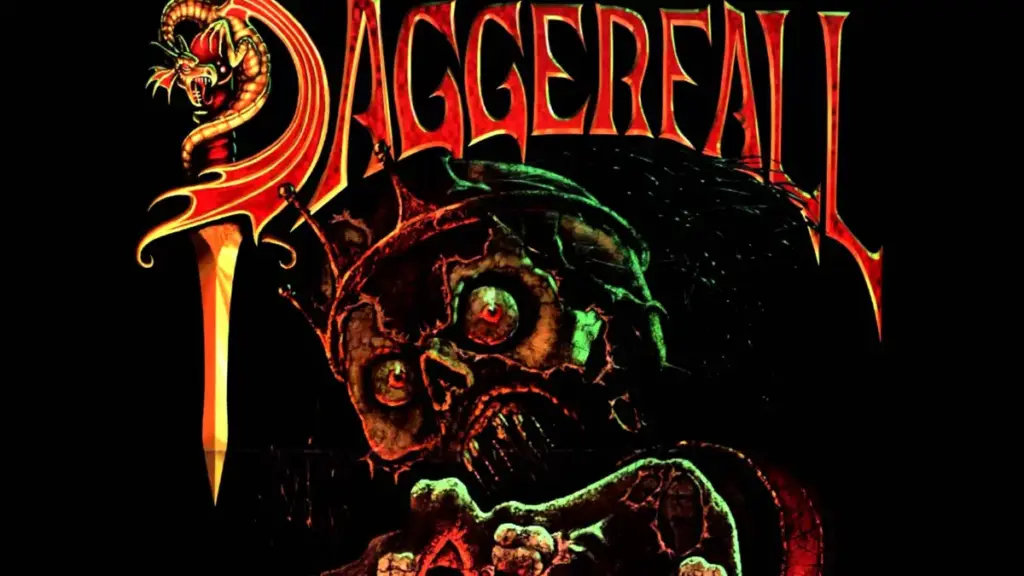
Executive Overview
The landscape of console homebrew and retro-game preservation has reached a fascinating new milestone. Developer Snake Plissken—widely recognized within the community for previous high-profile homebrew endeavors, including the acclaimed Doom Definitive Homebrew Edition for the PlayStation 4 and PlayStation 5—has returned with an even more ambitious project. In April 2025, Plissken released a fully functional, native-feeling port of Daggerfall Unity for the PlayStation 4 console.
This achievement bridges the gap between 1990s PC role-playing opulence and contemporary console hardware through the ingenuity of independent developers and reverse-engineering enthusiasts. The Elder Scrolls II: Daggerfall, originally published by Bethesda Softworks in September 1996 for MS-DOS, is legendary not only for its sprawling, procedurally generated game world—rivaling the geographic size of Great Britain—but also for its notoriously complex mechanics, immense scope, and historical importance in shaping the modern Western RPG.
By leveraging Daggerfall Unity, an open-source recreation of the classic title built within the Unity engine by the dedicated team at Daggerfall Workshop, Snake Plissken has successfully translated a massive PC-centric architecture onto Sony’s eighth-generation console hardware. This release is not merely a novelty; it is a technical testament to the viability of modern game engines acting as vessels for legacy software preservation. It highlights how open-source community initiatives can transcend their original desktop boundaries, offering console players an unprecedented way to experience one of gaming’s most storied monuments to open-world freedom.
Detailed Chronology: From MS-DOS Roots to Modern Console Homebrew
1. The 1996 Phenomenon: The Elder Scrolls II: Daggerfall
To understand the significance of this homebrew port, one must first look back at the monumental task Bethesda Softworks undertook in the mid-1990s. Following the unexpected commercial and critical success of The Elder Scrolls: Arena (1994), the development team set out to create a living, breathing world that offered near-infinite exploration. Released on September 20, 1996, for MS-DOS, Daggerfall placed players in the role of an imperial agent sent by the Emperor to the Iliac Bay region. The core objectives were dual-layered: free the restless ghost of King Lysandus from his earthly shackles and uncover the mysterious circumstances surrounding a compromising letter sent by the Emperor to the former queen of Daggerfall.
However, Daggerfall quickly earned a notorious reputation for its technical instability—affectionately and ironically dubbed "Buggerfall" by its passionate player base. The game featured a staggering map area encompassing roughly 161,600 square kilometers, populated by thousands of towns, cities, and dungeons, complete with a complex socioeconomic and political faction system. While brilliant in concept, the original XnGine technology struggled under the weight of its own ambition, leading to save-file corruptions, physics glitches, and infinite falling loops through the geometry of the game world.
2. The Open-Source Renaissance: Daggerfall Unity
Recognizing that the original source code was largely unsuited for modern operating systems and hardware configurations, the modding and development community took matters into their own hands. Headed by the Daggerfall Workshop team, Daggerfall Unity emerged as an open-source recreation of the classic title, ported entirely into the flexible and modern Unity game engine.
By stripping away the antiquated MS-DOS limitations and rebuilding the game from the ground up while retaining the original assets, logic, and quests, the Daggerfall Workshop breathed new life into the classic RPG. Daggerfall Unity introduced modern conveniences: enhanced stability, support for high-resolution asset mods, bug fixes, customized control schemes, and cross-platform compatibility. It transformed a frustratingly archaic piece of software into an accessible, deeply immersive modern experience for PC users.
3. The Console Frontier: Snake Plissken’s PS4 Homebrew Port
While Daggerfall Unity successfully conquered Windows, macOS, and Linux, bringing it to closed console ecosystems remained a formidable hurdle. Enter Snake Plissken. Building upon a proven track record of bringing complex homebrew titles—such as sophisticated Doom ports—to the PlayStation 4 and PlayStation 5, Plissken set his sights on the Unity-based recreation of Bethesda’s classic.
The porting process required immense technical finesse, demanding optimizations to ensure that a Unity project built for desktop architectures could compile, run, and maintain acceptable frame rates within the security sandbox and hardware constraints of a jailbroken PlayStation 4. By adapting the codebase, managing memory allocations, and mapping peripheral support, Plissken successfully compiled a functional .pkg file, allowing homebrew-enabled PS4 consoles to natively boot and play Daggerfall Unity.
Supporting Context & Metrics: The Scale of the Achievement
Porting a massive, open-world PC game to a console environment via homebrew involves navigating a complex matrix of hardware capabilities, input paradigms, and software dependencies. Examining the technical metrics and contextual factors reveals just how impressive Snake Plissken’s work truly is.
Hardware and Software Metrics
- Engine Architecture: Transitioned from the original 16-bit/32-bit MS-DOS XnGine to a modified Unity engine environment, subsequently cross-compiled for the PlayStation 4’s AMD Jaguar CPU architecture and Radeon-based Graphics Core Next (GCN) GPU.
- World Dimensions: The game world retains its legendary scale of approximately 161,600 square kilometers, featuring over 15,000 towns, villages, and dungeons—all managed dynamically by the engine’s procedural generation systems ported over to the console runtime.
- Input Integration: Unlike traditional console ports built with native controller layouts from day one, this homebrew release bridges PC-centric UI paradigms with console hardware. Plissken explicitly noted the necessity of supporting a hybrid control scheme:
- Keyboard and Mouse: Fully supported for purists who prefer the complex hotkey arrangements of the 1996 original.
- DualShock 4 Controller: Mapped directly within the game environment, allowing players to navigate the sprawling UI, execute combat maneuvers, and traverse the Iliac Bay using Sony’s official gamepad.
The Homebrew Ecosystem Context
PlayStation 4 homebrew has evolved significantly since the early exploits of the console’s firmware lifecycle. While early efforts focused primarily on running simple emulators (such as NES, SNES, and Sega Genesis) or running native ports of simpler source-available titles like Doom, the ability to run complex, engine-recreated 3D role-playing games demonstrates a maturation of the PS4 exploit scene.
Developers like Snake Plissken are pushing the boundaries of what homebrew environments can achieve, turning the PS4 into a versatile multi-platform machine capable of running heavy custom builds that official publishers never intended to bring to the platform.

Official Statements and Community Reception
The release of Daggerfall Unity for the PlayStation 4 generated considerable excitement across both retro-gaming communities and the PlayStation homebrew scene.
Developer Insights
Upon releasing the software via digital distribution channels and his official social media outlets, Snake Plissken provided concise, practical instructions for early adopters looking to dive into the Iliac Bay on their modified consoles:
"I present to the world, Daggerfall for the PS4. Please make sure to use keyboard, mouse, and PS4 Controller while playing. While in game, use ESC to bring up a menu to adjust sensitivities and read or rebind controller buttons after character creation."
This statement underscores the pragmatic nature of homebrew development. Rather than hiding the rough edges of an unpolished, community-driven console port, the developer transparently outlined the operational requirements—emphasizing that while the DualShock 4 controller works wonderfully for general gameplay, having peripherals on hand ensures a smoother initial character creation and menu navigation process.
Community Engagement
Feedback poured in rapidly across platforms like X (formerly Twitter) and dedicated homebrew forums. Users praised the fluidity of the movement compared to the jittery, frame-rate-plagued MS-DOS original, while others shared video footage of the game running smoothly on actual console hardware.
The integration of video demonstrations—showcasing seamless transitions through the game’s trademark endless dungeons and expansive outdoor environments—served as ultimate proof of concept, silencing any initial skepticism regarding the stability of a Unity-based PC port running inside a homebrew PS4 container.
Future Outlook: What This Means for Retro Preservation and Console Homebrew
The successful port of Daggerfall Unity to the PlayStation 4 opens up a Pandora’s box of possibilities for future homebrew projects and game preservation initiatives. As engine-recreation projects continue to flourish on PC—ranging from OpenMW (for The Elder Scrolls III: Morrowind) to various classic point-and-click adventure engine remakes—the roadmap established by developers like Snake Plissken provides a clear blueprint for migrating these PC-centric preservation efforts onto closed console hardware.
1. Broadening the Horizon of Console Porting
The success of this project proves that Unity-based engine remakes are prime candidates for cross-compilation to consoles via homebrew. We may soon see community developers turning their attention toward other classic PC RPGs, strategy games, and simulation titles that were historically neglected by console publishers due to interface limitations or hardware restrictions.
2. The Blurring Lines Between Official and Community Releases
With modern homebrew capable of delivering experiences that often surpass the original hardware releases in stability, resolution, and quality-of-life features, the community is increasingly curating the definitive versions of classic games. While legal and distribution hurdles ensure these projects remain within the realm of homebrew and abandonware preservation, their technical quality continues to rival commercial remasters.
3. Ongoing Support and Iteration
As Snake Plissken continues to engage with the community—accepting feedback and troubleshooting issues via social media channels like X—it is likely that subsequent patches or optimized builds of Daggerfall Unity for PS4 will emerge. Players can anticipate refined controller mappings, enhanced performance stability, and perhaps even experimental support for additional mods ported directly from the vibrant Daggerfall Unity PC modding ecosystem.
In conclusion, the arrival of Daggerfall Unity on the PlayStation 4 is much more than a technical curiosity—it is a celebration of community-driven preservation, open-source collaboration, and the enduring magic of one of gaming’s greatest virtual worlds.