Apple’s Unexpected $9 Polishing Cloth Drop: A Deep Dive into the Tech Giant’s Most Infamous Accessory Strategy
Executive Overview
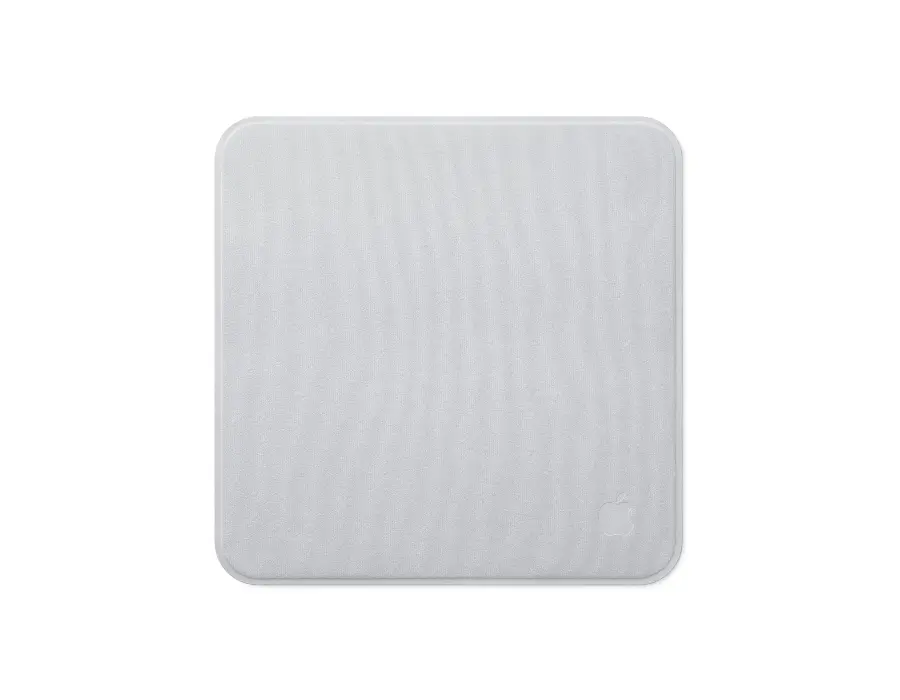
In an ecosystem historically defined by premium pricing, rigid margin protections, and an unapologetic luxury-tech ethos, Apple has executed a move that few industry watchers could have anticipated. The Cupertino-based titan has quietly released a newly revised iteration of one of its most polarizing products: the Apple Polishing Cloth. Originally launched to widespread internet mockery and immediate backorders in late 2021 with a staggering $19 price tag, the cloth has returned with an identical soft, nonabrasive material composition, the same iconic debossed Apple logo, and a drastically slashed price of just $9.
This unexpected 50% price reduction arrives amidst a wider product refresh cycle that includes new Mac Mini and Mac Studio iterations. Yet, while the core hardware announcements typically dominate headlines for their silicon capabilities and thermal architectural shifts, it is the humble microfiber cloth that has captured the collective fascination of consumers, tech analysts, and meme-makers alike.
This report provides a comprehensive examination of the new $9 Apple Polishing Cloth. We explore the structural design of the product, the macroeconomic and brand-positioning implications of a direct price cut by Apple, the curious compatibility paradox surrounding its launch alongside screenless hardware, and what this strategic shift signals for the company’s accessories division heading into the future.
Detailed Chronology: From the $19 Meme to the $9 Reality
To understand the weight of Apple’s recent revision, one must revisit the origin story of the original polishing cloth.
Late 2021: The Birth of a Silicon Valley Legend
When Apple first debuted the Polishing Cloth alongside the redesigned MacBook Pro and the Pro Display XDR companion accessories in October 2021, the tech world reacted with a mixture of disbelief and amusement. Priced at $19 USD, the cloth was instantly memeified across social media platforms like Twitter (now X), Reddit, and TikTok. Critics and casual observers alike fixated on the stark contrast between the price of a generic microfiber cloth—frequently purchased in multi-packs for a few dollars on Amazon—and Apple’s custom-engineered, proprietary alternative.
Despite the initial wave of cynicism, reality quickly subverted expectations. Within hours of going live on the Apple Online Store, shipping estimates slipped from days to weeks, and eventually, the product faced widespread backorders stretching into months. Scalpers flooded secondary marketplaces like eBay, listing the white, embossed fabric at inflated markups. It became a cultural touchstone: a masterclass in Apple’s unique ability to transform a utilitarian commodity into a coveted status symbol.
August 2026: The Quiet Redux
Fast-forward nearly half a decade, and the narrative surrounding the accessory has matured. Spotted initially by eagle-eyed enthusiasts at MacRumors, Apple updated its digital storefront to feature a new SKU for the polishing cloth. The product description remained remarkably consistent with its predecessor, boasting compatibility with an exhaustive list of Apple devices dating as far back as the iPhone 5. Crucially, however, the price dropped from $19 to $9.
The old SKU (MW693AM/A) was quietly retired and redirected to archive status, replaced by the new variant. There was no dedicated keynote segment, no theatrical product demonstration by Craig Federighi, and no press release. Instead, the price drop manifested as a silent adjustment within the accessories ecosystem, leaving consumers to discover the discount organically while browsing the store for upgraded desktop hardware.
Supporting Context & Metrics: The Microeconomics of Apple’s Accessories Division
To evaluate why Apple would deliberately slash the price of a high-margin accessory by over 50%, one must examine the broader financial architecture of the company’s "Wearables, Home & Accessories" segment, alongside the unique manufacturing realities of high-grade microfibers.
The Anatomy of the Polishing Cloth
Apple’s official product documentation has always leaned heavily into the proprietary nature of the cloth. Crafted from "soft, nonabrasive material," it was specifically engineered to clean sensitive device displays safely and effectively—most notably the nano-texture glass options found on high-end monitors like the Pro Display XDR, Studio Display, and select iPad Pro configurations.
Standard household paper towels, low-grade cleaning rags, or improperly woven cloths can introduce micro-scratches or strip away specialized antireflective coatings applied at the molecular level during manufacturing. For consumers who have invested upwards of $1,500 to $5,000 on a professional-grade display featuring nano-texture glass, using an untested cleaning cloth carries a genuine risk of hardware damage. Apple capitalized on this anxiety by offering a chemically and physically verified solution.
Margin Adjustments and Economies of Scale
In manufacturing, initial pricing often reflects high preliminary tooling costs, custom packaging design, specialized supply chain integration, and a "luxury tax" designed to filter for inelastic demand among early adopters.

By 2026, the production pipeline for the Apple Polishing Cloth has matured significantly. The fixed capital expenditure required to establish the specialized textile weaving and debossing processes has long since been amortized. Furthermore, by reducing the price to $9, Apple is likely shifting its strategic objective from maximizing per-unit gross margin to driving higher aggregate volume. At $9, the psychological barrier to entry drops precipitously, transforming the cloth from an ironic, high-priced luxury gag gift or niche professional purchase into an impulse-buy stocking stuffer or an easy cart-filler for shoppers buying new Macs and iPads.
Official Statements and Industry Reception
While Apple executives historically refrain from commenting publicly on the minute pricing adjustments of individual accessories—preferring to keep the spotlight on flagship hardware like Apple Silicon chips and generative AI initiatives—industry analysts have been quick to weigh in on the strategic implications.
The Analyst Perspective
Financial and tech market analysts point out that Apple’s services and accessories divisions represent a critical engine for stabilizing profit margins during hardware upgrade cycle fluctuations.
"When Apple prices an item at $19, they are operating firmly within the realm of lifestyle branding," notes a prominent retail tech analyst. "Dropping that price to $9 signals a tactical recalibration. They are widening the funnel. At under ten dollars, the cloth transitions from a lightning rod for anti-consumer criticism into an accessible branded item that encourages brand loyalty and eliminates the friction for users looking to safely maintain their expensive gear."
The Consumer Irony and Compatibility Paradox
A particularly amusing aspect of the 2026 hardware refresh cycle involves the timing of the cloth’s release alongside freshly minted Mac Mini and Mac Studio models.
As astute observers noted immediately following the drop, the newly announced Mac Mini and Mac Studio variants cannot technically be cleaned with the polishing cloth out of the box—simply because desktop computer towers do not feature integrated screens. However, the release serves as a natural companion upsell for customers pairing those powerful new machines with an Apple Studio Display or Pro Display XDR.
Social media platforms have responded with a renewed wave of self-aware humor. Rather than the outraged discourse that accompanied the 2021 launch, the prevailing sentiment in 2026 is one of mild bewilderment mixed with pragmatic appreciation. As one viral post summarized: "Apple finally halved the price of the flex cloth. Inflation is officially cancelled."
Future Outlook: What the $9 Cloth Means for Apple’s Future Strategy
As we look toward the horizon of consumer technology, what does this seemingly minor price drop tell us about Apple’s broader trajectory?
1. Granular Pricing Agility
Apple has traditionally maintained rigid pricing tiers across its product lines, rarely discounting items directly unless phasing them out entirely or routing them through authorized third-party retailers. The deliberate re-issuance of a core accessory under a new SKU at half the original price demonstrates a newfound agility in pricing psychology. As consumer wallets face macroeconomic pressures globally, brands at every tier are finding ways to lower the barrier of entry to their ecosystems.
2. The Halo Effect of Small Accessories
The polishing cloth has always functioned as a brilliant marketing vehicle. Even consumers who would never dream of purchasing one are well aware of its existence, generating millions of impressions of organic, unpaid brand visibility across the internet. By lowering the price to $9, Apple ensures that a much larger cohort of everyday consumers can actually participate in the inside joke, thereby strengthening community engagement and brand affinity.
3. Sustainability and Longevity Expectations
With devices lasting longer than ever—evidenced by the new cloth’s explicit backward compatibility stretching all the way back to the vintage iPhone 5 era—users are investing heavily in maintenance and longevity tools. Apple’s willingness to make display care more affordable aligns with a consumer base that increasingly values device preservation, repairability, and sustainable ownership lifecycles.
Conclusion
The evolution of the Apple Polishing Cloth from a $19 internet punchline to a $9 accessible utility item is a fascinating case study in corporate brand management. It proves that even the most value-inflexible technology companies in the world monitor public reception, analyze manufacturing efficiencies, and possess the strategic flexibility to recalibrate. Whether purchased as a practical necessity to protect a delicate nano-texture display or acquired simply as a tongue-in-cheek piece of Apple memorabilia, the new $9 polishing cloth secures its place as one of the most uniquely captivating footnotes in modern consumer tech history.