
All Aboard the Cozy Track: How Locomochi is Reinventing the Train Puzzle Genre

Executive Overview
The puzzle genre has long had a fascination with locomotives, rail networks, and logistics. From classic routing simulations to abstract tile-placement games, players are frequently tasked with guiding steel horses across complex terrains. However, this saturation often breeds homogeneity; opening a new railway puzzle title typically evokes a strong sense of déjà vu. Enter Locomochi, an upcoming indie title that successfully disrupts the formula.
First unveiled to the public and hands-on gaming press at Pocket Gamer Connects Barcelona, Locomochi challenges conventions by rethinking how a train moves, interacts with its environment, and communicates with its passengers. Rather than adhering to rigid track-laying paradigms or punishing time trials, the game embraces a stress-free, exploratory ethos. Featuring unique reverse-coupling mechanics, emoji-based dialogue systems, and an entirely pressure-free puzzle design, Locomochi positions itself as a breath of fresh air in the cozy gaming landscape.
Developed with an emphasis on unhurried tinkering, the game invites players to abandon conventional notions of "correct" paths and instead encourages them to experiment freely with switches, levers, and wagon configurations. While a concrete launch date has yet to be announced, anticipation is steadily building following its official reveal trailer and Steam wishlist page launch. This report provides a comprehensive deep-dive into Locomochi, analyzing its mechanics, design philosophy, aesthetic choices, and what the future holds for this promising title.
Detailed Chronology: From Concept to Convention Floor
To understand the trajectory of Locomochi, it is essential to trace its journey from a nascent indie concept to its recent high-profile appearance on the international games convention circuit. While the exact timeline of its internal development remains closely guarded by the studio, the public lifecycle of the project has steadily gained momentum.
The Genesis of a Unique Rail Experience
The modern puzzle landscape is crowded with rail-themed titles that prioritize high-stress management, resource scarcity, or hyper-optimized route planning. Recognizing a gap in the market for something far more relaxed yet mechanically distinct, the developers behind Locomochi set out to create a title where players could enjoy the tactile satisfaction of train management without the impending dread of a ticking clock or a catastrophic derailment.
The core conceptual breakthrough came from reimagining locomotive movement. Traditional train games almost universally mandate forward motion—the engine leads, and the carriages follow in a strict, linear hierarchy. Locomochi flipped this paradigm on its head by asking a simple question: What if a train could drive backward just as effectively, picking up cargo and connecting to wagons from the rear of the main engine? This mechanical pivot opened up entirely new spatial puzzle possibilities, shifting the focus from rigid transit simulation to fluid, room-like maneuvering across intricate station layouts.
The Pocket Gamer Connects Barcelona Debut
The turning point for the game’s public awareness occurred on the bustling exhibition floor of Pocket Gamer Connects Barcelona. Industry professionals, media representatives, and gaming enthusiasts were given their first hands-on look at the title.
Playing the demo on the convention floor immediately highlighted how the game stands apart from its contemporaries. Attendees navigated a series of stylized train stations, tasked with collecting specific carriages and making deliveries. However, instead of struggling with pathfinding errors or panic-inducing timers, players were observed methodically testing different routes, flipping levers, and exploring dead ends to uncover hidden pathways. The reception at the event validated the developers’ thesis: players were hungry for a cozy, exploratory puzzle game that treated mistakes not as failures, but as opportunities for playful discovery.
The Reveal Trailer and Steam Wishlist Launch
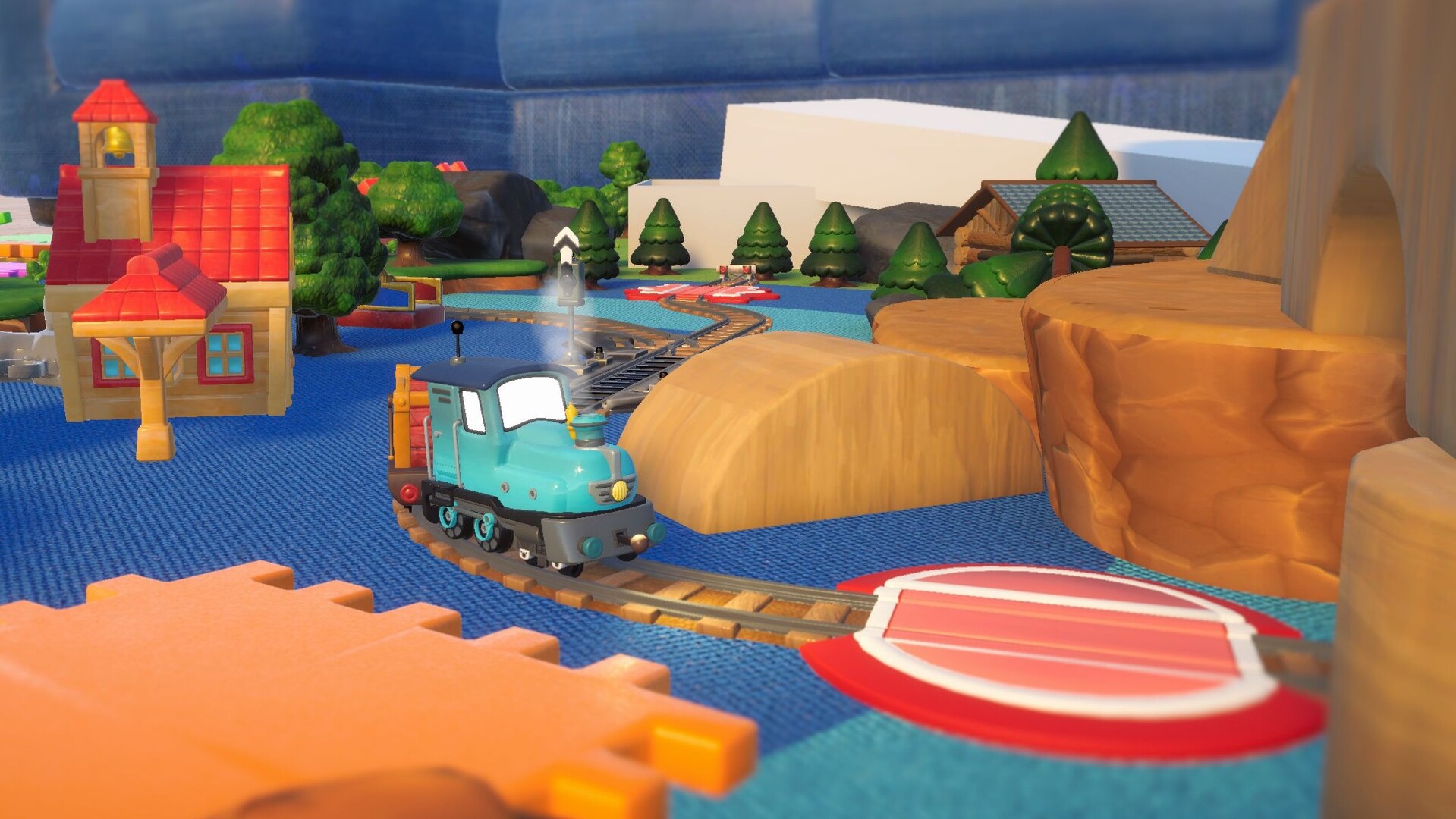
Following its successful reception in Barcelona, the project entered its next major promotional phase with the release of the official Locomochi Reveal Trailer via Gamflix. The trailer offered a wider audience their first cinematic and gameplay glimpse into the whimsical world of the title, showcasing its charming art style, intuitive mechanics, and unique character interactions. Simultaneously, the game’s official Steam page went live, allowing eager fans to wishlist the title and signal early support ahead of its eventual launch window.
Supporting Context & Metrics: The Mechanics of Locomochi
To truly appreciate what makes Locomochi a standout title in the current puzzle ecosystem, one must examine its core design pillars, mechanical innovations, and the psychological impact of its cozy framework.
Dismantling the "Correct" Path
In conventional puzzle games, particularly those involving routing or grid-based movement, there is almost always a strict binary outcome: success or failure. Levels are designed with an intended solution in mind, and deviating from this prescribed path results in a dead end or a reset button.
Locomochi completely dismantles this mindset. As experienced firsthand during hands-on demo sessions, the game actively discourages the pursuit of a single "correct" way to navigate a track. There is no penalty for taking the scenic route, backing down a dead end to inspect what lies at the terminal, or experimenting with alternative approaches to wagon attachment. This design choice shifts the emotional tone of the game from anxiety-inducing problem-solving to therapeutic spatial exploration.
Innovative Movement and Reverse-Coupling
At the heart of the gameplay loop is the engine’s unconventional movement physics. Players control the main train engine, but the ability to drive backward changes the spatial dynamics of every level.
- Dynamic Wagon Attachment: Rather than pulling a fixed load from the front, players must frequently reverse their engine to couple with different segments, wagons, and delivery cargo scattered throughout the station yards.
- Non-Linear Track Navigation: Stations are built with branching paths, reversible switches, and interactive levers. Pressing these environmental elements alters the track layout dynamically, allowing the train to access previously unreachable areas or loop back on itself to collect misplaced carriages.
- Stress-Free Tinkering: Because timers are entirely absent, players are free to experiment with the order of operations. If a carriage is attached incorrectly or blocked by an awkward angle, the player can simply uncouple, rearrange, and try a different configuration without losing progress.
Universal Communication: The Emoji Dialogue System
Narrative delivery in puzzle games can often feel intrusive, dragging down the pacing with heavy text dialogue or cumbersome cutscenes. Locomochi solves this by implementing a universal, charmingly minimalist communication method: characters speak exclusively in emojis.
When a station master or a local passenger requires assistance, their needs, desires, or destination clues are communicated entirely through expressive emojis. This design choice achieves multiple goals simultaneously:
- Instant Comprehension: Emojis transcend language barriers, making the game universally accessible to players across the globe without localization hurdles.
- Wholesome Aesthetic: The visual language of emojis fits the cozy, lighthearted tone of the game, injecting personality and humor into every interaction.
- Clarity Without Clutter: Despite the playful nature of emoji speech, the hints remain remarkably clear, ensuring that players never feel lost or confused about what help the station inhabitants require.
Official Statements and Developer Insights
While formal press releases and developer diaries will undoubtedly expand as the game draws closer to its launch, early insights gathered from its convention presence and promotional materials provide a clear picture of the team’s philosophy.
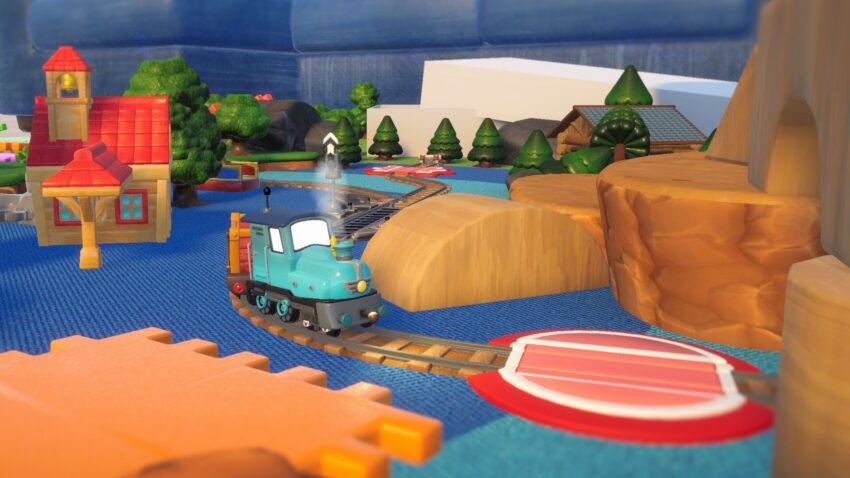
The overarching design ethos behind Locomochi centers on the concept of "wholesome friction." Modern video games frequently rely on frustration—dying, failing, resetting, or racing against a clock—to manufacture a sense of accomplishment. The creators of Locomochi sought to prove that satisfaction can also be derived from gentle curiosity, tactile interaction, and low-stakes problem-solving.
During the Pocket Gamer Connects Barcelona showcase, early players frequently remarked on the tactile satisfaction of manipulating the train’s levers and watching the mechanical segments lock into place. The developers have emphasized that every element of the game—from the bouncing rhythm of the engine to the expressive reactions of the emoji-speaking passengers—was crafted to evoke a feeling of warmth and relaxation. By removing the fear of failure, the studio aims to capture a broad demographic of players, ranging from hardcore puzzle enthusiasts looking for a relaxing palette cleanser to casual gamers seeking a welcoming digital sanctuary.
Future Outlook: What Lies Ahead for Locomochi
As Locomochi continues its development cycle, anticipation is steadily building within the indie gaming community. Several key milestones lie ahead for the title as it journeys toward its eventual release on PC via Steam.
Community Engagement and Wishlist Growth
With the Steam store page now fully operational and the reveal trailer circulating online, the primary near-term objective for the development team is community building. Wishlists are a vital metric in the modern indie games ecosystem, serving as a key indicator of market interest and helping secure visibility on algorithmic platforms like Steam. Early indicators suggest a positive reception, driven largely by word-of-mouth enthusiasm from press and attendees who experienced the game firsthand in Barcelona.
Potential Platform Expansion and Post-Launch Support
While the game has been officially confirmed for PC via Steam, the cozy puzzle genre finds a natural home on handheld devices and consoles—particularly platforms like the Nintendo Switch, mobile devices, and Steam Deck. Given that the game’s mechanics rely heavily on intuitive movement, click-and-drag interactions, and tactile puzzle-solving, adapting the interface for touchscreens or portable controllers feels like a natural evolution. While no official console ports have been announced at this stage, the mobile-adjacent roots showcased at Pocket Gamer Connects suggest that the developers are well-aware of the multi-platform potential inherent in cozy puzzle design.
Final Thoughts
In a market saturated with high-intensity simulators and complex logistic management games, Locomochi offers a welcome, leisurely detour. By throwing out the rulebook on how trains are supposed to move, embracing a stress-free environment free of timers, and communicating through a universal language of emojis, the title has successfully carved out its own unique identity.
While players must exercise patience as development continues—given that no official release date has been locked in—the opportunity to wishlist the game on Steam ensures that everyone can keep a close eye on the track ahead. Whether you are a veteran puzzle solver weary of grueling brain-teasers or simply someone looking for a wholesome digital escape, Locomochi is shaping up to be a journey well worth taking.