Executive Overview
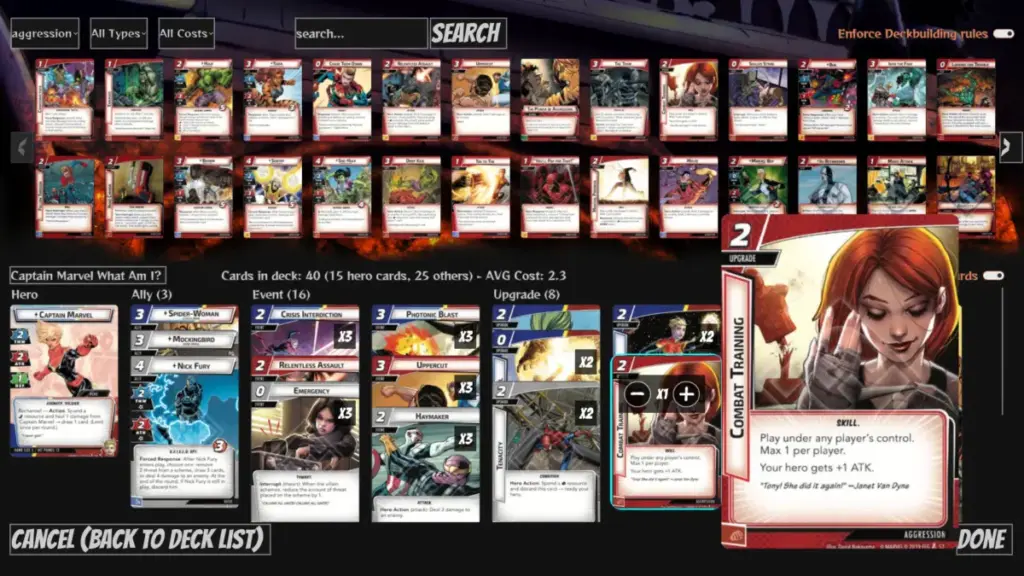
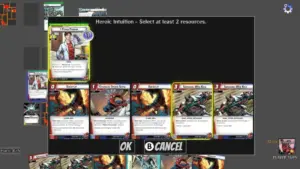
The landscape of fan-created digital adaptations for tabletop games has long existed in a grey area of passion projects, labor-intensive coding, and copyright cautiousness. Among the most ambitious recent undertakings in this space is Warnel Chawpiovs (WC)—an unofficial, fully rule-enforced digital homebrew adaptation of Fantasy Flight Games’ critically acclaimed cooperative Living Card Game (LCG), Marvel Champions. Developed by the prolific homebrew coder known in the community as frwololo, the project has taken a massive leap forward with the rollout of version 1.3.0.
Designed for multiple platforms—including Windows, Linux, macOS, and a heavily optimized homebrew port for the Nintendo Switch—Warnel Chawpiovs aims to lift the administrative burden of tabletop card gaming, automating calculations, phase transitions, and keyword interactions so players can focus purely on tactical execution. Version 1.3.0 marks a watershed moment for the project, introducing an integrated deck editor compatible with the popular community hub MarvelCDB.com, six iconic new heroes, and five punishing new scenarios pulled straight from the Galaxy’s Most Wanted campaign expansion.
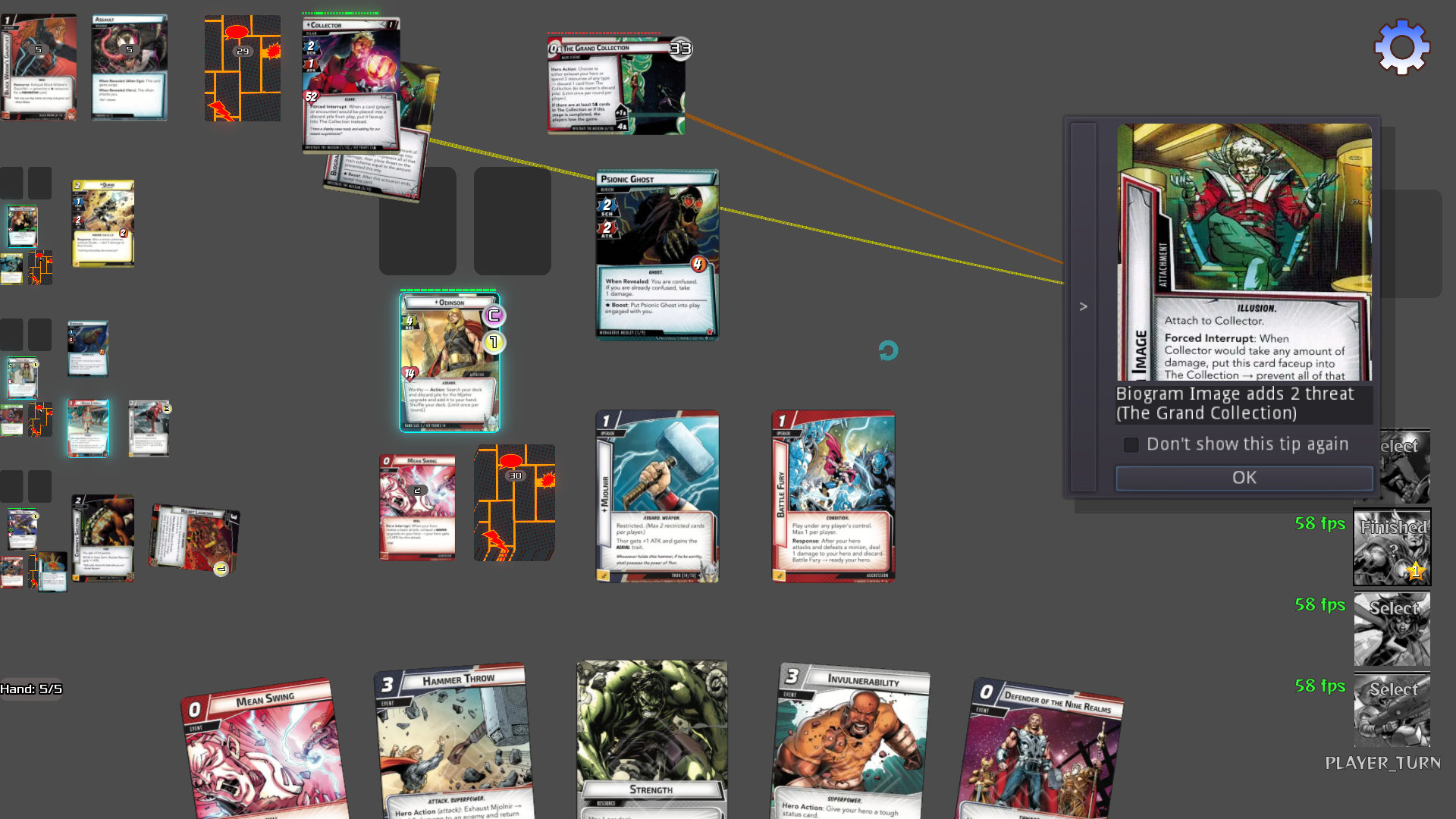
As the game expands to encompass roughly 25% of the card pool of the original physical release (excluding overarching narrative campaigns), it presents a fascinating case study in community-driven software development. However, version 1.3.0 also highlights the growing technical hurdles of scaling complex state-management rules across diverse hardware architectures, particularly regarding performance bottlenecks on the Nintendo Switch and persistent quirks in the experimental multiplayer framework.
Disclaimer: Warnel Chawpiovs is an entirely fan-created work and maintains no affiliation with, endorsement by, or sponsorship of Fantasy Flight Games or Marvel. All related intellectual property, characters, and settings remain the property of their respective owners.

Detailed Chronology: The Evolution to Version 1.3.0
The development of Warnel Chawpiovs has moved at a breakneck pace since its initial conceptualization, transitioning from a basic proof-of-concept card handler into a feature-complete digital client. The release cadence reflects a dedicated solo developer iterating rapidly based on community feedback, hardware limitations, and personal milestones in rule scripting.
Early Foundations and Version 1.0.0
When Warnel Chawpiovs first debuted, its primary objective was simple yet daunting: translate the intricate, state-heavy mechanics of Marvel Champions into a stable software environment. The early versions established the core gameplay loop, featuring single-player modes, fundamental rule enforcement, and an "Adventure Mode" that gated heroes and villains behind progression milestones—though this could be toggled off for sandbox experimentation.

The Porting Phase and Platform Expansion
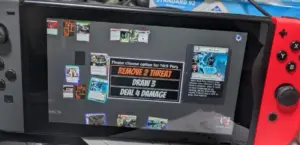
As the codebase matured, frwololo expanded the project beyond traditional PC architectures (Windows and Linux). The introduction of a macOS client (requiring standard unsigned app-bypass procedures) and, more notably, a Nintendo Switch homebrew port, transformed the project into a portable card-battler. However, bringing a heavy rules-enforcement engine to Nintendo’s aging mobile hardware immediately introduced optimization challenges, forcing the developer to issue careful guidance regarding console overclocking and single-hero session limits.
Version 1.3.0: The Galaxy’s Most Wanted Update
The release of version 1.3.0 represents the project’s most content-heavy update to date. Chronologically, the update shifts the digital adaptation’s focus toward cosmic-tier threats, integrating major mechanical shifts native to the Galaxy’s Most Wanted expansion cycle.

The update introduces six distinct heroes:
- Black Widow
- Thor
- Hulk
- Ms. Marvel
- Rocket Raccoon
- Groot
Simultaneously, the villain roster expands to include five new scenarios featuring Drang, The Collector (with dual scenarios Infiltrate the Museum and Escape the Museum), Nebula, and the notorious Ronan the Accuser. According to the developer, Ronan’s scenario has retained its tabletop reputation for brutal difficulty—so much so that frequent, rapid failures during testing left open questions regarding potential edge-case bugs in the encounter deck logic.

Supporting Context & Metrics: Under the Hood of Warnel Chawpiovs
To understand the scope of Warnel Chawpiovs version 1.3.0, it is necessary to examine the raw metrics of the software, its integration with external community tools, and the specific gameplay loops engineered for this release.
Content Scale and Milestones
With the integration of the Galaxy’s Most Wanted wave, Warnel Chawpiovs now boasts a roster of 20 heroes and 23 scenarios. frwololo estimates that this content library represents roughly 25% of all cards published in the physical Marvel Champions ecosystem (excluding standalone narrative campaign boxes).

The MarvelCDB.com Deck Editor Integration
One of the most praised additions in version 1.3.0 is the native deck editor. Moving away from purely rules-scripting gameplay mechanics, the developer spent days crafting an interface designed to streamline deck construction.
- Format Compatibility: The editor reads and writes files fully compatible with MarvelCDB.com, the premier community deckbuilding database.
- Import/Export Workflow: Players can effortlessly pull custom decklists generated online directly into the digital client, or export their homebrew creations back into community-sharing formats.
Tactical Synergy and Hero/Villain Interactions
The design philosophy behind Galaxy’s Most Wanted introduced aggressive mechanics that actively punish specific player styles—a dynamic that Warnel Chawpiovs faithfully reproduces.

For instance, frwololo highlights Rocket Raccoon as a standout favorite due to his high-flexibility upgrade-replacement abilities, making him exceptionally strong at both thwarting schemes and outputting raw damage. However, this strength runs headfirst into the mechanics of The Collector’s Infiltrate the Museum scenario. Under this scenario’s rules, whenever a card is discarded from play, The Collector immediately adds it to his "collection," accelerating the player’s defeat. This deliberate mechanical friction showcases how the software preserves the nuanced, often frustrating puzzle-box design of the original card game.
Similarly, Escape the Museum introduces a race against time where players must burn down main schemes as quickly as possible to trigger an escape, altering the traditional pacing of threat accumulation. Side schemes with reward clauses—reminiscent of the The Rise of Red Skull expansion—have also been fully scripted into the environment.

Official Statements & Developer Insights
In release notes and technical breakdowns surrounding version 1.3.0, frwololo offered candid reflections on the joys and tribulations of maintaining a complex fan project.
On the subject of the game’s brutal difficulty spikes, the developer noted regarding the Ronan scenario:

"Ronan the Accuser has the reputation of being a very difficult scenario, and to be honest I failed so often and so quickly against it that this scenario might be crippled with bugs and untested encounters (in addition to being super hard, ha). But give it a try and let me know."
Addressing the technical realities of cross-platform development and performance scaling, the developer issued transparent warnings regarding hardware limitations:

"Despite my best attempts, the game is suffering from growing performance issues. While things should be fine on PC with 1 or 2 heroes, I can see that the Switch is having a hard time with the two latest releases. And on PC, a 4 Heroes game is playable, but lag is significant when a card is played or an event happens."
On community engagement and the psychological reward of solo development:

"By the way, if you’re using and enjoying Warnel Chawpiovs, please do me a favor and spread the word, to friends or on social networks. Having a growing number of users helps me staying motivated to add more cards and features!"
Finally, regarding multiplayer capabilities, the developer maintains an open and honest stance: while a rudimentary multiplayer mode exists in the code architecture, it is explicitly noted as unstable ("multiplayer doesn’t exactly work"). For players strictly seeking online cooperative play with friends, frwololo generously directs them toward alternative community projects, such as the Marvel Champions Digital Edition hosted on Itch.io by creator irefrixs.

Future Outlook & Technical Roadmap
As Warnel Chawpiovs looks past version 1.3.0, the project’s trajectory remains focused on depth over breadth.
Short-Term Priorities
The primary roadmap centers on expanding the solo hero card pool, ironing out potential encounter bugs discovered in the Galaxy’s Most Wanted scenarios, and refining the performance of the newly introduced deck editor interface.

Hardware Optimization Challenges
Performance tuning will likely dominate future update cycles. As more expansions are scripted into the client, memory management and event-listener lag on lower-end devices—specifically the un-overclocked Nintendo Switch—will test the limits of the engine. Players utilizing the Switch port will continue to rely on external homebrew tools like sys-clk for overclocking profiles to maintain a smooth gameplay experience, especially during multi-hero setups.
Community and Contribution
Currently, Warnel Chawpiovs operates without a dedicated Discord server or formal forums, relying instead on GitHub issue tracking and direct email contact. However, the developer has hinted that if user adoption continues to climb, centralized community spaces may be established. In the interim, frwololo has issued an open call to programmers within the open-source community: developers capable of untangling complex networking states and multiplayer synchronization are heavily encouraged to submit Pull Requests (PRs) via the official GitHub repository.

Despite its unofficial status and technical growing pains, Warnel Chawpiovs version 1.3.0 stands as a remarkable testament to community ingenuity, giving solo card gamers a robust, automated digital playground to test their mettle against Marvel’s most formidable cosmic threats.