Into the Radius 2 Prepares for Quest 3 and 3S 1.0 Launch: A New Era for Standalone VR Survival
Executive Overview
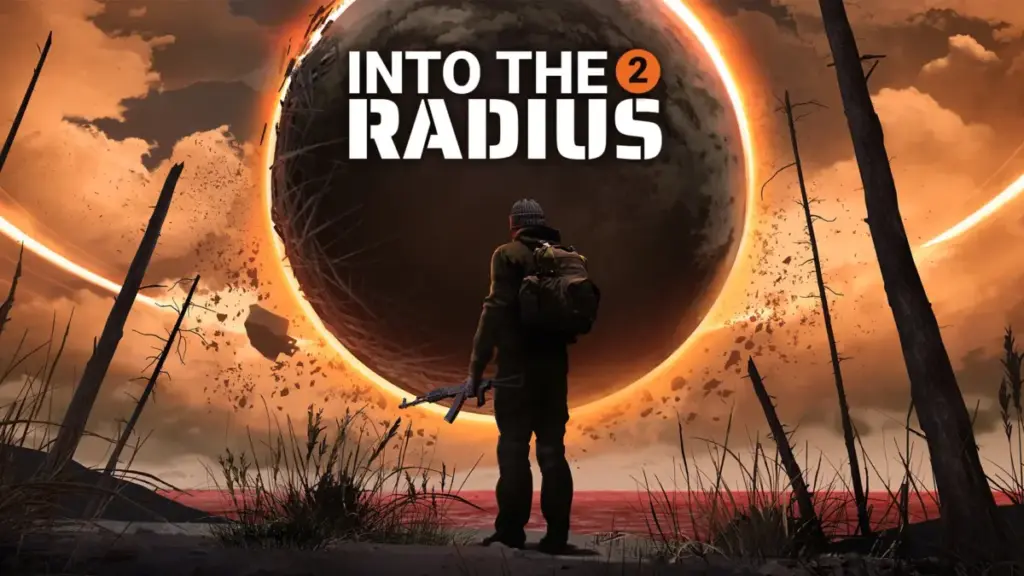
The virtual reality landscape is poised for a significant milestone as developer and publisher CM Games officially announces the upcoming 1.0 release of Into the Radius 2 for Meta Quest 3 and Quest 3S headsets. Slated for August 27th, this departure from early access marks the culmination of months of rigorous development, balancing performance optimization for mobile-powered hardware while delivering the atmospheric, heart-pounding survival gameplay that made its PC VR predecessor a cult classic.
Originally introduced to PC virtual reality enthusiasts in late 2024, Into the Radius 2 has undergone a methodical evolution. Following a successful full launch on SteamVR earlier this year—which introduced a sweeping narrative campaign, expansive new geographic zones, deadly anomalies, and four-player cooperative play—the franchise is now bringing its chilling atmospheric dread to Meta’s standalone ecosystem. The upcoming 1.0 update bridges the gap between PC and standalone platforms, bundling the critical content drops from the PC’s 1.0 and 1.1 patches directly into the Quest 3 and Quest 3S editions.
However, the transition to standalone mobile architecture is not without its compromises. While players on Meta’s latest headsets will gain access to the complete voiced campaign, advanced night-vision gear, a massive arsenal of weaponry, and cooperative gameplay, technical limitations have forced CM Games to cap multiplayer sessions at two players, compared to the four-player lobbies available on high-end PCs. Despite this hardware-induced limitation, the launch represents a massive leap forward for standalone immersive gaming, pushing the graphical and systemic boundaries of the Quest 3 and Quest 3S platforms. Currently available on the Horizon Store at a promotional 30% discount dropping its $40 MSRP to $28, anticipation for the Zone’s opening on standalone hardware has reached a fever pitch.
Detailed Chronology
The Genesis and PC VR Early Access Phase
The journey of Into the Radius 2 began long before its imminent standalone release. Building upon the critical acclaim of the original game, CM Games set out to craft a sequel that expanded every facet of the surreal, post-apocalyptic survival experience. Set within the nightmarish Pechorsk Security Zone—an alternate-history region warped by strange physical phenomena and otherworldly entities—the sequel aimed to lean harder into tactical realism, weapon maintenance, and atmospheric exploration.
In late 2024, the title made its debut on PC VR via early access, immediately drawing praise for its uncompromised physics engine, tactile weapon handling, and terrifying ambiance. The early access period served as a collaborative crucible, allowing the development team to fine-tune mechanics based on direct community feedback. As months progressed, CM Games rolled out incremental updates that gradually built out the skeletal framework into a cohesive, sprawling experience.
The SteamVR 1.0 and 1.1 Milestones
The turning point for the PC ecosystem arrived in April, when Into the Radius 2 officially shed its early access tag on Steam. This 1.0 release delivered a fully realized narrative campaign complete with a voiced storyline, environmental lore notes, and haunting, destructible figures scattered ominously throughout the Zone.
Shortly thereafter, in June, CM Games deployed the 1.1 update to SteamVR users. This patch was transformative, introducing advanced tactical equipment, hazardous new anomaly types, and the highly anticipated four-player co-op mode. Players could finally venture into the radioactive fog alongside a squad, fundamentally altering the solitary horror dynamic of the original game into a shared tactical survival venture.
The Standalone Horizon Store Arrival and Upcoming 1.0 Launch
With the PC version polished and feature-complete, CM Games turned its attention entirely toward the Meta Quest ecosystem. Recognizing the advanced processing capabilities of the Quest 3 and Quest 3S powered by the Snapdragon XR2 Gen 2 platform, the studio recognized a viable path to bring the core experience to standalone hardware without sacrificing the signature atmospheric dread.
Announced for an August 27th release, the Quest 1.0 launch encapsulates the cumulative triumphs of the PC updates. By integrating the core features of both the 1.0 and 1.1 Steam updates, Meta Quest users are receiving a feature-rich version of the game right out of the gate. As the countdown to August 27th ticks away, early adopters can currently secure the title on the Horizon Store at a reduced introductory price of $28, down from its standard $40 valuation.
Supporting Context & Metrics
Bridging the Content Gap: What Quest Users Are Getting
Bringing a complex, physics-heavy PC VR title to standalone hardware is a monumental engineering challenge. Historically, standalone ports often required severe cutbacks in asset quality, world scale, and systemic complexity. CM Games, however, has managed to port the vast majority of the PC’s heavy-hitting content drops directly to the Quest 3 and Quest 3S.
The August 27th update introduces a substantial catalog of content:
- Complete Narrative Campaign: Fully voiced characters, extensive environmental storytelling through lore notes, and mysterious destructible figures scattered throughout the hazardous landscape.
- Enhanced Night Operations: The introduction of functional night-vision devices, illumination flares, thick and disorienting exploration fog, and dangerous new anomaly variations that force players to completely rethink their navigation strategies.
- Expanded Arsenal: A significant influx of firepower, featuring the G3 battle rifle, the iconic MP5 submachine gun, the GP-34 underbarrel grenade launcher, and a diverse array of hand grenades designed to deal with armored or swarming threats.
The Technical Divide: Co-Op Limitations on Standalone
Despite the impressive feature parity between the PC and Quest versions, fundamental hardware discrepancies dictate certain design concessions. While SteamVR players enjoy seamless four-player cooperative operations introduced in the June update, Quest 3 and Quest 3S players will find their multiplayer sessions capped at a maximum of two players.
Industry analysts note that this restriction stems from the memory bandwidth, CPU overhead, and network replication demands required to manage complex physics, independent weapon interactions, enemy AI paths, and persistent world items for multiple simultaneous players on mobile-class chipsets. While disappointing for squads of four looking to dive into the Radius together, a cooperative duos experience still represents a major technical achievement for standalone VR survival shooters.
| Feature / Metric | PC VR (Steam) | Meta Quest 3 / 3S (Standalone) |
|---|---|---|
| Current Status | Fully Released (1.1+) | 1.0 Launch (August 27th) |
| Campaign Status | Fully Voiced & Complete | Fully Voiced & Complete |
| Max Co-Op Players | Up to 4 Players | Up to 2 Players |
| Tactical Gear & Weapons | Full Arsenal (G3, MP5, GP-34, NVGs) | Full Arsenal (G3, MP5, GP-34, NVGs) |
| Standard Pricing | $40.00 USD | $40.00 USD (Currently $28.00 on sale) |
Official Statements
The development team at CM Games has maintained a transparent dialogue with the virtual reality community throughout the iterative development of Into the Radius 2. In recent developer updates shared via Meta’s developer channels, studio representatives emphasized their commitment to maintaining the integrity of the franchise while pushing the hardware limits of Meta’s latest standalone chipsets.
Addressing the impending Quest launch, studio communications highlight the intricate balancing act required to optimize the game: "Our primary goal has always been to ensure that the haunting, unpredictable nature of the Pechorsk Security Zone translates faithfully, regardless of whether a player is tethered to a high-end gaming rig or playing untethered on a Quest 3. Bringing the 1.0 and 1.1 feature sets to standalone hardware required creative engineering and rigorous optimization, but the result is an uncompromising survival horror experience tailored for mobile VR architecture."
Regarding the cooperative player cap, CM Games was direct and candid with the community, explaining the engineering constraints transparently: "While we would love nothing more than to drop four-player squads directly into the standalone fog, the hardware realities of standalone VR necessitate careful management of network stability and CPU processing. Capping cooperative play at two players ensures that performance remains buttery-smooth, ensuring the tension and responsiveness of gunfights are never compromised by frame drops or latency spikes."
Future Outlook
The Future of Standalone Immersive Survival
The arrival of Into the Radius 2 on the Quest 3 and Quest 3S signifies more than just a successful software port; it represents a broader maturation of the standalone virtual reality ecosystem. As mobile chipsets like the Snapdragon XR2 Gen 2 become more ubiquitous, developers are increasingly willing to tackle complex, deeply systemic genres—such as tactical survival shooters—that were once considered exclusive domains for tethered PC setups.
For CM Games, the August 27th launch is not a finish line, but rather the beginning of a new chapter of multi-platform support. With the PC version stable and the standalone version finally reaching feature parity in single-player and duo experiences, the studio can now direct its collective developmental focus toward post-launch support, community-driven patches, and potential content expansions.
Long-Term Community Impact and Market Positioning
As players strap on their headsets to brave the radioactive fogs and eerie anomalies of the Pechorsk Security Zone, the game’s performance on the Horizon Store will likely serve as a bellwether for future hardcore VR projects. Priced competitively at $28 during its launch promotion, the game lowers the barrier to entry for survival enthusiasts eager to test their mettle against the unknown.
Ultimately, Into the Radius 2 demonstrates that standalone virtual reality does not have to sacrifice depth, atmosphere, or tactical complexity to achieve mass accessibility. By successfully navigating the technical hurdles of mobile hardware while retaining the core pillars of its predecessor, CM Games has carved out a formidable space in the VR survival genre—ensuring that the Radius will continue to call out to brave explorers for years to come.