In an era dominated by high-definition graphics, cloud streaming, and digital-only distribution, the retro gaming community continues to demonstrate an insatiable appetite for tangible, historical software. In a major development for preservationists and collectors alike, boutique publisher Strictly Limited Games, in partnership with Atari, has announced the physical resurrection of a beloved 1990s platforming icon: Mr. Nutz.
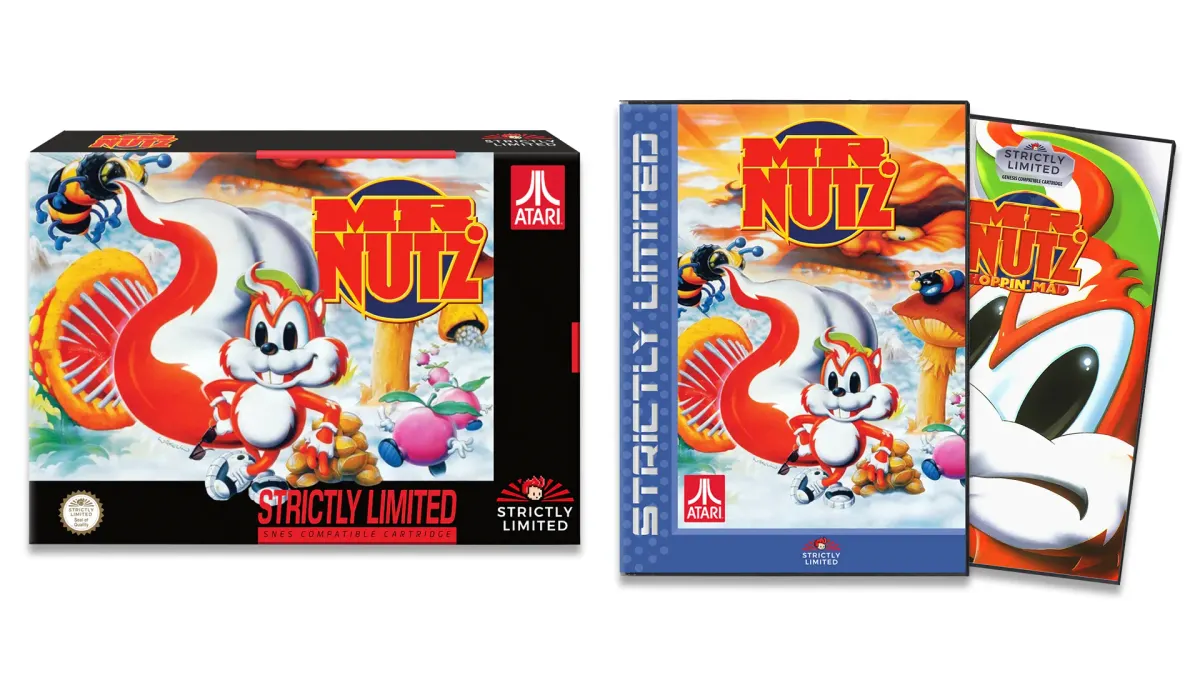
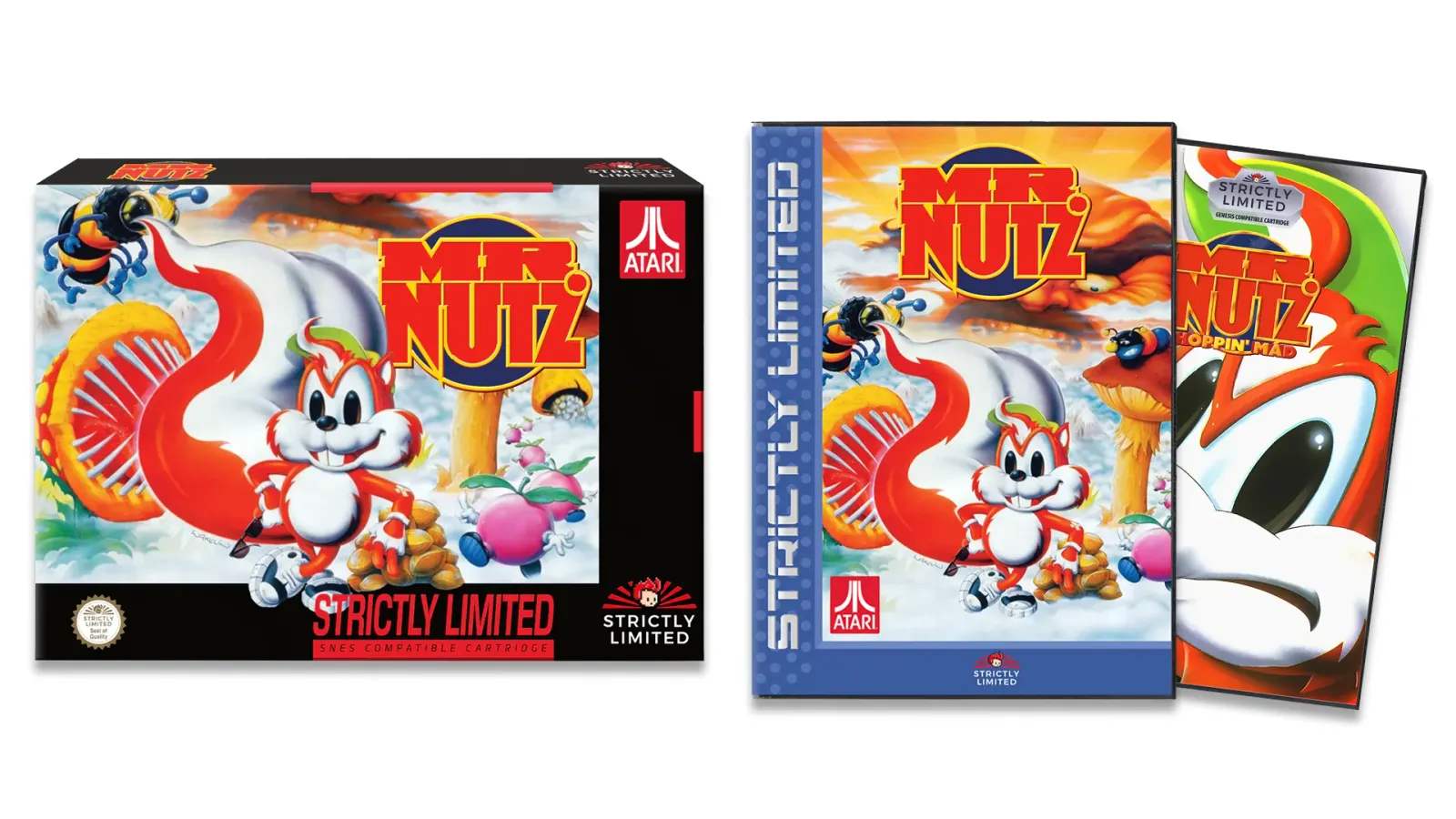
Decades after his last major appearance, the heroic red squirrel is set to return to his original hardware roots. The collaboration will yield physical, cartridge-based releases of both the original Mr. Nutz and its historically elusive sequel, Mr. Nutz: Hoppin’ Mad, for the Super Nintendo Entertainment System (SNES), Sega Genesis, and Sega Mega Drive.
This initiative represents more than a simple nostalgia play. It highlights a growing sub-sector of the interactive entertainment industry dedicated to "retro-publishing"—producing new physical media for discontinued legacy consoles. Priced at €49.99 / £44 / $59.99, with pre-orders currently live and shipping scheduled for the first quarter of 2027, this release represents a critical milestone in software preservation. It officially brings a "lost" 16-bit sequel to Sega cartridges for the very first time.
Detailed Chronology: The Journey of Mr. Nutz (1993–2027)
To understand the significance of this revival, one must trace the winding, often complicated history of the Mr. Nutz intellectual property, which mirrors the volatile transitions of the video game industry during the 1990s and early 2000s.
[1993] Mr. Nutz Debuts on SNES (Ocean Software / Neon Studios)
   │
   ├─► [1994] Ported to Sega Mega Drive/Genesis & Game Boy
   │
   └─► [1994] "Mr. Nutz: Hoppin' Mad" Releases on Commodore Amiga
         │
         └─► Sega Mega Drive Port ("Mr. Nutz 2") Cancelled due to market shifts
               │
               ├─► [2003] Final Remake on Game Boy Advance (24-year hiatus begins)
               │
               └─► [2027 (Est.)] Strictly Limited & Atari Release Physical Cartridges for SNES & Sega Hardware
1. The 1993 Genesis: A Mascot is Born
In the early 1990s, the video game industry was swept up in the "mascot platformer" craze. Following the massive success of Nintendo’s Mario and Sega’s Sonic the Hedgehog, publishers scrambled to find their own anthropomorphic heroes. European publishing giant Ocean Software struck gold when they published Mr. Nutz in 1993.
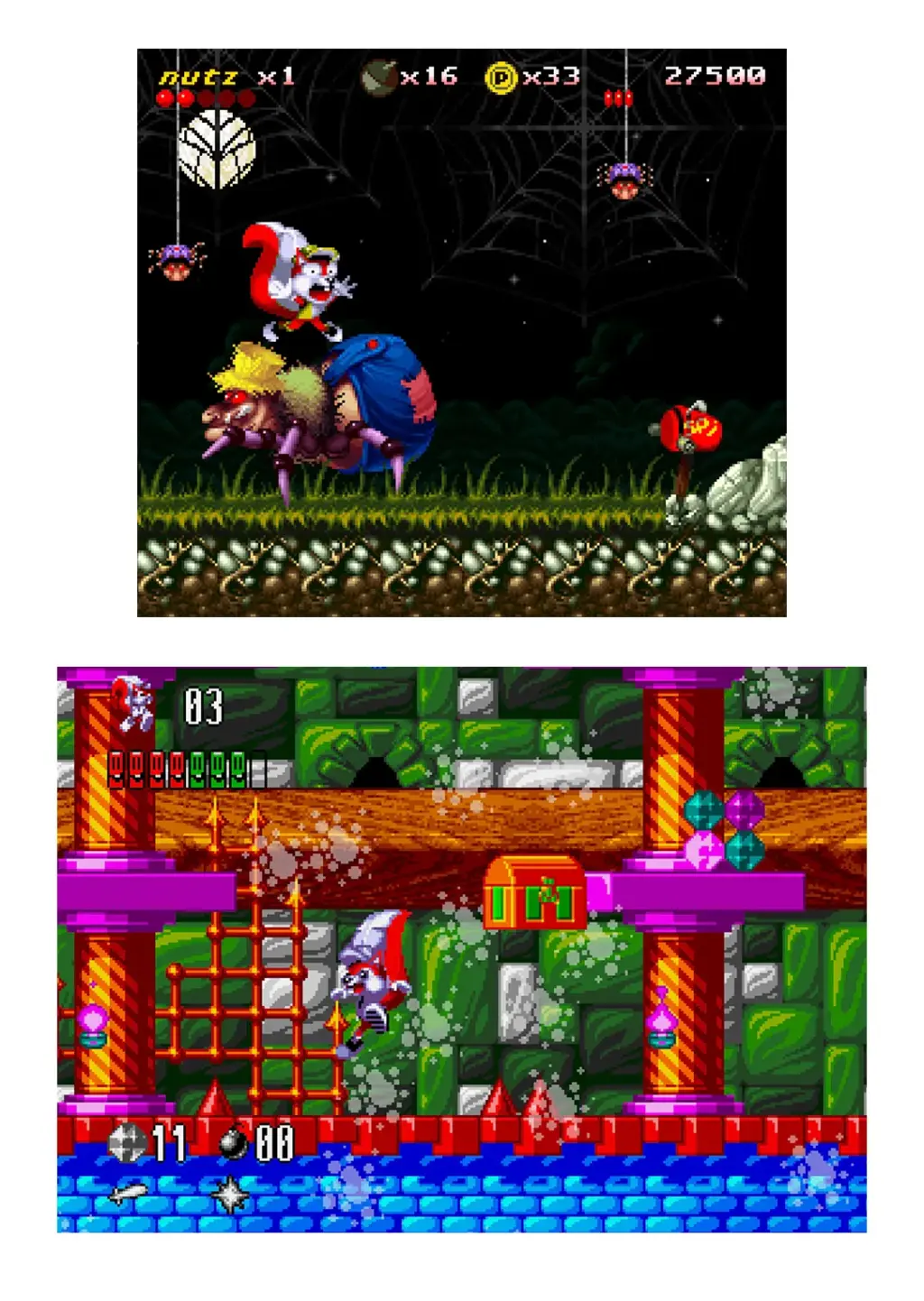
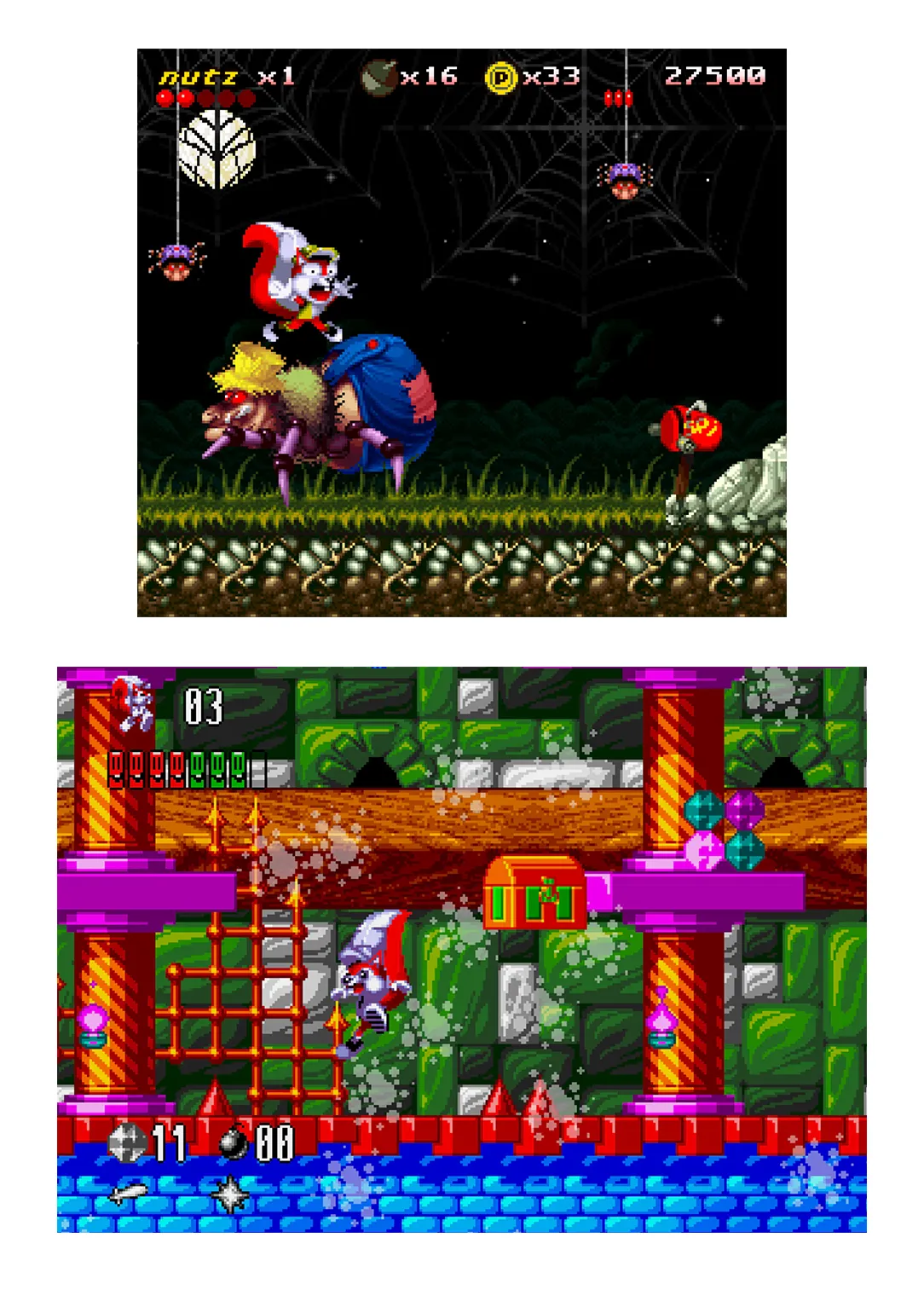
Developed by Neon Studios (founded by former members of Kaiko), the game debuted on the SNES to critical acclaim. Players controlled a vibrant red squirrel tasked with stopping the villainous Mr. Blizzard from plunging the world into a permanent ice age. The game was celebrated for its lush, hand-drawn background art, expressive character animations, and a whimsical soundtrack composed by Raphaël Gesqua.
2. 1994: Platform Expansion and the "Lost" Sequel
Following its successful SNES launch, Mr. Nutz was ported to the Sega Mega Drive/Genesis, Game Boy, and other European computer systems in 1994.
During this peak period of popularity, Neon Studios developed a sequel titled Mr. Nutz: Hoppin’ Mad. Released in 1994 for the Commodore Amiga, the sequel shifted gameplay styles toward a faster, more exploration-heavy format. Ocean Software fully intended to release this sequel on the Sega Mega Drive under the title Mr. Nutz 2. However, as the industry rapidly transitioned toward 32-bit, CD-based consoles like the Sony PlayStation and Sega Saturn, the cartridge version of Mr. Nutz 2 was quietly shelved. For over three decades, Sega console owners were denied the official sequel, leaving Hoppin’ Mad as a highly sought-after holy grail of retro gaming lore.
3. 2003: The Game Boy Advance Port and Hiatus
The character made a brief final appearance in 2003 with a remastered port of the original game for the Game Boy Advance. While the release received positive reviews from critics who praised its visual fidelity on a handheld screen, the market had shifted decisively toward 3D gaming. The IP went dormant, beginning a 24-year hiatus from physical retail shelves.
4. 2026/2027: The Revival Partnership
The silence was broken when Strictly Limited Games—a publisher renowned for preserving rare and unreleased retro titles—unveiled its partnership with Atari. This initiative finally bridges the historical gap, delivering the original game and officially bringing Mr. Nutz: Hoppin’ Mad to Sega Genesis and Mega Drive cartridges for the first time in history.
Supporting Context & Metrics: The Economics of Modern Retro Publishing
The revival of Mr. Nutz is part of a broader, highly profitable trend within the video game ecosystem: the physical retro revival. While digital emulation is highly accessible, a dedicated demographic of gamers prefers authentic, physical interaction with legacy hardware.
Metric / Detail
Specification / Data Point
Retail Price
€49.99 / £44 / $59.99 (standard across all platforms)
Target Hardware
Super Nintendo (SNES), Sega Genesis, Sega Mega Drive
Pre-Order Window
Commenced August 2026
Target Release Window
Q1 2027
Last Physical Release
2003 (Game Boy Advance)
Hiatus Duration
24 Years
Key Partners
Strictly Limited Games & Atari
The Value of Legacy Hardware
Producing software for consoles that have been out of production for nearly thirty years presents unique engineering and logistical challenges. Publishers like Strictly Limited Games must:
Source custom, high-quality printed circuit boards (PCBs) that run at safe voltages (5V) compatible with original console hardware.
Manufacture custom plastic cartridge shells that match the exact physical dimensions of original SNES and Genesis/Mega Drive slots.
Print high-quality, period-accurate cardboard boxes and full-color instruction manuals, a tradition deeply missed by modern gamers.
This meticulous manufacturing process explains the premium pricing structure ($59.99 USD) and the extended production timeline, with delivery scheduled for early 2027.
Official Statements & Gameplay Analysis
To understand why Mr. Nutz has retained such a dedicated following, one must look at the design principles of the era. In their official press release, Strictly Limited Games detailed the design elements of both titles:
"The original Mr. Nutz features smooth controls, vibrant visuals, rewarding exploration, and countless hidden secrets. The game remains one of the most memorable platformers of its era. Joining it is Mr. Nutz: Hoppin’ Mad, the long-lost sequel that was originally developed for the Amiga and planned for release on the Mega Drive as Mr. Nutz 2.
This fast-paced adventure sees Mr. Nutz battling an invasion of mischievous Alien Chickens across expansive levels connected by an explorable overworld. With its unique approach to platforming, colorful environments, and emphasis on exploration, Hoppin’ Mad offers fans a fresh adventure starring the iconic squirrel."
Gameplay Comparison: Mr. Nutz vs. Mr. Nutz: Hoppin’ Mad
The original title is a masterclass in traditional, European-style platforming. It features a slower, more methodical pace where players use Mr. Nutz’s tail whip and collectible acorns to defeat enemies. The level design emphasizes verticality and secret areas filled with point items.
In contrast, Hoppin’ Mad leans heavily into momentum-based physics. Heavily inspired by the speed of Sonic the Hedgehog and the open-ended exploration of Super Mario World, the sequel introduces an interactive overworld map. The tone is also notably more eccentric, replacing the fantasy-woodland aesthetic of the original with a sci-fi premise involving invading "Alien Chickens."
Atari’s Grand Strategy and the "Big Announcement" Enigma
The revival of Mr. Nutz occurs under the corporate umbrella of Atari, a brand undergoing a major renaissance. Under the leadership of CEO Wade Rosen, Atari has pivoted away from volatile modern trends to focus on its greatest asset: classic gaming IP.
Over the past few years, Atari has systematically acquired retro-focused entities, including:
Nightdive Studios (masters of classic system remastering)
Digital Eclipse (industry leaders in interactive video game documentaries)
MobyGames (the definitive video game database)
Numerous classic IPs (including Bubsy, Hardball, and Gex via partnerships)
The Tease and the Reality
Prior to the Mr. Nutz announcement, Atari teased what they claimed would be "one of the biggest announcements we’ve ever made." Given Atari’s recent acquisitions, speculation ran rampant. Many industry insiders assumed this tease referred to the resurrection of Mr. Nutz.
However, as author Brandon Saltalamacchia clarified, this physical release is a partnership with Strictly Limited Games rather than Atari’s mysterious "biggest announcement." The fact that a major revival like Mr. Nutz is considered a secondary release highlights the scale of whatever Atari is planning next. Industry analysts speculate that Atari’s unrevealed project could involve a major hardware initiative, a massive IP acquisition, or a pioneering retro-compilation project.
Future Outlook: Preservation, Legacy, and the Road to 2027
The physical release of Mr. Nutz and Mr. Nutz: Hoppin’ Mad in early 2027 is a significant victory for video game preservation. It proves that there is a viable, sustainable market for physical media and historical software restoration.
                       RETRO GAME PRESERVATION VALUE CHAIN

   Historical Source Code ──► Rights Acquisition ──► Hardware Compatibility Engineering
                                                                 │
                                                                 ▼
   Collector Distribution ◄── Boutique Manufacturing ◄── Packaging & Manual Design
By working with Strictly Limited Games, Atari is ensuring that these games are not merely trapped in digital subscription services or emulated illegally. Instead, they are being preserved on physical cartridges that can be played on original 1990s hardware, as well as modern FPGA-based clone consoles like the Analogue Super Nt and Mega Sg.
For retro gamers, the return of this heroic red squirrel is a welcome trip back to a simpler era of gaming. It offers a rare chance to open a brand-new, cardboard-boxed cartridge, consult a printed instruction manual, and experience a piece of lost gaming history exactly as its creators intended.