Resynchronizing a Classic: A Comprehensive Analysis of Assassin’s Creed IV: Black Flag Resynced and Ubisoft’s Remake Strategy
Executive Overview
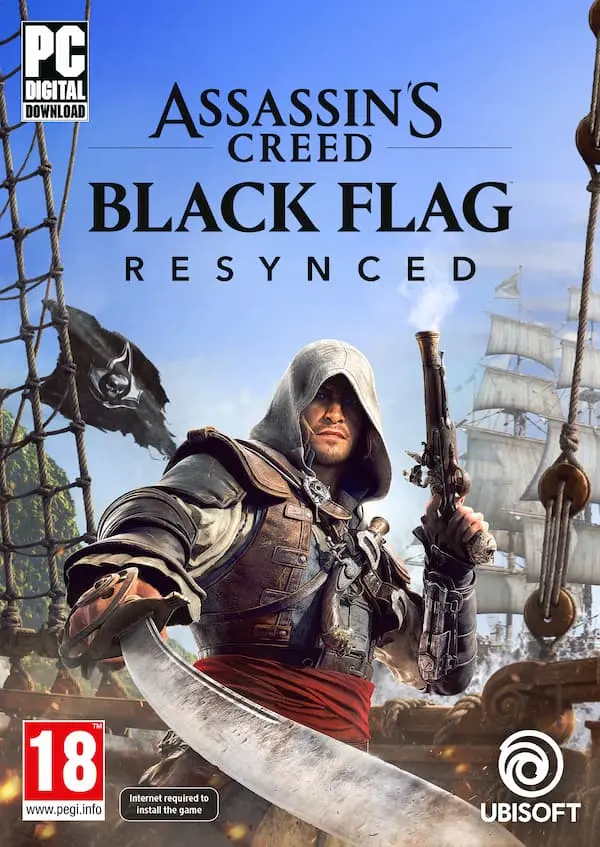
The release of Assassin’s Creed IV: Black Flag Resynced marks a pivotal moment in Ubisoft’s strategy to revitalize its legacy catalog. Originally launched in 2013 during a transitional period for both gaming hardware and the Assassin’s Creed franchise itself, the pirate-themed action-adventure title earned widespread acclaim for its seafaring mechanics, compelling protagonist, and expansive Caribbean open world.
More than a decade later, Resynced attempts to bridge the gap between classic design philosophy and modern technical standards. Based on post-launch technical audits and analytical playtesting across modern hardware platforms, the remake succeeds in delivering a significant visual and structural upgrade. Boasting an overall critical rating of 4.25 out of 5, the title leverages contemporary rendering techniques—achieving graphical parity with recent flagship releases such as Assassin’s Creed Shadows—while streamlining legacy mechanics, reducing loading transitions, and introducing expanded side content.
However, the remake is not without controversy. While performance optimization and visual fidelity have received widespread praise, Ubisoft’s decision to alter the narrative architecture—specifically excision of the real-world Abstergo Entertainment storylines in favor of a localized "what-if" Animus framework—has sparked debate among core franchise enthusiasts. This report analyzes the technical performance, structural changes, commercial framework, and long-term implications of Black Flag Resynced within the broader gaming landscape.
Detailed Chronology: The Journey from 2013 to 2026
+-----------------------------------------------------------------------------------+
|                                  TIMELINE OF EVENTS                               |
+-----------------------------------------------------------------------------------+
| Nov 2013   | Original release of AC IV: Black Flag on 7th & 8th gen consoles.       |
|            | Established Edward Kenway as a standout protagonist post-Ezio.       |
+------------+----------------------------------------------------------------------+
| 2014-2025  | Franchise pivots through RPG era (Origins, Odyssey, Valhalla).       |
|            | Persistent fan demand grows for high-seas nautical gameplay updates. |
+------------+----------------------------------------------------------------------+
| Mid-2026   | Official release of 'Assassin's Creed IV: Black Flag Resynced'.      |
+------------+----------------------------------------------------------------------+
| Jul 10, '26| Testing phase commences; primary analytical play sessions begin.      |
+------------+----------------------------------------------------------------------+
| Aug 18, '26| Initial 21h 36m critical playthrough completed; post-game evaluation |
|            | shifts to end-game side activities and long-term performance tests.   |
+-----------------------------------------------------------------------------------+
The Legacy Context (2013)
To understand the significance of Resynced, one must evaluate the climate surrounding the original 2013 release. Following the conclusion of Ezio Auditore da Firenze’s story arc in Assassin’s Creed: Revelations and the mixed critical response to Connor (Ratonhnhaké:ton) in Assassin’s Creed III, the franchise faced narrative fatigue. Black Flag subverted expectations by introducing Edward Kenway—a pragmatic, gold-driven privateer who stumbles into the Assassin-Templar conflict rather than being born into it.
Kenway quickly established himself in the upper echelon of franchise lead characters, frequently ranked by critics alongside Ezio Auditore and Kassandra of Assassin’s Creed Odyssey. The game’s blend of naval warfare, fortress sieges, and atmospheric sea shanties created a blueprint that Ubisoft repeatedly attempted to recreate in subsequent titles.
The Remake Era (2026)
Following years of rumors regarding legacy engine ports, Ubisoft released Assassin’s Creed IV: Black Flag Resynced on PC (via Ubisoft Connect) and current-generation console platforms. Playtesting conducted between July 10, 2026, and August 18, 2026, logged a core narrative completion time of 21 hours and 36 minutes, revealing a modernized experience built upon the framework of the original.
Supporting Context & Technical Metrics
Hardware Benchmarks and Graphic Fidelity
The visual overhaul in Resynced goes beyond standard texture upscaling. Remade within an updated iteration of the Anvil engine, the game achieves visual fidelity comparable to Assassin’s Creed Shadows. Key graphical enhancements include:
- Volumetric Water & Maritime Physics: Sea surfaces, wave interactions, and storm rendering have been entirely rewritten to leverage real-time ray-tracing and advanced fluid dynamics.
- Foliage & Environment Density: Caribbean jungles feature high-density dynamic vegetation that reacts naturally to weather phenomena and character navigation.
- Character Model Parity: Character assets, particularly Edward Kenway and key historical figures (such as Blackbeard and Anne Bonny), feature enhanced subsurface scattering, detailed cloth simulation, and real-time facial animation.
+-----------------------------------------------------------------------------------+
|                        BENCHMARK PERFORMANCE METRICS                              |
+-----------------------------------------------------------------------------------+
| Target Platform          | PC (Custom Steam Machine / Linux Subsystem)            |
| Distribution Channel     | Ubisoft Connect                                        |
| Rendering Resolution     | 4K UHD (3840 x 2160)                                   |
| Upscaling Tech           | AMD FidelityFX Super Resolution (FSR) - Quality Mode  |
| Graphics Preset          | Maximum / Ultra Settings                               |
| Average Frame Rate       | ~90 FPS (Occasional drops during heavy sea storms)     |
| Average Core Completion  | 21 Hours 36 Minutes                                    |
| Overall Rating           | 4.25 / 5.0                                                |
+-----------------------------------------------------------------------------------+
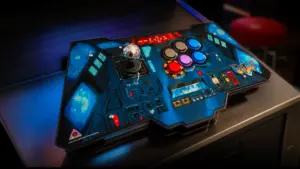
Performance testing on modern custom hardware—specifically high-tier home-brewed Steam Machines running optimized Linux builds—demonstrates robust stability. Running at 4K resolution with AMD FSR set to Quality Mode and maximum visual presets, the engine maintains an average output near 90 frames per second, with minor dips occurring only during high-density naval battles with complex smoke and dynamic weather rendering.
Gameplay Mechanics Optimization
Rather than reinventing Black Flag as a full-scale action-RPG—a trend that divided fans during the Origins, Odyssey, and Valhalla era—Resynced preserves the classic action-adventure core while incorporating quality-of-life adjustments:
- Seamless Transitions: Loading screens between high-seas navigation and major port cities (such as Havana, Nassau, and Kingston) have been virtually eliminated.
- Refined Stealth & Movement: Parkour trajectories feature reduced contextual stickiness, while crouch-stealth mechanics and line-of-sight indicators mirror modern stealth entries.
- Polished Combat Systems: Counter-based free-flow combat remains intact but features re-timed parry windows, improved hit registration, and smoother gun-swapping animations during close-quarters boarding actions.
Content Architectural Analysis: Additions, Omissions, and Monetization
+-----------------------------------------------------------------------------------+
|                               CONTENT COMPARISON MATRIX                           |
+-----------------------------------------------------------------------------------+
| Feature / Element        | Original (2013)             | Resynced Remake (2026)    |
+--------------------------+-----------------------------+---------------------------+
| Real-World Abstergo Quests| Included (First-person FP2) | Removed                   |
| Alternate Animus Quests  | N/A                         | Added ("What-If" Scenarios)|
| Side Content & Contracts | Standard                    | Expanded                  |
| Seamless Port Transitions| No (Loading screens)        | Yes (Direct sailing)      |
| In-App Purchases         | Limited Time Savers         | Integrated Storefront     |
+-----------------------------------------------------------------------------------+
Narrative Restructuring: The Removal of Abstergo
The most significant structural alteration in Resynced is the removal of the modern-day Abstergo Entertainment sequences. In the 2013 original, players periodically stepped out of the Animus to walk through a fictionalized, first-person version of an Abstergo office building in Montreal, collecting audio logs and hacking computers.
Ubisoft opted to replace these sequences with a streamlined "Animus Resynced" system. This framework introduces hypothetical "what-if" historical simulation paths rather than forcing real-world office exploration.
Industry Implications of the Narrative Pivot
- The Case for Removal: The modern-day narrative frequently interrupted the pacing of Kenway’s pirate adventure. For newcomers unfamiliar with Desmond Miles or the Isu lore from AC I through AC III, these sections served as structural speedbumps.
- The Case for Retention: Longtime franchise historians view the modern-day framing as the foundational thread that unifies the IP. Replacing canonical lore with speculative scenarios risks diluting the overarching meta-narrative, reflecting a broader trend toward simplified, anthology-style storytelling across major media franchises.
Monetization and In-App Purchases
Resynced incorporates modern monetization systems, including an in-game storefront offering cosmetic pack options, resource boosters, and unique vessel liveries. While the presence of microtransactions in a remade single-player title remains a point of critique among industry watchdog groups, the shop UI is isolated within secondary pause menus. Testers noted that the gameplay loop remains fully balanced without requiring microtransactions, allowing players to completely bypass the store during standard progression.
Official Statements and Industry Reaction
Ubisoft narrative directors and technical leads have addressed the design choices behind Resynced in developer streams and press documentation following launch.
"When evaluating the architecture of Black Flag for a modern audience, our goal was to remove mechanical friction without compromising the soul of the 1715 Caribbean setting. By updating performance parameters, eliminating island loading barriers, and focusing narrative delivery inside the Animus, we created a tighter, uninterrupted fantasy experience."
— Ubisoft Development Team Statement
Industry analysts note that Resynced represents a measured compromise for Ubisoft. By retaining classic action-adventure mechanics rather than shoehorning in complex level-gated RPG systems, the publisher successfully captured both original players seeking nostalgia and newer audiences seeking a streamlined entry point.
Future Outlook: The Blueprint for Franchise Preservations
The critical and commercial success of Assassin’s Creed IV: Black Flag Resynced establishes a clear path forward for Ubisoft’s back-catalog. With a strong 4.25 rating and high post-completion player retention driven by expansive oceanic side content, Resynced demonstrates that targeted mechanical modernization paired with top-tier graphical engine upgrades is a viable strategy.
Strategic Takeaways for Future Remakes:
- Demand for Legacy Preservation: The overwhelming enthusiasm for Edward Kenway’s return underscores fan appetite for localized, character-driven narratives alongside sprawling RPG entries.
- The Ezio Trilogy Blueprint: The execution of Resynced serves as a proof-of-concept for similar full-scale engine remakes—most notably the highly requested Ezio Trilogy (Assassin’s Creed II, Brotherhood, and Revelations).
- Long-Term Engagement: By preserving end-game side activities, naval forts, legendary ship battles, and hidden treasure hunting, Resynced provides substantial replayability beyond its ~21-hour main campaign, keeping players engaged within the ecosystem for months post-launch.
As Ubisoft continues to expand the Assassin’s Creed roadmap across multiple eras, Black Flag Resynced stands out not merely as a exercise in nostalgia, but as a definitive high-seas action-adventure that honors its legacy while embracing the visual standards of modern interactive entertainment.