
Tidal Wave on Steam: How How to Fish Reached One Million Sales in 48 Hours
Executive Overview
In the hyper-competitive landscape of contemporary PC gaming, sudden breakout hits have become increasingly rare, often overshadowed by heavily marketed blockbusters and multi-million-dollar AAA franchises. Yet, every so often, an independent title defies all market logic, capturing the collective imagination of the global gaming community overnight. Such is the extraordinary trajectory of How to Fish, the debut project from indie studio Dazed Games.
Launched on Steam on August 20th, the cooperative physics-based fishing game achieved a staggering milestone: selling one million copies in just 48 hours. By day three, the developer officially confirmed the figures, leaving analysts and players alike stunned.
Despite launching amid a fiercely crowded release window—sharing the digital marquee with heavy-hitting titles like Mortal Shell 2, the Modern Warfare 4 beta, and the Wardogs closed beta—How to Fish carved out its own dominant space. Peaking at an astonishing 268,101 concurrent players on Steam, the title has rapidly transformed from an obscure storefront listing into an international viral phenomenon. This report delves into the mechanics behind the game’s meteoric rise, examining its strategic pricing, chaotic multiplayer design, community-driven appeal, and what the future holds for Dazed Games’ unexpected masterpiece.
Detailed Chronology: The Road to a Million
Pre-Launch Obscurity and Storefront Prominence
Prior to August 20th, How to Fish existed largely under the radar. While indie developers Dazed Games had quietly built a functional, highly optimized physics engine, the project lacked the multi-million-dollar marketing budgets typical of modern industry heavyweights.
However, the game’s arrival on the Steam frontpage immediately signaled a shift in momentum. Utilizing Steam’s algorithmic visibility and word-of-mouth promotion within micro-communities, the game quickly climbed the platform’s "Trending" and "Top Sellers" charts within hours of deployment.
The 48-Hour Explosion
By the end of its first full day on the market, player counts were doubling at an exponential rate. Streamers, content creators, and casual groups of friends latched onto the game’s chaotic premise.
By August 22nd—just 48 hours post-launch—internal sales tracking confirmed that How to Fish had officially crossed the one-million-copies sold threshold. The speed of this milestone placed Dazed Games alongside some of the fastest-selling independent debuts in Steam history, rivaling historical viral sensations like Fall Guys, Valheim, and Phasmophobia.
Official Confirmation and Day-Three Announcements
On August 23rd, Dazed Games issued a brief, triumphant statement via the Steam community hub to confirm the milestone. Rather than relying on a traditional press release or elaborate PR campaign, the studio kept its message grounded and community-focused:
"Yes, we’ll be adding more content! Yes, we’ll be fixing bugs!"
This direct, transparent communication style further endeared the fledgling studio to its rapidly expanding player base, cementing a positive feedback loop between developers and consumers.
Supporting Context & Metrics: Breaking Down the Numbers
To truly understand the magnitude of How to Fish’s success, one must examine the hard metrics provided by analytics platforms like SteamDB alongside the broader market ecosystem in which it launched.
Concurrent Players and Peak Performance
According to SteamDB, How to Fish achieved a peak concurrent player (CCU) count of 268,101 users—a figure that continued to climb incrementally even after the initial weekend rush. For a debut indie title developed by a small team, maintaining a quarter of a million concurrent players places the game firmly in Steam’s upper echelon of engagement, competing directly with established live-service giants.
The Power of Accessible Pricing
A critical catalyst in the game’s rapid adoption was its aggressive launch strategy. Priced natively at an affordable baseline, Dazed Games introduced a 38 percent launch discount, bringing the cost down to just £3.96 / $4.95 until August 27th.
In an economic climate where AAA game prices frequently touch the $70 threshold, sub-$5 titles occupy a powerful psychological sweet spot. The low financial barrier to entry eliminated friction for friend groups looking for a casual weekend game, turning How to Fish into an effortless "impulse buy" for millions of Steam users.
Navigating a Crowded Release Calendar
The launch window for How to Fish was deceptively hostile. The title had to fight for mindshare against heavy cultural anchors:
- Mortal Shell 2, catering to the hardcore soulslike audience.
- The Modern Warfare 4 beta, capturing the attention of millions of competitive first-person shooter fans.
- The Wardogs closed beta, drawing tactical shooter enthusiasts.
Rather than being crushed by these giants, How to Fish thrived precisely because it offered an antidote to intense, hyper-competitive gameplay. It provided a casual, hilarious, and cooperative space for players to unwind, proving that the market always has room for lighthearted, social experiences.
Gameplay Mechanics: More Than Just a Rod and Reel
While the title suggests a serene, meditative pastime akin to traditional simulator games, How to Fish subverts expectations entirely. It belongs firmly in the burgeoning genre of "friendcore" co-op games—titles designed explicitly to generate emergent, chaotic, and hilarious situations among groups of up to four players.
Physics-Based Chaos
At its core, the game utilizes a robust, unpredictable physics engine. Simple tasks like casting a line or reeling in a catch are complicated by interactive environments, spatial physics, and the sheer unpredictability of playing with three friends.
Unconventional Methods of "Fishing"
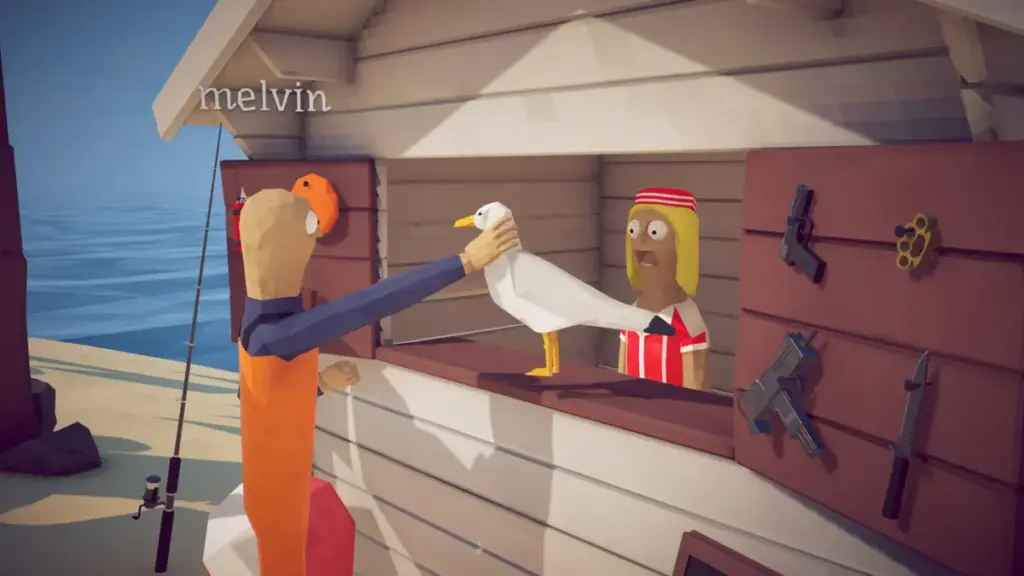
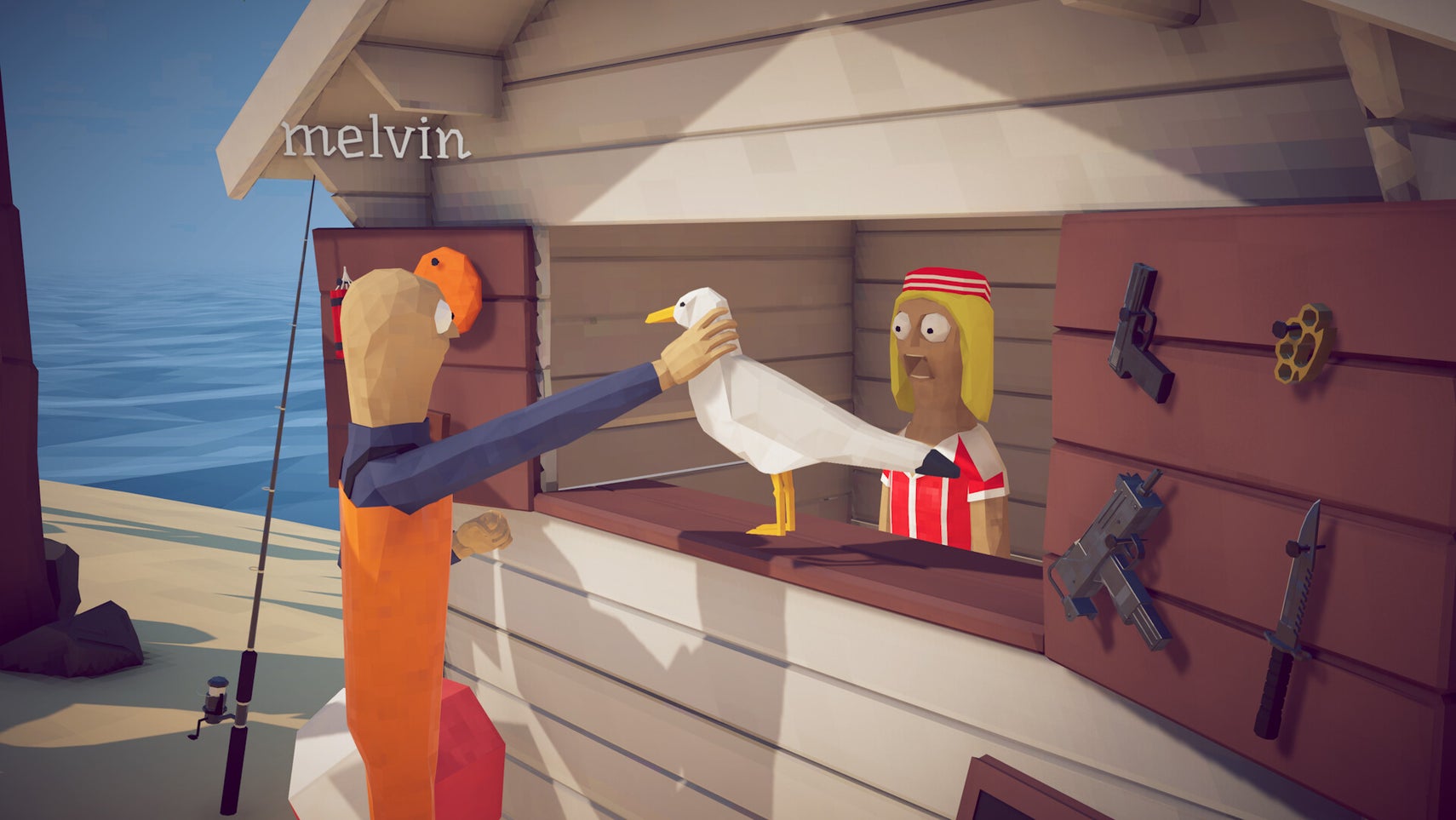
Purists looking for a quiet afternoon by a digital lake will be sorely disappointed. How to Fish quickly abandons the traditional rod-and-reel methodology in favor of escalating absurdity. Players can acquire seafood through a variety of alternative, highly destructive means:
- Firearms: Spraying open waters with automatic weaponry.
- Explosives: Deploying depth charges and dynamite to harvest marine life en masse.
Borrowing From the Shooter Playbook
Dazed Games cleverly injected DNA from entirely different genres into the fishing framework. Most notably, the game includes a mechanic that rewards players for executing "trick shots"—a nod to the classic Call:: of Duty community culture of landing complex, style-heavy maneuvers like no-scopes.
Furthermore, the game features in-game economic systems that allow players to gamble their hard-earned seafood profits, introducing high-stakes risk-and-reward elements that frequently lead to comical financial ruin among friend groups.
Official Statements and Developer Response
The sudden deluge of success has transformed Dazed Games overnight. In their official post-launch updates, the developers expressed profound gratitude while outlining their immediate operational priorities.
The studio acknowledged that a launch of this scale inevitably brings technical hurdles. Server stability, matchmaking optimization, and physics bugs naturally emerged as millions of players flooded the ecosystem simultaneously. However, Dazed Games’ commitment to iterative development—summarized succinctly in their promise to deliver continuous bug fixes and fresh content updates—has reassured the community.
Industry observers have pointed to this transparent, communicative approach as a masterclass in modern indie studio management. By keeping expectations grounded and directly addressing community feedback without corporate obfuscation, Dazed Games has cultivated immense goodwill.
Future Outlook: Sustaining the Momentum
Reaching one million sales in 48 hours is a phenomenal achievement, but the true test for any viral indie hit lies in long-term player retention and post-launch support. As the dust settles on the initial launch week, several key questions and opportunities define the future of How to Fish.
Content Roadmap and Expansion
The primary demand from the community moving forward is variety. While the core loop of explosive, physics-based fishing is deeply entertaining, players will inevitably look for new maps, specialized equipment, expanded arsenal choices (such as heavier explosives or absurd watercraft), and deeper progression systems. Dazed Games’ confirmation that more content is on the way suggests that the studio is already scaling up its production pipeline to meet these expectations.
Platform Expansion Potential
Given the massive cross-pollination of community interest on PC, speculation has naturally turned toward potential console ports. Bringing How to Fish to platforms like the Nintendo Switch, PlayStation 5, and Xbox Series X/S would undoubtedly introduce the title to an entirely new demographic of couch-co-op enthusiasts. Given the game’s accessible controls and physics-driven fun, it feels tailor-made for console living rooms.
The Rise of "Friendcore" Co-Op
How to Fish serves as the latest data point proving a major shift in modern gaming preferences. Players are increasingly seeking games that prioritize social connection, shared laughter, and low-stress emergent gameplay over endless competitive grinding. By capturing this cultural zeitgeist at the right price point, Dazed Games has not only secured financial success for their debut project but has also established themselves as a studio to watch closely in the years to come.
As the summer release season rolls on, How to Fish stands as a testament to the enduring power of indie innovation, proving that sometimes, all it takes to conquer the gaming world is a fishing rod, a stick of dynamite, and three good friends.