
The Price of Portability: Analyzing the Retroid Pocket Nova Cost Hike and the Rising Cost of Silicon
Executive Overview
The retro gaming handheld market, long celebrated for offering high-performance emulation at consumer-friendly price points, is facing an era of macroeconomic pressure. In a move that has sent ripples through the gaming community, hardware manufacturer Retroid has announced an immediate price increase for its flagship device, the Retroid Pocket Nova. The adjustment, attributed directly to rising system-on-chip (SoC) procurement costs from semiconductor giant Qualcomm, marks a critical shift in how boutique hardware manufacturers navigate supply-chain volatility.
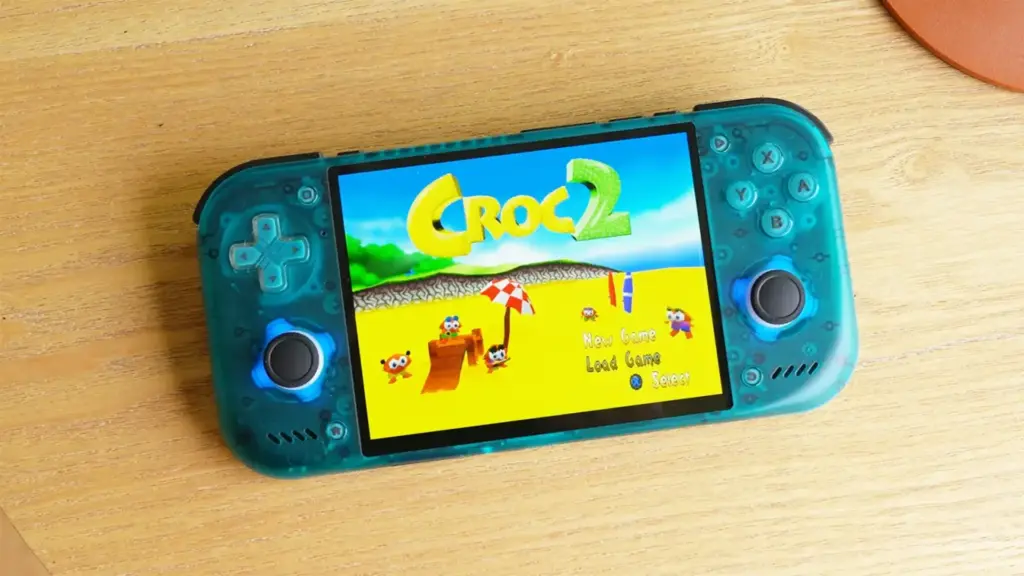
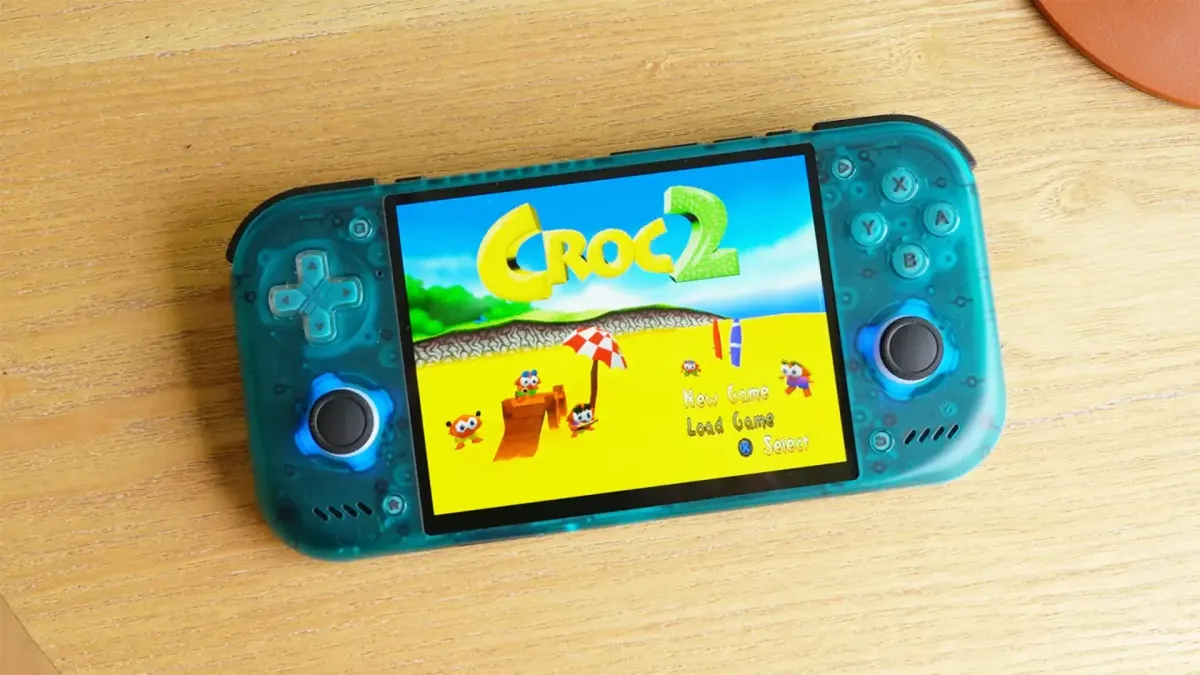
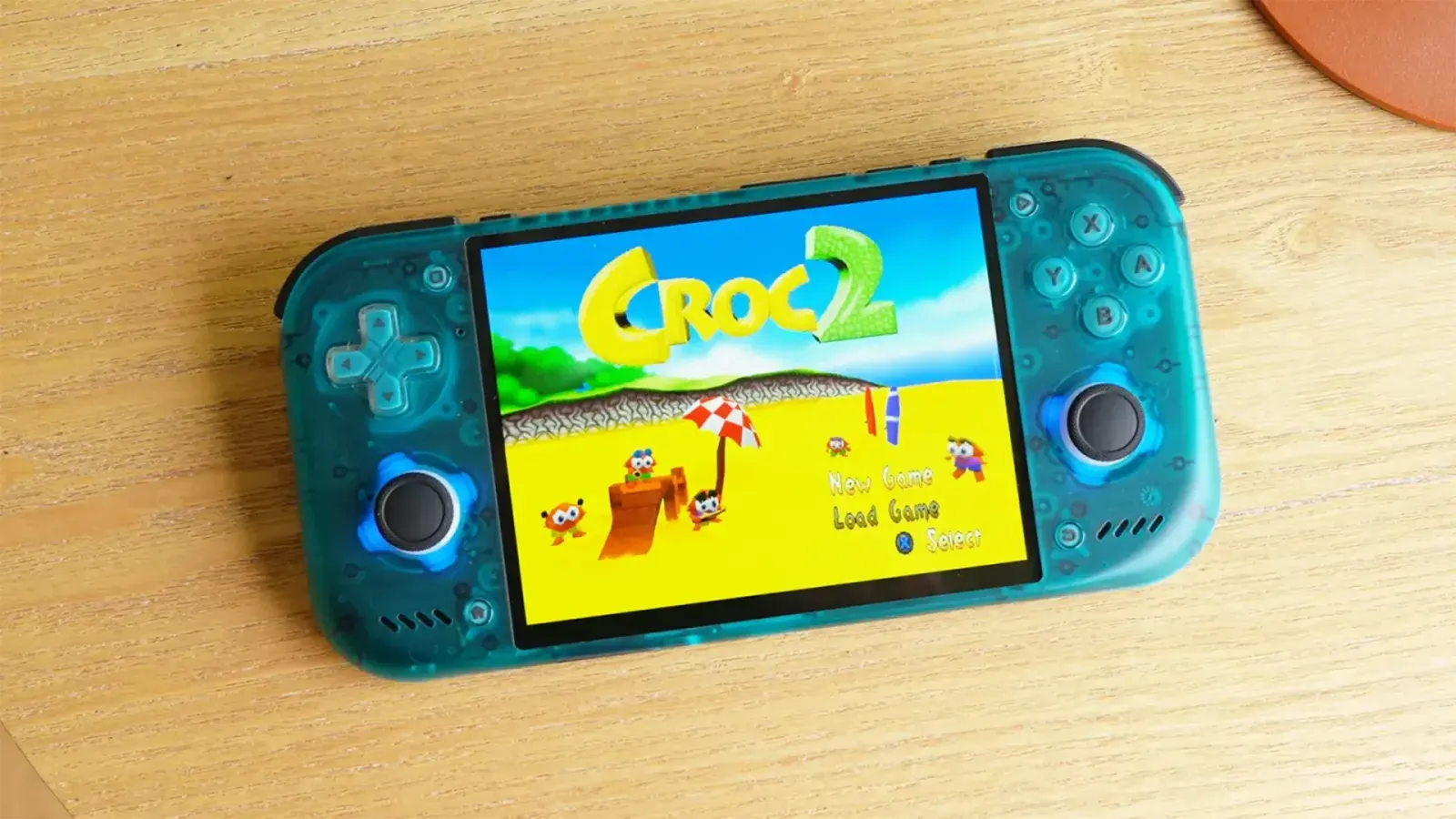
Historically, retro handheld manufacturers have operated on razor-thin margins, relying on high-volume sales and older, depreciated mobile processors to keep retail prices low. However, as consumers demand more powerful devices capable of flawless PlayStation 2, GameCube, and Nintendo Wii emulation, manufacturers have been forced to source modern, high-tier silicon. The Retroid Pocket Nova, widely regarded by critics as the premier 4:3 aspect ratio handheld on the market, represents the pinnacle of this technological evolution.
This investigative report examines the timeline of Retroid’s pricing adjustment, deconstructs the underlying supply-chain dynamics driving the decision, evaluates the marketing strategies employed during the transition, and explores the broader implications for the retro gaming hardware ecosystem.
Detailed Chronology of the Price Adjustment
The road to the price hike was marked by early warnings, culminating in a sudden public announcement that gave prospective buyers only a narrow window to purchase the device at its introductory price.
[Early Review Phase] --> [Qualcomm Price Hike Warning] --> [Aug 3: Official Announcement] --> [Aug 6: Price Increase Implemented]The Early Warnings
During the initial review phase of the Retroid Pocket Nova, industry analysts and hardware reviewers—most notably Brandon Saltalamacchia of Retro Dodo—flagged potential pricing instability. During early technical briefings, Retroid representatives quietly disclosed that Qualcomm had signaled impending price adjustments for its mid-tier and premium application processors. While Retroid initially hoped to absorb these costs or delay their implementation, the volatility of the semiconductor supply chain accelerated their timeline.
The Official Announcement
On August 3, 2026, Retroid officially broke its silence. Via its social media channels and direct customer communications, the company confirmed that the retail price of the Retroid Pocket Nova would rise on August 6, 2026. This three-day grace period was presented as a final opportunity for enthusiasts to secure the handheld at its launch pricing.
The New Pricing Structure
The price adjustment represents an across-the-board increase of $10 for the base configurations, alongside premium surcharges for specific aesthetic variants:
| Configuration | Original Price | New Price (Post-August 6) | Absolute Increase | Percentage Increase |
|---|---|---|---|---|
| 8GB RAM / Standard Shell | $229.00 | $239.00 | $10.00 | ~4.37% |
| 12GB RAM / Standard Shell | $269.00 | $279.00 | $10.00 | ~3.72% |
| 8GB RAM / Transparent Shell | $234.00 | $244.00 | $10.00 | ~4.27% |
| 12GB RAM / Transparent Shell | $274.00 | $284.00 | $10.00 | ~3.65% |
Additionally, Retroid maintained its policy of charging an extra $5.00 premium for transparent shell aesthetics, a decision that has drawn mixed reactions from the community.
Supporting Context & Industry Metrics
To understand why a seemingly minor $10 price hike has generated significant discourse, one must examine the Retroid Pocket Nova’s position in the market and the complex economics of boutique hardware manufacturing.
The Hardware Benchmark: Why the Nova Matters
The Retroid Pocket Nova is not merely another entry in a crowded market; it currently holds the coveted Number 1 spot on major retro gaming hardware ranking lists, including Retro Dodo’s definitive guide. The device’s critical acclaim stems from a precise combination of form factor and processing power:
- The 4:3 Display: Unlike modern widescreen handhelds, the Nova features a premium 4:3 aspect ratio display, which is the native format for fifth- and sixth-generation home consoles (such as the PS2, Dreamcast, and Nintendo 64). This eliminates letterboxing and maximizes screen real estate for retro titles.
- Upscaled PS2 Emulation: Achieving stable, upscaled PlayStation 2 emulation requires substantial graphical and computational horsepower. The Qualcomm chipset inside the Nova handles these demanding workloads with remarkable thermal efficiency, a feat that cheaper Rockchip or Unisoc processors cannot replicate.
- Premium Build Quality: With high-quality hall-effect joysticks, tactile buttons, and robust ergonomics, the Nova bridges the gap between DIY hobbyist devices and mainstream consumer electronics.
Retroid Pocket Nova Feature Synergy:
[Qualcomm SoC] + [High-Res 4:3 Display] + [Hall-Effect Joysticks] = Peak PS2/GameCube Emulation
The Silicon Squeeze: Qualcomm’s Market Position
The root cause of the price hike lies in the silicon fabrication facilities of Qualcomm. As a dominant player in the mobile processor space, Qualcomm commands immense pricing power. In 2025 and 2026, global inflationary pressures, rising wafer costs at fabrication plants like TSMC, and the shifting of production priorities toward high-margin AI-focused silicon have forced Qualcomm to raise prices across its legacy and mid-range system-on-chip (SoC) portfolios.
For a massive smartphone manufacturer like Samsung or Xiaomi, a marginal increase in chip costs can often be amortized across millions of units or offset by service-revenue ecosystems. For a boutique manufacturer like Retroid, which operates on significantly lower production volumes, any increase in the Bill of Materials (BOM) threatens to entirely erase net profit margins.

Official Posturing vs. Consumer Sentiment
The corporate messaging surrounding the price hike has ignited a debate regarding retail ethics, profit margins, and consumer psychology.
Retroid’s Corporate Position
Retroid’s public stance has been one of transparent reluctance. By framing the price increase as a direct consequence of Qualcomm’s supply-side pricing adjustments, the company sought to deflect consumer frustration toward external market forces. The implementation of a three-day warning window was marketed as a consumer-first gesture, allowing dedicated fans to "beat the hike."
The "FOMO" Marketing Critique
Industry analysts, however, have raised questions about the timing and presentation of the announcement. Critics argue that the three-day grace period functions as a classic "Fear Of Missing Out" (FOMO) marketing campaign. By establishing a firm deadline of August 6, Retroid successfully triggered a surge in short-term order volume, converting hesitant browsers into immediate buyers.
The Mechanics of FOMO-Driven Conversions:
[Imminent Price Increase Announced] ➔ [Perceived Loss of Value] ➔ [Urgency to Purchase] ➔ [Immediate Spike in Sales Volume]
Furthermore, some critics argue that Retroid could have absorbed the $10 cost internally to build long-term brand goodwill. A $10 increase on a $229 device represents a modest 4.3% adjustment. Had Retroid publicly announced that they were absorbing Qualcomm’s price hike on behalf of their customers, the resulting positive PR could have yielded higher customer lifetime value (LTV) and brand loyalty than the short-term margin preservation achieved by passing the cost to the consumer.
The Transparent Shell Surcharge Controversy
Adding to the critique is the persistent $5 premium for transparent plastic shells. From a manufacturing standpoint, the cost difference between injecting colored opaque plastic versus clear polycarbonate is negligible. To many enthusiasts, pairing a $10 macroeconomic price hike with an additional $5 aesthetic tax feels less like supply-chain defense and more like margin maximization.
Future Outlook & Industry Implications
The price adjustment of the Retroid Pocket Nova is likely a harbinger of broader structural changes within the retro emulation hardware sector.
A Industry-Wide Trend
Retroid is rarely an outlier; it is a trendsetter. Competitors such as Anbernic, Miyoo, and AYANEO face the exact same supply-chain realities. If Qualcomm and other chip designers like MediaTek continue to raise silicon prices, consumers must prepare for a generalized upward shift in retro handheld pricing. The era of sub-$200 devices offering flagship-tier emulation may be drawing to a close.
Anticipated Industry Reaction Curve:
[Qualcomm/MediaTek Raise Chip Prices]
       │
       ▼
[Retroid Successfully Implements Price Hike]
       │
       ▼
[Competitors (Anbernic, AYANEO, Miyoo) Follow Suit]
       │
       ▼
[New Baseline Market Price Established for Premium Handhelds]
The Search for Alternative Silicon
To combat rising costs, manufacturers may pivot away from premium US-designed chipsets. We may see a resurgence in the use of high-end MediaTek Dimensity processors or specialized chipsets from Chinese fabs like Unisoc and Rockchip. While these chips sometimes lag behind Qualcomm in terms of driver support and developer optimization for high-end emulation, their lower licensing and procurement costs may make them the only viable path forward for budget-conscious devices.
Final Assessment
Despite the controversy and the $10 increase, the Retroid Pocket Nova remains a highly competitive offering. At $239 for the base model, it still delivers a price-to-performance ratio that is difficult to match in the current market. However, this episode serves as a stark reminder that even the niche, nostalgic world of retro gaming is ultimately bound to the realities of global semiconductor economics. Prospective buyers who missed the August 6 deadline will have to accept the new pricing structure as the cost of doing business in a changing hardware landscape.