The Evolution of Puzzledorf: A Deep Dive into Stuart’s Pixel Games’ Upcoming Xbox Debut
Executive Overview
The independent video game landscape thrives on innovation, creative risk-taking, and the timeless appeal of mechanical purity. On August 31, the acclaimed indie puzzle title Puzzledorf, developed by Stuart’s Pixel Games, is officially set to make its highly anticipated debut on Xbox platforms. Blending the nostalgic, vibrant aesthetic of 1980s pixel art with modern quality-of-life accessibility features, Puzzledorf positions itself as both a love letter to classic tile-sliding traditions and a fresh evolution of the genre.
Priced at $9.99 and supporting features such as Xbox Play Anywhere and cloud saves, the console release is much more than a routine port. It represents a major milestone for the title, introducing timed-exclusive content, innovative mechanics like "The Ruins," comprehensive localization, and dedicated platform achievements. This report provides an exhaustive, authoritative examination of Puzzledorf’s upcoming launch, analyzing its design philosophy, mechanical intricacies, accessibility innovations, and the broader implications for indie developers utilizing rapid-prototyping methodologies.
Detailed Chronology & Release Roadmap
The journey of Puzzledorf from conceptual inception to its upcoming Xbox rollout highlights the methodical, iterative process typical of dedicated solo game development. While the original vision for the game was established years ago by Stuart’s Pixel Games, the path to the Xbox ecosystem has been carefully orchestrated to maximize player engagement and community excitement.
The Build-Up to August 31
As of mid-August, Stuart’s Pixel Games has opened digital pre-orders and wishlisting capabilities directly through the Xbox Store. For players eager to evaluate the game’s mechanics prior to purchase, a fully playable demo has been made available, offering a curated slice of the chill, colorful environments and introductory brain teasers that define the core experience.
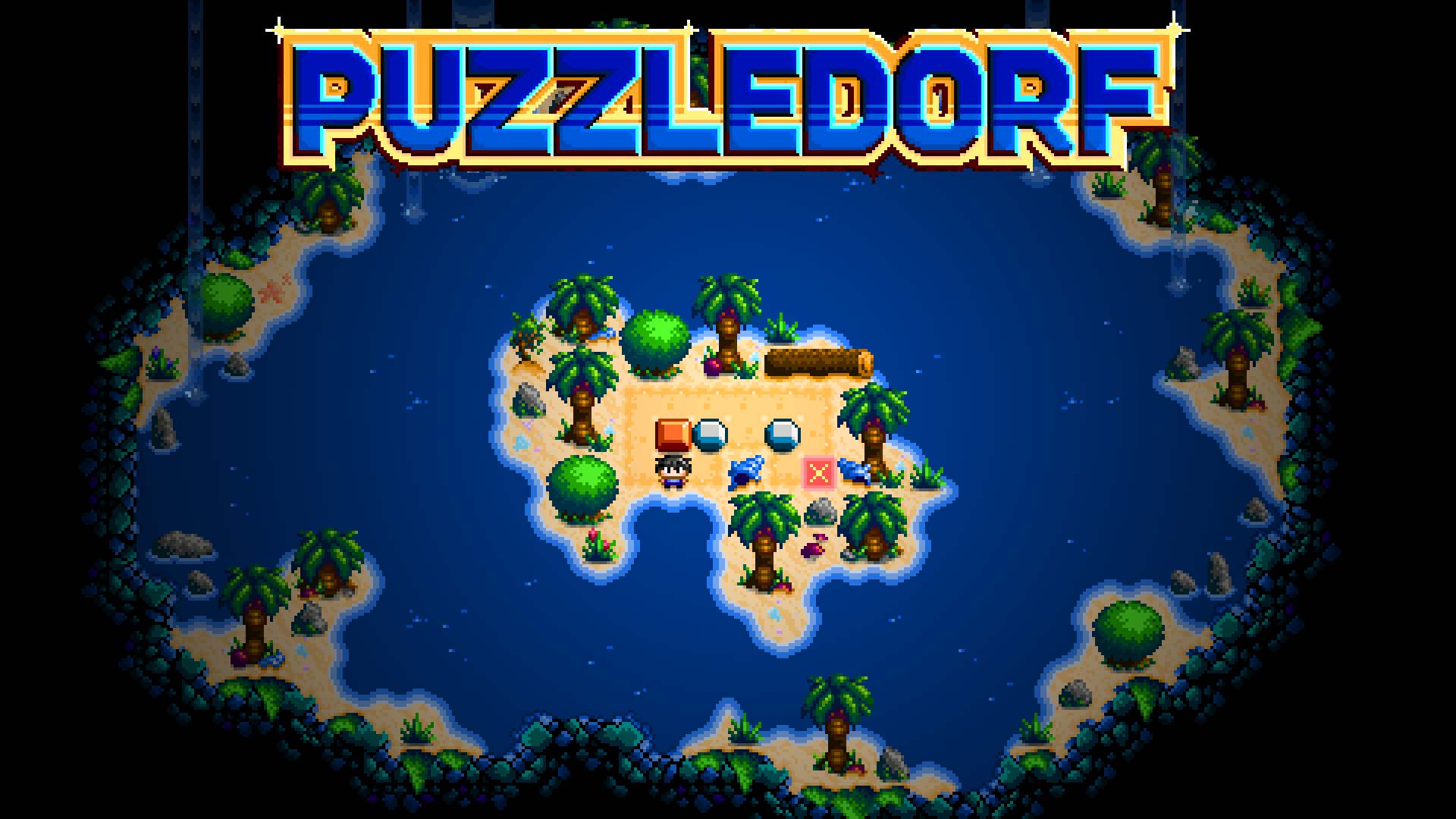
The release strategy is structured to reward early adopters on Microsoft’s ecosystem. Upon launch on August 31, Xbox players will receive a two-week window of exclusive access to brand-new puzzles and gameplay mechanics before they are deployed to other platforms. This timed exclusivity underscores the developer’s partnership with Xbox and provides console players with a distinct incentive to dive in immediately.
Global Localization Rollout
To ensure the title resonates with an international audience, Puzzledorf will launch with robust multi-language support. Day-one localization includes:
- German
- French
- Spanish
- Portuguese (Brazil)
- Japanese
Additional regional languages are scheduled to roll out in subsequent post-launch updates, broadening the game’s global reach and reinforcing its core tenet of universal accessibility.
Supporting Context & Mechanical Metrics
At its core, Puzzledorf draws inspiration from the foundational block-pushing mechanics pioneered by classic titles like Sokoban. However, developer Stuart has deliberately eschewed simple replication in favor of mechanical expansion.
Core Mechanics and "The Ruins" Expansion
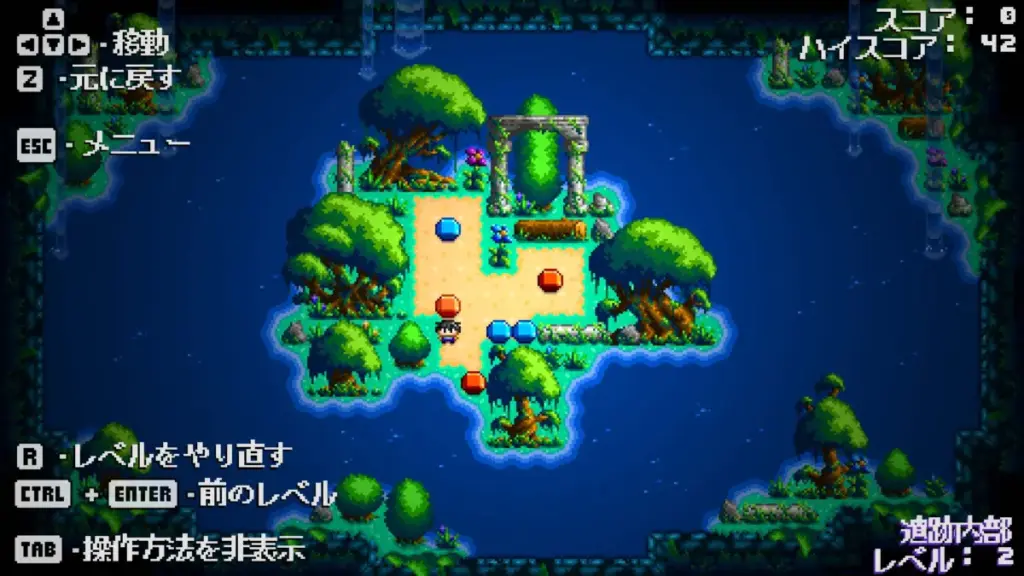
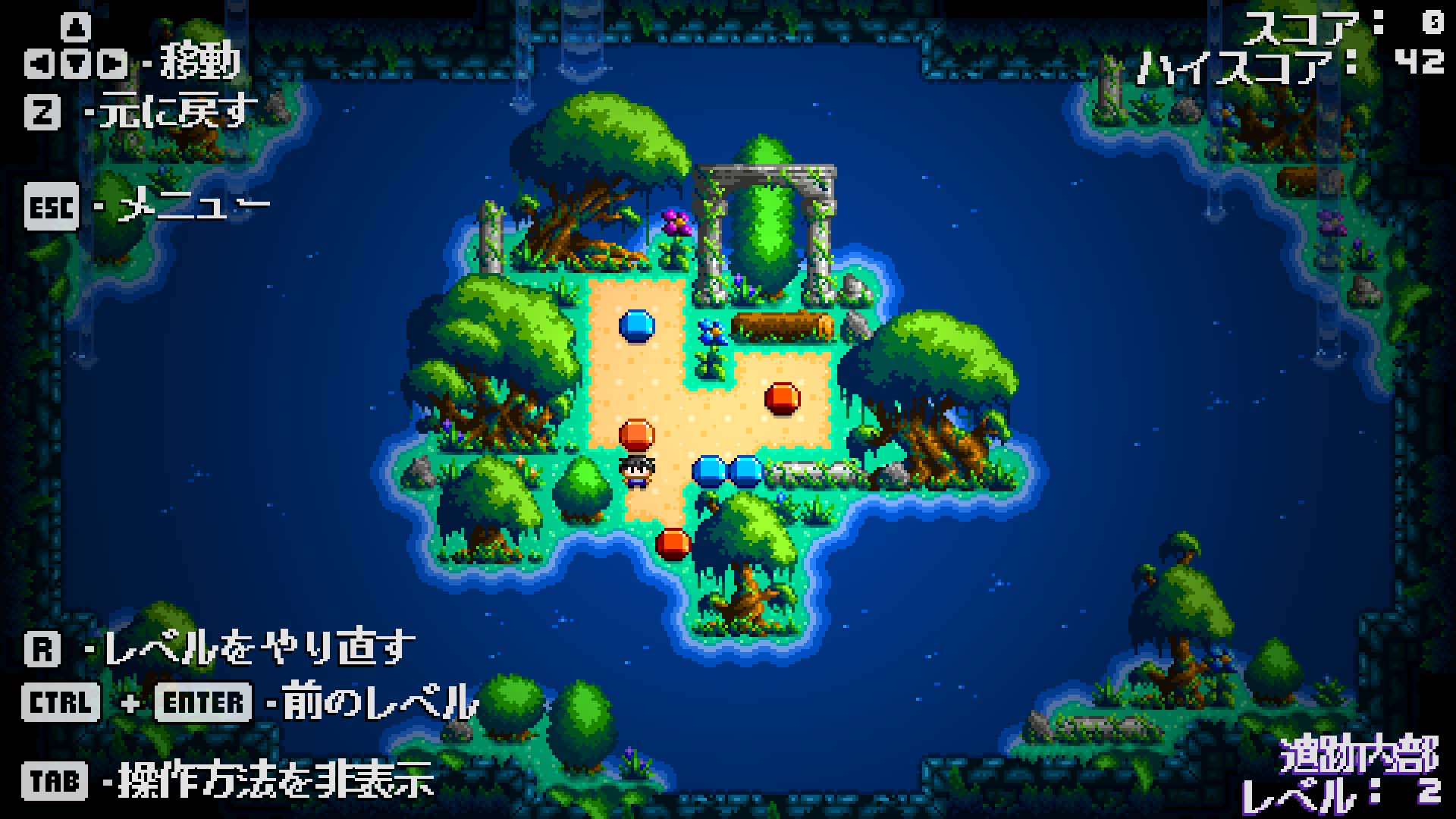
Traditional Sokoban typically requires the player to maneuver a single type of block onto designated target zones. Puzzledorf complicates and enriches this spatial puzzle formula by introducing multiple colored blocks simultaneously. Players must carefully juggle various objects through narrow corridors and confined spaces, preventing block-lock scenarios while planning routes several moves ahead.
The Xbox release introduces an entirely new set of puzzles known as "The Ruins." These levels marry traditional block-pushing with Match-3 mechanics:
- Slide Physics: When a player pushes a jewel, it does not stop immediately upon release; instead, it continues sliding across the floor until it collides with a solid object (wall, another block, or obstacle).
- Color Matching: Players must align three jewels of the identical color. Once matched, the jewels vanish from the grid.
- Level Completion: A puzzle is successfully solved only when all jewels have been completely cleared from the board.
This simple rule modification radically transforms spatial awareness. Players must calculate momentum, trajectory, and grid geography simultaneously, creating a distinct layer of strategic depth that sets Puzzledorf apart from its genre contemporaries.
Auxiliary Features and Replayability Metrics
To maximize longevity, Puzzledorf incorporates several secondary gameplay modes and tracking metrics:
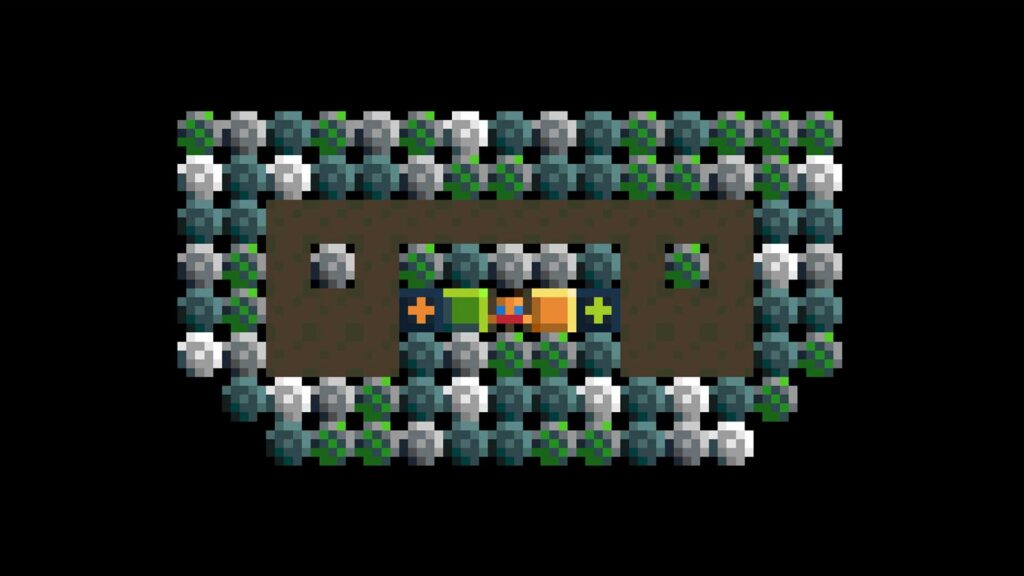
- Mirror Mode: For players who master the standard campaigns, Mirror Mode flips every single puzzle horizontally and vertically. This plays psychological tricks on human spatial memory, preventing players from relying on rote memorization of solutions and forcing fresh cognitive engagement.
- Xbox Achievements: Integrated deeply into the Xbox ecosystem, a comprehensive suite of achievements challenges players to optimize their moves, beat personal best scores, and conquer advanced secret areas.
- Portability & Cross-Progression: Fully compatible with Xbox Play Anywhere and modern handheld hardware like the ROG Xbox Ally, Puzzledorf ensures seamless hardware transitions. Cloud saves are fully supported, allowing puzzle enthusiasts to pick up precisely where they left off regardless of whether they are playing on a living room console or a portable gaming PC.
Official Statements & Design Insights
The creative methodology behind Puzzledorf relies on rapid prototyping, rigorous testing, and a balanced difficulty curve. In detailed developer insights shared by Stuart’s Pixel Games, the workflow behind crafting these intricate spatial challenges has been laid bare.
The Prototyping Pipeline: Puzzlescript
To iterate on level designs quickly, Stuart utilizes Puzzlescript, a free, open-source engine specifically tailored for grid-based, block-pushing puzzle games. Puzzlescript allows developers to test core hypotheses in minutes rather than days.
The design process typically begins with a series of conceptual questions:
- “What if I try an irregular level shape?”
- “What if I place this blocking obstacle two tiles to the left?”
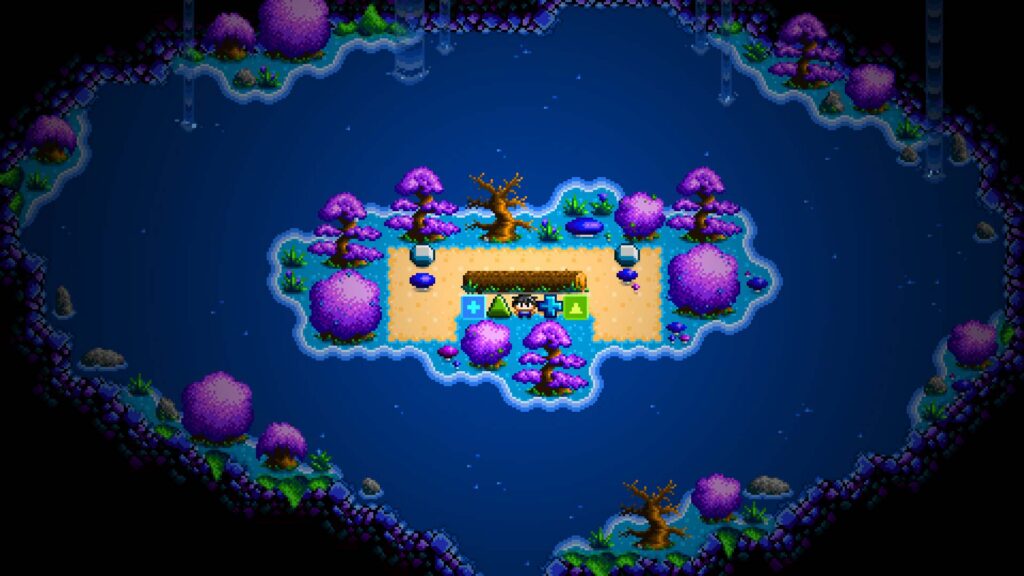
- “If I have a narrow corridor with different colored blocks flanking the player, how can they maneuver to swap positions?”
By simply dropping blocks into a test grid, shuffling them, and analyzing emergent movement patterns, unexpected design solutions often come to light. An example of this iterative pipeline is clearly visible in the transition from early raw Puzzlescript prototypes to the polished, aesthetically rich final levels found in the commercial build.
Philosophy of Accessibility
A central pillar of Puzzledorf’s design philosophy is the belief that puzzle games should challenge the intellect without inducing frustration or exclusion. Stuart has deliberately tuned the difficulty curve to be gentle and welcoming at the outset, slowly introducing mechanics until players internalize the necessary cognitive skills organically.
Furthermore, accessibility features have been integrated directly into the foundational code:
- Zero Timers: Puzzles are entirely turn-based, allowing players to deliberate indefinitely without panic.
- Unlimited Undos: Players are free to make mistakes, experiment with dangerous trajectories, and instantly reverse their moves without being penalized.
- Color-Blind Options: Specialized visual palettes ensure that color-coded mechanics remain clearly distinguishable for players with various forms of color vision deficiency.
Future Outlook
The launch of Puzzledorf on Xbox on August 31 marks a significant transition from a niche indie title to a globally recognized puzzle experience. By prioritizing cross-platform portability through Xbox Play Anywhere, introducing innovative mechanics like the sliding jewel matches in "The Ruins," and committing to extensive multi-language localization, Stuart’s Pixel Games has established a robust framework for long-term community engagement.
As the indie gaming sector continues to saturate digital storefronts with high-octane action titles and sprawling role-playing epics, Puzzledorf offers a refreshing counter-programming option. It provides a quiet, colorful, and intellectually stimulating sanctuary for players seeking a genuine mental workout wrapped in nostalgic retro aesthetics. With the demo currently live, pre-orders open, and the two-week exclusive content window ready to unfold, Puzzledorf is poised to capture the imaginations—and test the spatial reasoning—of puzzle fans across the globe.