The End of the Modding Maze: How PCVR Central is Unifying the Fractured World of Virtual Reality
Executive Overview
For as long as virtual reality enthusiasts have sought to experience traditional, non-VR "flatscreen" video games inside headsets, the journey has been defined by digital archaeology. Locating, verifying, and installing a PC VR mod has historically required wading through a labyrinthine patchwork of disparate internet corners. One might begin on an obscure GitHub repository, bounce to a heavily nested Discord thread to find a hotfix, check a Reddit post from three years ago for installation instructions, and finally scour a Patreon page to see if the developer had released a public build.
The barrier to entry for PC VR modding has always been patience and digital literacy rather than hardware capability.
That fragmentation, however, may finally be coming to an end. Launched last week by Reddit user and developer “camracks,” PCVR Central has arrived as a definitive, searchable database designed to house everything a player needs in one centralized hub. Though still in its infancy, the platform already indexes nearly 900 VR mods across more than 1,500 games. Featuring deep integration with digital storefronts like Steam, community-driven review systems, and a granular grading system that categorizes mods from “Experimental” to “Native-like,” PCVR Central represents a massive leap forward for open-source VR longevity.
As traditional AAA game studios scale back their dedicated VR investments in the wake of shifting corporate strategies and tightening venture capital, community-driven PC VR mods are experiencing an unprecedented renaissance. Platforms like PCVR Central are no longer just convenient directories—they are the vital infrastructure keeping the high-end VR ecosystem alive, organized, and accessible.
Detailed Chronology: From Discord Whispers to a Unified Hub
The Dark Ages of VR Modding
To understand why the launch of PCVR Central has been met with such enthusiasm by the virtual reality community, one must look back at how PC VR modding evolved over the past decade. When modern consumer VR burst onto the scene in the mid-2010s, software was scarce. Early adopters quickly realized that injecting stereoscopic rendering into DirectX-based PC games could yield incredible results. However, the tools to achieve this were held by a handful of brilliant, independent reverse-engineers working in isolation.
As legendary modders like LukeRoss (known for massive VR conversions of Grand Theft Auto V, Cyberpunk 2077, and Elden Ring), Praydog (famed for the revolutionary REFramework enabling VR across Capcom’s modern Resident Evil catalog), and flat2VR teams began pushing the boundaries of what was possible, distribution remained decentralized.
Every modder had their own ecosystem. Some favored GitHub, others locked their latest builds behind Patreon paywalls with public releases trickling out months later, and communities formed siloed Discord servers. If a user wanted to check if a newly released game had a working VR mod, there was no single index to consult. They had to rely on word-of-mouth, search engine optimization junk, or exhaustive manual searches across multiple platforms.
The Genesis of PCVR Central
Recognizing this unsustainable friction, developer and community member "camracks" set out to build a solution. Conceptualized as a lightweight, searchable index rather than a bloated, monolithic file host, the project materialized quietly before making its public debut last week.
Upon going live, PCVR Central instantly shifted the paradigm. Instead of re-hosting files—which introduces copyright nightmares, bandwidth costs, and version-control bottlenecks—the database acts as an intelligent aggregator. It catalogues mods by pointing users directly to the original, verified repositories, GitHub pages, and developer links.
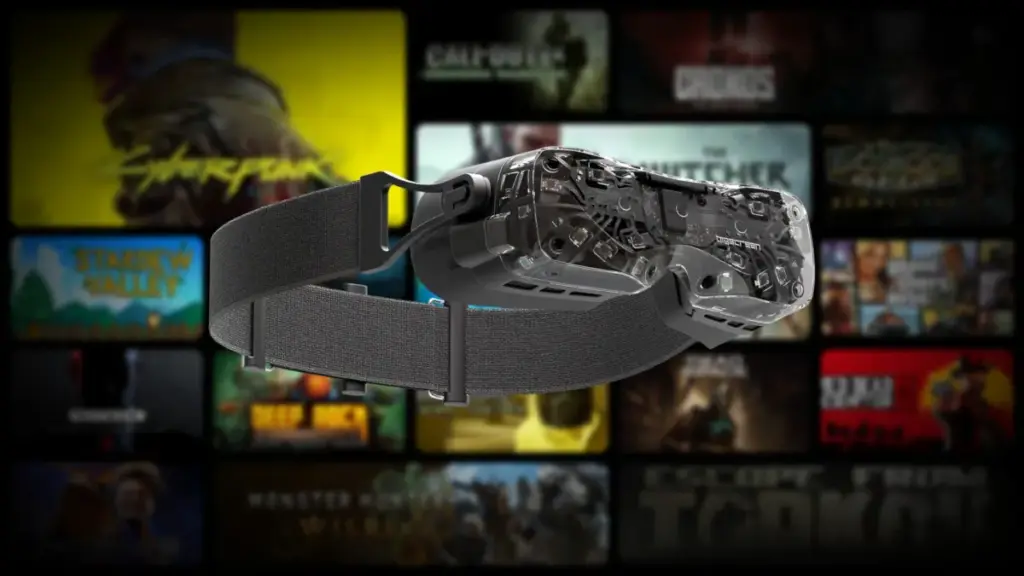
Within days of its launch, the database achieved critical mass. It catalogued nearly 900 distinct VR mods spanning over 1,500 titles, transforming what was once a hidden subterranean hobby into an easily browsable storefront-style experience. Front-page visibility immediately highlighted heavyweights like Cyberpunk 2077, Grand Theft Auto V, Call of Duty 4: Modern Warfare, Escape from Tarkov, and Palworld, proving that the database could instantly surface both classic staples and modern blockbusters.
Supporting Context & Metrics: Inside the Ecosystem
The architecture of PCVR Central goes far beyond a simple text-based list of links. It incorporates several features designed to solve specific pain points that have plagued VR modding communities for years.
Steam Library Integration and Curation
One of PCVR Central’s standout technical features is its ability to interface with external digital storefronts. Users can connect their Steam accounts—or simply paste a public Steam profile or game link—to instantly filter the database, revealing which games in their existing library are playable in VR, either natively or via community mods. This transforms the platform from a generic encyclopedia into a personalized diagnostic tool for a player’s hard drive.
The "Okay-to-Native" Spectrum and Tagging System
Not all VR mods are created equal. Some offer simple stereoscopic 3D views on a virtual cinema screen, while others provide full room-scale tracking, motion controls, weapon interaction, and native-grade immersive UI.

To prevent user frustration—such as downloading a mod expecting a fully immersive first-person experience only to find a locked-camera gamepad game—PCVR Central implements a rigorous tagging system. Mods are categorized along an intuitive quality spectrum:
- Experimental: Early-stage builds, prone to bugs, performance drops, or broken rendering passes.
- Playable: Stable enough to complete the game from start to finish, though compromises in control or UI may exist.
- Excellent: Highly polished conversions that offer a fantastic VR experience with minimal friction.
- Native-like: Masterpiece mods that feel as though the game was coded specifically for virtual reality from the ground up, often featuring full 6DOF (Six Degrees of Freedom) motion controls, custom haptics, and reworked user interfaces.
Furthermore, the database flags critical technical metrics at a glance: Does the mod support full 6DOF hand tracking? Is the original modder still active and updating their work, or is the project abandoned? How complex and heavy is the installation process?
Coupled with a community-driven user review and rating system, these metrics allow players to weigh the time and technical investment required before committing hours to downloading gigabytes of assets and troubleshooting game files.
Official Statements and Community Reception
The response from the virtual reality community over the past week has been overwhelmingly positive, highlighting a collective sigh of relief from enthusiasts who have spent years bookmarking dozens of disparate web pages.
"Less than a week since launch, PCVR Central has already proven to be an awesome resource," notes early analyses from industry commentators. "It addresses a fundamental fatigue within the community. For anyone who wants to poke around and see if their existing flatscreen library can be experienced in VR, it has cut down hours of research into a few seconds of searching."
Independent modders have also expressed cautious optimism. While many individual creators rely on their own community hubs (such as dedicated Discords) to manage user feedback and bug reporting, having a standardized, centralized index increases overall visibility for their projects. By driving a steady stream of properly informed users to official GitHub repositories, PCVR Central helps streamline support traffic, ensuring that downloaders arrive with realistic expectations set by the platform’s rating and tagging framework.
Future Outlook: The Renaissance of PC VR Modding in a Post-Bubble Era
To understand the long-term significance of PCVR Central, one must look at the macro-level economic realities of the video game industry in the mid-2020s.
Filling the Void Left by AAA Studios
The virtual reality landscape has shifted dramatically over the past several years. Following the initial wave of heavy corporate investment—spearheaded heavily by Meta’s aggressive funding bubbles, standalone Quest ecosystem pushes, and early corporate pivots into spatial computing—the economic climate has cooled. Major game studios and publishers have largely retreated from high-budget, dedicated PC VR development. The financial risks of building bespoke VR games for a comparatively niche hardware market have proven too high for traditional corporate risk-takers.
Consequently, the burden of driving high-end PC VR innovation has fallen almost entirely back onto independent developers, hobbyists, and open-source modders. Paradoxically, while studio-backed PC VR budgets have faltered, the technical capability of community modders has skyrocketed. Tools like Unreal Engine and Unity injectors have matured to the point where passionate individuals can achieve in weeks what used to take entire studios years to code.
Preserving Consumer Engagement
This grassroots renaissance is what makes platforms like PCVR Central critical to the health of the medium. The barrier to entry for PC VR has always suffered from a perception of complexity. When players encounter broken links, dead GitHub pages, or incompatible mod versions, frustration sets in, driving them away from high-end VR hardware entirely in favor of closed, highly curated standalone ecosystems.
By lowering the friction of discovery, PCVR Central plays a vital role in keeping consumers engaged. It reminds players of the massive, untapped potential sitting dormant in their Steam libraries—games like Cyberpunk 2077 or sprawling RPGs that look and feel breathtaking when rendered in high-fidelity PC VR.
As creator "camracks" looks toward the future, plans are already underway to expand the database, incorporate additional community-requested features, and integrate more utility tools designed to simplify the modding pipeline further.
In an era where the future of high-end PC VR is increasingly written by its community rather than corporate boardrooms, having a centralized, authoritative anchor point isn’t just a convenience—it is the foundation upon which the next era of virtual reality will be built.