Expanding Horizons: How Roco Kingdom is Bringing Its Browser-Based Creature-Collector Legacy to Mobile
Executive Overview
The global video game landscape is undergoing a profound structural shift, characterized by the rising dominance of Chinese game development studios on the international stage. As Chinese domestic properties successfully transition from regional phenomena to globally recognized powerhouses, industry watchers are paying close attention to which foundational franchises will make the international leap.
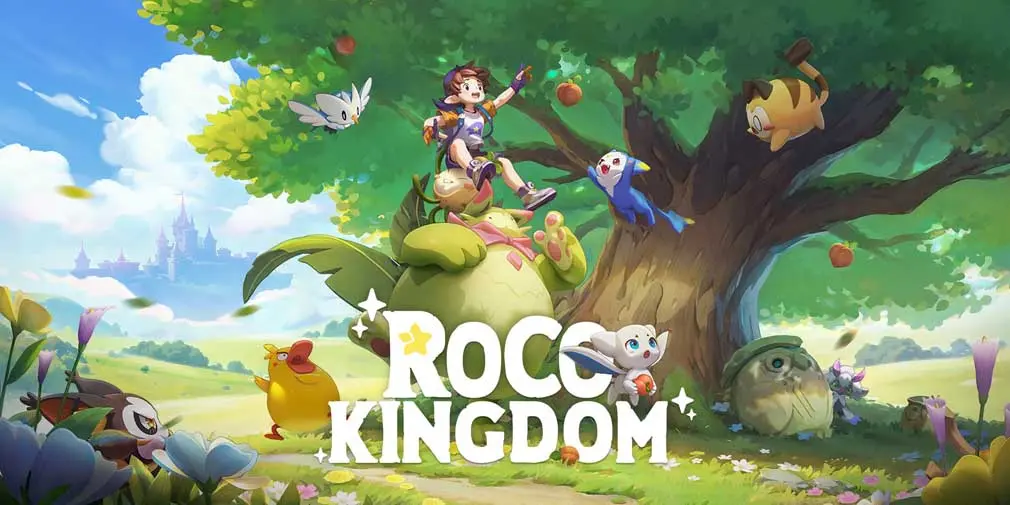
The latest and perhaps most intriguing candidate for this global expansion is Roco Kingdom. Developed by Morefun Studios and published by gaming juggernaut Tencent, Roco Kingdom is making the ambitious jump from a beloved, long-running Chinese browser-only game to a fully featured mobile and cross-platform experience.
Originally launched as a web-based creature-collector, Roco Kingdom captured the imaginations of millions of players in its home market with its vibrant fantasy setting, strategic combat systems, and rich social ecosystem. Now, armed with modern game engines, updated visual assets, and contemporary cross-platform capabilities, the franchise is setting its sights squarely on the international market.
For Tencent and Morefun Studios, the mission is twofold: preserve the nostalgic charm that endeared the property to its original player base while introducing modern role-playing and life-simulation mechanics capable of captivating a fiercely competitive global audience. As the game prepares for its milestone closed beta test on October 27, this report explores the strategic mechanics, market positioning, and overarching ambitions driving Roco Kingdom’s long-awaited transition to mobile platforms.
Detailed Chronology: From Web Browser Roots to Mobile Ambitions
Understanding the significance of Roco Kingdom’s mobile transition requires looking back at its origins and tracing the technological evolution that made this cross-platform adaptation possible.
The Browser Era (2010–2020)
Long before smartphones dominated pocket-sized entertainment, web browsers served as the primary playground for accessible multiplayer games. Launched in China over a decade ago, Roco Kingdom carved out a massive niche for itself in an era defined by Flash-based and lightweight browser games. Positioned as a social virtual world combined with creature collection, the game invited players—predominantly younger demographics—to adopt the role of a young wizard exploring the realm of Carosia.
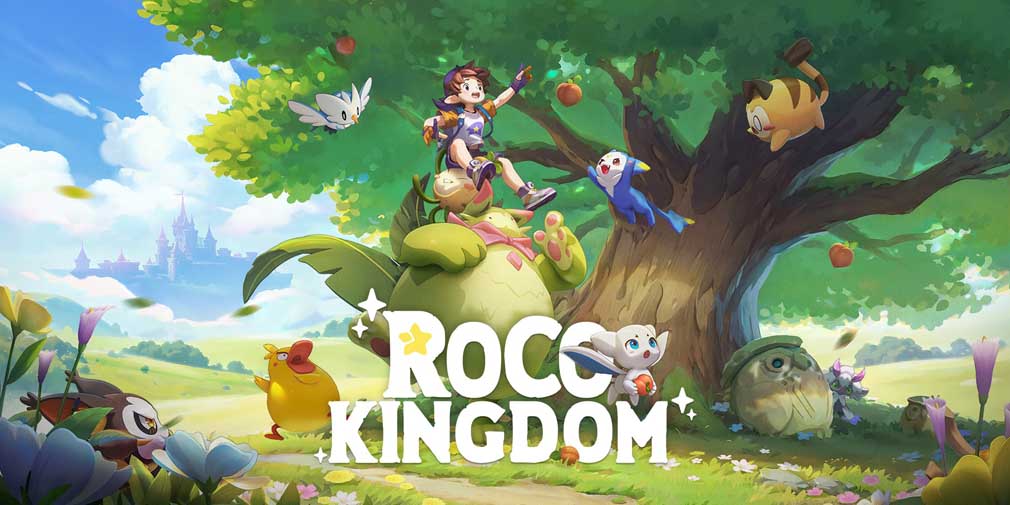
During its peak years, the browser iteration of Roco Kingdom amassed a staggering player community. It fostered deep engagement through communal spaces, player-vs-player (PvP) tournaments, and regular updates that introduced new "Jinies"—the game’s signature fantastical creatures. However, as web browsers phased out support for foundational technologies like Adobe Flash, and as mobile gaming exploded across Asia, the original web-based format faced inevitable technological limitations.
The Mobile Pivot and Unreal Engine Integration
Recognizing the shifting tides of the industry, Tencent and its subsidiary Morefun Studios initiated plans to rebuild the franchise from the ground up. Rather than attempting a simple port of legacy code, the development teams committed to a comprehensive modern reinvention.
Leveraging advanced game engine technology—specifically utilizing high-fidelity rendering pipelines reminiscent of Unreal Engine projects—the developers sought to transform the flat, sprite-based aesthetic of the 2010s into an immersive, fully realized 3D open world. This pivot not only modernized the visual fidelity of Carosia but also opened the door for complex physics, dynamic lighting, and seamless cross-platform functionality between mobile devices and potential desktop clients.
The Road to the Global Closed Beta
The announcement of the mobile adaptation sparked intense speculation regarding its international release strategy. By confirming a western-facing push, Tencent signaled its intent to market Roco Kingdom not merely as a domestic nostalgia play, but as a globally viable competitor in the creature-collecting genre.
The upcoming closed beta test, scheduled for October 27, marks the most critical milestone in this chronology. It serves as the public’s first hands-on opportunity to evaluate how successfully Morefun Studios has translated the classic browser experience into a modern mobile framework. Feedback gathered from this testing phase will dictate the final optimization, balancing, and server infrastructure required for a full worldwide rollout.
Supporting Context & Metrics: The Creature-Collector Ecosystem
To properly evaluate Roco Kingdom’s market potential, one must examine the fierce macroeconomic landscape of mobile creature-collecting RPGs. For decades, the genre has been synonymous with a single towering titan: Pokémon.
Challenging the Titan
The global market for creature-collection and pet-battle games generates billions of dollars annually, buoyed by unyielding consumer nostalgia and highly addictive gameplay loops. Recently, established heavyweights have continued to tighten their grip on consumer wallets and daily active user (DAU) metrics.
- Pokémon TCG Pocket: Demonstrating explosive and sustained financial success, the card-battling app has proven that bite-sized, collectible-driven mobile experiences can retain massive user engagement across global territories.
- Pokémon Champions and Mainline Ecosystems: Ongoing updates and dedicated competitive scenes ensure that Nintendo and Game Freak maintain an ironclad monopoly over monster-taming mindshare.
Despite this dominance, fissures in the market exist. Players frequently voice a desire for deeper social integration, open-world exploration, and sophisticated life-sim mechanics—areas where traditional monolithic franchises have occasionally moved slowly. This is precisely the strategic window that Roco Kingdom aims to exploit.
Inside Carosia: Gameplay Systems and Mechanics
Roco Kingdom differentiates itself by blending multiple distinct genres into a single cohesive package. The core gameplay loop can be broken down into three foundational pillars:
- Exploration and Creature Collection: Players traverse the sprawling, mystical continent of Carosia, navigating diverse biomes ranging from dense enchanted forests to volcanic peaks. Along the way, they discover, capture, and train over 400 distinct Jinies. Each creature boasts unique elemental typings, evolutionary paths, and combat skill trees.
- Strategic PvP and PvE Combat: Moving beyond simple automated battles, the game features tactical, turn-based combat systems heavily inspired by classic RPGs. Mastery of elemental weaknesses, team compositions, and tactical pacing determine victory in both competitive player-vs-player arenas and challenging cooperative boss raids.
- Life-Sim and Kingdom Building: Perhaps its strongest differentiator, Roco Kingdom integrates robust simulation elements. Players are not merely combatants; they are caretakers and builders. The game permits extensive home customization, crafting systems, and farming mechanics reminiscent of cozy life-sim titles, encouraging players to establish permanent roots within the game’s social ecosystem.
Cooperative Cross-Platform Play
Modern mobile consumers expect seamless ecosystem integration. Morefun Studios has addressed this by engineering Roco Kingdom with cross-platform cooperative play in mind. Whether connecting via an iOS device, an Android smartphone, or a desktop client, players can band together in real-time to tackle cooperative dungeons, trade items, and participate in community events. This frictionless multiplayer access significantly lowers the barrier to entry for friend groups spread across different hardware ecosystems.
Official Statements and Industry Insights
Industry analysts have closely monitored Tencent’s aggressive push into western mobile markets with proprietary intellectual properties. While Tencent has historically invested heavily in international studios (such as Riot Games or Supercell) or published localized versions of domestic hits, developing and scaling homegrown franchises like Roco Kingdom for a global audience represents a distinct strategic evolution.
Representatives from Morefun Studios have emphasized that the core design philosophy behind the mobile adaptation centers on "respecting legacy while embracing innovation." In promotional briefings, development leads noted that the transition to 3D was essential to meeting the visual expectations of modern gamers who demand fluid animations and explorable, living breathing environments.
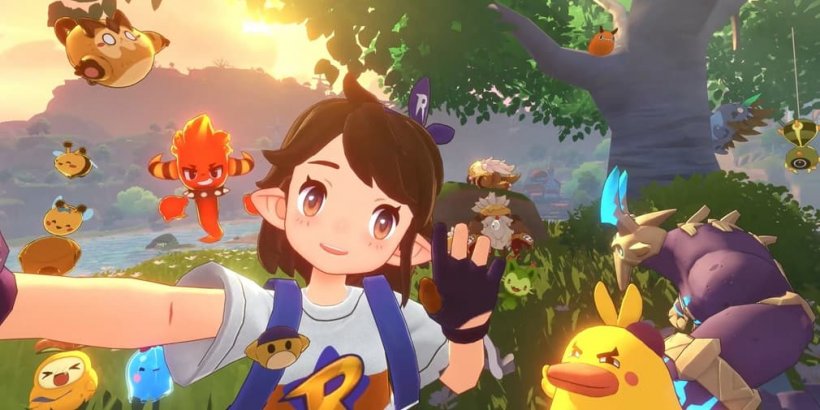
Furthermore, community feedback channels established by Tencent indicate a strong listening posture. During early alpha builds shared within select regional circles, developer Q&As highlighted a commitment to balancing free-to-play monetization models with fair competitive integrity—a notoriously difficult tightrope walk for mobile RPGs seeking long-term retention in western markets.
Independent critics and previewers have similarly weighed in on the game’s prospects. Reviewers examining early technical demos have praised the vibrant art direction, noting that the creature designs strike an appealing balance between whimsical fantasy and competitive depth. However, seasoned industry commentators frequently issue a word of caution: breaking through the saturated mobile market requires more than charming aesthetics; it demands flawless server stability, responsive touch controls, and continuous post-launch content updates to keep players engaged past the initial honeymoon phase.
Future Outlook: Can Roco Kingdom Secure Its Crown?
As the countdown to the October 27 closed beta continues, the stakes for Roco Kingdom could not be higher. The game represents a crucial test case for whether a historically regional, browser-based property can successfully reinvent itself as a AAA-tier mobile and cross-platform global contender.
The Road Ahead
Following the close of the upcoming beta test, Morefun Studios will face the monumental task of processing player telemetry, optimizing performance across a fragmented array of Android devices and iOS hardware, and finalizing localization for international languages.
If the development team can deliver a polished, stable, and feature-complete experience, Roco Kingdom possesses all the right ingredients to carve out a substantial slice of the creature-collecting pie. Its unique fusion of traditional monster-taming combat, open-world exploration, and cozy life-sim mechanics gives it a distinct identity in a genre that occasionally risks stagnation.
Final Verdict
For casual fans and hardcore tactical RPG enthusiasts alike, October 27 will provide the definitive answer. Whether Roco Kingdom will ultimately dethrone established giants remains to be seen, but one thing is certain: the competition for the pockets and screens of global gamers is officially heating up, and Tencent’s contender is armed and ready for battle.