Executive Overview
A decade ago, the gaming landscape shifted on its axis with the release of No Man’s Sky, an ambitious procedural space exploration game developed by Hello Games. Characterized by a notoriously controversial launch in August 2016, the title quickly became a watershed moment for the industry, sparking intense debates regarding pre-release hype, the responsibilities of independent developers, and the realities of modern software development.
Ten years later, No Man’s Sky has orchestrated one of the most remarkable redemption arcs in entertainment history. Bolstered by over 45 major, free content updates, the game has transformed from a barren, albeit atmospheric, sandbox into a sprawling, multi-faceted intergalactic life-simulator. To mark this milestone, long-time observers and veterans have begun looking back at the title’s humble origins—dusting off original physical media and legacy hardware to examine how far the universe has expanded.
This retrospective report explores the evolution of No Man’s Sky, contrasting the serene, isolated transience of its 2016 iteration with the bustling, feature-rich ecosystem of today. Through an analysis of its development trajectory, community impact, and the sheer tenacity of Hello Games under founder Sean Murray, we examine how a fractured launch birthed an enduring, genre-defining masterwork that continues to break player-count records a decade into its lifecycle.
Detailed Chronology: From Launch to Legacy
The 2016 Genesis: Solitude and the Open Horizon
When No Man’s Sky first initialized on PlayStation 4 and PC in August 2016, players were greeted by a stark, synthesized female voice: "Commencing Atlus suit initialisation system… Life support systems activated." For those who dove in with minimal expectations, the experience was hypnotic.
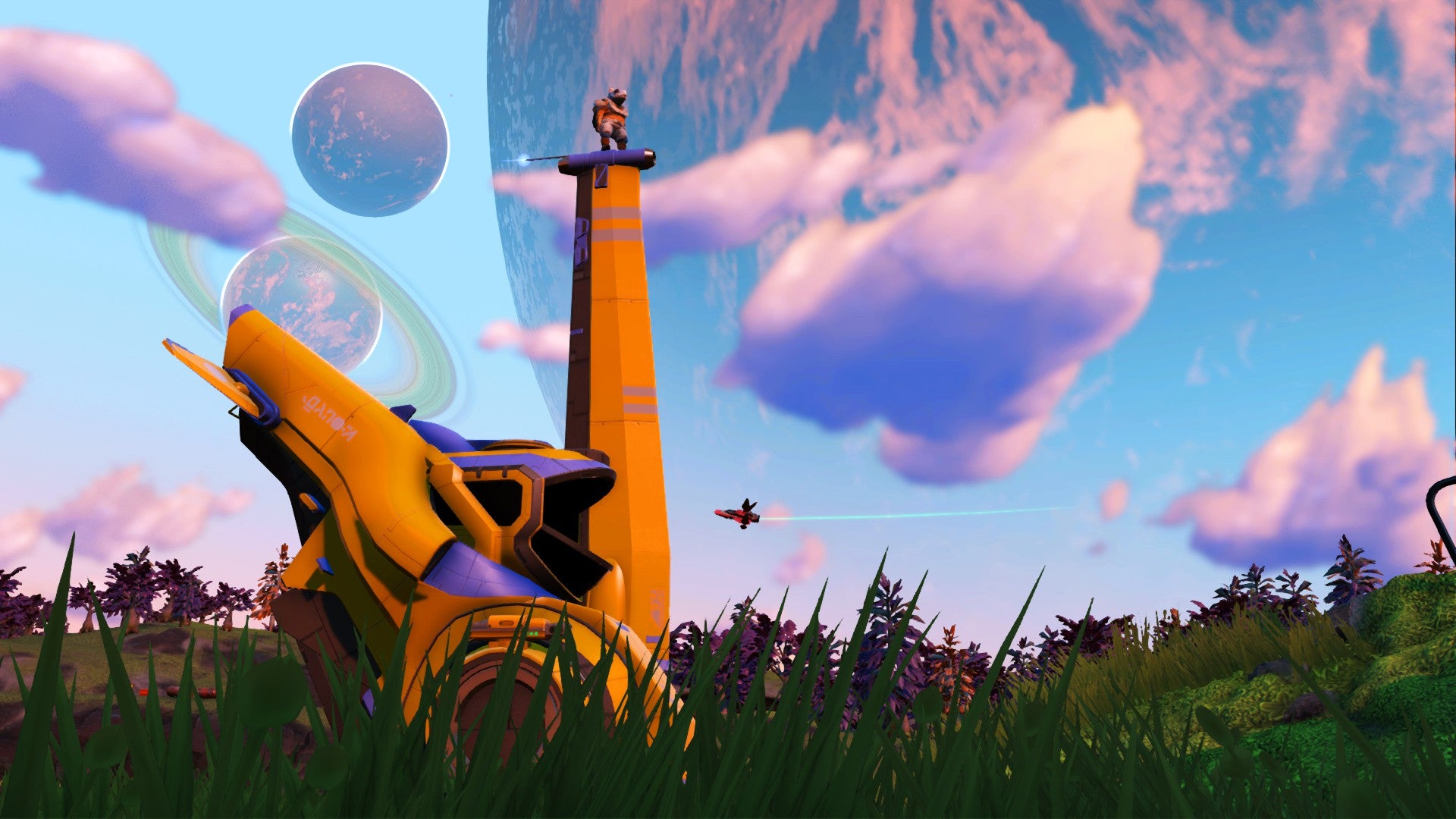
The early game was defined by its unhurried rhythms and profound solitude. It was a universe that felt strange, slightly haunted, and comfortingly quiet. The procedural generation engine birthed surreal landscapes—frozen tundras pierced by monolithic obelisks, floating islands, and bizarre fauna—captured by players functioning more like digital tourists at the edge of existence.
Yet, beneath the romanticism of perpetual forward momentum lay glaring structural deficits. Excessive inventory management, a cumbersome user interface, and repetitive survival loops meant the initial novelty wore off swiftly for many. The guiding question of 2016 was fundamentally about exploration: “Where next?” Rather than offering structured narrative goals, the game traded depth for breadth, leading to widespread consumer backlash and a fractured initial reception.
The Turning Point: The Foundation Update and Beyond
Rather than retreating amid the storm of criticism, Hello Games hunkered down. Just a few months after release, the studio deployed the Foundation Update (v1.1), introducing base building, freighters, and agricultural systems. It was the blueprint for everything that would follow.
Over the subsequent years, update followed update with astonishing regularity. The Atlas Rises update injected narrative depth; NEXT finally brought long-awaited true multiplayer functionality; and subsequent patches introduced submersible exploration, living ships, virtual reality support, and fully customizable settlements.
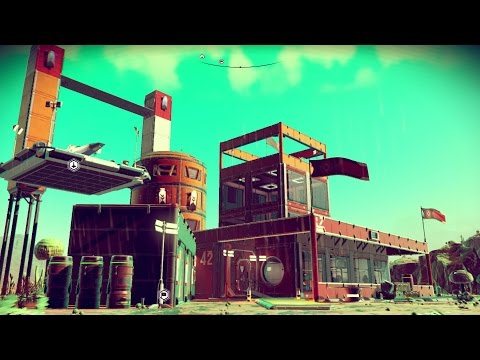
With each update, the core ethos of the game shifted. The solitary wanderer of 2016 gradually gained the tools to become a pirate, a property magnate, a trader, a scavenger, an archaeologist, a fisher, and an outpost overseer. The introduction of community expeditions and the bustling Space Anomaly hub effectively eliminated the aching isolation of the early days, transforming a lonely void into a vibrant, collaborative community.
Supporting Context & Metrics: The Anatomy of a Redemption
The turnaround of No Man’s Sky is not merely an artistic triumph; it is a statistical anomaly in the games industry. Historically, games that suffer critically or commercially at launch experience a swift, permanent decline in player retention. No Man’s Sky shattered this paradigm.
| Era / Milestone | Key Features Introduced | Community Sentiment / Status |
|---|---|---|
| August 2016 (Launch) | Basic procedural exploration, survival mechanics, flight. | Highly controversial; visionary yet bare-bones. |
| Late 2016–2018 | Base building, Freighters, Multiplayer, Terrain manipulation. | Cautious optimism; proof of developer commitment. |
| 2019–2021 | VR support, Living Ships, Mechs, Companions, Settlements. | Established cult following; widespread critical rehabilitation. |
| 2022–Present | Ship customization, Fishing, Procedural overhaul updates, Crossplay. | Record-breaking concurrency; regarded as an industry benchmark. |
Player Engagement and Economic Resilience
Recent metrics underscore the enduring health of the intellectual property. Anniversary milestones and major content drops have repeatedly surged player counts on platforms like Steam, often rivaling or exceeding launch-day concurrency figures. This sustained engagement demonstrates a rare symbiotic relationship between developer and player base—one forged through transparent communication and a total absence of paid gameplay-altering microtransactions.
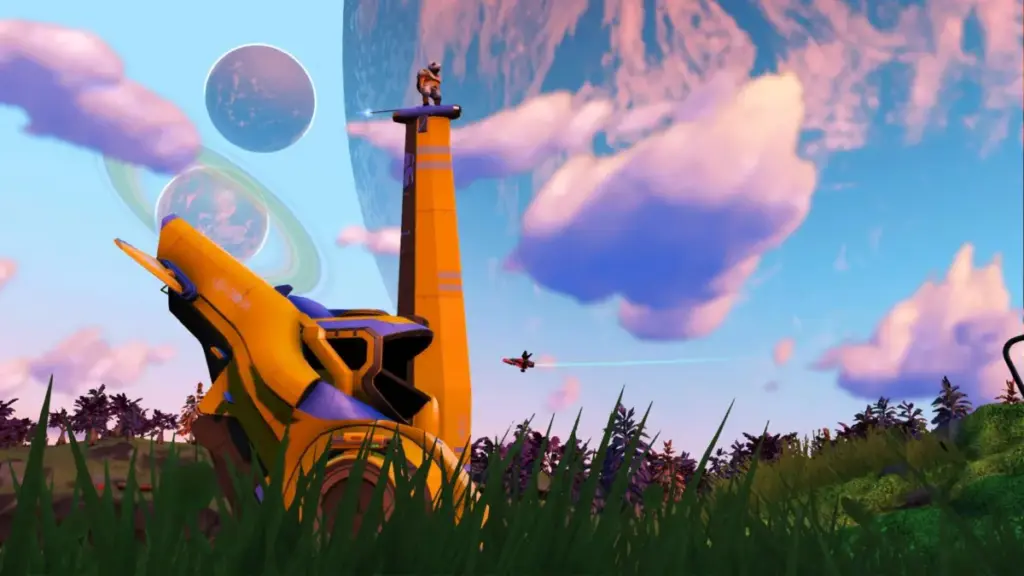
Furthermore, the aesthetic evolution of the game deserves note. While modern iterations boast advanced rendering technologies, volumetric clouds, and sophisticated lighting models, the retro-futuristic art style—heavily inspired by science fiction artists like Chris Foss and John Harris—has remained intact. This artistic consistency ensures that whether a player is exploring the primitive landscapes of 2016 or the dense, multi-biome worlds of the modern build, the core identity of the universe remains unmistakably No Man’s Sky.

Official Statements & Industry Perspectives
Reflecting on the decade-long journey, Hello Games and founder Sean Murray have frequently emphasized the emotional weight of the project’s redemption. In past retrospectives, Murray noted that the team’s primary motivation was simply to finish the game they set out to make—and to honor the trust of the players who stayed.
Industry analysts have similarly re-evaluated the title, frequently citing No Man’s Sky as a masterclass in post-launch support and crisis management. Where traditional publishers might have shuttered a studio or abandoned an intellectual property after a rocky debut, Hello Games leveraged financial independence to sustain uninterrupted development.
Members of the community have echoed these sentiments, evolving from disillusioned consumers into protective custodians of the game’s lore. The community’s collaborative spirit—exemplified by intricate base-building projects, player-run galactic hubs, and welcoming newcomer guides—has solidified its reputation as one of the most benevolent gaming ecosystems in existence.
Future Outlook: Beyond the Horizon
As No Man’s Sky marks its monumental tenth anniversary, the titular 16-minute countdown to the universe’s destruction ticks ever onward, yet the end remains nowhere in sight. In fact, the game exhibits more vitality today than at almost any other point in its lifecycle.

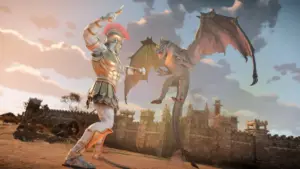
Looking ahead, Hello Games finds itself in an enviable position. While No Man’s Sky continues to receive expansive updates and refinements, the studio is simultaneously steering its procedural engine toward ambitious new horizons with its upcoming fantasy project, Light No Fire.
The lessons learned in the crucible of No Man’s Sky’s 2016 launch—patience, uncompromising ambition, and an unwavering commitment to listening to the community—have permanently transformed Hello Games into one of the most respected independent developers in the world. Whether players choose to revisit the dusty, nostalgic isolation of the original 2016 release or dive into the bustling, feature-complete sandbox of the modern era, the legacy of No Man’s Sky is secure. The journey continues, and the universe remains wide open.