Entering the Mist: An Investigative Deep Dive into the Psychological Horror of Myth of Valderit
Executive Overview
The modern landscape of interactive horror is saturated with predictable jump scares, linear narratives, and superficial shock value. Yet, every few years, an independent title emerges that seeks to bypass conventional tropes, targeting instead the deepest, most individualized recesses of the human psyche. Enter Myth of Valderit, an upcoming psychological horror experience developed by a dedicated team pushing the boundaries of adaptive game design.
In this harrowing title, players step into the shoes of Nil—a protagonist whose string of profoundly unfortunate events culminates in a terrifying predicament: entrapment within a cursed, spectral settlement that materializes exclusively beneath the eerie luminescence of a full moon. What begins as a routine camping trip in the wilderness with friends rapidly devolves into a desperate fight for survival after a mysterious fog rolls in, swallowing companions whole and leaving Nil stranded in a phantom village that appears to exist entirely outside of normal space and time.
What sets Myth of Valderit apart from its contemporaries is not merely its folklore-inspired aesthetic or its claustrophobic atmosphere, but its innovative adaptive horror system. Governed by an omniscient, malevolent entity known only as "The Writer," the game actively monitors, analyzes, and catalogs the player’s behavior in real-time. By studying how users interact with the environment, solve puzzles, and react to tension, The Writer dynamically manipulates level architecture, alters atmospheric lighting, shifts musical compositions, and weaponizes the player’s unique psychological vulnerabilities.
Following an intense hands-on preview at Pocket Gamer Connects Barcelona, anticipation for the title has reached a fever pitch. With atmospheric design heavily inspired by real-world eerie locations—most notably the abandoned Catalan ghost village of La Mussara—Myth of Valderit promises to deliver an unsettling masterclass in dread. As the game barrels toward its scheduled release later this year, players can already wishlist the title on Steam or request access to the ongoing closed playtests. This report explores the mechanics, inspirations, psychological foundations, and industry implications of what may well be the defining indie horror release of the year.
Detailed Chronology: The Genesis and Evolution of Valderit
To truly understand the unsettling nature of Myth of Valderit, one must examine the conceptual timeline of its development, tracing its roots from atmospheric inspiration to an interactive psychological weapon.
The Real-World Catalyst: La Mussara
The conceptual genesis of Valderit draws heavily from European folklore and ghost stories, specifically anchoring itself in the haunting aura of La Mussara, an abandoned village perched atop the Prades Mountains in Catalonia, Spain. Once a bustling rural community, La Mussara was gradually abandoned throughout the 20th century due to isolation, harsh living conditions, and economic shifts. Today, it stands as a ghost town wrapped in local legends of thick, disorienting fogs that roll in without warning, allegedly causing travelers to vanish or experience temporal anomalies.
The developers of Myth of Valderit visited these desolate ruins, absorbing the oppressive silence, crumbling stone walls, and eerie stone markers. This real-world desolation served as the architectural blueprint for the cursed village in the game. By translating the geographic isolation and historical melancholy of La Mussara into digital assets, the team established a foundation that feels tactile, authentic, and inherently unnerving long before any supernatural elements manifest.
From Concept to Playtest: The Development Timeline
The project transitioned from initial concept art to a playable vertical slice over several years. Early iterations focused on traditional survival horror mechanics: inventory management, flashlight battery depletion, and linear escape puzzles. However, the development team quickly realized that standard horror conventions risked losing players to predictability.
The turning point in the game’s chronology arrived with the conceptualization of The Writer. Rather than treating the game world as a static stage, the developers sought to create an engine that could "read" the player. By integrating behavioral tracking algorithms, the team transformed Myth of Valderit from a straightforward haunted village simulator into a personalized psychological mirror.
As the project matured, early closed alpha tests were conducted with select horror enthusiasts. Feedback from these sessions proved crucial; testers reported an escalating sense of paranoia, noting that rooms they had previously explored seemed fundamentally different upon return—not due to bugs, but as a calculated design choice by the adaptive engine. The recent public showcasing at Pocket Gamer Connects Barcelona marked a major milestone, giving media and industry insiders their first taste of the public vertical slice and generating widespread critical acclaim for its suffocating atmosphere.
Supporting Context & Metrics: Decoding the Adaptive Horror Engine
To appreciate the technological ambition behind Myth of Valderit, one must analyze the mechanics that govern its gameplay loop and the psychological frameworks driving its design.
Gameplay Mechanics and Survival Loops
At its core, Myth of Valderit combines classic survival horror exploration with modern atmospheric tension:
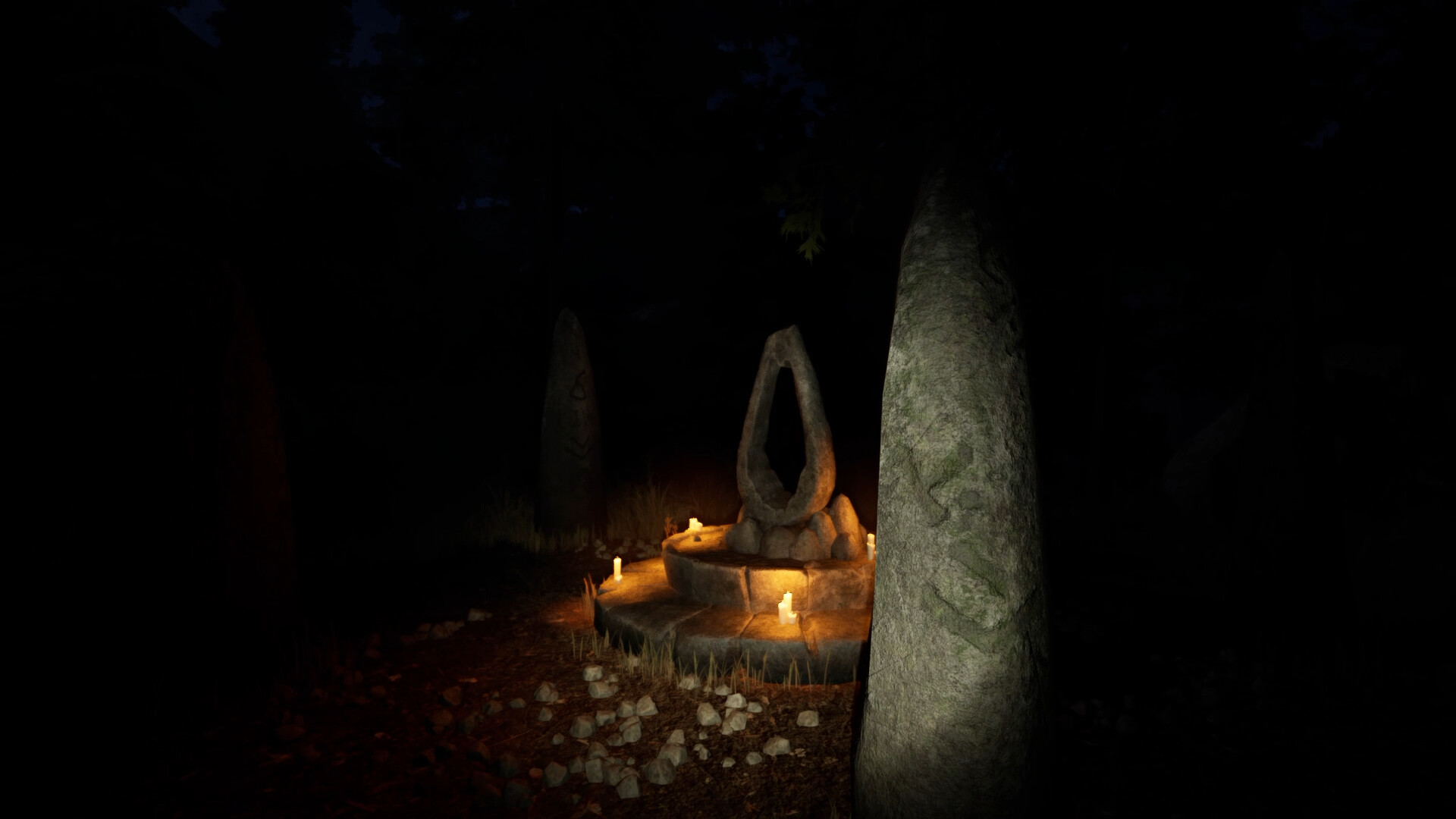
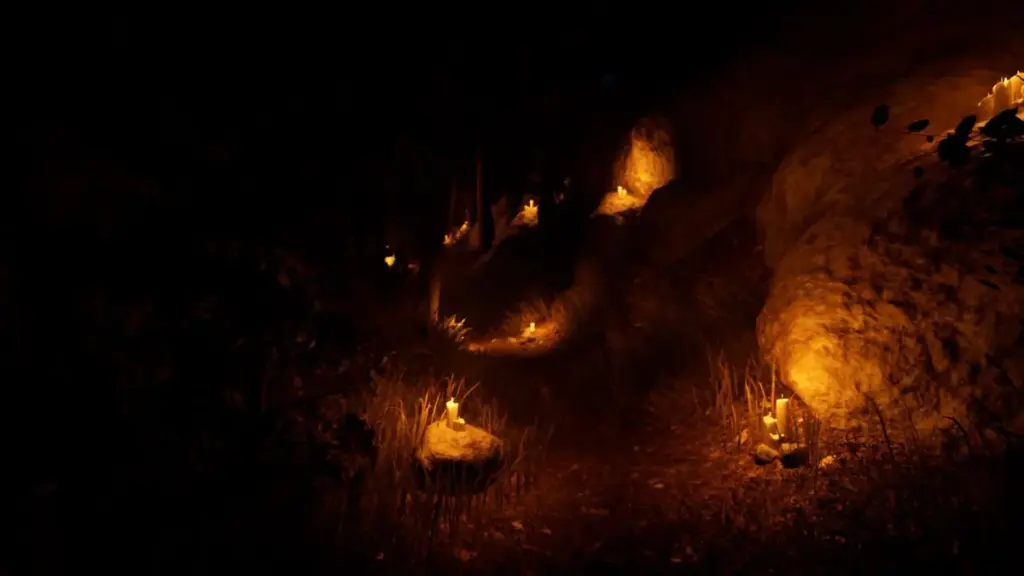
- Exploration and Environmental Storytelling: Players must comb through dilapidated homes, overgrown pathways, and ritualistic shrines illuminated by flickering candlelight. Items, notes, and environmental clues piece together the tragic history of Valderit and offer hints on how to reunite with Nil’s missing friends.
- Puzzle Integration: Survival is not merely about running away; players must solve intricate environmental puzzles. These challenges often require manipulating light sources, decoding cryptic local folklore, or managing scarce resources under immense psychological pressure.
- The Search for Companions: The emotional anchor of the narrative is Nil’s urgent quest to locate his friends. As players progress, they uncover disturbing evidence suggesting that their companions may not have merely gotten lost, but were actively targeted by the village’s resident forces.
The Science of Fear: How "The Writer" Works
The crown jewel of Myth of Valderit is its adaptive horror architecture. Traditional horror games rely on scripted events—a monster drops from the ceiling at coordinate X, regardless of who is playing. Myth of Valderit discards this static approach in favor of a dynamic profiling system.
+-----------------------------------------------------------------+
|                   THE WRITER'S MONITORING LOOP                  |
+-----------------------------------------------------------------+
                                  │
                                  ▼
             [ Player Behavior & Interaction Analysis ]
   (Movement speed, camera erraticism, puzzle-solving hesitation)
                                  │
                                  ▼
             [ Psychological Vulnerability Profiling ]
      (Identifying stress triggers: auditory vs. visual horror)
                                  │
                                  ▼
               [ Dynamic Environmental Alteration ]
     (Level layout shifts, audio cue adjustments, lighting drops)
The Writer tracks multiple telemetry points during a play session:
- Camera Movement and Gaze Tracking: Does the player aggressively sweep their flashlight, or do they keep their eyes fixed on the center of the screen? Do they avoid looking into dark corners?
- Pacing and Hesitation: How long does a player stand paralyzed before opening a door? Do they retreat when hearing a subtle sound, or do they boldly investigate?
- Resource Dependency: How heavily does the player rely on light, healing items, or defensive maneuvers?
Once The Writer compiles this psychological dossier, it dynamically modifies the game in real-time. If a player demonstrates a fear of confined spaces, corridor dimensions subtly contract over time. If a player ignores audio cues, the sound design amplifies subtle whispers, footsteps, and breathing directly behind the player’s avatar. This ensures that no two playthroughs are identical, and more importantly, that the game successfully targets the specific anxieties of the individual sitting behind the keyboard or controller.
Official Statements and Industry Reception
The industry reception during and following the Pocket Gamer Connects Barcelona showcase highlighted a growing appetite for narrative-driven psychological horror that leverages emerging technologies.
Critics and attendees who experienced the hands-on demo frequently remarked on the visceral nature of the atmosphere. One prominent reviewer noted:
"Playing Myth of Valderit is akin to walking through a waking nightmare where the environment itself is breathing down your neck. The realization that the game was actively altering its layout to exploit my hesitation left me profoundly unsettled long after I put the controller down."
Developers have emphasized in various press briefs that their primary design philosophy is "empathy through dread." They do not want players to feel empowered; they want players to feel vulnerable, isolated, and intellectually challenged. By anchoring the supernatural elements in the historical isolation of locations like La Mussara, the team aimed to create a narrative that feels grounded in real-world anxieties—the fear of being lost, the terror of isolation, and the dread of the unknown.
Furthermore, publishing partners have praised the technical achievement of integrating adaptive AI subsystems into a cohesive horror narrative without sacrificing frame rates, visual fidelity, or pacing. The balance between scripted narrative beats (such as Nil’s search for his friends) and emergent psychological horror (governed by The Writer) represents a significant technical leap for independent game development.
Future Outlook: What Lies Ahead for Myth of Valderit
As Myth of Valderit enters the final stages of polish ahead of its anticipated launch later this year, excitement within the gaming community continues to compound.
Upcoming Milestones and Access
For eager horror enthusiasts looking to experience the dread firsthand, developers have opened two primary pathways:
- The Steam Wishlist Campaign: Players can add Myth of Valderit to their Steam wishlists to receive immediate notifications regarding release dates, launch discounts, and special developer update logs.
- Closed Playtests: The development team is actively expanding access to ongoing playtest phases. Interested participants can request access directly via the game’s official Steam store page, contributing crucial telemetry data that helps fine-tune The Writer’s adaptive horror algorithms prior to the official commercial launch.
The Broader Impact on the Horror Genre
Looking beyond its immediate release, Myth of Valderit has the potential to influence how future independent horror titles approach replayability and player engagement. By demonstrating that procedural and adaptive systems can enhance—rather than dilute—narrative tension, the game paves the way for a new sub-genre of truly personalized psychological horror.
As the full moon rises over the digital ruins of Valderit, players must prepare themselves not just to explore a haunted village, but to confront the darkest corners of their own minds. When The Writer is watching, there is nowhere left to hide.