End of an Era: HandyGames Rebrands as THQ Nordic Mobile in Major Pivot Toward Premium Console-to-Mobile Ports
Executive Overview
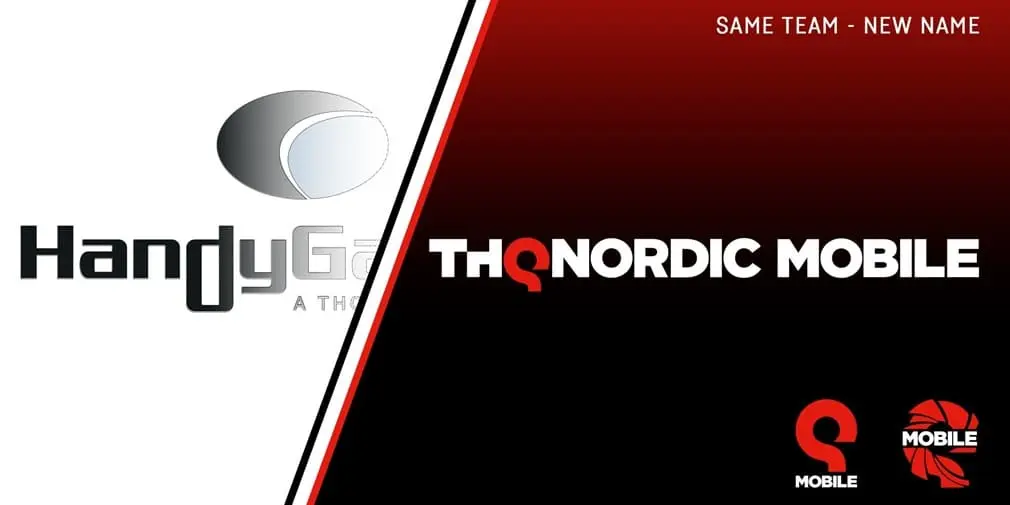
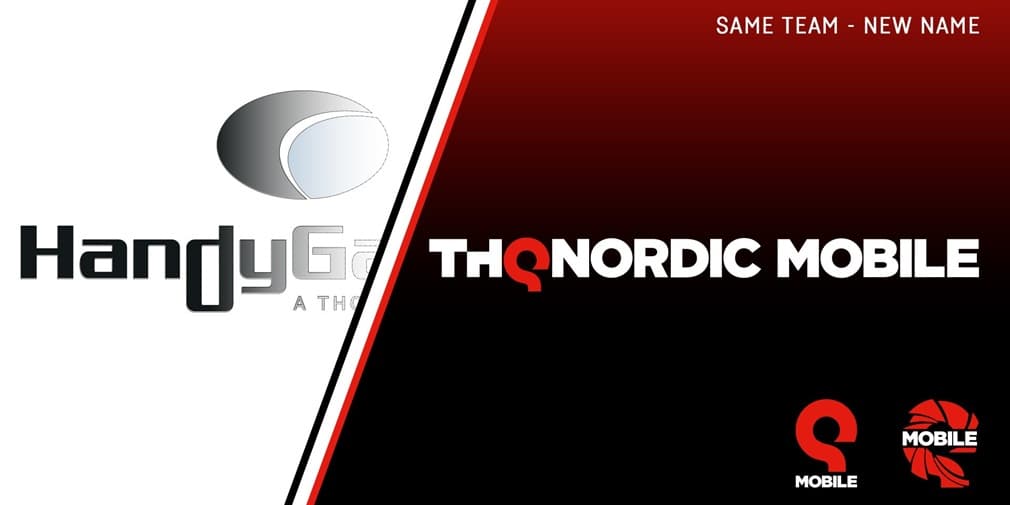
In a monumental shift for the European gaming landscape, the storied German studio HandyGames has officially closed a celebrated 25-year chapter of its history. Embracing a brand-new identity, the company has transformed into THQ Nordic Mobile, pivoting its core business model to focus primarily on high-end PC and console ports for iOS and Android devices.
While the historic HandyGames brand name will not vanish entirely—surviving through a dedicated boutique dev-house, HandyGames Studio, which will continue original mobile-first projects—the overarching corporate strategy represents a watershed moment for the mobile gaming industry. Backed by parent company Embracer Group, THQ Nordic Mobile is leaning heavily into the "third screen" philosophy. As smartphones and tablets increasingly boast hardware capabilities that rival legacy consoles, this transition signals a major industry bet: that mainstream gamers are ready to embrace "triple-A" and "double-A" legacy titles natively in their pockets.
Crucially, this sweeping restructuring has arrived without the dark cloud of mass layoffs—a refreshing anomaly in a modern games industry plagued by persistent downsizing. As mobile hardware crosses performance thresholds once thought impossible for pocket-sized devices, the newly minted THQ Nordic Mobile is positioning itself at the absolute forefront of premium mobile gaming.
Detailed Chronology: From Feature Phones to High-End Ports
To understand the weight of this rebrand, one must look back at the quarter-century evolution of HandyGames. Founded in 2000 by Markus and Christopher Kassulke alongside Udo Bausewein, the German developer came of age during the primitive era of Java-based mobile gaming.
The Early Days (2000–2010)
In the nascent days of mobile entertainment, HandyGames was a pioneer. Long before smartphones dominated the landscape, the studio cut its teeth developing bite-sized arcade games, puzzlers, and early strategy titles for monochrome and early color-screen feature phones (Nokia, Siemens, and Sony Ericsson handsets). Titles like Townsmen laid the foundational DNA for the company, establishing a reputation for deep, resource-management mechanics squeezed into extremely limited hardware constraints.
The Smartphone Boom & Acquisition (2010–2018)
As Apple’s iOS and Google’s Android revolutionized the ecosystem, HandyGames successfully transitioned to touch-screen platforms. They expanded their portfolio by creating original intellectual properties (IPs) while simultaneously publishing games for third-party developers. Their knack for scalable development caught the eye of industry titan THQ Nordic (then known as Nordic Games), which acquired the studio in July 2018.
Under the umbrella of THQ Nordic and its parent organization Embracer Group, HandyGames enjoyed a hybrid existence. They continued developing and publishing original titles (such as El Hijo – A Wild West Tale and Spitlings) while gradually taking on larger, more demanding adaptations of established corporate IPs.
The Pivot to THQ Nordic Mobile (Present Day)
The rebrand announced today marks the formal culmination of a multi-year transition. Having successfully spearheaded mobile conversions for titles like Bugbear Entertainment’s chaotic demolition racer Wreckfest and Piranha Bytes’ action-RPG Titan Quest, the leadership team realized that the company’s highest-value proposition lay in bridging the gap between traditional gaming platforms and mobile devices.
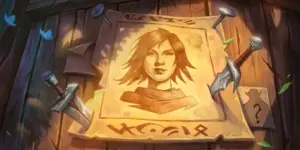
With the recently announced mobile port of Disney Epic Mickey: Rebrushed waiting in the wings, the newly christened THQ Nordic Mobile is no longer just a mobile studio that ports games; it is the definitive mobile adaptation arm of one of Europe’s largest publishing conglomerates.
Supporting Context & Metrics: The Rise of the "Third Screen"
The strategic pivot by THQ Nordic Mobile highlights a rapidly changing economic and technical reality within the global video games market. For years, mobile gaming was written off by hardcore purists as the exclusive domain of hyper-casual, ad-supported microtransaction traps. However, technological leaps in mobile chipsets—such as Apple’s M-series and A-pro processors, alongside high-end Qualcomm Snapdragon silicon—have fundamentally blurred the line between handheld devices and dedicated consoles.
The Hardware Leap vs. Market Realities
Major publishers have increasingly attempted to capture the "core" mobile gamer demographic by bringing massive, hardware-intensive experiences to iOS and Android. Capcom’s aggressive push of the Resident Evil franchise (Resident Evil 4, Village, and 7: Biohazard) onto Apple devices served as a bellwether for the movement.
However, these launches have faced turbulence. Publicly available metrics and analyst estimates often point to relatively low standalone conversion and sales numbers for these full-priced, high-end mobile releases. Traditional mobile consumers, conditioned by a decade of free-to-play economics, have historically resisted paying $40 to $60 upfront for a mobile game, even if it is an identical replica of a console masterpiece.
Why THQ Nordic Mobile’s Strategy Differs
This is precisely where THQ Nordic Mobile’s institutional experience becomes vital. Rather than simply dumping unoptimized PC builds onto the App Store, the studio specializes in tailored, premium mobile adaptations. By streamlining touch controls, implementing flexible performance presets, and pricing titles to hit the sweet spot between mobile affordability and console-grade value, they have managed to sidestep many of the pitfalls that have tripped up competitors.
Furthermore, by segregating operations—retaining HandyGames Studio to continue crafting original, mobile-first indie games—the organization hedges its bets. They can chase the lucrative, high-risk console port sector while maintaining a foothold in the native mobile ecosystem that built their reputation.
Official Statements and Industry Impact
While corporate press releases often lean heavily into marketing buzzwords, the underlying sentiment from the leadership teams at THQ Nordic and Embracer Group points toward a disciplined, long-term strategy for mobile deployment.
"We are looking at mobile not as a compromised platform, but as a legitimate third screen capable of delivering uncompromised, complete gaming experiences," noted industry analysts tracking the Embracer Group ecosystem. “By formalizing the transition into THQ Nordic Mobile, they are creating a unified global brand that signals to consumers and retail partners alike that these ports carry the full weight of a traditional publishing house.”
Crucially, the preservation of HandyGames Studio has quieted fears that the company’s rich heritage of quirky, independent development would be swallowed whole by corporate mandates. Creators and long-time fans of titles like Townsmen can rest easy knowing that original, mobile-first design will still have a home under the new corporate structure.

Even more noteworthy in the current economic climate is the human element of this transition. The video games industry over the past three years has been marred by catastrophic layoffs, studio closures, and cancelled projects across nearly every major publisher. The fact that HandyGames’ evolution into THQ Nordic Mobile has been executed smoothly, without sacrificing workforce numbers or shuttering creative pipelines, serves as a masterclass in sustainable corporate restructuring.
Future Outlook: What to Expect from THQ Nordic Mobile
As we look toward the remainder of 2026 and beyond, the implications of this rebrand will reverberate across the mobile landscape.
- An Influx of Classic IPs: With the massive catalog of games owned by Embracer Group (spanning THQ Nordic, Coffee Stain, Plaion, and Deep Silver), THQ Nordic Mobile has an embarrassment of riches to draw from. Fans can realistically speculate about which cult-classic RPGs, strategy games, and action titles from the PS3/Xbox 360 and PS4/Xbox One eras are next in line for handheld conversions.
- Refining the Pricing and Monetization Model: One of the greatest hurdles for premium mobile ports has been consumer friction regarding upfront costs. THQ Nordic Mobile will likely continue experimenting with flexible pricing structures, demo tiers, and cross-platform bundles to maximize adoption rates among mobile users who remain allergic to high-priced App Store listings.
- Setting the Benchmark for 2026: As mobile hardware continues to close the gap on desktop performance, the industry is searching for reliable partners who can execute complex ports without sacrificing technical stability or control fidelity. If THQ Nordic Mobile can successfully launch titles like Epic Mickey: Rebrushed alongside their existing catalog of high-tier conversions, they will cement themselves as the gold standard for portable adaptations.
For mobile gamers who have long yearned for deeper, more meaningful experiences that respect their time and intelligence, the dawn of THQ Nordic Mobile is not just a corporate name change—it is a promise that the best is yet to come. Keep a close eye on the evolving lineup of top-tier releases as the industry continues its march toward a truly platform-agnostic future.