Leveling Up the 16-Bit Era: The Rise, The Cockpit Controller, and the AI Controversy Surrounding Earthion
Executive Overview
The nostalgic ecosystem surrounding the SEGA Mega Drive (known as the SEGA Genesis in North America) has always thrived on passion, hardware experimentation, and a dedicated community of retro enthusiasts. More than three decades after its original 1988 debut, the 16-bit console continues to inspire homebrew developers, boutique hardware manufacturers, and veteran industry icons. The latest testament to this enduring legacy is an ambitious hardware collaboration between Games Care and Versao Ltda, who have announced a brand-new, bespoke arcade controller explicitly built for the SEGA Mega Drive and Genesis.
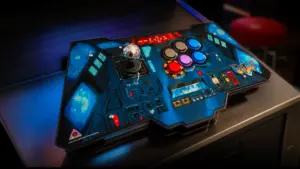
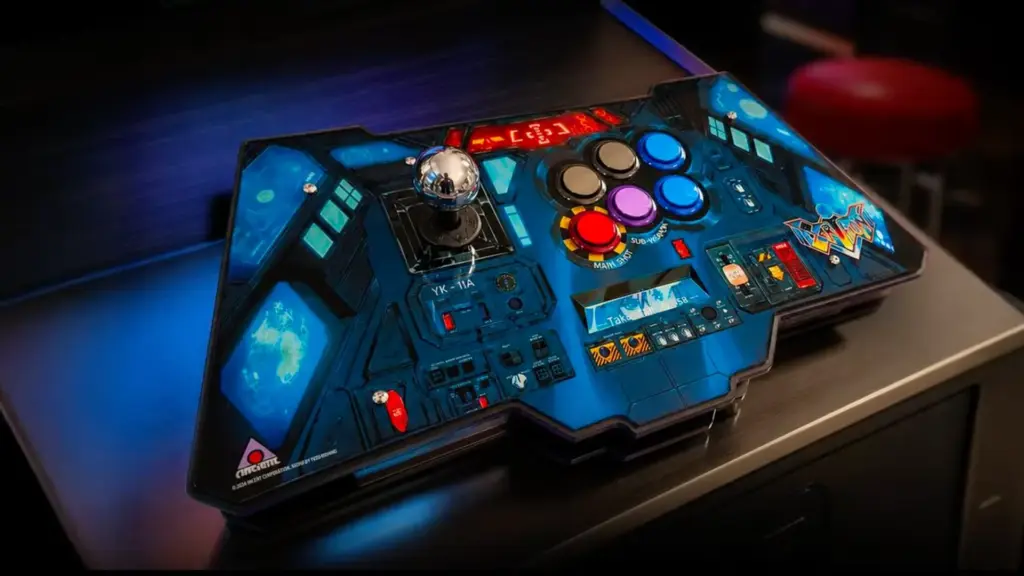
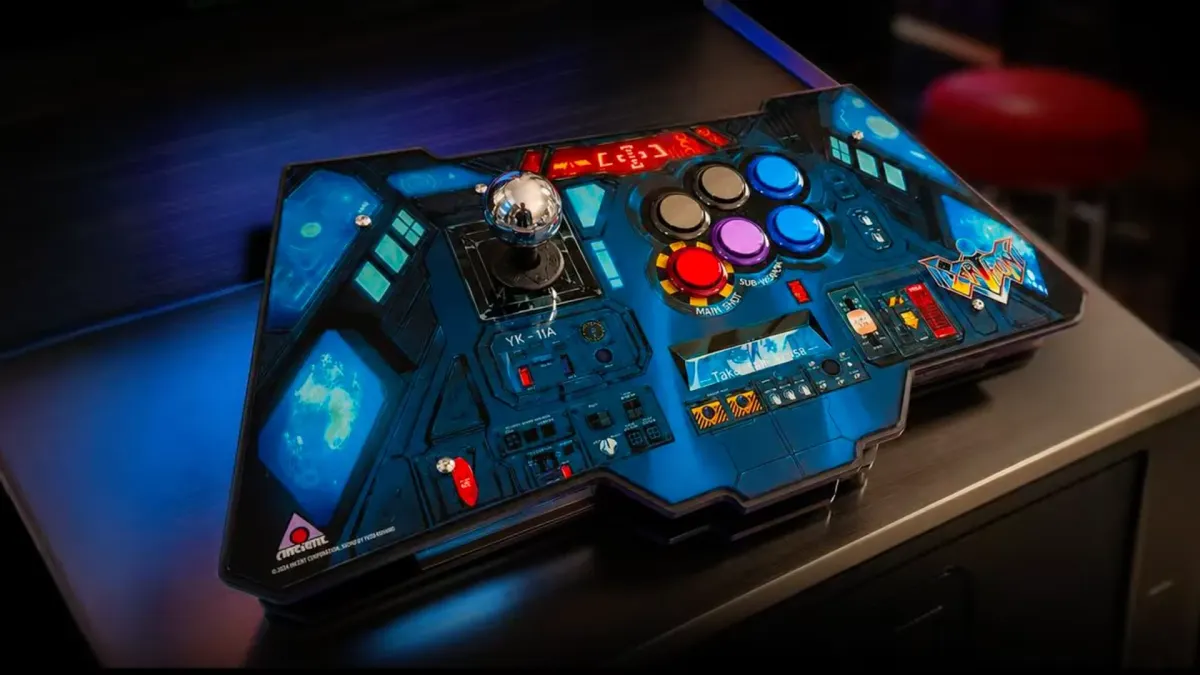
Tailored to accompany Earthion—the highly anticipated, retro-style side-scrolling shoot ’em up developed by Ancient Corporation and masterminded by legendary composer Yuzo Koshiro—this peripheral promises an authentic arcade feel. Inspired directly by the cockpit of the fictional YK-IIAF fighter featured in the game, the controller blends classic arcade stick architecture with bespoke vinyl wrap aesthetics designed to immerse players in a futuristic sci-fi dogfight.
However, despite the palpable excitement surrounding physical retro hardware and handmade craftsmanship, the announcement has sparked significant industry debate and community backlash. The promotional rollout for the controller was marred by the conspicuous use of generative artificial intelligence (AI) art, leading to glaring visual errors, distorted logos, and fluctuating hardware designs throughout the official reveal video. This misstep has cast a shadow over an otherwise promising hardware initiative, bringing to the forefront an ongoing debate within the gaming community regarding professional standards, authenticity, and the preservation of human-made artistry in retro gaming culture.
Detailed Chronology: From 16-Bit Roots to Modern Hardware Innovations
To fully appreciate the significance of a brand-new arcade controller hitting the SEGA Mega Drive market in 2026, it is vital to trace the historical lineage of the console and the specific trajectory of the Earthion project.
The SEGA Mega Drive Era (1988–1990s)
Launched in Japan in October 1988 and subsequently in North America as the Genesis in 1989, SEGA’s 16-bit powerhouse defined an entire generation of gaming. For many gamers growing up in the early 1990s, the Mega Drive was an introduction to fast-paced action, distinct audio capabilities powered by the Yamaha YM2612 sound chip, and iconic titles like Sonic the Hedgehog, Streets of Rage, and Dynamite Headdy. While younger audiences initially gravitated toward vibrant platformers, the system’s robust library eventually attracted older demographics with deep, demanding, and visually striking shoot ’em ups (shmups) that tested reflexes to their absolute limits.
The Genesis of Earthion
Enter Earthion, a passion project spearheaded by Ancient Corporation and driven by industry veteran Yuzo Koshiro. Widely celebrated for his iconic, genre-defining soundtracks for the Streets of Rage series, ActRaiser, and Shinobi, Koshiro’s return to native 16-bit hardware captured the imagination of retro gaming purists worldwide. Designed to run natively on original SEGA Mega Drive and Genesis hardware while also receiving modern digital releases, Earthion represents a rare bridge between contemporary game development philosophies and authentic retro constraints.
The Hardware Announcement and Partnership
Recognizing the unique synergy between Earthion’s frantic, spaceship-piloting gameplay and the arcade cabinet lineage, Brazilian specialty gaming outfit Games Care—in collaboration with Versao Ltda—set out to design a hardware companion. The goal was simple on paper: construct a physical arcade stick that replicates the aesthetic and functional posture of the YK-IIAF fighter jet’s cockpit. Handcrafted to order and tuned specifically for the latency-free expectations of original hardware enthusiasts, the controller was introduced to the public via an online trailer in mid-2026.
The Promotional Misstep and Community Reaction
The announcement video, distributed via YouTube, was meant to be a moment of triumph for physical hardware collectors. Instead, it became a focal point for controversy. Rather than showcasing physical prototypes or traditional graphic design, the promotional material relied heavily on generative AI imagery. The resulting video featured distorted branding, warped typography that mangled the Earthion logo, and an arcade controller model that visibly morphed and shifted between cuts. For a community that prides itself on precision, hardware accuracy, and human craftsmanship, the reliance on generative AI felt jarring, unprofessional, and fundamentally at odds with the spirit of retro game development.
Supporting Context & Metrics: The Retro Hardware Resurgence
The decision by Games Care and Versao Ltda to invest in new peripherals for a discontinued 1980s console is far from an isolated anomaly. It is part of a broader, highly lucrative economic and cultural movement known as the retro hardware renaissance.
Market Viability of Retro Peripherals
Over the past decade, the market for vintage gaming preservation and modern-retro hardware has expanded exponentially. According to market analysis tracking the vintage and collector gaming sectors, global consumer spending on retro gaming hardware, FPGA-based consoles (such as the Analogue Mega SG), and custom arcade controllers has grown by double digits year-over-year.
- Demographics: The primary demographic consists of consumers aged 30 to 50 who grew up with these systems and possess the disposable income to invest in premium, boutique-tier accessories.
- Handmade vs. Mass Production: Unlike mass-produced plastic peripherals from the major console manufacturers of the 1990s, modern retro accessories are frequently handmade in limited runs. This artisanal approach justifies higher price points and attracts collectors who view these items as functional art pieces.
- The Shmup Niche: The shoot ’em up genre has always maintained a fiercely loyal, hardware-obsessed fanbase. Enthusiasts regularly invest hundreds of dollars in high-end arcade sticks (often featuring Japanese Sanwa or Seimitsu components) to achieve optimal input responsiveness in demanding bullet-hell scenarios.
The AI Debate in Gaming Media and Marketing
The controversy surrounding the Earthion controller’s promotional campaign taps into a wider, increasingly contentious industry conversation regarding generative AI. While corporations increasingly adopt AI tools to streamline marketing, asset generation, and conceptualization, consumer resistance remains fierce—particularly within artistic subcultures like retro gaming.
Critics argue that utilizing generative AI for creative work undermines the human effort required to produce art, music, and hardware design. In the case of Earthion, a game created by celebrated human composer Yuzo Koshiro and developed through meticulous programming constraints, using sloppy AI art to market a physical product felt deeply discordant to fans. The irony of a promotional video boasting about being crafted "down to the last detail" while relying on generative algorithms that failed to maintain structural consistency across frames was not lost on the community.
Official Statements and Industry Perspectives
While Games Care and Versao Ltda have not yet issued a formal, comprehensive press release addressing the specific backlash over the promotional video’s AI utilization, the initial announcement details provide a clear picture of their manufacturing philosophy.
The Vision Behind the YK-IIAF Cockpit Controller
In promotional breakdowns, the developers emphasized the ergonomic and thematic integration of the controller with Earthion’s universe.

- Design Philosophy: The physical enclosure is wrapped in specialized vinyl graphics intended to mimic military-grade sci-fi vehicle interiors, positioning the player metaphorically inside the cockpit of the YK-IIAF fighter.
- Handmade Craftsmanship: Unlike injection-molded commercial controllers, these units are slated for manual assembly, ensuring strict quality control and catering directly to hardcore collectors who demand authentic tactile feedback.
- Hardware Compatibility: Built specifically for legacy ports, the controller guarantees zero-lag compatibility with original SEGA Mega Drive and Genesis consoles, honoring the native timing loops of 16-bit architecture.
Community and Media Backlash
Independent retro gaming outlets, prominent content creators, and long-standing community members have been vocal in their critique. Industry commentators have repeatedly pointed out that marketing a product rooted in physical nostalgia and human ingenuity with synthetic, error-ridden AI media creates an unnecessary barrier of trust.
As one prominent retro media outlet noted during the initial coverage: "It’s comical when you see the text ‘down to the last detail’ in a video where the controller itself changes shape continuously due to generative AI hallucinations." This sentiment reflects a growing demand for transparency and authenticity in a market where consumers pay premium prices specifically because they value tangible, human-crafted experiences over automated shortcuts.
Future Outlook: What Lies Ahead for Earthion Hardware
As the dust settles on the initial announcement, several key questions remain regarding the commercial viability, pricing, and ultimate reception of the Earthion arcade controller.
Upcoming Milestones and Unanswered Questions
- Pricing and Pre-Orders: As of late August 2026, neither Games Care nor Versao Ltda has disclosed an official retail price or a definitive release date. Given the handmade nature of the product and the inclusion of specialized vinyl wrapping and arcade-grade internal components, industry analysts anticipate a premium price tag aimed squarely at collectors.
- Prototyping Transparency: To win back consumer confidence following the AI art controversy, many community members are calling for real-world footage of fully functional physical prototypes, stress-tested under actual gameplay conditions on original hardware.
- Distribution Channels: Logistics for boutique retro hardware can be complex. It remains to be seen whether the controller will receive a global distribution network or remain limited to regional drops in South America and select international import channels.
The Broader Impact on Retro Hardware Marketing
The Earthion controller controversy serves as a cautionary tale for indie hardware developers and boutique manufacturers entering the retro space. As the market becomes increasingly crowded with passion projects celebrating the 8-bit, 16-bit, and 32-bit eras, audience expectations are higher than ever. Nostalgia-driven consumers are buying more than just utility; they are purchasing a connection to a specific era of human creativity and technical mastery. When marketing materials break that illusion through visible shortcuts like generative AI, it risks alienating the very demographic the product was designed to celebrate.
Ultimately, if Games Care and Versao Ltda can deliver a high-performing, durable, and tactilely satisfying arcade stick that does justice to Yuzo Koshiro’s masterpiece, the missteps of the initial promotional rollout may fade into memory. However, the episode stands as a stark reminder that in the world of retro gaming, authenticity is currency—and cutting corners rarely goes unnoticed.