Beyond the Anime Aesthetic: Why Hoyoverse’s Nodusfall is a High-Stakes Departure from the Studio’s Gacha Formula
Executive Overview
At the 2026 Gamescom Opening Night Live showcase, Hoyoverse—the entertainment powerhouse globally synonymous with the runaway success of Genshin Impact, Honkai: Star Rail, and Zenless Zone Zero—unveiled its most surprising and ambitious project to date: Nodusfall. Stepping away from the signature vibrant anime cell-shading that defined its previous decade of dominance, Nodusfall introduces a gritty, realistic dark-fantasy aesthetic that immediately captured the attention of the global gaming community.
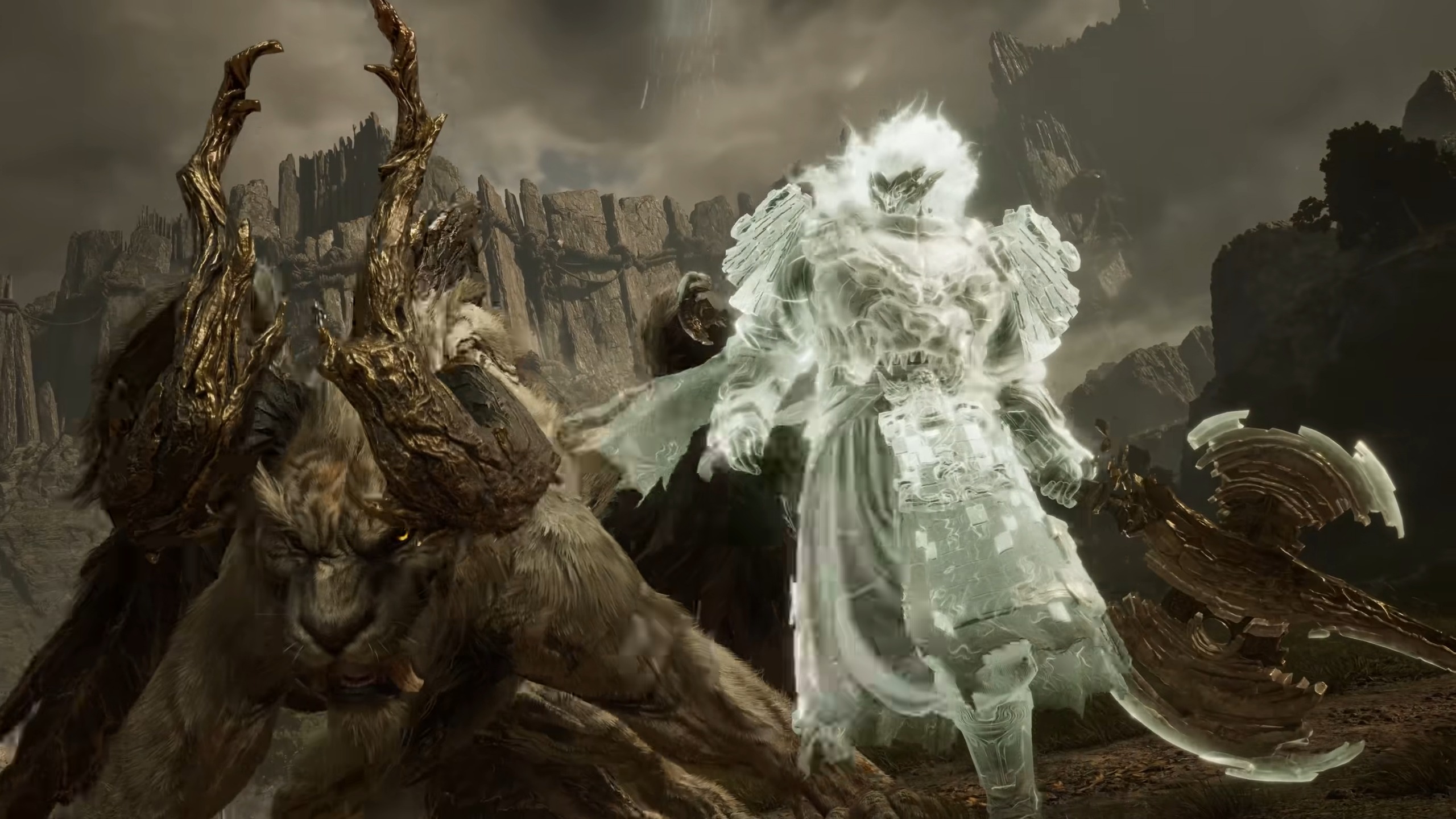
Yet, the visual shift is only the surface-level divergence. According to statements from Hoyoverse CEO Liu Wei (affectionately known to the community as "Da Wei"), Nodusfall represents a fundamental architectural and philosophical pivot for the company. Conceived as miHoYo’s first large-scale, realistic fantasy online game, it relies heavily on synchronous co-op mechanics, colossal boss encounters, and deep cooperative tactical builds. Drawing thematic inspiration from ancient textual cornerstones like the Classic of Mountains and Seas, alongside a broader canvas of global mythological traditions, the title looks less like a traditional live-service gacha adventure and more like a premier, high-fidelity hunting action RPG.
However, this massive departure from the studio’s comfort zone brings profound industry implications. While the promise of epic monster-hunting combat and sweeping original lore has ignited excitement, it has simultaneously triggered fierce debate across digital forums and industry circles. For years, Hoyoverse has reigned supreme as a gacha kingpin, anchoring its financial empire on randomized monetization and banner pulls. Adapting a genre traditionally defined by player progression through direct effort—such as Capcom’s Monster Hunter—into a framework that risks being choked by monetization loops presents a critical design paradox. As Nodusfall enters its extended rollout phase, the industry watches with bated breath to see if Hoyoverse’s "un-miHoYo" experiment will truly break the mold or merely dress up predatory monetization in a photorealistic coat of paint.
Detailed Chronology: From Rumors to the Gamescom Revelation
The journey of Nodusfall from an internal concept to a global stage revelation did not happen overnight. For years, the gaming grapevine hummed with rumors regarding a secretive, AAA-budget project being cooked up within miHoYo’s high-security development hubs.
- The Early Blueprint (2022–2024): Long before any official title was whispered, inquisitive data-miners and eagle-eyed fans began tracking cryptic job listings posted by miHoYo. These listings explicitly sought developers experienced in unreal engine pipelines, photorealistic asset creation, large-scale open-world ecosystems, and action combat systems that bore zero resemblance to the turn-based or character-swapping mechanics of Honkai and Genshin. Rumors suggested the studio was attempting to build a Western-style action RPG to rival heavyweights like Monster Hunter and The Witcher.
- The Incubation Struggles (2024–2025): Behind closed doors, the development cycle proved agonizingly difficult. Moving away from stylized anime rendering to a realistic fantasy framework meant rebuilding pipelines from scratch. Furthermore, the studio had to retrain or hire specialized talent accustomed to physics-driven combat weights, realistic monster rigging, and complex co-op netcode. Insiders noted that the project faced internal hurdles precisely because it demanded a complete mental shift from the team’s established gacha development cadence.
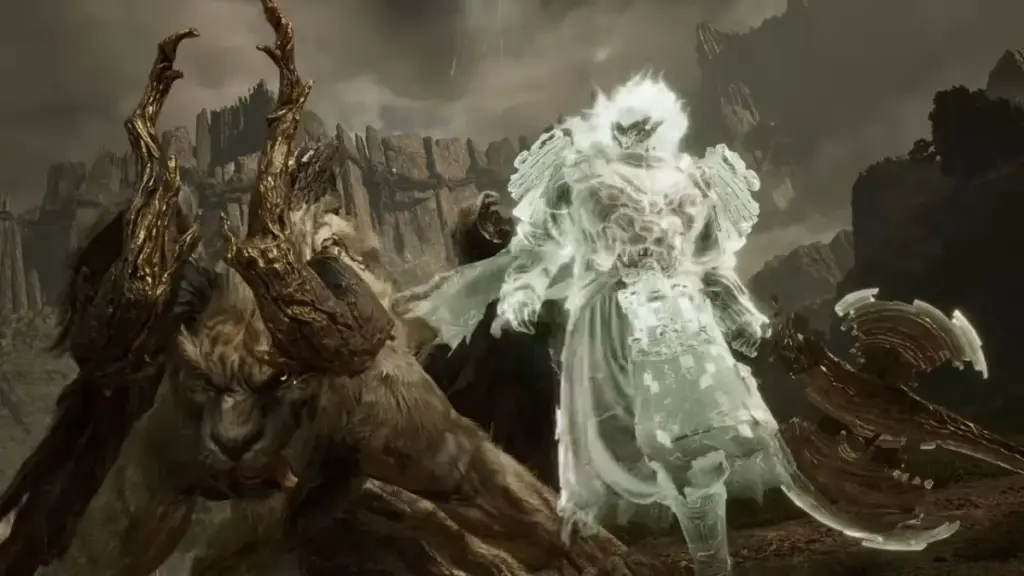
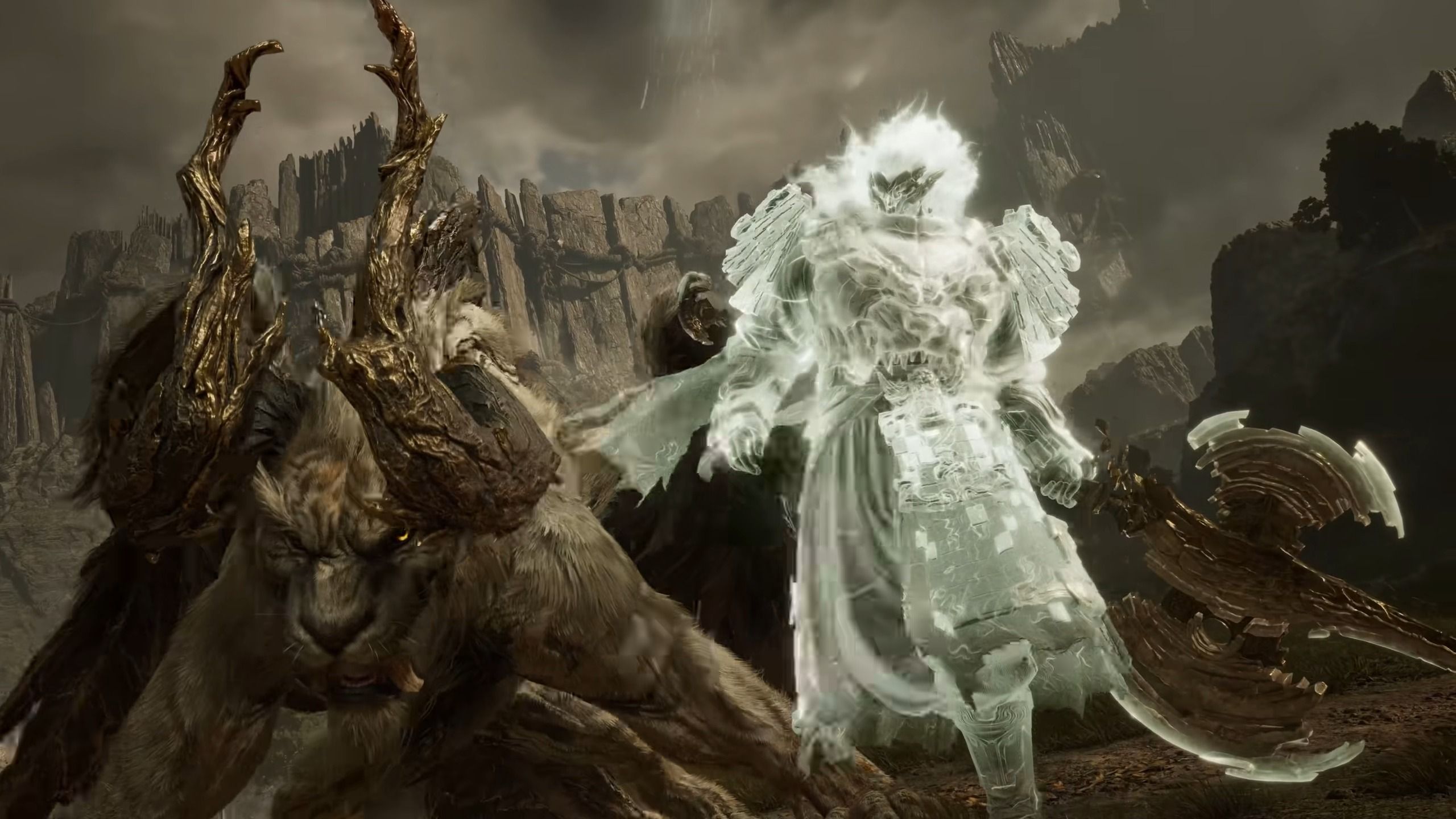
- The Gamescom Opening Night Live Reveal (August 2026): The culmination of years of quiet labor exploded onto the global stage at Gamescom 2026. The premiere trailer—titled "Wield Divinity, Sever the Dreadnodus"—showcased massive, imposing warriors wielding colossal weaponry side-by-side with horned, mythological beasts in hyper-detailed environments. The industry reaction was instantaneous. The announcement confirmed that Hoyoverse was not merely iterating on its proven formula, but actively attempting to diversify its portfolio into entirely new demographic markets.
Supporting Context & Metrics: The Mechanics and Mythology of Nodusfall
To understand why Nodusfall is causing such seismic ripples, one must examine its core gameplay pillars and thematic inspirations as detailed by Hoyoverse’s official press releases and developer insights.
1. The Gameplay Loop: A Nod to the Hunt
At its structural core, Nodusfall is positioning itself as a direct competitor in the cooperative hunting action space. Official breakdowns on the game’s nascent website outline a distinct gameplay loop:
- Squad-Based Co-op: Players form tactical units with companions to hunt down and subdue towering, mythical beasts that dwarf the standard character models.
- Granular Build Customization: Combat styles are deeply customizable. Players can mix and match skill combinations tailored to their preferred weapon classes.
- Progression via Extraction and Crafting: Defeating these legendary creatures yields rare resources, which in turn unlock advanced weapons, gear upgrades, and specialized skill trees.
This loop bears a striking resemblance to Capcom’s legendary Monster Hunter franchise, relying on trial, error, mechanical mastery, and cooperative synergy to overcome towering threats.
2. Mythological Roots and World-Building
While early Chinese text leaks and community translations of Liu Wei’s statements heavily emphasized influences from the Classic of Mountains and Seas—a foundational text of ancient Chinese geography and myth noted by the Academy of Chinese Studies—subsequent official English communications clarify a broader scope. Hoyoverse has designated Nodusfall a "multi-mythology" experience.
By fusing diverse global mythological traditions into a sweeping, original narrative arc, the development team is building a rich lore tapestry that departs from the localized, region-by-region cultural pastiche seen in Genshin Impact (such as Mondstadt, Liyue, and Fontaine). This global mythos allows for environmental diversity and creature designs that feel both ancient and entirely alien to traditional fantasy tropes.
Official Statements and Industry Reactions
The weight of Nodusfall rests largely on the shoulders of Hoyoverse’s executive leadership, whose candid admissions highlight the high-risk nature of the venture.
In a widely circulated statement translated from Chinese online channels, CEO Liu Wei (Da Wei) reflected openly on the grueling development cycle:
"Making games is truly difficult," Wei lamented, describing Nodusfall as miHoYo’s first foray into realistic fantasy online multiplayer. He candidly admitted that the title is "very un-miHoYo," a phrase that serves as both a warning about the project’s departure from studio norms and an acknowledgment of the internal friction required to bring it to life.
Industry analysts have been quick to dissect these comments. For a company that has built a multi-billion-dollar empire on predictable, highly profitable, and easily digestible mobile-and-PC gacha loops, pivoting to a hardcore, cooperative action-hunting game represents a massive financial and cultural gamble.
The juxtaposition at Gamescom 2026 only heightened this tension. Coincidentally, Monster Hunter Outlanders—Capcom and Timi Studio’s mobile spinoff featuring its own gacha-oriented mechanics—was also present at the convention. The proximity of these two titles placed the spotlight squarely on how monetization models interact with action-heavy, skill-based gameplay loops.
Future Outlook: The Gacha Elephant in the Room
Despite the breathtaking visuals and the tantalizing promise of high-stakes cooperative combat, a looming shadow hangs over Nodusfall: monetization.
For millions of players worldwide, the name "Hoyoverse" is inextricably linked to the gacha system. Even the most dedicated fans of the studio’s catalog—veterans who have spent years optimizing artifact builds in Genshin Impact, collecting characters in Honkai: Star Rail, or exploring the urban zones of Zenless Zone Zero—recognize the inherent friction and predatory nature of these monetization schemes.
The central question facing Nodusfall is whether it can successfully detach itself from the gacha apparatus. The genre it seeks to emulate—the cooperative hunting action RPG—relies entirely on player agency, earned mastery, and fair reward loops derived from effort rather than randomized banner pulls. When monetization creeps into progression and reward systems, it invariably cannibalizes the core gameplay, turning satisfying loops into frustrating paywalls or grind accelerants. As evidenced by competing titles testing the waters of gacha-flavored action, mixing randomized character or weapon acquisition with skill-based boss hunting creates an uneasy synergy that alienates traditional core gamers.
The Verdict Ahead
If Hoyoverse is truly committed to its "un-miHoYo" philosophy, the boldest and most rewarding move it could make would be to drop the gacha framework entirely, opting instead for a traditional buy-to-play or expansion-based monetization model. However, given the studio’s corporate DNA, such a departure remains a statistical long shot.
As Nodusfall marches toward its eventual release window, the gaming community remains cautiously optimistic yet intensely vigilant. If Hoyoverse manages to deliver a truly authentic, high-fidelity realistic fantasy hunting game free from the toxic hooks of randomized monetization, Nodusfall could redefine the company’s legacy. If not, it risks becoming a cautionary tale of a visionary studio trapped within the very golden handcuffs it forged.