The Holy Grail of Retro Gaming: Unearthing the Transparent Nintendo 64DD Prototype
Executive Overview
In the fast-evolving landscape of video game preservation and rare hardware collecting, few items command the mythical status of Nintendo’s aborted peripheral ambitions. Among these, the Nintendo 64DD (Dynamic Drive) stands out as a pinnacle of technological overreach, commercial failure, and vaporwave nostalgia. Released exclusively in Japan in December 1999 at the twilight of the Nintendo 64’s lifecycle, the 64DD was a magnetic disk drive attachment designed to expand the base console’s storage capacity, add a real-time clock, and enable internet connectivity via Randnet.
However, the hardware’s market trajectory was dismal. Plagued by years of repeated delays, shifting industry paradigms toward optical media (such as the Sony PlayStation’s CD-ROM format), and a minuscule software library of just ten official releases, the 64DD quickly faded into obscurity, cementing its place as a collector’s white whale.
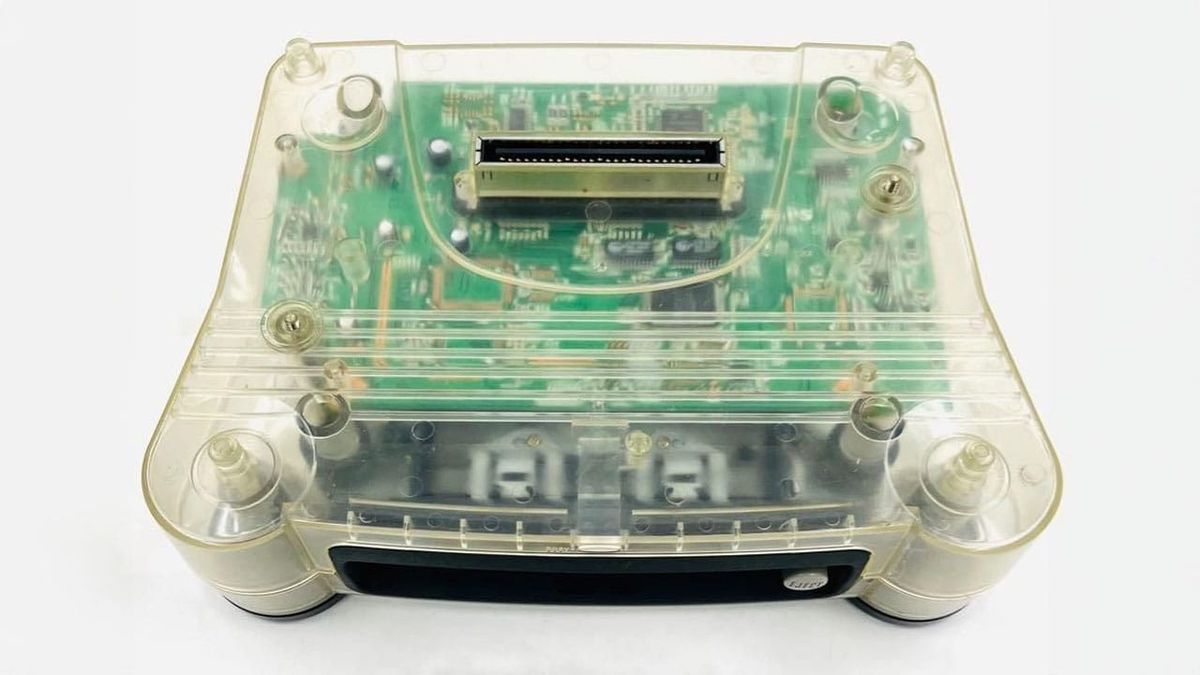
Now, decades after its commercial demise, a newly surfaced artifact has reignited the retro gaming community: a rare, transparent prototype of the Nintendo 64DD that recently sold at a Japanese online auction for an eye-watering $7,000 USD. Brought to light by the retro preservation and hardware documentary channel Hard4Games, and meticulously archived by preservationist and researcher LuigiBlood (operating as Yakumono on Bluesky), this non-functioning prototype offers an unprecedented look into Nintendo’s hardware iteration processes during the late 1990s. Despite commanding a luxury-tier price tag for what is essentially a high-end plastic paperweight, the discovery underscores the soaring cultural and financial value of video game archaeology.
Detailed Chronology: From Vaporware Promise to Auction House Discovery
To understand the magnitude of this recent discovery, one must trace the turbulent timeline of the 64DD, from its initial announcement to its modern-day resurrection in the collector’s market.

Phase 1: The Shoshinkai 1995 Genesis
When Nintendo first unveiled the "Nintendo 64" (then codenamed the Ultra 64) alongside its peripheral disk drive at the Shoshinkai software exhibition in late 1995, the industry was captivated. Nintendo promised a hybrid architecture combining the rapid load times and durability of ROM cartridges with the expansive data storage—up to 64 megabytes per magnetic disk—of floppy-style media. The 64DD was slated to handle massive role-playing games, sprawling expansion packs, user-generated content, and sophisticated data-tracking features like real-world time progression.
Phase 2: Delays and the Shift in Media Paradigms
What followed was a masterclass in development hell. Originally projected for a late 1996 or 1997 release, the 64DD was repeatedly pushed back as developers struggled with the limitations of magnetic storage media in an era where CD-ROMs were becoming the industry standard. By the time the peripheral limped onto the Japanese market in late 1999—distributed primarily through a mail-order subscription service named Randnet—the base Nintendo 64 was already facing imminent displacement by the upcoming generation of hardware, most notably Sony’s PlayStation 2 and Sega’s Dreamcast.
Phase 3: Commercial Failure and De-evolution
The commercial metrics were catastrophic. Only a fraction of the projected units were manufactured, and the software pipeline dried up after just ten titles were commercialized, including Mario Artist, F-Zero X Expansion Kit, and SimCity 64. Nintendo quietly terminated the service in 2001, leaving behind a graveyard of canceled games and hardware prototypes that scattered across Japanese liquidations, employee asset sales, and private collections.
Phase 4: The 2026 Transparent Prototype Emergence
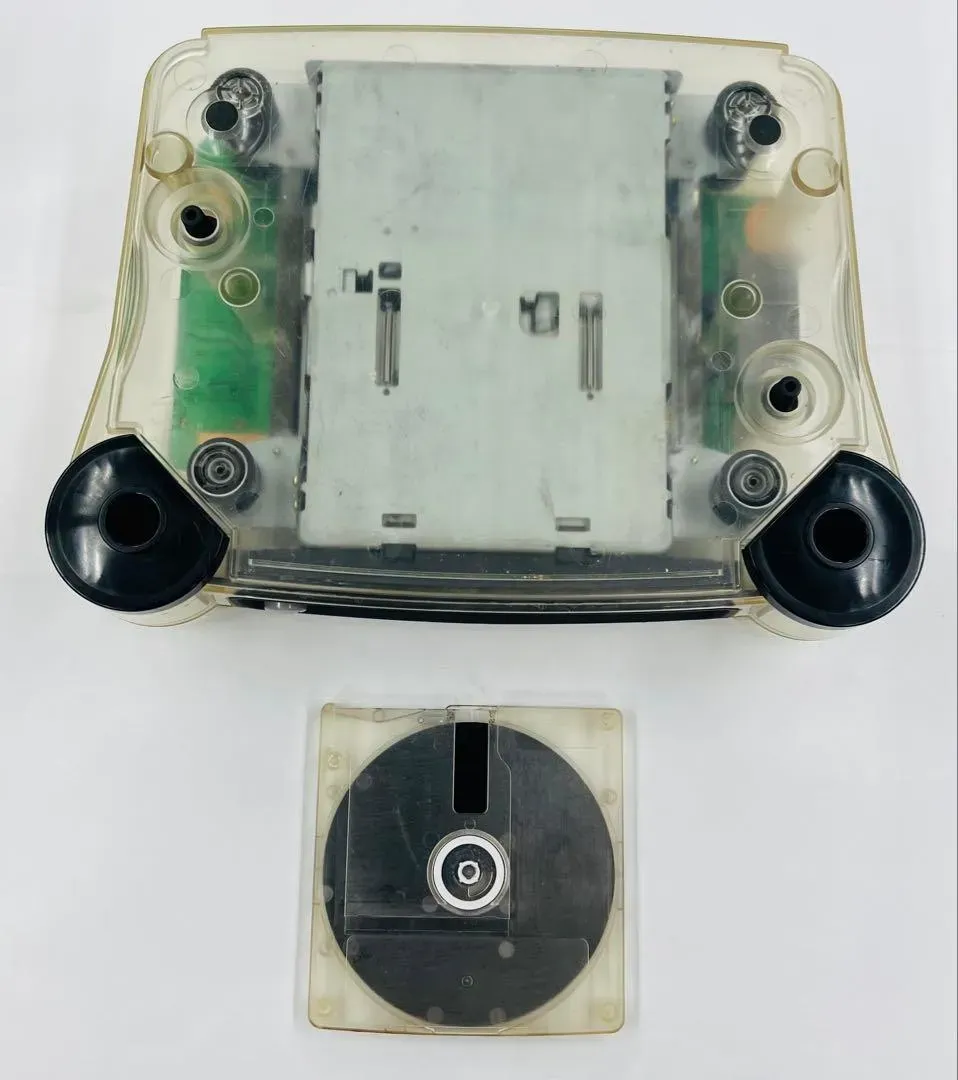
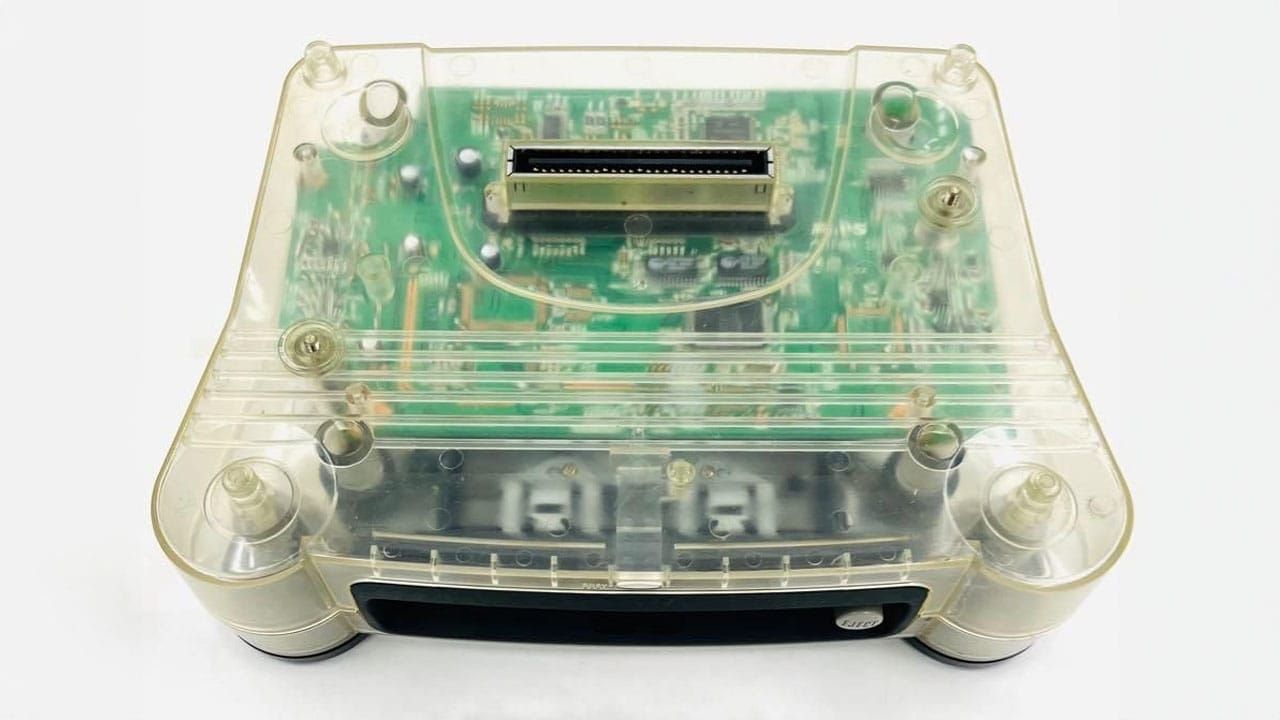
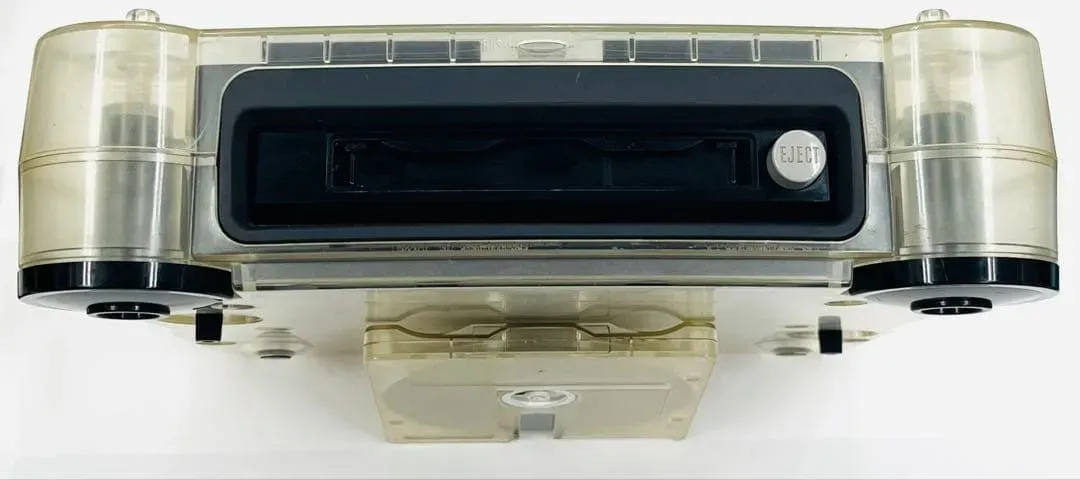
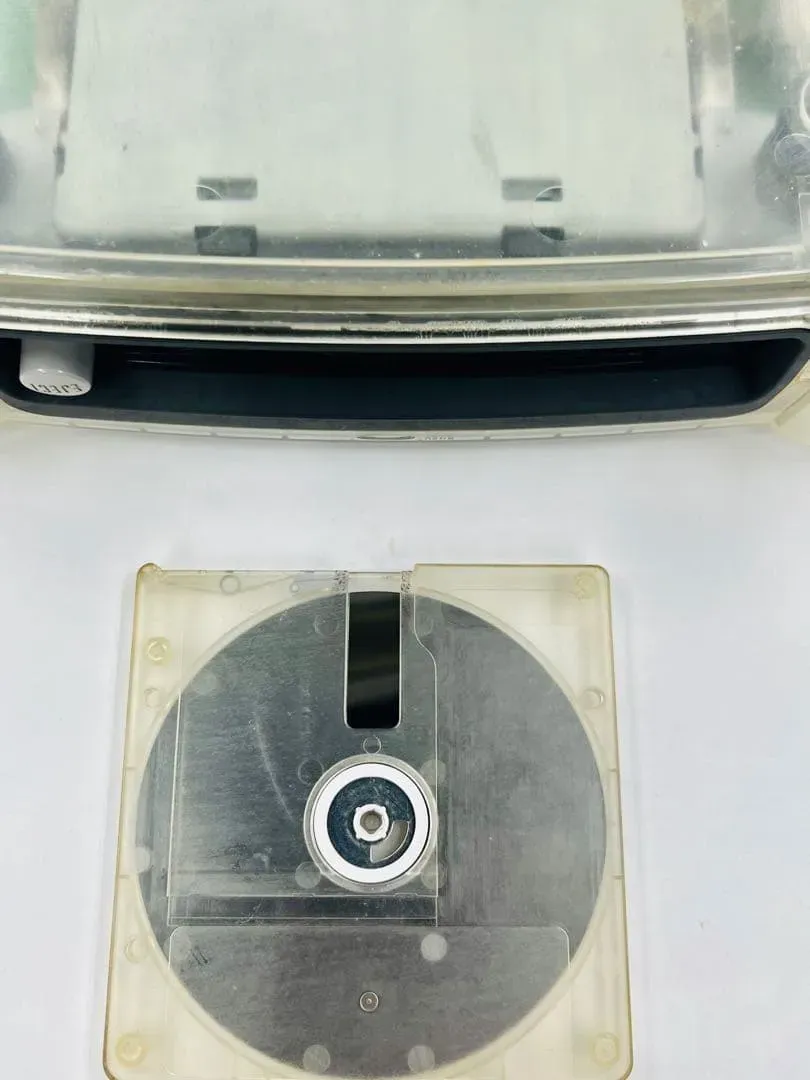
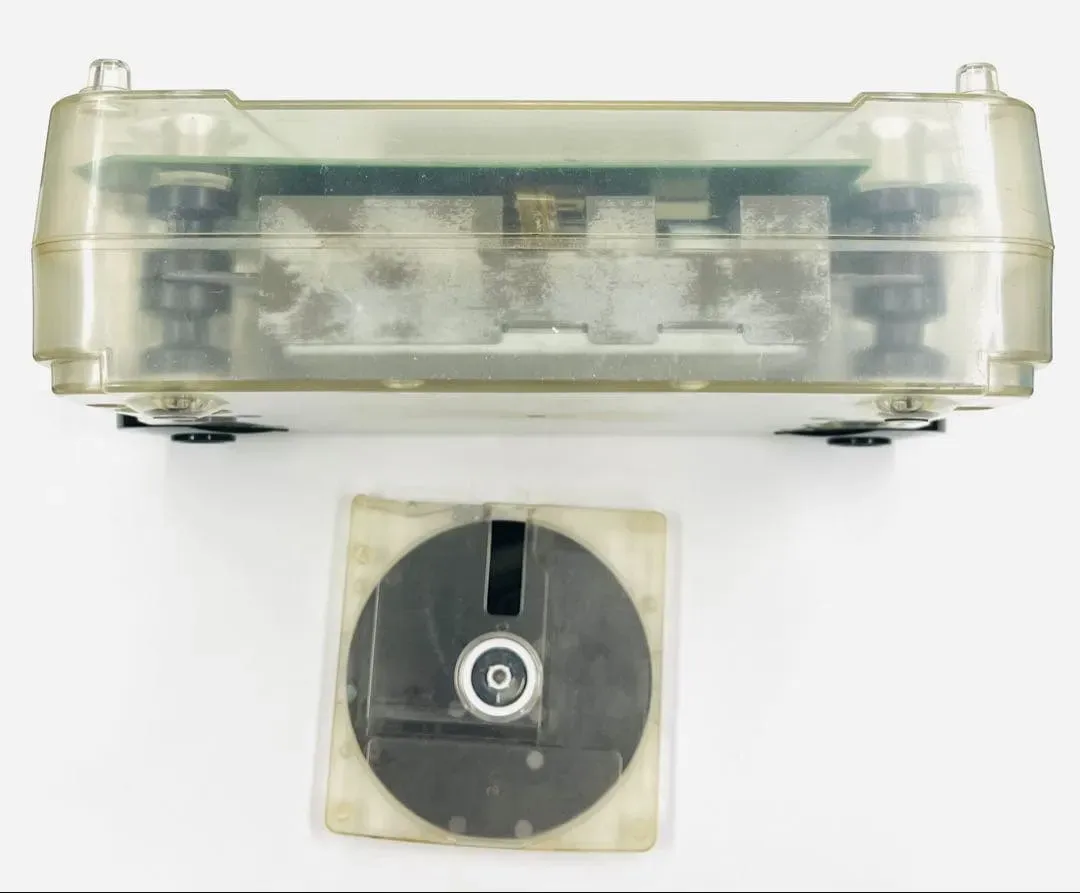
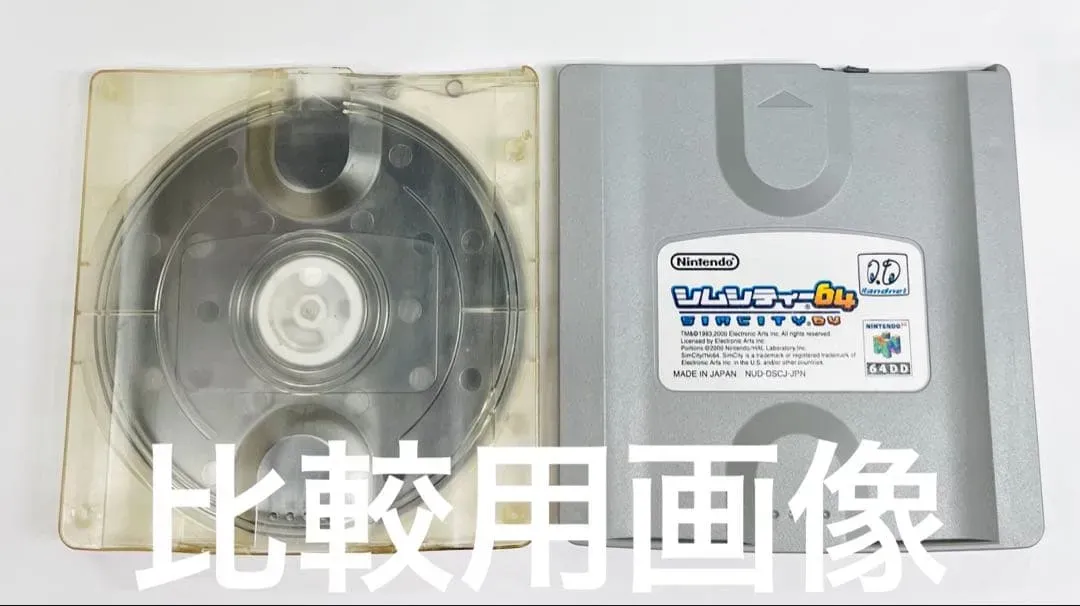
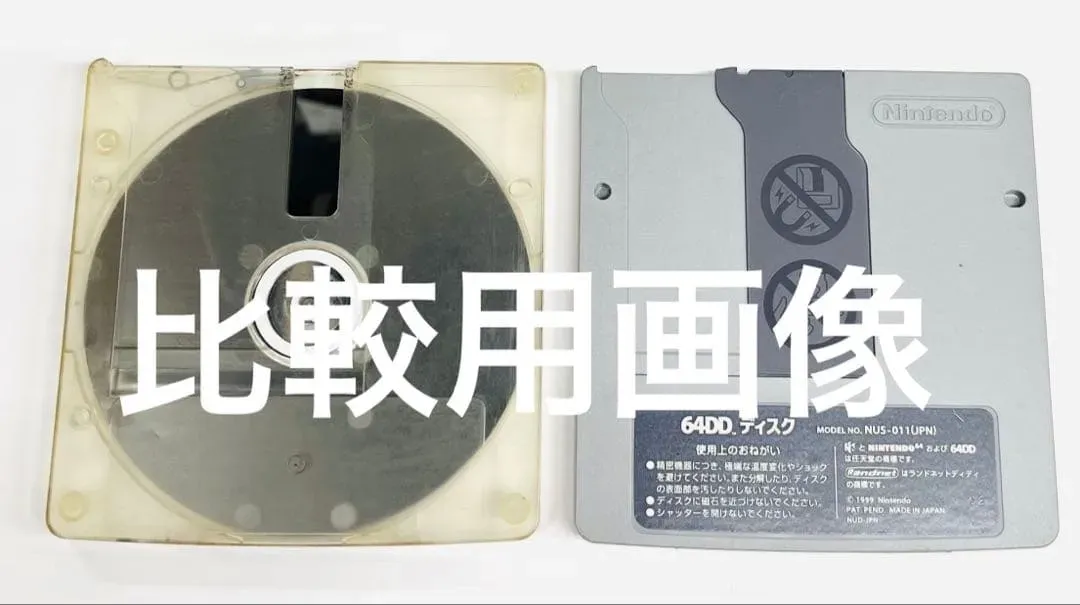
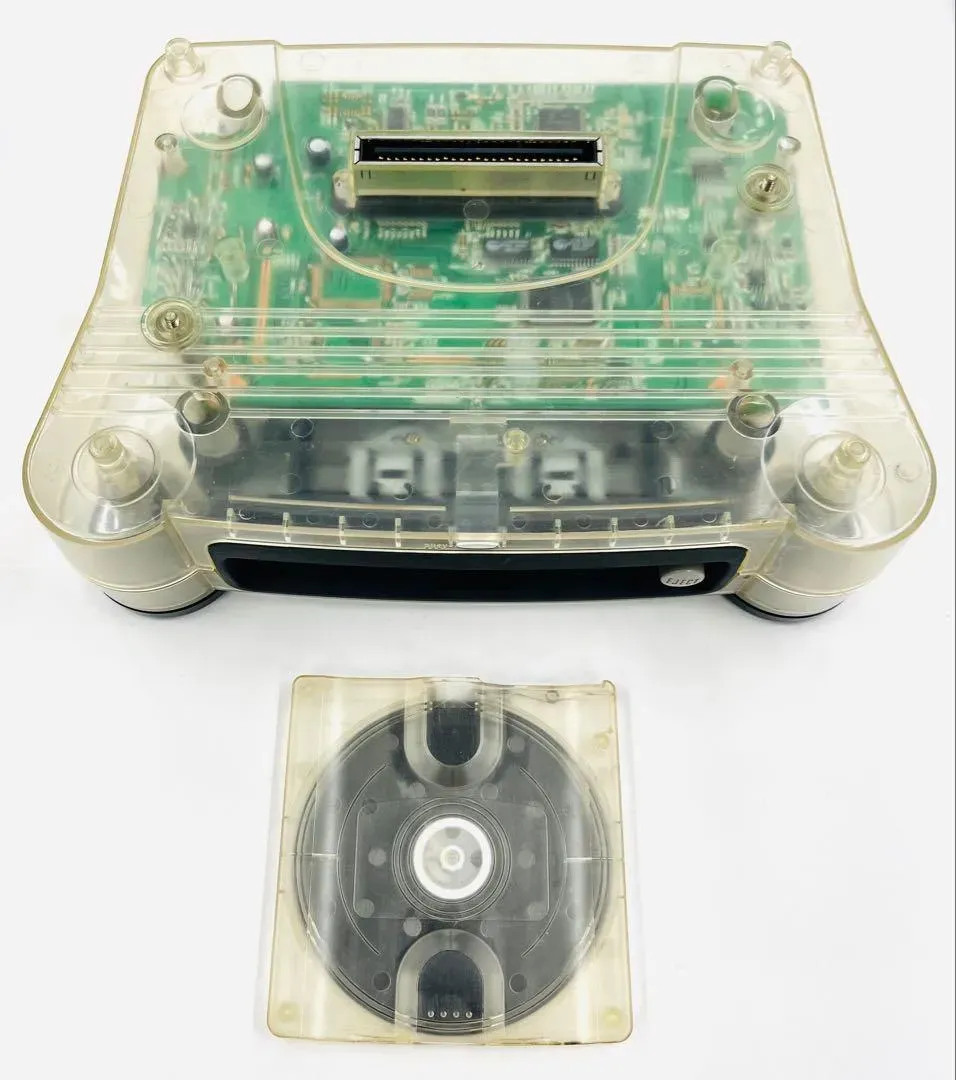
Fast-forward to August 2026. A Japanese online auction quietly listed an unusual item: a transparent, clear-plastic prototype shell of the Nintendo 64DD. Unlike standard retail units—which sported a dour, opaque black industrial design meant to match the standard N64 console—this prototype featured a translucent chassis exposing the internal metal shielding, proprietary drive mechanisms, and structural supports.
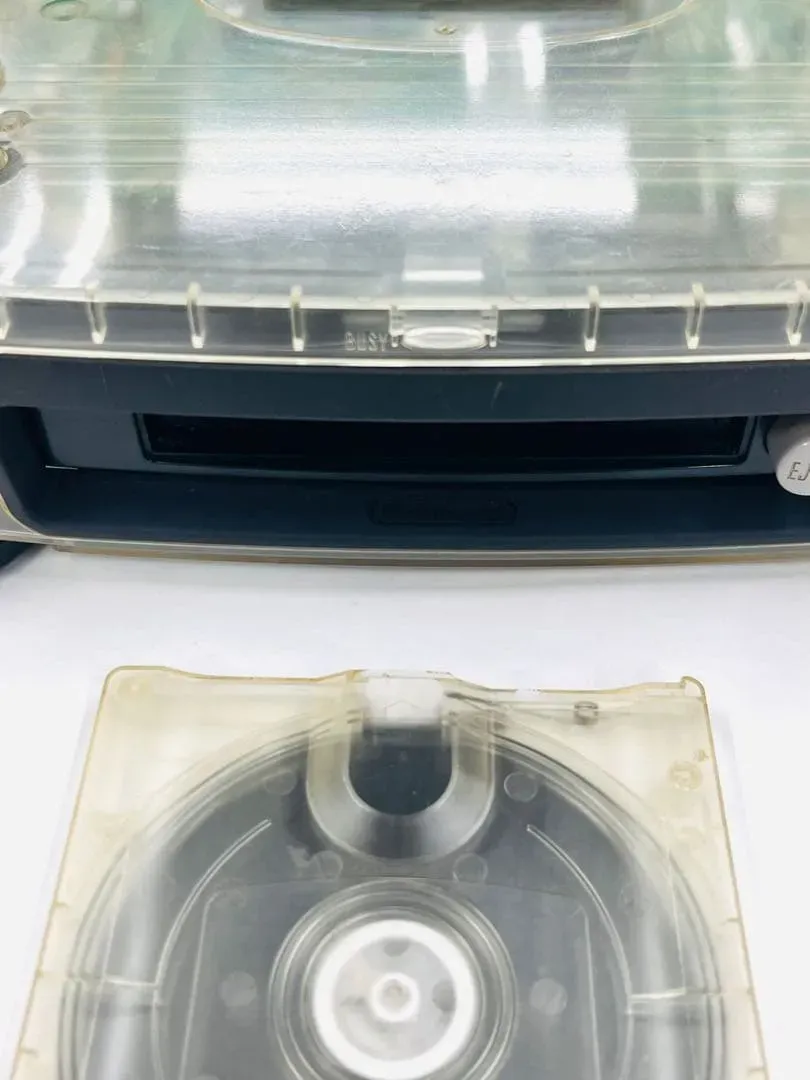
The listing caught the attention of Western preservationists almost immediately. Before the auction listing vanished from the platform, eagle-eyed researcher LuigiBlood (Yakumono) secured a complete high-resolution archive of the unit’s imagery. Shortly thereafter, the hardware documentation channel Hard4Games featured the item in a dedicated YouTube broadcast, detailing its sale price of $7,000 USD and analyzing the mysteries surrounding its hardware state and accompanying media.
Supporting Context & Metrics: Analyzing the $7,000 Non-Working Ornament
A transaction of $7,000 for a broken piece of plastic demands rigorous market and technical analysis. In the realm of vintage computing and rare console collecting, valuation is driven by scarcity, historical provenance, and community demand.
The Physical Condition and Authenticity Debate
Initial skepticism surrounding the auction centered on whether the transparent 64DD was an authentic Nintendo R&D prototype or a modern, custom-fabricated replica shell produced by a hobbyist using 3D printing or custom injection molding. However, consensus among veteran collectors quickly leaned toward authenticity for several key reasons:
- Natural Material Degradation (Yellowing): High-grade plastics utilized in late-90s consumer electronics—particularly clear or translucent formulations—are notoriously susceptible to ultraviolet light exposure, resulting in a distinct yellowed patina over decades. The physical photographs display authentic yellowing patterns consistent with aging industrial ABS or polycarbonate plastics from the 1990s rather than fresh resin prints.
- Internal Engineering Constraints: The internal structural ribs, screw posts, and molding marks match authentic Nintendo factory tooling specifications rather than aftermarket knock-offs.
- Non-Functional Status: Replicas built by enthusiasts are frequently crafted to display working mechanisms or modern restorations. The fact that this unit is entirely non-functional heavily points toward an early engineering sample, display mockup, or discarded factory reject that was never engineered for consumer operation.
Comparative Market Value Metrics
To contextualize the $7,000 price tag, consider the broader valuation metrics of Nintendo 64 hardware anomalies:
| Item Description | Historical / Estimated Value | Rarity Tier | Operational Status |
|---|---|---|---|
| Standard Retail 64DD (Loose) | $800 – $1,500 USD | Uncommon (Import) | Functional |
| Randnet Starter Kit (Complete in Box) | $2,500 – $4,500 USD | Rare | Functional/Collectible |
| Development/Debugging Cartridges (N64) | $1,000 – $3,000 USD | Extremely Rare | Varies |
| Transparent 64DD Prototype (2026 Auction) | $7,000 USD | One-of-a-Kind / Ultra Rare | Non-Functional |
That a non-working prototype commanded more than double the price of a pristine, operational retail unit speaks volumes about the shifting nature of the retro market. Collectors are no longer merely buying items to play games; they are acquiring museum-grade industrial artifacts that tell the story of video game engineering history.
Official Statements and Community Perspectives
The unearthing of the transparent 64DD prototype has triggered widespread discourse across preservationist forums, social media networks, and specialized retro gaming outlets.
The Preservationist Dilemma: LuigiBlood (Yakumono)
LuigiBlood, renowned within the community for reverse-engineering the 64DD operating system, Randnet servers, and proprietary floppy disk formats, emphasized the importance of salvaging visual data before rare listings disappear into private, opaque collections. By quickly archiving the auction images, Yakumono ensured that comparative analysis of the internal shell layout could be cataloged for hardware historians.
The Content Creator Perspective: Hard4Games
In their breakdown of the hardware, the Hard4Games team focused heavily on the surrounding folklore of the prototype, including speculation regarding the unverified disk bundled or associated with the listing. They noted:
"It’s extraordinary to watch pieces of Nintendo’s corporate history emerge from private Japanese collections decades after the fact. While paying seven grand for a broken piece of plastic might seem absurd to the casual observer, in the rarefied air of high-end prototype collecting, you are paying for a physical piece of gaming folklore that simply cannot be replaced."
Editorial Reflection: Sebastian Santabarbara (Retro Dodo)
Reflecting on the discovery, retro gaming journalist Sebastian Santabarbara described the item as the ultimate expression of his personal "white whale"—a legendary piece of hardware he has spent decades reading about without ever touching. Highlighting the irony of the purchase, Santabarbara observed:
"The console itself isn’t actually working, making this one of the most expensive Nintendo ornaments in history. But for whoever laid down $7,000, it represents the crown jewel of N64 collecting. We can only hope they eventually find a way to restore it, bringing one of the most unique hardware variants of all time back to life."
Future Outlook: The Preservation of Corporate Hardware History
As video games transition increasingly into a digital-first, cloud-based ecosystem, physical hardware artifacts from the analog and early-digital eras carry profound cultural weight. The discovery and sale of the transparent 64DD prototype highlight several emerging trends in the retro gaming landscape for the years ahead:
- The Institutionalization of Private Collections: As historical items appreciate into the tens of thousands of dollars, access to rare prototypes is increasingly restricted to high-net-worth private collectors, raising concerns among archival preservationists who fear these items may remain hidden away from public view or technical analysis.
- Advancements in Reverse Engineering & Restoration: Specialized communities centered around figures like LuigiBlood continue to push the boundaries of what can be learned from dead hardware. Even non-functional shells provide critical CAD-comparative data, shell-molding insights, and structural blueprints that help emulator and hardware-clone developers understand Nintendo’s physical design philosophies during the transition from the 16-bit era to 3D polygons.
- The Rising Value of "Vaporware" Ephemera: Items tied to unfulfilled promises—such as the 64DD, the Sega Neptune, or the Nintendo PlayStation prototype—continue to outperform traditional software and standard hardware in auction houses. They represent the romanticism of what could have been, capturing the imagination of a generation that grew up reading print magazines about speculative future technology.
Ultimately, whether the anonymous buyer of the $7,000 transparent 64DD keeps it as a high-end display piece or commissions a daring electrical restoration, its emergence from the shadows of Japanese auction sites ensures that a forgotten chapter of Nintendo’s hardware evolution has been successfully captured, documented, and preserved for future generations of gaming historians.