Into the Radius 2 Enters the PlayStation Ecosystem: CM Games Brings Its Acclaimed Survival Shooter to PSVR 2
Executive Overview
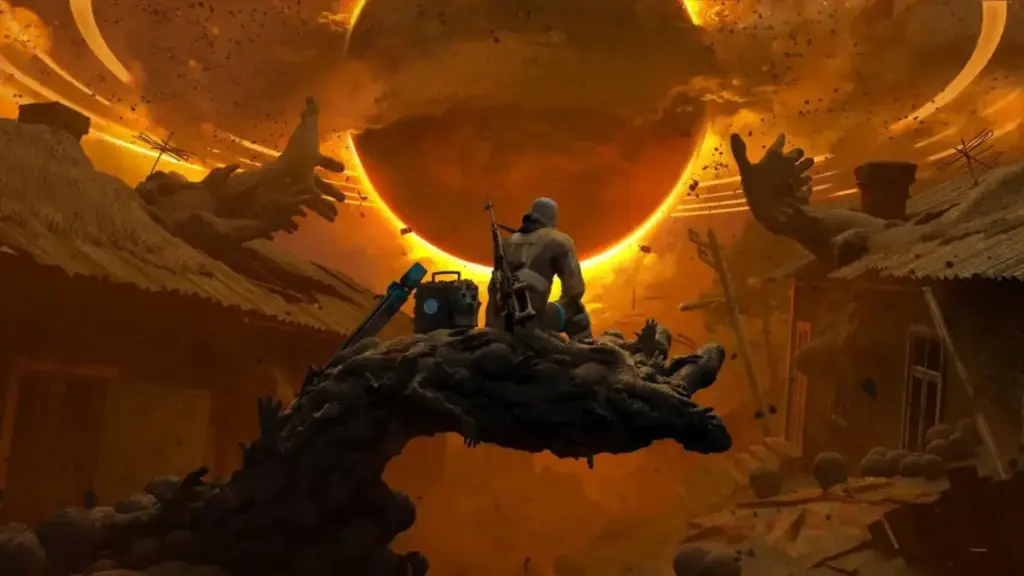
The virtual reality landscape is poised for another masterclass in atmospheric dread and tactical survival. Developer and publisher CM Games has officially announced that Into the Radius 2, the highly anticipated sequel to its genre-defining VR survival shooter, will launch for the PlayStation VR2 (PSVR 2) on September 24. This upcoming release marks a critical milestone for the franchise, expanding its reach onto Sony’s flagship hardware platform just weeks after its debut on Meta Quest.
For VR enthusiasts and survival horror purists alike, the arrival of Into the Radius 2 on PSVR 2 represents more than a simple platform port. It signals the bringing of a deeply complex, uncompromising PC VR experience to console-based virtual reality, fully optimized to leverage the unique tactile and sensory capabilities of Sony’s ecosystem. Boasting a robust single-player campaign at launch, extensive weapon customization systems, a sprawling supernatural wilderness to explore, and a roadmap that includes future cooperative multiplayer support, the title aims to redefine what players can expect from immersive survival games on console VR.
As the virtual reality industry matures, hardware-specific optimizations have become the ultimate differentiator between mediocre conversions and definitive editions. CM Games has explicitly tailored this version to take full advantage of the PSVR 2 Sense controller haptics and headset feedback, ensuring that every weapon jam, ghostly anomaly encounter, and desperate reload carries visceral weight. With wishlisting now officially open on the PlayStation Store, the countdown has begun for players brave enough to step foot into the surreal, desolate expanse of the Pechorsk Security Zone.
Detailed Chronology: From PC VR Roots to the PSVR 2 Launch
The journey of Into the Radius 2 to the PlayStation VR2 is the culmination of a deliberate, phased rollout strategy executed by CM Games. Understanding the weight of this upcoming console release requires tracing the trajectory of the franchise from its experimental beginnings to its current status as a premier VR survival IP.
The Legacy of the Original Into the Radius
To appreciate what Into the Radius 2 brings to the table, one must look back at the original game released in 2020. Inspired by the seminal Soviet sci-fi novel Roadside Picnic (and the cinematic masterpiece Stalker it inspired), the original title established a benchmark for physical interaction in VR. It rejected arcade-style shooting in favor of granular mechanics: players had to manually magazine-load rounds, unjam bolts, clean weapons with oil and paper, and physically store maps and compasses in utility pouches.
The Sequels and Early Access Phase
Building upon this cult classic success, CM Games announced and subsequently released Into the Radius 2 into Early Access on PC VR platforms, allowing the community to directly influence its development. The studio focused heavily on expanding the world scale, refining the artificial intelligence of enemies, and upgrading the physics engine.
The Meta Quest and PSVR 2 Convergence
The closing months of 2024 and the latter half of 2025 mark the cross-platform expansion phase for the franchise. CM Games scheduled the full version release for Meta Quest on August 27, closely followed by the PSVR 2 launch on September 24. This tight window of releases indicates that the core development of the sequel has reached feature-complete status across major standalone and tethered platforms, paving the way for a unified community of survivors. While the single-player campaign is set to consume player attention at launch, the timeline extends well into late 2026, when the planned two-player cooperative mode is slated to arrive, fundamentally changing how players approach the horrors of the Radius.
Supporting Context & Metrics: Content, Mechanics, and Hardware Integration
Into the Radius 2 does not merely iterate on its predecessor; it multiplies the scale, danger, and depth of the survival loop. A closer examination of the metrics and feature sets reveals a game designed to test the limits of player resourcefulness and tactical competence.
Campaign Scale and Mission Structure
At launch on September 24, PSVR 2 players will gain immediate access to the full single-player narrative campaign. The content density is substantial, featuring:
- 10 Main Quests: A fully voiced, narrative-driven storyline that uncovers the mysteries hidden deep within the anomaly-riddled zones.
- 178 Side Missions: Varied objectives that challenge players to retrieve specific artifacts, eliminate high-threat targets, or map out hazardous sectors.
- 5 Security Levels: A progression system that gates access to higher-tier equipment, advanced weapons, and more dangerous operating zones as players prove their worth to the United Nations UNPSC organization.
World Design and Environmental Hazards
The game world is structured across three primary locations and two secondary sub-locations. These sub-locations dynamically unlock as the player progresses, rewarding thorough exploration and calculated risk-taking.
Survival within the Radius requires constant vigilance against a barrage of environmental and supernatural threats. Players must contend with:
- Distortion Zones: Unstable pockets of reality that can shred unwary explorers in seconds.
- Artifact Hunting: Valuable anomalous objects harvested at great personal risk to fund future gear acquisitions.
- Metabolic Management: Players must monitor their hunger and physical state, as exhaustion directly impacts performance in the field.
- Night Expeditions: The game’s terrifying nocturnal phase, where visibility drops to near-zero, forcing reliance on night vision devices, flare rockets, and dual-mode infrared (IR) lasers.
- 12 Distinct Enemy Types: A diverse roster of ghostly entities and biomechanical horrors that require different tactical approaches depending on the time of day and terrain.
Arsenal Depth and Maintenance Mechanics
Firearms are a player’s only true lifeline in the Pechorsk Security Zone. Into the Radius 2 features an expansive armory comprising over 50 firearms spread across 25 distinct weapon types. Customization is deeply integrated, allowing operators to modify their gear with attachments, spray paint, and stencils to suit personal preferences or mission profiles.
True to the franchise’s identity, gun ownership is labor-intensive. In the field, weapons are subject to wear and tear. Carbon buildup, dust, and environmental exposure will cause jams and misfires. Players must routinely clean and service their firearms mid-operation, transforming routine firefights into tense logistical puzzles where a dirty barrel can spell the difference between life and death.
Hardware Optimization: PSVR 2 Sense and Headset Feedback
Bringing a complex PC-grade survival shooter to the PlayStation VR2 required dedicated optimization. CM Games has confirmed that the PSVR 2 version utilizes custom programming for the PSVR 2 Sense controller haptics. This implementation ensures that weapon handling, the tactile resistance of triggers during a squeeze, the physical click of reloading magazines, and the jarring sensation of a weapon misfire feel profoundly realistic.
Furthermore, the integration of headset feedback introduces a brand-new sensory dimension. When powerful anomalies detonate nearby or environmental terror strikes, the physical vibration of the headset pulls the player deeper into the digital nightmare, making the dangers of the Radius closer and more visceral than ever before.
Official Statements and Industry Impact
The expansion of Into the Radius 2 onto PlayStation hardware highlights the growing commercial viability and technical capability of console virtual reality. While the early days of VR were heavily fractured between standalone headsets and tethered PC setups, platforms like the PSVR 2 have proven capable of delivering uncompromising, high-fidelity survival experiences.
Industry analysts have noted that CM Games’ decision to release the single-player campaign first, followed later by a co-op update, demonstrates a commitment to stability and polished performance. By ensuring the core survival loop functions flawlessly as a solitary, harrowing experience, the development team lays a rock-solid foundation for the social dynamics that cooperative play will eventually introduce.
Although CM Games has kept a tight lid on specific frame-rate and resolution metrics for the PSVR 2 build, the studio’s emphasis on utilizing native hardware features suggests a performance profile tailored to maximize visual clarity and smooth motion reproduction—two critical pillars for mitigating motion sickness in high-intensity VR survival games.
Future Outlook: Co-Op Horizons and Franchise Longevity
Looking beyond the September 24 launch, the future of Into the Radius 2 on PlayStation VR2 is anchored by one major upcoming feature: two-player cooperative gameplay, scheduled for release in Q4 2026.
While the original Into the Radius was strictly a solitary affair—a design choice that brilliantly amplified the psychological isolation and dread of the setting—the sequel is built from the ground up to accommodate shared survival. Exploring the shifting anomalies, coordinating crossfire against the game’s 12 enemy types, and managing shared resources with a trusted partner will fundamentally alter the gameplay loop. It shifts the experience from an exercise in pure existential terror to a tactical buddy-survival simulation reminiscent of modern tactical shooters, albeit steeped in surreal sci-fi horror.
As the virtual reality community prepares for the September launch, anticipation is reaching a fever pitch. Players eager to test their mettle against the anomalies can currently wishlist Into the Radius 2 on the PlayStation Store to secure their deployment orders ahead of time.
Whether venturing into the dark alone this autumn or waiting to brave the anomalies with a comrade in late 2026, the Pechorsk Security Zone awaits—and it shows no mercy to the unprepared.