For years, the action role-playing game (ARPG) genre has hummed along a familiar, well-trodden treadmill. Driven primarily by the monumental, generational success of Blizzard’s Diablo franchise—and later sustained by complex mechanical heavyweights like Grinding Gear Games’ Path of Exile—the genre has largely locked itself into a specific aesthetic and thematic vacuum.
For the veteran ARPG player, the routine has become second nature: click to move, clear a screen of reanimated skeletons, collect numerical upgrades, descend into dark and foreboding crypts, and repeat. While mechanically satisfying, the landscape has increasingly suffered from a severe lack of visual and cultural diversity. Gothic cathedrals, subterranean demon pits, blood-soaked cultist altars, and piles of decaying meat have saturated the market to the point of creative exhaustion.
Enter Tarae: The Unbound. Revealed during the Gamescom 2026 Opening Night Live montage, this striking new title immediately upended conventional expectations of what an isometric ARPG can look and feel like. Developed by studio Boundary and published by industry heavyweight Krafton, Tarae: The Unbound aims to shatter the monochromatic monotony of Western dark fantasy by injecting rich, mesmerizing Eastern mythology, folklore, and traditional aesthetics into the genre’s core DNA.
Rather than relying on the familiar tropes of medieval European demonology, Tarae transports players into a hauntingly rendered world where sacred Buddhist architecture collides with grotesque mythological horrors plucked directly from East Asian folklore. By marrying intricate Eastern philosophies—such as the Five Elements, Yin and Yang, and the karmic cycle of reincarnation—with fast-paced, high-density ARPG combat, Boundary and Krafton are positioning the game as a vital, highly anticipated palate cleanser for a genre primed for reinvention.
Detailed Chronology: From Concept to Gamescom Reveal
The journey of Tarae: The Unbound to the global stage was marked by calculated secrecy, culminating in its breathtaking debut at Gamescom 2026. While the project has been gestating within the walls of developer Boundary under the backing of publisher Krafton, initial whispers of the game began to circulate internally within Korean development circles years prior.
The Evolution Under Boundary and Krafton
Boundary, a studio previously recognized for its technical ambitions and sharp eye for atmospheric world-building, shifted its focus toward redefining the isometric role-playing space. Recognizing that the market was heavily saturated with dark gothic iterations of hack-and-slash titles, the leadership team sought to leverage their cultural heritage to construct an entirely fresh visual and mechanical framework.
Krafton, known globally for steering massive multiplayer phenomena like PUBG, stepped in as publisher, providing the substantial financial and logistical backing necessary to bring a AAA-tier isometric ARPG to life. The partnership signaled Krafton’s continued diversification strategy, investing deeply in single-player and co-operative narrative-driven experiences with distinct cultural identities.
The Gamescom 2026 Breakthrough
The turning point for public awareness occurred during the Opening Night Live broadcast at Gamescom 2026. Amid a rapid-fire montage of high-profile industry trailers, a few fleeting seconds of Tarae: The Unbound managed to instantly captivate viewers and revitalize jaded ARPG veterans.
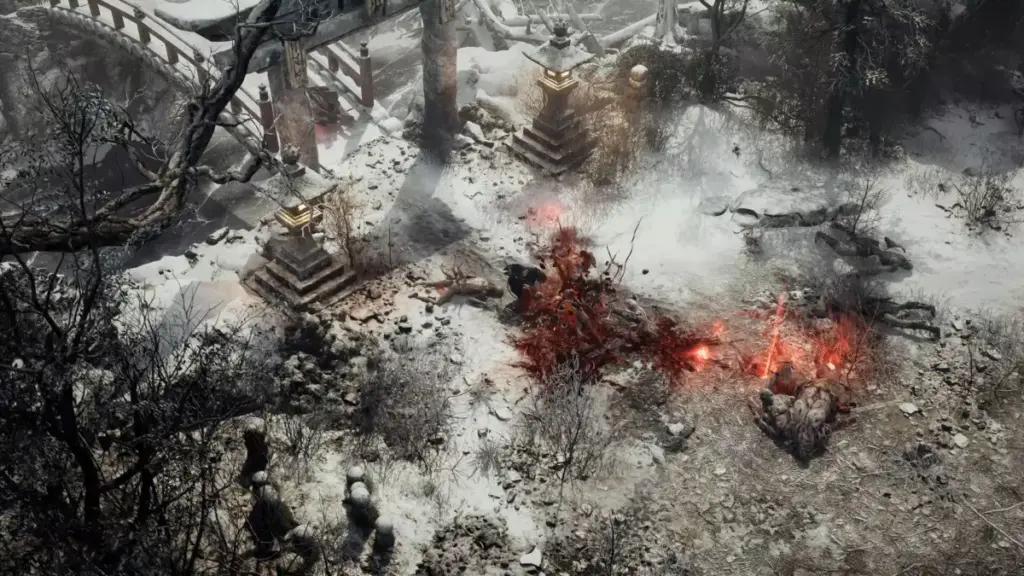
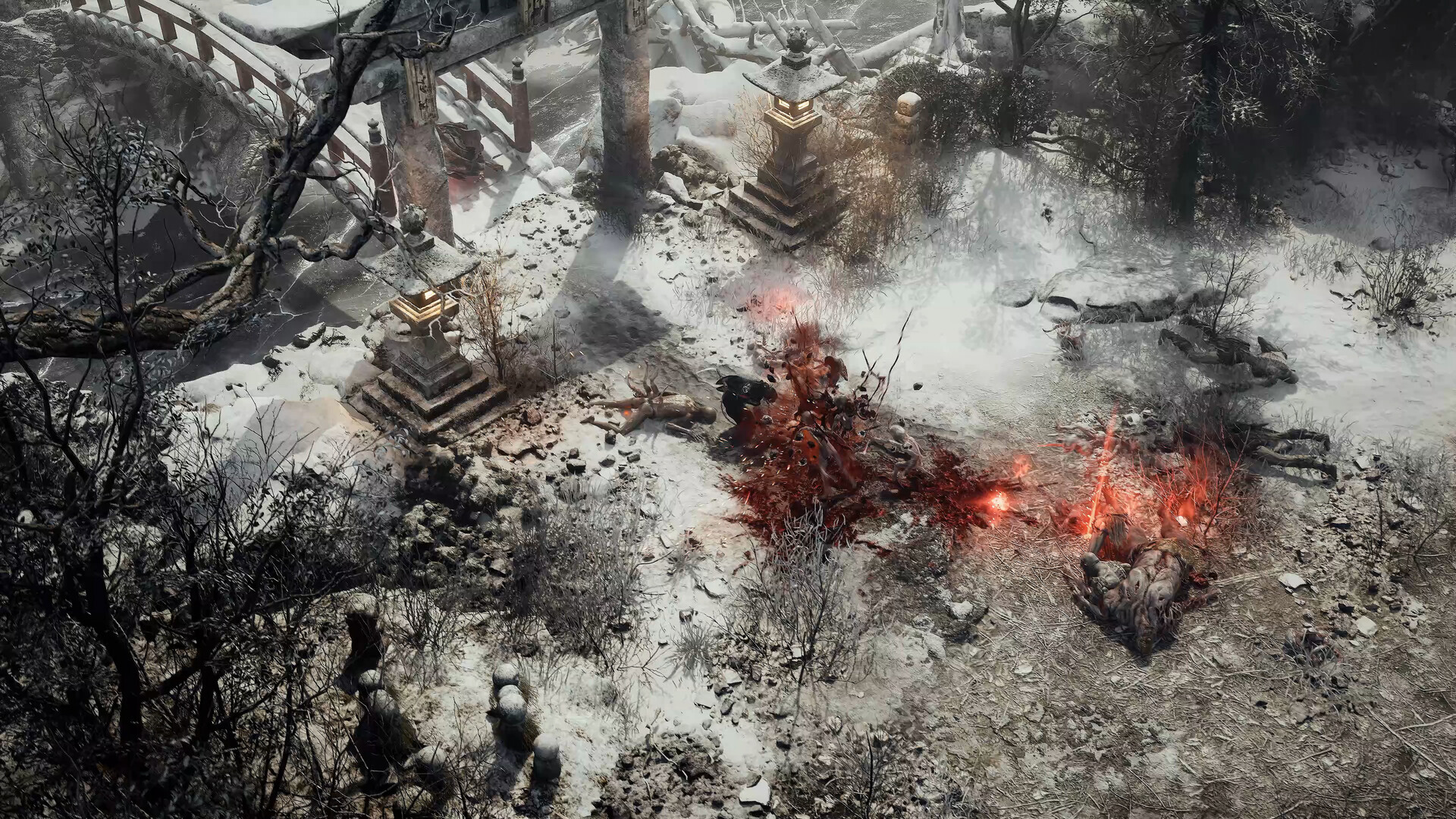
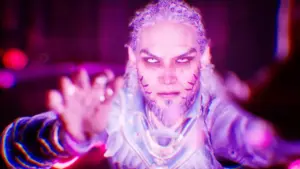
The brief footage showcased an explosive clash of cultures and combat styles: player characters dashing through ornate, weather-beaten Buddhist shrines, unleashing devastating elemental spells, and going toe-to-toe with colossal, multi-limbed centipede creatures and bosses bearing the haunting, elongated features of traditional East Asian yokai and ghost stories.
Immediately following the broadcast, the official Steam page for Tarae: The Unbound went live, offering eager fans their first deep dive into the game’s official lore, screenshots, and core design pillars. Although the studio has yet to commit to a firm launch window—keeping it distinctly apart from late-year blockbusters like Path of Exile 2‘s December rollout—the sudden visibility has firmly planted Tarae on the radar of every serious enthusiast of the genre.
Supporting Context & Metrics: Reimagining the ARPG Palette
To fully understand the significance of Tarae: The Unbound, one must analyze the current state of the ARPG market and the distinct structural choices Boundary is making to differentiate its product.
The "Diablo-Clonage" Fatigue
For nearly three decades, the isometric ARPG genre has operated under a standardized visual and thematic checklist:
The Color Palette: Dominated by desaturated grays, muddy browns, deep crimsons, and sickly greens.
The Bestiary: Skeletons, zombies, horned demons, cultists in hooded robes, and monstrous spiders.
The Environment: Dungeons, crypts, ruined medieval castles, and blighted wasteland swamps.
While these tropes work exceptionally well for establishing a bleak atmosphere, repetition has bred complacency. Players who have spent thousands of hours clicking through endless corridors of decaying flesh have begun experiencing aesthetic fatigue. Tarae directly addresses this systemic issue by replacing the gothic wasteland with vibrant, sacred spaces—intricate temples, misty mountain passes, and ethereal planes heavily inspired by Eastern cosmological art.
The Mechanics of Lore: Elements, Yin-Yang, and Karma
What elevates Tarae beyond a mere visual reskin is how deeply its world-building is integrated into its mechanical systems. According to development updates and official Steam documentation, the game anchors its progression and build-crafting around ancient philosophical constructs:
The Five Elements (Wu Xing): Wood, Fire, Earth, Metal, and Water dictate magical affinities, environmental interactions, and offensive capabilities.
Yin and Yang: A dualistic balance system that influences character states, defensive trade-offs, and critical combat thresholds.
Karma and Reincarnation: Serving as the narrative and mechanical anchor for progression, dictating how character growth, equipment synchronization, and endgame loops operate.
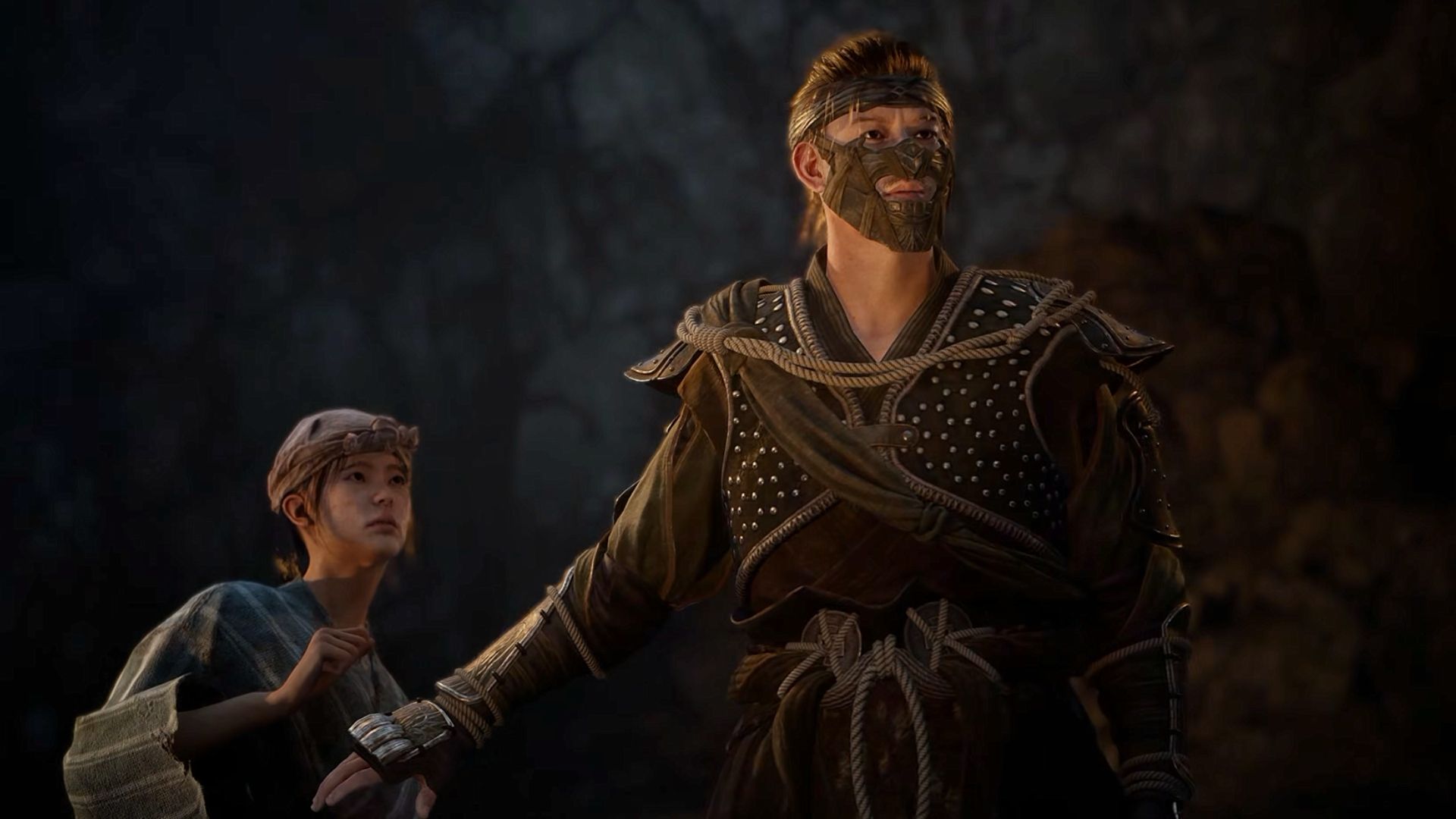
Boundary has promised an exceptionally deep build-crafting ecosystem. Even within a singular character archetype, the interplay of these philosophical systems ensures that no two builds will play identically. A prime example highlighted in initial promotional material is the game’s unique interpretation of historical weaponry: an older warrior class wielding a matchlock gun that doesn’t just fire conventional lead bullets, but rapidly discharges explosive, volatile firebombs—blending historical aesthetics with fantastical, over-the-top combat spectacle.
Official Statements and Developer Insights
While formal press conferences at Gamescom provided the sizzle, the official documentation released by Boundary and Krafton offers a clearer view of the design philosophy steering Tarae: The Unbound.
In a statement accompanying the game’s initial storefront launch, Boundary’s design team emphasized their desire to honor traditional folklore while modernizing the visceral feedback loop expected from top-tier action RPGs:
"We set out to create a world that reimagines Eastern myth, folklore, and traditional aesthetics, where beauty and mystery are entwined with darkness and brutality. The balance and conflict of the Five Elements, the harmony of Yin and Yang, karma and the cycle of reincarnation all shape your leveling, equipment, and combat style. We want players to feel the weight of history and myth with every swing of a weapon and every spell cast."
Industry analysts observing Krafton’s publishing strategy have noted that Tarae represents a calculated pivot toward capturing a global audience through distinctly regional mythology—a formula that has seen massive international success in recent years with titles like Black Myth: Wukong. By pairing this cultural richness with the universally understood, highly addictive loop of isometric ARPG combat, Krafton is betting that Western and Eastern audiences alike are hungry for a departure from traditional Western dark fantasy.
Future Outlook: The Dawn of the "K-Diablo" Era
As the industry looks ahead, the release landscape for action role-playing games is shaping up to be fiercely competitive. With massive tentpole titles like Path of Exile 2 securing definitive late-year release dates and ongoing live-service giants constantly updating their seasonal content, breaking through the noise requires more than just functional gameplay—it demands a distinct identity.
Tarae: The Unbound possesses that identity in spades. By fusing high-fidelity isometric combat with an underrepresented cultural aesthetic, Boundary has tapped into a wellspring of untapped creative potential.
However, significant challenges remain on the horizon. Translating complex philosophical concepts like the Five Elements and karmic reincarnation into satisfying, responsive gameplay mechanics is no small feat. Balancing depth with accessibility will determine whether Tarae becomes a passing visual novelty or an enduring pillar of the modern ARPG pantheon.
Furthermore, with no official release date announced yet, fans will have to exercise patience. The lack of a concrete launch window suggests that Boundary is taking the necessary time to refine its ambitious build-crafting systems and polish its striking art direction.
For players who felt their passion for clicking on hordes of monsters slowly fading away, Tarae: The Unbound arrives as a much-needed shot of adrenaline. It proves that the isometric ARPG format still has plenty of uncharted territory left to explore—so long as developers are willing to look beyond the crypt and into the myth.