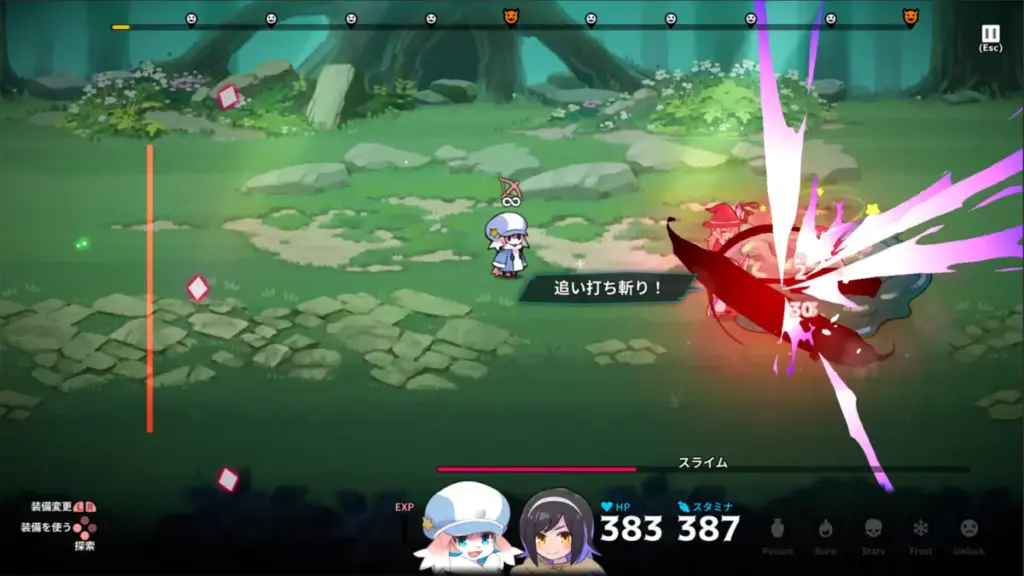
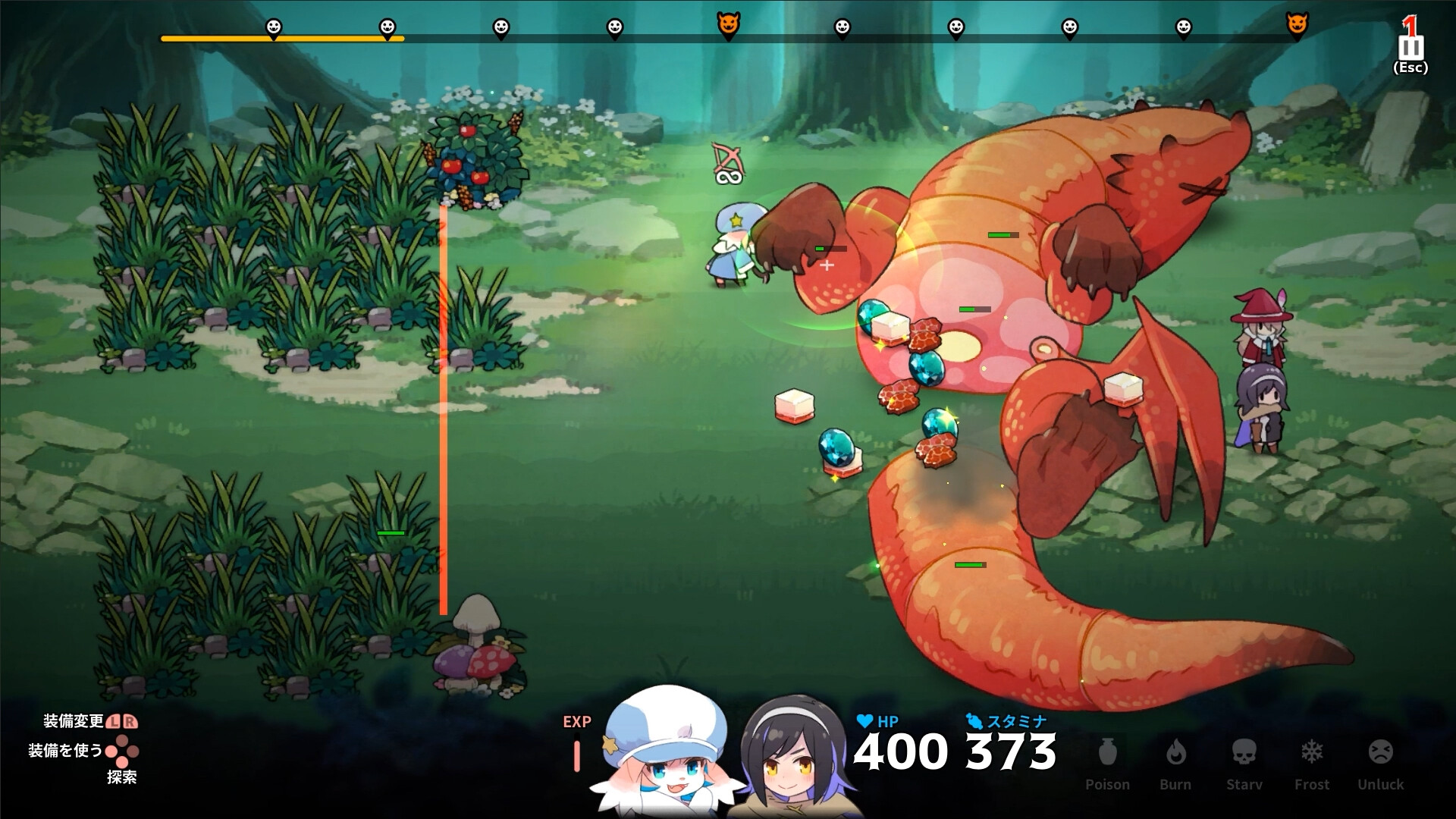
The survival action genre has long been defined by a relentless cycle of scavenging, combat, and resource management. Players are typically cast as lone wolves or battle-hardened squad leaders, forced to swing swords, fire automatic weapons, and craft makeshift armor to survive hostile environments. However, indie development continues to push the boundaries of conventional game design by subverting established tropes. Enter Abyss Kitchen, a fresh and inventive survival action title that shifts the player’s primary focus away from the frontline trenches and places them directly into the heart of a high-stakes field kitchen.
Developed as a unique cooperative and tactical experience, Abyss Kitchen redefines the traditional support role. Rather than charging headfirst into hordes of grotesque monsters wielding heavy melee weapons, players assume the mantle of battlefield chefs. Operating just behind the frontline, your primary objective is to harvest environmental resources, butcher fallen enemies, and rapidly whip up culinary masterpieces that grant critical buffs—such as HP recovery and augmented attack power—to your combat-focused teammates.
While the kitchen may be your operational base, safety is never guaranteed. Stationed directly on active battlefields, players are equipped with a dependable bow for ranged self-defense and must occasionally drop their spatulas to join defensive formations against overwhelming enemy waves. Following its recent, highly praised hands-on showcase at Hyper Japan, Abyss Kitchen has officially launched on Steam, inviting players worldwide to test their multitasking mettle. This comprehensive feature explores the mechanics, strategic depth, and innovative design choices that make Abyss Kitchen one of the most intriguing genre-blending titles of the year.
Detailed Chronology: From Concept to Convention and Launch
The journey of Abyss Kitchen from an ambitious concept to a fully realized Steam release reflects the dynamic growth of the indie gaming landscape. While survival action games have dominated digital storefronts for over a decade, developers face an ongoing challenge: how to innovate within a saturated market without alienating core genre enthusiasts.
The Evolution of the Support Class
Historically, support roles in cooperative survival games have been relegated to secondary status—often translating to passive healing spells, slow inventory management, or ammunition hauling. The creators of Abyss Kitchen sought to elevate this dynamic by turning support into an active, high-pressure art form. Conceptualized as a blend of frantic time-management cooking mechanics and tactical battle-management, the game was built around a singular premise: what if the difference between victory and defeat on a fantasy battlefield relied entirely on the quality of a hot meal?
Early development focused heavily on balancing the pacing. The design team had to ensure that players managing the cooking pots felt just as engaged and pressured as the frontline fighters hacking away at towering monstrosities. This led to the introduction of dual-purpose environmental hazards and resources—such as slicing through towering, razor-sharp blades of grass and harvesting organic materials directly from freshly decimated foes.
The Hyper Japan Showcase
A pivotal moment in the game’s pre-launch campaign was its physical presence at Hyper Japan, one of the UK’s premier celebrations of Japanese culture, entertainment, and gaming. Attendees were given exclusive hands-on access to demo builds, allowing the development team to gather vital player feedback in real time.
The convention floor served as an ideal proving ground for Abyss Kitchen’s chaotic cooperative loop. Players unfamiliar with one another were thrust into high-stress scenarios where communication, role division, and rapid-fire decision-making were essential. The positive reception at Hyper Japan highlighted the game’s inherent arcade-like appeal: it is easy to pick up, inherently comedic in its frantic nature, and deceptively deep when tackling higher difficulties.
The Official Steam Release
Building on the momentum generated at convention circuits and digital showcases, Abyss Kitchen officially launched its digital doors on Steam. The release brings the complete gameplay loop to a global audience, complete with online cooperative features, refined balancing, and optimization. With its official launch trailer capturing the chaotic charm of battlefield gastronomy, the game has quickly established a dedicated community of players eager to master the culinary arts under fire.
Supporting Context & Metrics: Redefining the Survival Action Metagame
To truly appreciate what Abyss Kitchen achieves, it is necessary to examine the broader context of the survival action and cooperative multiplayer genres.
The Mechanics of Battlefield Gastronomy
At its core, Abyss Kitchen operates on a strict logistical loop that mirrors real-world military supply chains, albeit wrapped in a stylized, action-oriented package. The gameplay mechanics can be broken down into three foundational pillars:
Environmental Scavenging & Harvesting: The battlefield is not merely a stage for violence; it is a pantry. Players must navigate treacherous terrain to cut down dense, hazardous flora (such as giant blades of grass) and process defeated enemy entities. Every creature felled by your teammates yields specific organic ingredients.
Dynamic Recipe Management: Cooking in Abyss Kitchen is not a passive background action. Different dishes yield distinct tactical advantages. Quick-seared snacks might offer immediate, burst HP recovery to save a teammate from the brink of death, while slow-simmered stews could temporarily boost overall attack power or resilience against specific elemental enemy types. The chef must constantly analyze the state of the battle and prioritize recipes accordingly.
Ranged Combat & Defensive Positioning: A common pitfall in designing support roles is making the player feel entirely helpless when left unattended. Abyss Kitchen avoids this by arming the chef with a reliable bow. Furthermore, players cannot simply hide in a corner; they are required to integrate into tactical formations with their squadmates. Failure to maintain formation can result in enemy breakthroughs, rendering the kitchen defenseless and leading to swift party wipes.
Genre Subversion and Player Agency
For years, games like Overcooked have mastered the frantic, cooperative cooking genre, emphasizing spatial awareness and communication under extreme time constraints. Meanwhile, dark fantasy action RPGs have perfected the art of tense, skill-based combat. Abyss Kitchen brilliantly bridges these two disparate worlds.
By inserting the time-management pressure of a commercial kitchen directly into the path of a monster onslaught, the game creates a unique psychological load for the player. You are never detached from the danger; you can see the towering beasts your comrades are fighting just feet away, adding an atmospheric urgency that elevates the experience far above standard casual cooking simulators.
Official Statements and Developer Insights
While independent developers often rely on visual storytelling and gameplay demonstrations to communicate their vision, early developer commentary and community interactions surrounding Abyss Kitchen shed light on the creative philosophy driving the project.
Bridging Action and Management
Reflecting on the core design pillars during promotional events like Hyper Japan, the development team emphasized that Abyss Kitchen was born out of a desire to reduce player fatigue associated with constant, high-intensity hack-and-slash gameplay.
"We wanted to create an environment where players who prefer tactical awareness, logistics, and multi-tasking could shine just as brightly as those with lightning-fast combat reflexes," notes an early project overview. "In traditional games, the person who kills the boss gets all the glory. In Abyss Kitchen, the boss is just tomorrow’s special ingredient, and the chef orchestrating the supply line is the true unsung hero of the victory screen."
Community Reception and Feedback
Early players at Hyper Japan and subsequent Steam reviewers have lauded the title for its refreshing perspective. Reviewers have particularly highlighted the seamless integration of the bow-and-arrow mechanics, noting that it prevents the chef role from feeling monotonous or overly passive.
"It’s an entirely different kind of stress," shared one early playtester at Hyper Japan. "You aren’t worried about executing complex combo chains; you’re screaming at your screen because the soup is burning while a giant monster is trying to trample your stove. It’s brilliant fun."
Future Outlook: What’s Next for Abyss Kitchen?
Now that Abyss Kitchen is officially live on Steam (available to explore directly via its Steam Store Page), the focus for the development team shifts toward post-launch support, community engagement, and expansion.
Potential Roadmap Developments
Given the modular nature of cooperative cooking and survival games, the framework of Abyss Kitchen offers vast potential for future updates. Fans within the community have already begun speculating on potential additions, including:
New Biomes and Kitchen Environments: Expanding beyond the initial launch maps into more extreme environments, introducing unique regional ingredients and environmental hazards (such as freezing tundras or volcanic subterranean caverns).
Expanded Recipe Trees: Introducing complex, multi-stage culinary recipes that require coordinated inputs from multiple support players or specialized kitchen equipment.
New Enemy Types and Boss Mechanics: As players master the current roster of monsters, introducing advanced creature types with hyper-specific drop tables will keep the harvesting and cooking meta fresh and challenging.
The Long-Term Impact on Indie Game Design
Abyss Kitchen arrives at a time when gamers are increasingly fatigued by cookie-cutter releases and bloated live-service titles. By focusing on a tight, highly replayable, and cooperative gameplay loop that values non-traditional roles, the title serves as a shining example of creative innovation within the independent sector.
Whether you are a seasoned survival action veteran looking for a fresh cooperative challenge or a fan of chaotic culinary management games seeking higher stakes, Abyss Kitchen delivers an experience that is as flavorful as it is intense. Head over to Steam, grab your bow, sharpen your knives, and prepare to cook your way through the abyss.