The High Cost of Hype: Inside the Ongoing Saga of the Grand Theft Auto VI Leaks and Rockstar’s Internal Battle
Executive Overview
Few entertainment properties in human history command the breathless, global anticipation of Grand Theft Auto VI. As Rockstar Games inches closer to the release of what is universally projected to be the most lucrative and culturally impactful media launch of all time, the studio finds itself besieged not just by the immense pressures of game development, but by a persistent, high-stakes security crisis. The illicit dissemination of pre-release assets—ranging from early development footage and unrefined gameplay mechanics to aggressive extortion attempts and threats of major story spoilers—has thrust Rockstar back into the unwanted spotlight of cybersecurity breaches.
While the perpetrators chase infamy, monetization, and fleeting internet notoriety, the fallout extends far beyond the digital ether. Rockstar’s corporate response, characterized by stringent security overhauls and a controversial return-to-office mandate, has inadvertently placed a heavy burden on rank-and-file developers. These are creative professionals who bear zero responsibility for the security lapses yet find their daily work lives upended.
This deep dive examines the anatomy of the GTA 6 leaks, the aggressive legal measures deployed by Rockstar’s parent company Take-Two Interactive, the human cost borne by developers, and the historical perspective offered by industry veterans who view the current tempest as little more than a momentary storm in an otherwise unbreakable legacy.
Detailed Chronology: From the 2022 Megaleak to Modern Extortion
The Genesis of the Crisis: September 2022
The modern era of Rockstar’s security nightmare officially kicked off in September 2022. In what law enforcement and cybersecurity experts would later describe as one of the most damaging leaks in the history of the video game industry, a massive trove of confidential materials hit the internet. Roughly 90 video clips showcasing early development builds of Grand Theft Auto VI were uploaded to GTAForums by a user operating under the moniker "teapotuberhacker."
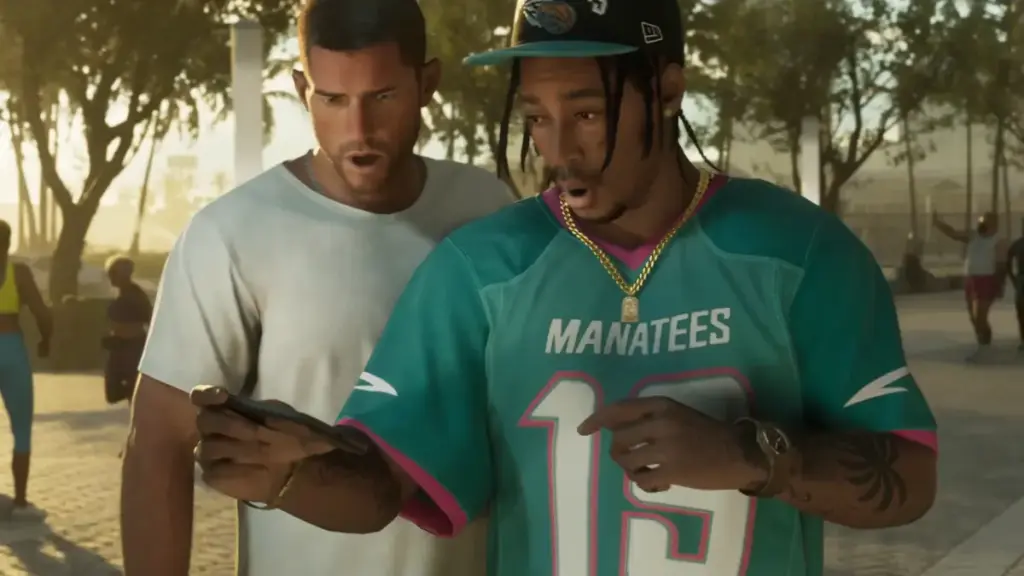
The footage laid bare an unpolished Vice City, featuring placeholder assets, test animations, and early iterations of the game’s dual protagonists, Lucia and Jason. While industry insiders immediately recognized the footage as authentic work-in-progress material—highlighting the iterative nature of software development—the general public reaction was mixed, with some uninformed commentators criticizing the graphical fidelity of a game that was still years away from completion.
The perpetrator, a teenager associated with the international hacking collective Lapsus$, was subsequently arrested and placed in a secure hospital facility under the UK’s Mental Health Act, temporarily halting the immediate threat but leaving internal security permanently scarred.
Escalation and the Rise of "Cyberleek"
Despite Take-Two Interactive’s aggressive legal posture and subsequent security clampdowns, the vulnerability persisted. In the months and years following the initial breach, malicious actors continually probed Rockstar’s network perimeters and third-party vendor platforms.
Most recently, the saga took an even more brazen turn with a shadowy figure known online as "Cyberleek." Rather than merely leaking clips for forum clout, this new iteration of bad actors weaponized the anticipation surrounding the game for direct financial gain. Reports surfaced detailing how Cyberleek began charging exorbitant fees—surpassing $165,000—for advertising space tied to upcoming leaks, effectively commercializing stolen intellectual property. Furthermore, these actors escalated their tactics by threatening to drop major narrative spoilers regarding Lucia’s storyline and showcasing granular, unreleased assets, including closely examined NPC models.
The Legal Counteroffensive
Faced with continuous provocations, Take-Two Interactive responded with the full force of its legal machinery. Rather than engaging in a war of words with anonymous online accounts, the publisher initiated sweeping legal maneuvers, issuing subpoenas to tech giants Microsoft and Discord. The goal of these subpoenas was clear: unmask the individuals operating behind the pseudonyms and trace the digital footprints of those illegally distributing proprietary build data.
Supporting Context & Metrics: The Human Cost at Rockstar Games
While the legal and financial ramifications for Take-Two Interactive are significant, the most profound impact of these security breaches has been absorbed by the developers themselves. Game development is an intensely collaborative, iterative, and high-pressure discipline that historically relied on a degree of workplace flexibility to attract and retain top-tier talent.
The Return-to-Office Mandate
In the wake of the September 2022 breach, Rockstar Games implemented an overarching security overhaul. Among the most disruptive policy changes was a stringent return-to-office mandate, effectively ending the hybrid and remote work arrangements that many developers had grown accustomed to following the COVID-19 pandemic.
For an industry plagued by burnout, crunch culture, and geographical displacement, the removal of remote work flexibility was viewed as a heavy blow. Insiders close to the studio have noted that while management’s desire to secure proprietary assets is understandable, the blanket policy punished the entire workforce. Hundreds of artists, programmers, and designers who maintained absolute discretion were forced to alter their daily lives, commute long distances, and forfeit the work-life balance benefits that modern tech sectors increasingly rely on.
The Economics of Anticipation
To understand why these leaks generate such a frenzy, one must look at the unprecedented economic footprint of the Grand Theft Auto franchise. Grand Theft Auto V, released in 2013, has generated over $8 billion in revenue, making it one of the most profitable entertainment products of all time. Its successor carries the weight of massive institutional expectation.
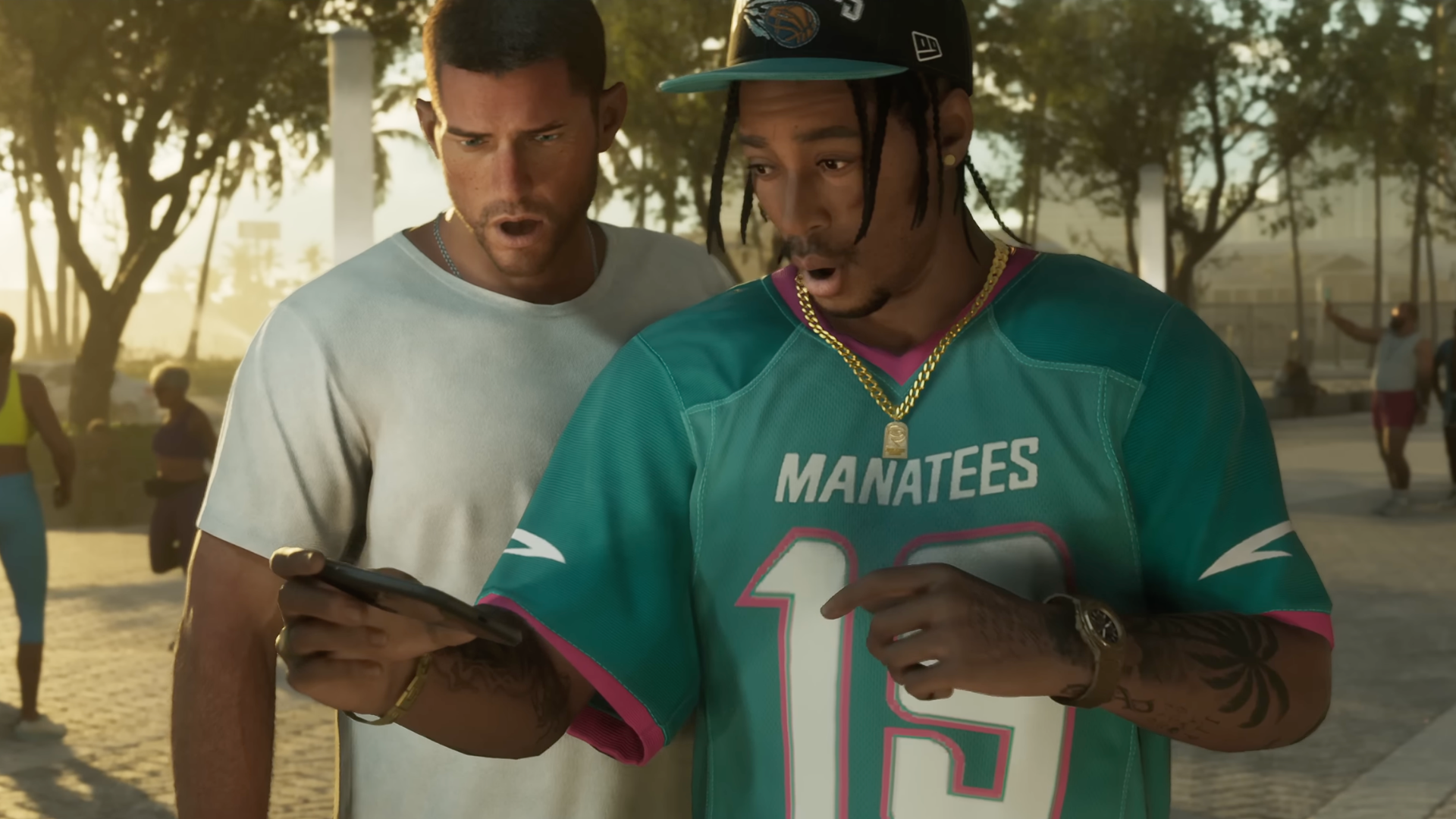
Because the financial stakes are astronomical, the digital underground has turned GTA 6 data into a high-value commodity. However, market analysts and industry veterans point out a fascinating paradox: while online forums and social media algorithms amplify every single leaked frame into a breaking-news event, the vast majority of consumers remain blissfully detached from the noise.
Official Statements and Veteran Perspectives
Navigating a PR crisis of this magnitude requires a delicate balance between public silence and aggressive legal deterrence. Rockstar Games has maintained a largely stoic public posture, letting its legal filings and eventual official marketing campaigns speak for the studio. However, former employees who helped build the foundation of the franchise have stepped forward to offer historical context and perspective.
Obbe Vermeij on "Nothing Burgers" and Historical Precedent
Obbe Vermeij, a former technical lead who spent over a decade at Rockstar Games (from 1995 to 2009) and worked on seminal titles like Grand Theft Auto III, Vice City, and San Andreas, weighed in on the ongoing leak saga via social media.
Addressing the gravity of the current situation, Vermeij offered a pragmatic assessment:
"[Rockstar New York] overreacts a bit at times, but it is their job to try to stop these kinds of leaks."
At the same time, Vermeij categorized the current leaks as a "nothing burger." His reasoning is rooted in consumer demographics: roughly 90 percent of future GTA 6 players are casual gamers who do not actively scour the internet for blurry development clips, unfinished gameplay loops, or narrative spoilers.
To illustrate his point, Vermeij drew parallels to one of the most infamous scandals in gaming history: the "Hot Coffee" mod controversy of 2005. During the development of Grand Theft Auto: San Andreas, unused sexually explicit mini-game assets were left dormant in the game code. Dedicated modders eventually unlocked the content, triggering a massive political firestorm, congressional inquiries, temporary product recalls, and an AO (Adults Only) rating that temporarily crippled retail sales.
Reflecting on that era, Vermeij noted:
"It was a nightmare for management [at Rockstar’s New York offices] but didn’t affect us [at Rockstar North] much. The current leaks are far less consequential than [Hot Coffee] was. It looks like GTA 6 will be phenomenal and sell for the next 15 years or so. The leaks are just a tiny blip."
Future Outlook: The Road to Vice City and Beyond
As Rockstar Games continues its meticulous march toward the launch of Grand Theft Auto VI, the studio remains locked in a silent war of attrition against digital piracy, data theft, and unauthorized clout-chasing.
Despite the alarming headlines, the doomsday scenarios painted by internet leakers rarely translate into commercial failure. History has repeatedly shown that consumer appetite for Rockstar’s meticulously crafted open-world sandboxes is functionally insatiable. The 2022 leaks, while unprecedented in scale, did nothing to dampen the record-breaking views garnered by the game’s official reveal trailers.
Moving forward, the primary challenge for Rockstar will not be overcoming the temporary turbulence caused by anonymous leakers, but rather healing internal morale. Balancing uncompromising enterprise security with employee wellbeing remains a critical hurdle for modern game development studios. If Rockstar can foster a secure environment without permanently alienating its creative talent, the studio will successfully cross the finish line.
When Grand Theft Auto VI finally lands on consoles—and subsequently PC—the early development builds, grainy gameplay clips, and sensationalized extortion attempts will fade into distant memory. What will remain is the sprawling, sun-drenched expanse of Vice City, cementing yet another chapter in a franchise that continues to redefine the boundaries of interactive entertainment.