Investigation: The Silence Surrounding the Final Fantasy IX Remake and Rumored Development Stalls
Executive Overview
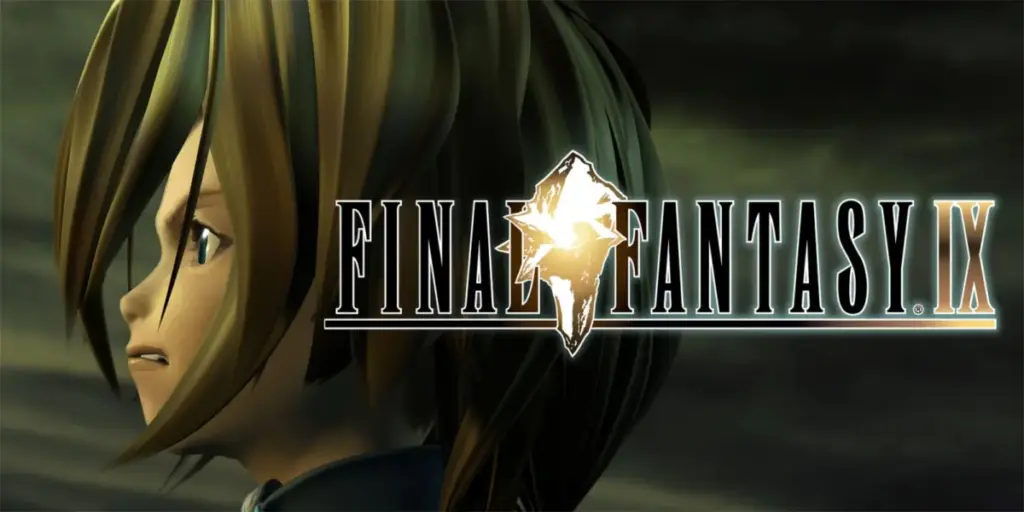
For years, the video game industry has survived on whispers, insider leaks, and speculative excitement. Among the most anticipated, yet officially unconfirmed, titles in recent memory is a rumored remake of Square Enix’s beloved 2000 classic, Final Fantasy IX. For a long time, the rumor mill spun at a furious pace. Industry insiders dropped heavy hints, data-mine leaks surfaced from digital storefronts, and fans of Zidane Tribal, Princess Garnet, and Vivi Ornitier dared to dream that one of the PlayStation era’s greatest masterpieces was receiving the modern, high-definition treatment.
However, over the last several months, that steady stream of information has turned into a desert.
According to recent reports from industry journalists—most notably Alex Donaldson of RPGSite—the prolonged silence is not merely a deliberate marketing strategy by Square Enix, but rather the result of a significant development disruption. Sources indicate that internal production on the Final Fantasy IX Remake has ground to a complete halt.
Unlike the sprawling, multi-part episodic structure of the monumental Final Fantasy VII Remake project, the Final Fantasy IX project was reportedly being crafted as a single, cohesive release. Even more intriguing is that internal development was allegedly quite far along before operations were paused indefinitely.
This investigative report examines the timeline of the rumors, the operational challenges of modernizing classic JRPGs, the broader strategic shifts at Square Enix, and what this sudden halt means for the future of one of gaming’s most cherished fantasy worlds.
Detailed Chronology: From First Leaks to the Current Silence
To understand the current state of the Final Fantasy IX Remake rumor, it is necessary to retrace the breadcrumbs that led the global gaming community to believe the project was an inevitability.
The Epic NVIDIA Leak of 2021
The modern saga of the Final Fantasy IX Remake truly began in September 2021, when a massive data breach from the NVIDIA GeForce NOW cloud gaming service exposed an internal database of unannounced games. This leak proved to be a treasure trove of prophetic accuracy, subsequently predicting the existence, development, and eventual release dates of numerous major titles across multiple publishers.
Buried within the NVIDIA database entries were explicit references to unannounced PC ports and remakes, including Final Fantasy Tactics Remaster and Final Fantasy IX Remake. While Square Enix and other publishers initially dismissed or ignored the leaks, the subsequent confirmation of multiple titles from the list transformed the NVIDIA leak from a curious internet anomaly into the holy grail of video game industry insider intelligence.
The Quiet Escalation (2022–2023)
Following the NVIDIA leak, mainstream media outlets and prominent industry insiders began digging deeper. Sources close to Japanese development circles began corroborating the existence of the project. Unlike the sprawling action-RPG blueprint of Final Fantasy VII Remake, early whispers suggested that Final Fantasy IX Remake might take a different, more faithful approach.
During this period, rumors suggested that the game was being handled not by Square Enix’s internal Creative Business Units, but rather outsourced to an external development partner—a common practice for Square Enix when managing classic IP modernizations, as seen with external remasters and ports. Hopes were high that an official announcement was right around the corner, perhaps slated for a major anniversary or a high-profile digital showcase like Summer Game Fest or a PlayStation State of Play.
The Information Drip and Sudden Dry-Up (Late 2023–2024)
Throughout 2023, insider chatter suggested that the game was in a healthy state of production. Insiders frequently teased its existence to keep fan expectations warm, implying that an reveal was imminent.
However, as calendar years ticked by without a single official word from Square Enix, the mood shifted from eager anticipation to cautious concern. By late 2024 and heading into 2025, the updates completely dried up. Insiders who once spoke confidently about the project began offering more guarded, ambiguous commentary.
The Breaking News: Development Paused
The definitive turning point in the public narrative arrived via Alex Donaldson of RPGSite. According to Donaldson’s reporting, the reason the information pipeline has run entirely dry is simple: development has stalled.
Internal sources suggest that the project reached a remarkably advanced stage of production before operations came to a sudden halt. Whether due to shifts in management, creative disagreements over the scope and scale of the remake, or a strategic re-evaluation by Square Enix’s corporate leadership regarding their multi-platform publishing strategy, the Final Fantasy IX Remake is currently sitting in a state of indefinite limbo.
Supporting Context & Metrics: The Scale of Remaking a Masterpiece
To fully grasp why a project like the Final Fantasy IX Remake could encounter such turbulent development waters, one must analyze the unique challenges of modernizing a turn-based, stylized classic in the current economic and creative landscape of AAA video game development.
Single Release vs. Multi-Part Epics: The Scope Dilemma
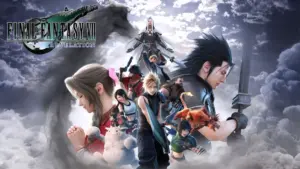
One of the most defining pieces of intelligence surrounding the stalled Final Fantasy IX Remake is that it was originally conceived as a single, unified game, rather than the massive, multi-part episodic undertaking that defined the Final Fantasy VII Remake trilogy (Remake, Rebirth, and the upcoming third installment).
- The Final Fantasy VII Model: Splitting FFVII into multiple installments allowed Square Enix to expand Midgar and the wider world into massive, contemporary open-zone and open-world experiences with deep, action-oriented combat systems and hours of expanded narrative. However, this approach requires astronomical budgets, lengthy development cycles, and massive allocation of internal studio resources.
- The Final Fantasy IX Conundrum: Final Fantasy IX features a distinct, stylized aesthetic. Its characters—featuring larger heads, expressive features, and whimsical proportions—combined a fairy-tale fantasy setting with deep existential themes about mortality, the soul, and the meaning of life. Fitting the entire epic narrative, its sweeping world map, airship exploration, and distinct mechanical systems into a single modern AAA game presents a severe design paradox:
- Option A: Maintain a faithful, scaled-down scope, which runs the risk of underdelivering against modern consumer expectations for a marquee AAA title.
- Option B: Expand the scope to match modern blockbuster standards, which risks inflating the budget and development timeline to a point where a single-release model becomes financially unsustainable.
Strategic Shifts at Square Enix
The pause on Final Fantasy IX Remake must also be viewed through the lens of Square Enix’s broader corporate restructuring. In mid-2024, Square Enix announced a major pivot in its business strategy, moving away from exclusive platform deals and unfocused multi-project pipelines to embrace a philosophy of "multiplatform support" and rigorous quality control.
Under leadership aiming to maximize return on investment and streamline resource allocation, greenlit projects are facing intense internal scrutiny. If a game under development—especially one managed by external partners or operating under unique structural limitations—does not align precisely with the company’s new profitability metrics and multiplatform goals, management is far more willing to pause, restructure, or completely re-evaluate the undertaking than in previous years.
Industry Perspectives & Expert Commentary
The complexity of remaking classic JRPGs has been a frequent topic of discussion among veteran creators within Square Enix. The sheer scale required to bring older, beloved titles up to modern technological standards is immense.
The Naoki Yoshida Perspective on Classic Remakes
Naoki Yoshida (affectionately known to fans as "Yoshi-P"), producer of Final Fantasy XIV and Final Fantasy XVI, has frequently addressed the daunting mathematical reality of modernizing classic entries in the franchise. In past community discussions and convention panels—such as comments highlighted across enthusiast communities like ResetEra—Yoshida candidly noted that if Square Enix were to officially tackle full-scale, modern AAA remakes of classic titles like Final Fantasy VI, Final Fantasy VIII, or Final Fantasy IX utilizing modern graphical fidelity and expansive world design, they would likely need to be released in massive, multi-installment formats akin to Final Fantasy VII Remake just to handle the sheer volume of content.
Yoshida’s remarks underscore the fundamental friction point of the rumored Final Fantasy IX Remake: attempting to deliver the entire experience as a single game may have created insurmountable structural and creative compromises that ultimately forced the project into a standstill.
The External Development Dilemma
Another critical factor in the rumored stall is the role of external development studios. While Square Enix possesses world-class internal teams (Creative Business Unit I, III, etc.), many of their secondary and catalog titles are entrusted to external partners.
Coordinating a massive, high-stakes project across different corporate cultures and geographical locations introduces inherent vulnerabilities. Miscommunications regarding creative direction, pipeline efficiencies, and quality benchmarks can easily cause a project that appears "very far along internally" to hit a sudden wall, forcing executives to step in and pause production until a viable path forward can be established.
Future Outlook: Is the Project Dead or Just Resting?
When industry reports indicate that a game’s development has been "paused" or "completely stalled," the immediate reaction from the gaming community is often one of despair, assuming the project has been quietly cancelled behind closed doors.
However, industry history suggests a more nuanced reality, particularly when dealing with legendary intellectual properties.
1. The Possibility of Revision and Re-scoping
Just because development has ceased in its current form does not mean the assets and foundational work are destined for the digital trash heap. Square Enix holds Final Fantasy IX in extremely high regard; it is universally praised by critics and fans alike as a pinnacle of the franchise’s golden era.
If the single-game model proved unviable due to scope limitations or financial constraints, Square Enix leadership may be using this pause to re-scope the project entirely. This could mean pivoting the game toward a different development partner, re-evaluating the visual style (perhaps leaning into a stylized, high-fidelity approach rather than photorealism), or restructuring the title into a different release format.
2. The Long-Term IP Strategy
Square Enix is acutely aware of the enduring commercial and cultural power of its legacy catalog. Titles like Final Fantasy VII Rebirth and pixel remasters have proven that nostalgia, when executed with high production values, remains a powerful market driver.
Even if the Final Fantasy IX Remake is currently dormant, the intellectual property remains a prime candidate for future resurrection. Should industry conditions stabilize or new leadership find a sustainable production model, the project could easily be revived in the years to come.
3. What Fans Should Expect Next
For now, consumers and fans should temper their expectations. The golden rule of video game rumors applies here more than ever: until an official trailer, press release, or developer broadcast bears the Square Enix logo confirming a release window, no project is guaranteed.
The silence surrounding the Final Fantasy IX Remake is loud, but it is not necessarily a permanent obituary. It is a reflection of the brutal economic realities, creative pressures, and strategic pivots governing modern AAA game development. Whether Zidane and his crew will one day return in glorious high-definition splendor remains one of the industry’s most compelling unanswered questions.