The Silence on the Airwaves: Unpacking the Hiatus of Music History Masterpiece No Dogs in Space
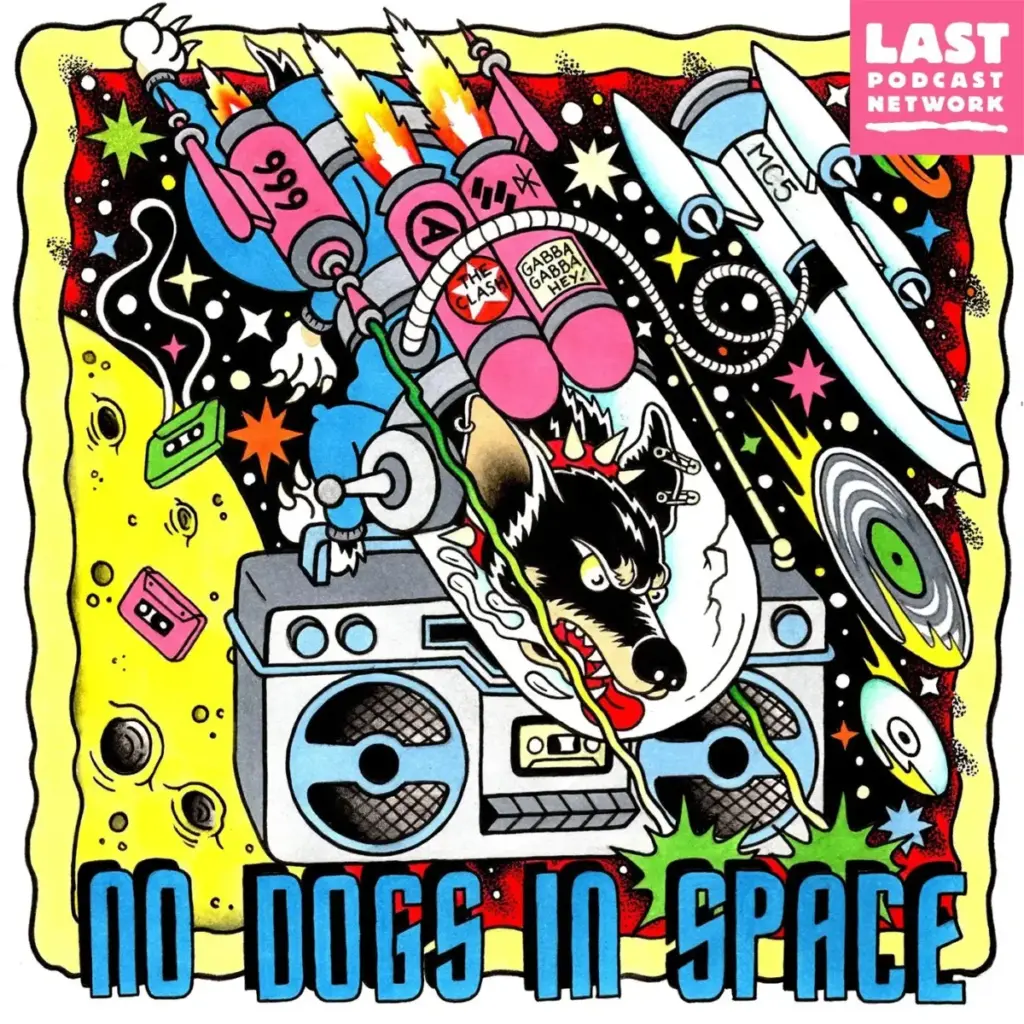
Executive Overview
For devoted disciples of underground music history, the auditory landscape has felt conspicuously hollow since July 2024. That was the month No Dogs in Space—the critically acclaimed, meticulously researched music history podcast hosted by Marcus Parks and Carolina Hidalgo—released the fourth part of its deep-dive series on the legendary experimental German rock band Can. That episode served as the premature conclusion to an abbreviated third season, which had taken listeners on a thrilling, genre-bending voyage through the outer limits of experimental rock and Krautrock.
When season three faded to black, it left an immense void in the podcasting ecosystem. For years, No Dogs in Space has occupied a rare and coveted space in audio journalism. It is not merely an interview show or a casual album-review vehicle; it is an immersive, multi-hour documentary series that treats the life cycles of countercultural music icons with the academic rigor of a university lecture, paired with the narrative propulsion of a true-crime thriller.
The show’s format—spearheaded by Parks, best known as the co-founder of the monstrously successful Last Podcast on the Left, alongside his wife and creative partner, Carolina Hidalgo—has built a fiercely loyal following. Over the course of 73 exhaustive episodes, the duo has charted the trajectories of pivotal acts such as the Beastie Boys, The Velvet Underground, Joy Division, The Stooges, and The Replacements.
Yet, as the calendar rolls deeper into 2025, the podcast’s RSS feed remains agonizingly static. The abrupt transition from a promising exploration of avant-garde European soundscapes to a sudden radio silence has triggered a wave of anxiety, speculation, and longing across fan forums, Reddit threads, and social media. This comprehensive retrospective and investigative overview examines the legacy of No Dogs in Space, evaluates the metrics of its exhaustive audio-documentary style, analyzes the reasons behind its current hiatus, and looks ahead to what the future might hold for Parks, Hidalgo, and their sprawling sonic archive.
Detailed Chronology: The Evolution and Abrupt Pause of a Podcast Titan
To understand the weight of the current hiatus, one must trace the developmental arc of No Dogs in Space from its inception under the Last Podcast Network umbrella to its status as a gold standard in music podcasting.
Season One: Setting the Blueprint with Punk Rock
When No Dogs in Space launched, it chose a dauntingly vast and volatile subject for its inaugural outing: the genesis and explosion of punk rock. Across a sprawling multi-part narrative, Parks and Hidalgo did not merely skim the surface of the Sex Pistols or The Clash; they excavated the muddy, chaotic roots of proto-punk, tracing a direct line from the garage rock eruptions of the mid-1960s through the transgressive noise of Detroit and New York, all the way to the UK explosion of 1977.
This first season established the show’s signature structural DNA: a seamless blend of deeply researched, highly structured historical narration and off-the-cuff, humorous, yet deeply empathetic commentary between the hosts. Listeners quickly realized that this was a project born out of genuine obsession. Parks and Hidalgo were not reading off Wikipedia pages; they were synthesizing biographies, rare interviews, out-of-print fanzines, and regional music histories into cohesive, cinematic audio dramas.
Season Two and Beyond: Expanding the Canon
Buoyed by the critical and commercial success of their punk deep-dive, the subsequent seasons broadened their scope, tackling monumental shifts in alternative and underground music. The series turned its forensic lens toward acts that defined counterculture movements. The coverage of The Velvet Underground unpacked the avant-garde collision of art and rock in Andy Warhol’s New York, while the exploration of Joy Division chronicled the rain-slicked, post-industrial despair of Manchester with haunting clarity.
Each season operated as a distinct chapter in an ongoing encyclopedia of subversion. The hosts demonstrated an uncanny ability to contextualize art within its sociopolitical framework. They explained not just what these bands sounded like, but why their environment demanded that specific type of noise.
The Abbreviated Third Season: The Experimental Rock and Krautrock Detour
Season three was poised to be a monumental milestone for the show. Dedicated to the vast universe of experimental rock, it naturally gravitated toward the pioneering sounds of West Germany’s Krautrock movement—a scene that combined psychedelic experimentation, minimalist electronic textures, and relentless motorik drum beats.
The anticipation among the fanbase was palpable. The two-part introduction to Krautrock, which heavily spotlighted the kaleidoscopic, communal chaos of Amon Düül II, offered a masterclass in music journalism. It translated complex musicological concepts into gripping storytelling, proving that avant-garde drone and esoteric rhythm could be just as riveting as standard rock-and-roll mythology.
However, the season was undeniably abbreviated. After moving through foundational acts, the season narrowed its focus onto Can—the legendary Cologne-based ensemble that fused avant-garde classical composition with funk rhythms and hypnotic tape editing. The fourth and final part of the Can series dropped in July 2024, wrapping up the season on a somewhat abrupt note.
In the closing minutes of that episode, Parks and Hidalgo addressed the future. To the surprise of many listeners tracking the show’s evolution toward Krautrock and electronic experimentation, the hosts announced that they intended to pivot backward: they planned to revisit their roots and execute a brand-new, expanded season on punk rock—conceptually framed as a spiritual successor or continuation of Season 1.
And then… silence. The feed went dark, leaving fans stranded at the intersection of anticipation and uncertainty.
Supporting Context & Metrics: The Scale of the Audio Endeavor
To fully appreciate why No Dogs in Space takes time between releases—and why the current hiatus, while painful, is understandable—one must look at the staggering metrics and production reality behind the show.
The Time Investment: Hours of Exhaustive Research
No Dogs in Space is an outlier in an industry increasingly dominated by quick-turnaround chat casts and algorithmic content production. The show demands a monumental investment of time, both from the consumer and, exponentially more so, from the creators.
Consider the raw runtime of a typical season:
- The Krautrock Introduction: Spanning multiple parts heavily weighted toward Amon Düül II, this initial dive clocks in at well over three hours of dense, heavily edited audio narrative. And in the grand scheme of the podcast, three hours is considered "on the shorter side."
- The Replacements Series: A sprawling, deeply emotional multi-part epic tracking the Minneapolis punk-turned-alternative heroes that stretches to nearly nine hours in total length.
- The Beastie Boys Chronicle: A behemoth of audio engineering and historical documentation that eclipses even The Replacements series, charting the hip-hop pioneers’ evolution from hardcore punk pranksters to global royalty across an astonishing number of hours.
When a podcast delivers content at this scale, the writing and research phase is a colossal undertaking. Parks and Hidalgo do not simply compile notes; they ingest primary source material, cross-reference conflicting historical accounts of legendary music industry debauchery, and distill hundreds of pages of biographies into a single, flowing script.
The Craft: Chemistry and Sourcing
What separates No Dogs in Space from an automated audiobook is the dynamic between Marcus Parks and Carolina Hidalgo. Married in life and complementary in their creative energies, the duo possesses an effortless on-mic chemistry. Parks brings his signature theatrical pacing, dark humor, and encyclopedic knowledge of counterculture history (honed over a decade of producing Last Podcast on the Left), while Hidalgo provides sharp analytical framing, cultural contextualization, and an unwavering commitment to structural integrity.
Crucially, the show maintains an academic standard that is rare in pop-culture media. At the conclusion of every episode, the hosts meticulously share all their sources. This transparent sourcing allows dedicated music nerds to track down primary texts, read the out-of-print autobiographies, and cross-examine the historical claims made on the show. It transforms the listener from a passive consumer into an active participant in music history education.
Official Statements and Fan Speculation
In an era where fanbases frequently panic over any deviation from a release schedule, the status of No Dogs in Space has been a frequent topic of community detective work. Fortunately, unlike shows that vanish entirely without a trace, the creators have left breadcrumbs indicating that the project is dormant, not defunct.
Carolina Hidalgo’s Social Media Engagement
The primary lifeline for anxious fans has been Carolina Hidalgo’s direct engagement on social media platforms like Instagram. As recently as late 2024 and early 2025, Hidalgo has responded to direct inquiries in the comments sections of her posts. When pressed by listeners about the future of the show, her stance has remained consistently positive: she has explicitly stated that she would love to produce more episodes and return to the microphone.
Furthermore, the topic of the podcast’s return has surfaced multiple times during live streams and Q&A sessions associated with the Last Podcast Network ecosystem. The consensus from these casual updates is clear: there is no creative animosity, no loss of passion for the subject matter, and no official cancellation order.
The Burden of Success and Competing Priorities
So, why the delay? While the hosts have not issued a formal, comprehensive press release detailing every operational bottleneck, industry observers and long-time followers of the Last Podcast Network can easily deduce the primary culprit: competing professional obligations.
Marcus Parks is the engine behind multiple massive audio enterprises. Last Podcast on the Left remains one of the preeminent true-crime and comedy podcasts in the world, requiring continuous weekly episode production, rigorous research, merchandise management, and grueling live-touring schedules. Managing the day-to-day operations of an expanding independent network while maintaining the crushing output required for Last Podcast leaves an exceptionally narrow window for the hyper-intensive, multi-month research sprints required to write a season of No Dogs in Space.
When a podcast requires nine hours of meticulous historical tracking for a single subject like The Replacements, it cannot be manufactured as a side project squeezed in between tour dates. It demands institutional bandwidth that has, temporarily, been diverted elsewhere.
Future Outlook: Will Punk Rock 2.0 Ever Materialize?
As we assess the current landscape of No Dogs in Space in mid-2025, the overarching sentiment is one of cautious optimism tempered by realistic patience.
The show has not been officially retired. The intellectual property is intact, the audience hunger has only grown more ravenous during the drought, and both Parks and Hidalgo have openly expressed a desire to return to the studio. The promised "Punk Rock 2.0" series—intended to revisit and expand upon the foundational genre covered in Season 1 with the benefit of years of podcasting experience and refined storytelling techniques—remines the great white whale for the show’s community.
For music obsessives who treat their headphones as portals to the past, No Dogs in Space occupies an irreplaceable niche. It is a monument to deep-dive journalism in an age of quick-hit soundbites and algorithmic slop. Whether the hosts decide to drop a surprise multi-hour epic tomorrow or take a prolonged hiatus to manage their burgeoning media empire, the existing catalog of 73 episodes stands as an enduring, peerless masterclass in the history of underground music.
Until the feed finally pings with a new notification and the familiar strains of the intro music signal the return of Marcus and Carolina, fans can only re-listen to the epic chronicles of the Beastie Boys, Joy Division, and Can—and keep their fingers crossed that the silence on the airwaves is merely the quiet before an almighty sonic storm.