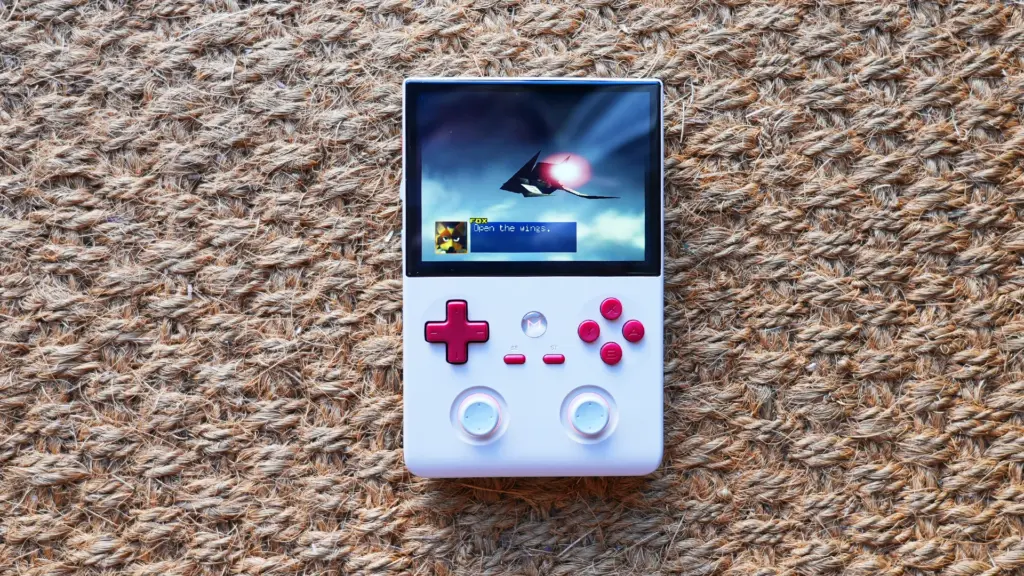
In the rapidly evolving landscape of retro gaming handhelds, few manufacturers have established a market presence as quickly or disruptively as Mangmi (initially emerging as Mangi). Entering the scene in 2024 with a philosophy centered on high performance-to-cost ratios, the brand captured the attention of the emulation community by delivering sub-$100 hardware capable of running PlayStation 2 and Nintendo GameCube titles.
Their latest release, the Mangmi Air Y Pro, represents a strategic pivot. Priced between $159 and $189 depending on the RAM configuration, this vertical-format handheld targets the highly competitive sub-$200 segment. Positioned structurally and financially between the budget-friendly Air X and the premium, modular Pocket Max, the Air Y Pro promises high-end Android-based emulation in a classic, vertical form factor.
However, an in-depth investigation of the device reveals a complex narrative. While the Air Y Pro delivers exceptional raw processing power—comfortably handling upscaled PS2 and GameCube titles—it is held back by notable quality assurance oversights. From physical defects in the shoulder button assemblies to significant software instabilities in the proprietary user interface, the device represents a departure from the innovative "magic" that defined Mangmi’s early successes. This analysis explores whether the Air Y Pro’s processing capabilities can offset its mechanical and software deficiencies, or if Mangmi has sacrificed its signature innovation in favor of market safety.
Detailed Chronology: The Rise and Shift of Mangmi (2024–2026)
To understand the positioning of the Air Y Pro, one must trace Mangmi’s aggressive product roadmap over the last two years:
[2024: Mangmi Air X] ───> [2025: Pocket Max] ───> [2026: Air Y Pro]
  - Sub-$100 Price Point    - $229 Premium Android    - $159–$189 Vertical
  - Entry-Level PS2/GC      - 7" Upscaled Display     - High-Performance Focus
  - Established Brand       - Modular Button Layout   - Iterative, "Safe" Design
2024: The Air X Disrupts the Low-End Market
Mangmi debuted in 2024 with the Air X, a handheld that challenged industry expectations for budget hardware. Prior to its release, reliable PS2 and GameCube emulation was considered impossible under the $100 threshold. By optimizing system architecture and utilizing cost-effective silicon, the Air X achieved playable frame rates on select high-demand titles, immediately establishing Mangmi as a serious competitor to legacy brands like Anbernic and Retroid.
2025: Premium Ambitions with the Pocket Max
Building on their initial momentum, Mangmi moved upmarket in 2025 with the Pocket Max. Retailing at $229, this 7-inch Android device targeted enthusiasts who wanted high-end mobile gaming and upscaled emulation. The Pocket Max introduced a first-of-its-kind modular button layout, allowing users to physically swap control configurations. This feature, combined with excellent thermal design and premium materials, cemented Mangmi’s reputation for taking bold hardware risks.
2026: The Air Y Pro and the Mid-Range Conundrum
In late 2026, Mangmi launched the Air Y Pro to capture the mid-range vertical market. The vertical form factor remains highly popular among retro enthusiasts due to its nostalgic appeal, reminiscent of the classic Game Boy. However, cramming high-performance internals into a vertically oriented chassis presents unique thermal and ergonomic challenges.
While previous Mangmi devices succeeded by taking risks—either on price or modular features—the Air Y Pro opts for a more conservative approach. This pivot raises critical questions about whether the company can maintain its competitive edge without the unique design choices that defined its rise.
Supporting Context & Technical Metrics
The Air Y Pro is offered in two primary configurations, designed to balance cost against multitasking capabilities and high-end emulation overhead.
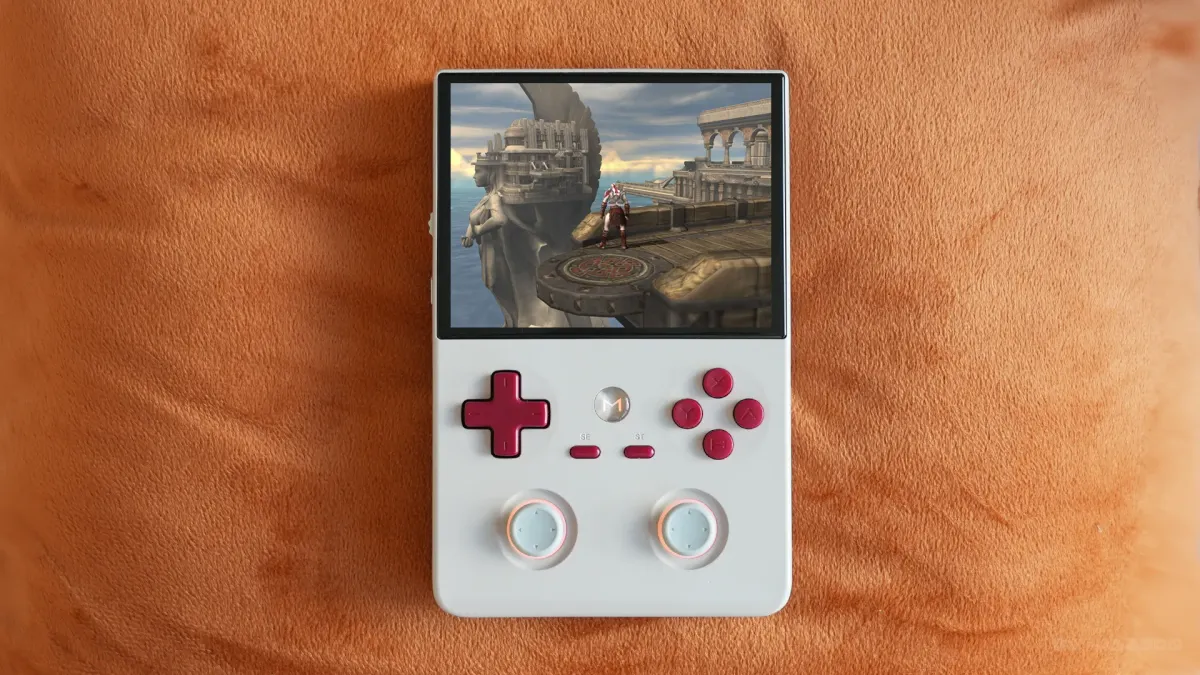
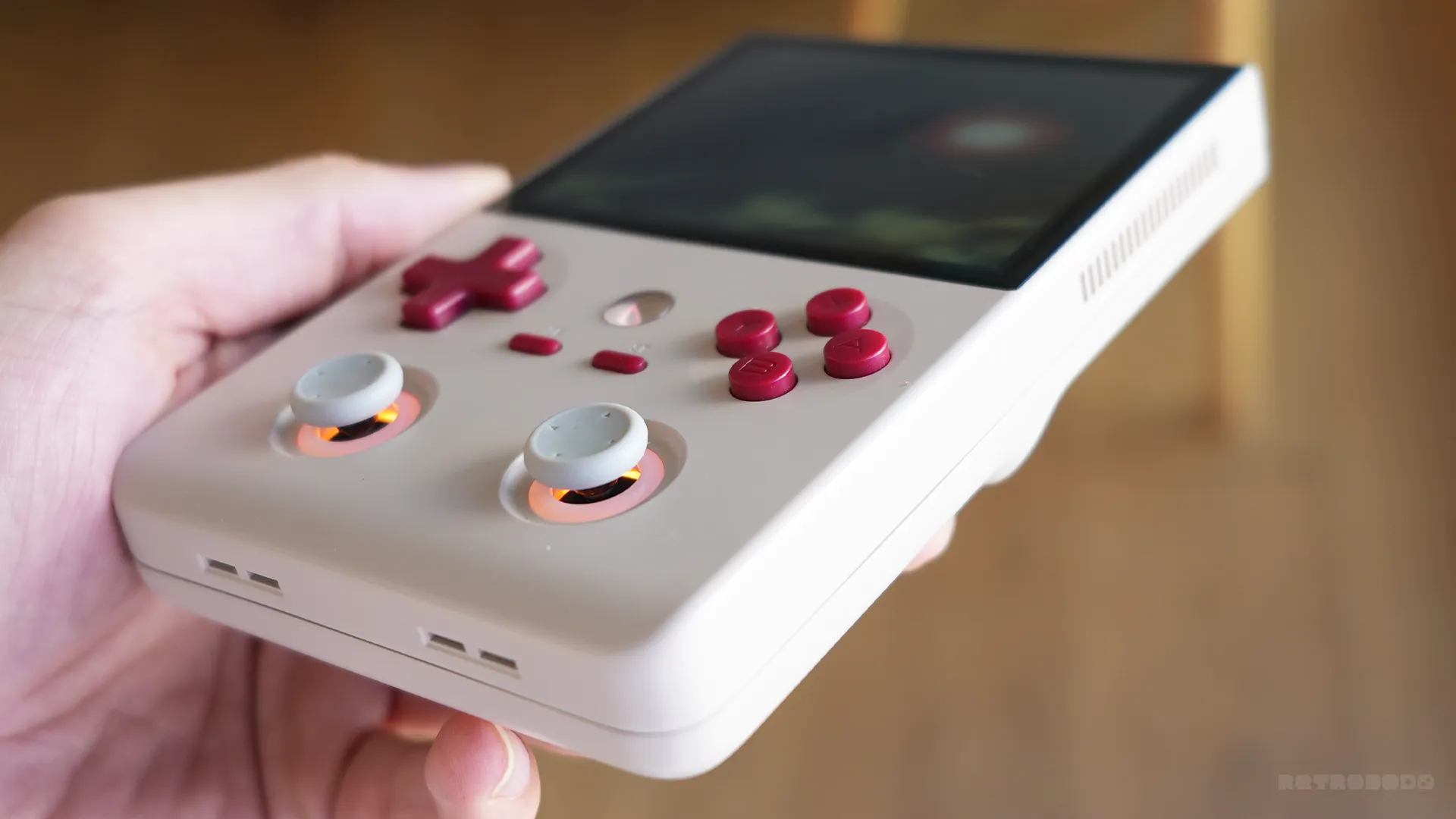
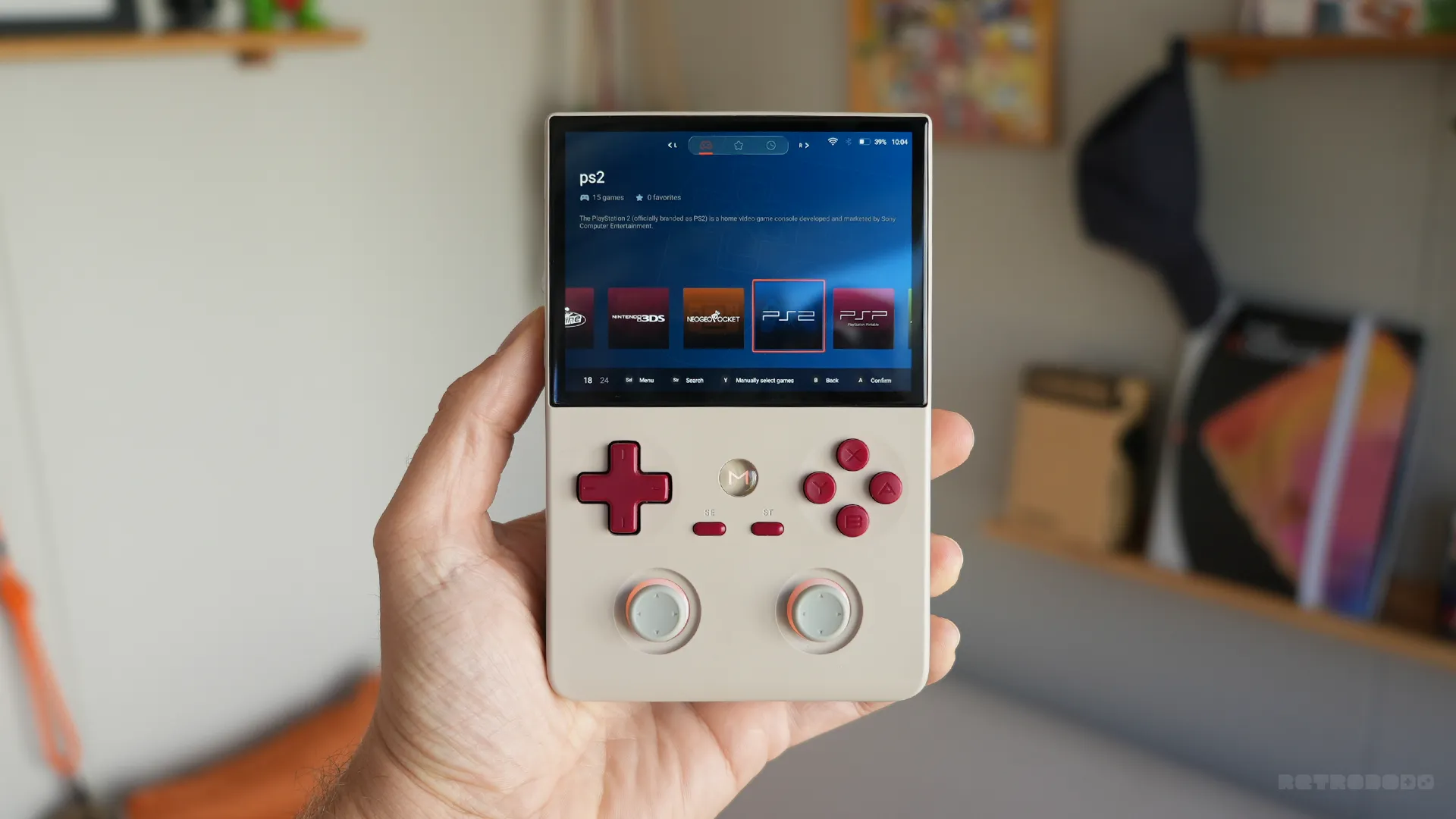
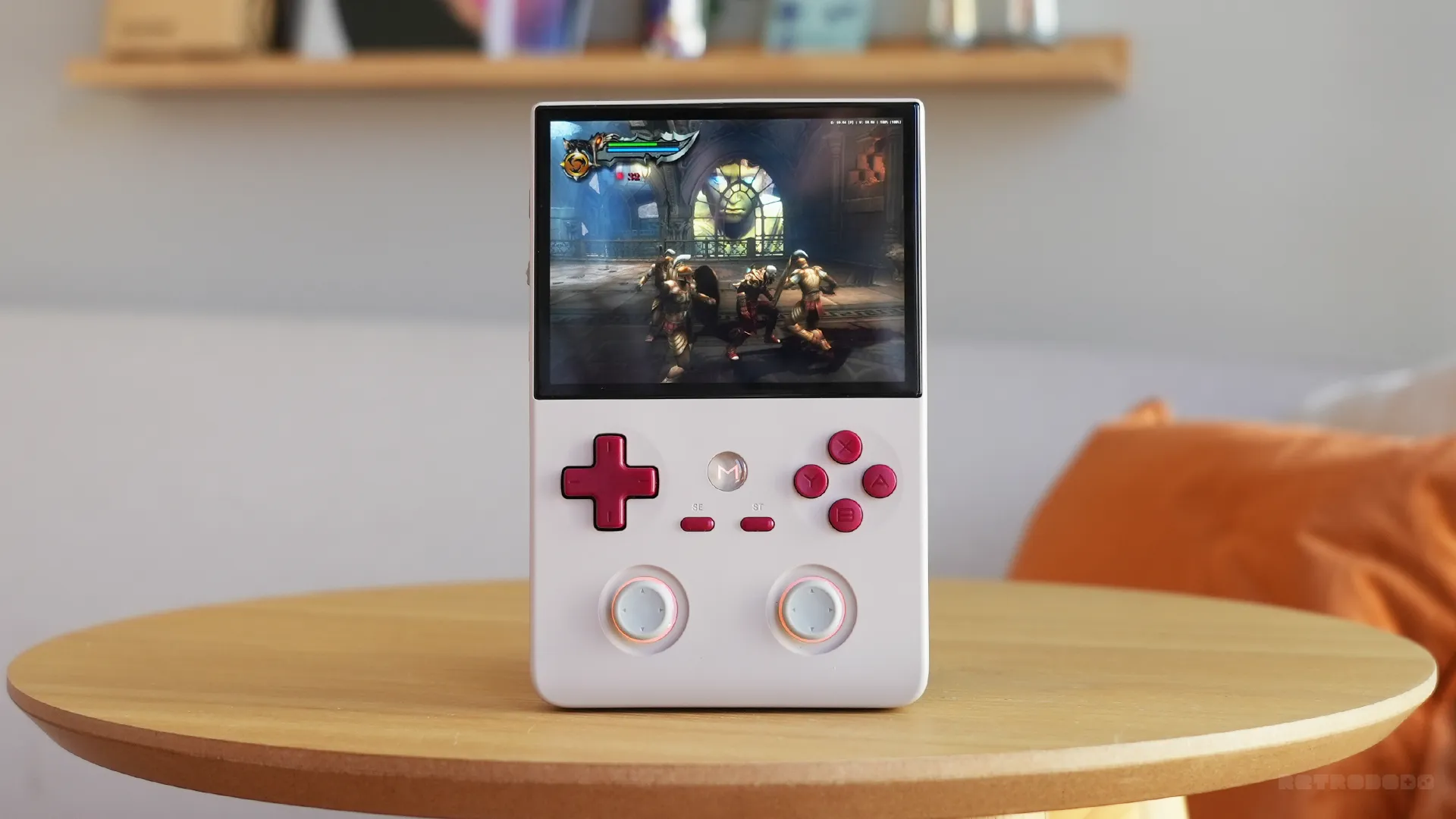
The physical design of the Air Y Pro leans toward minimalism. The chassis features a smooth, unbranded matte finish, available in White, Black, and Retro Grey. The clean look is intentional, focusing the player’s attention on the display, but some users may find the aesthetic slightly plain.
Display Quality and Market Context
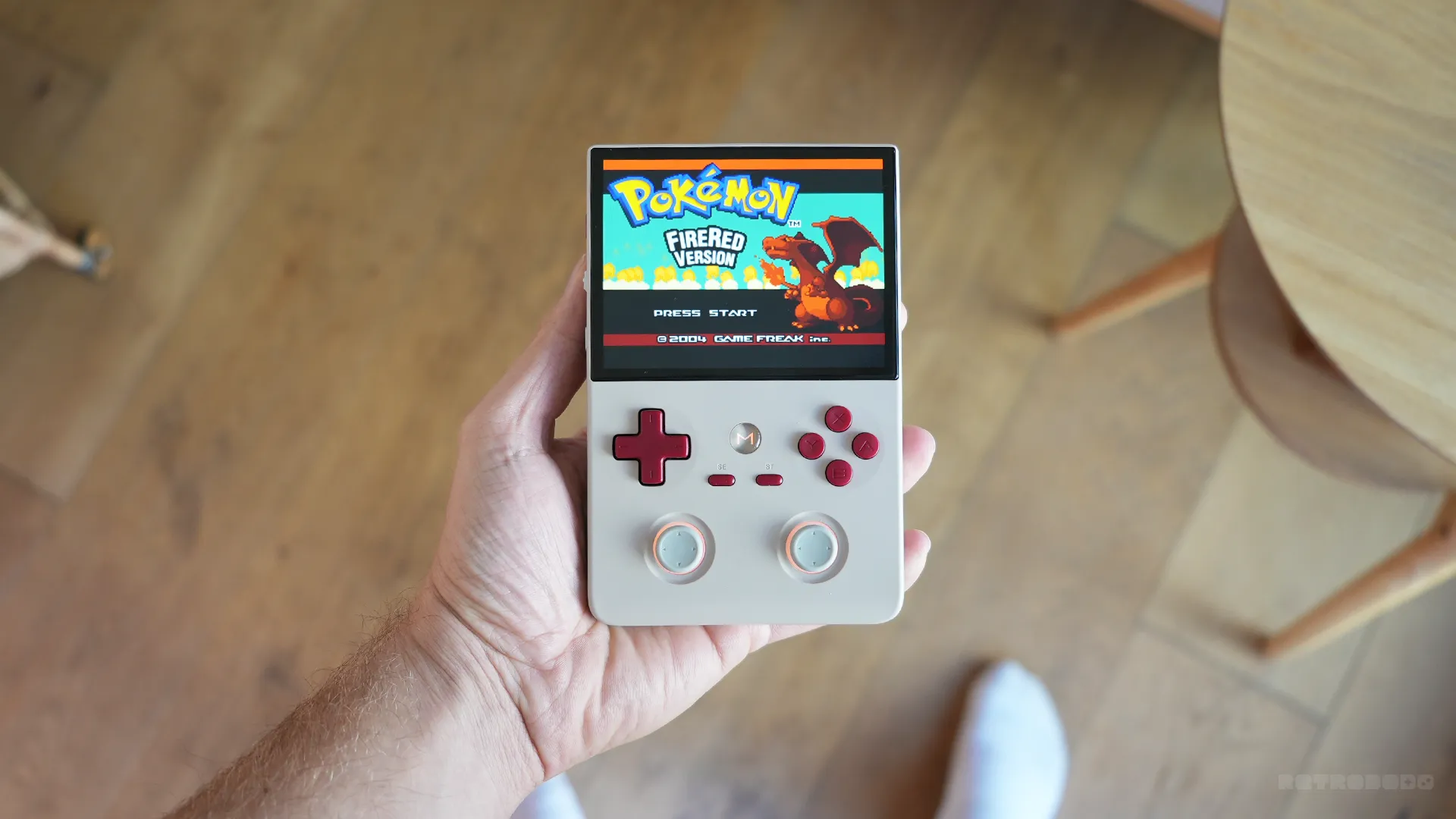
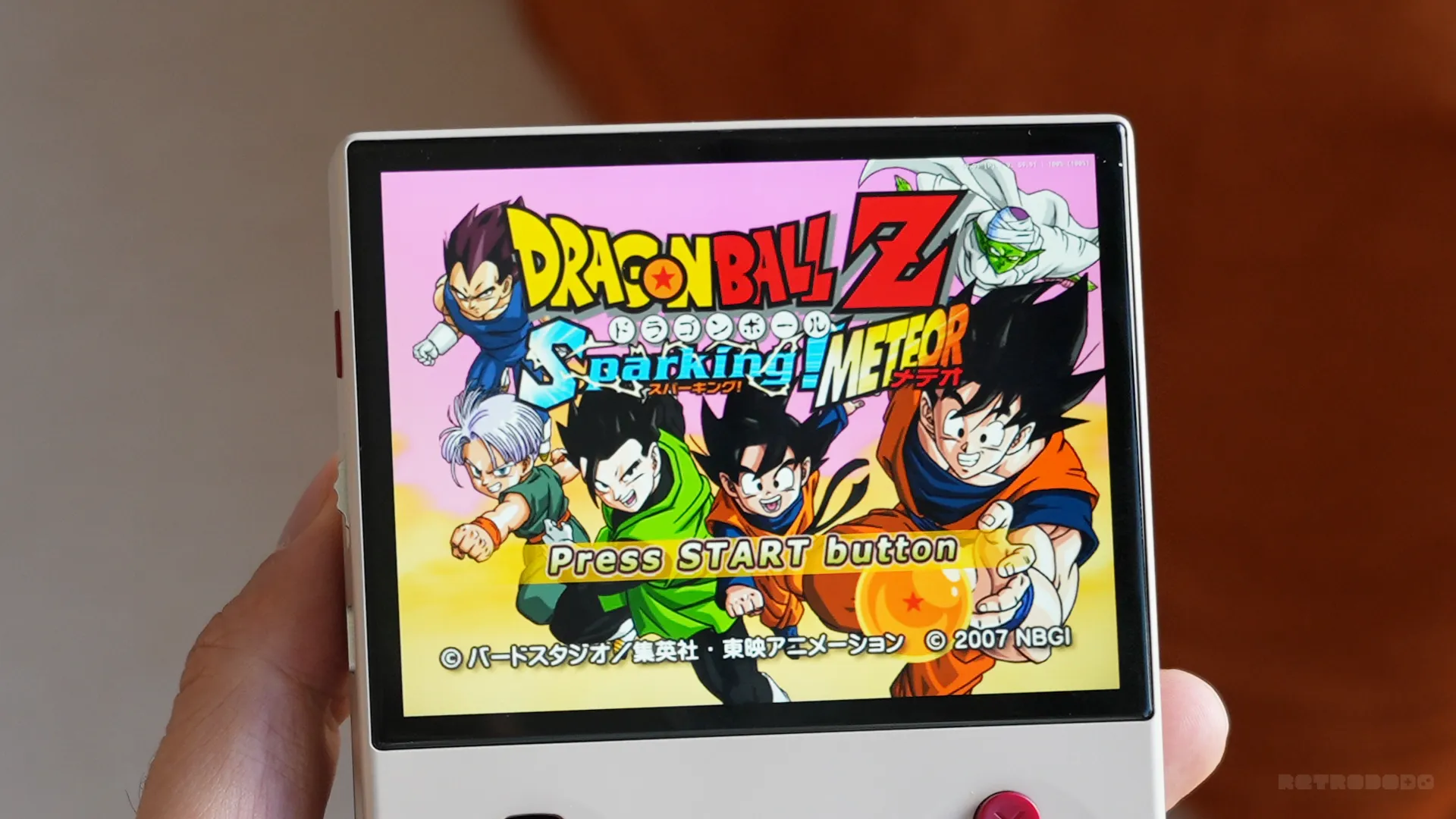
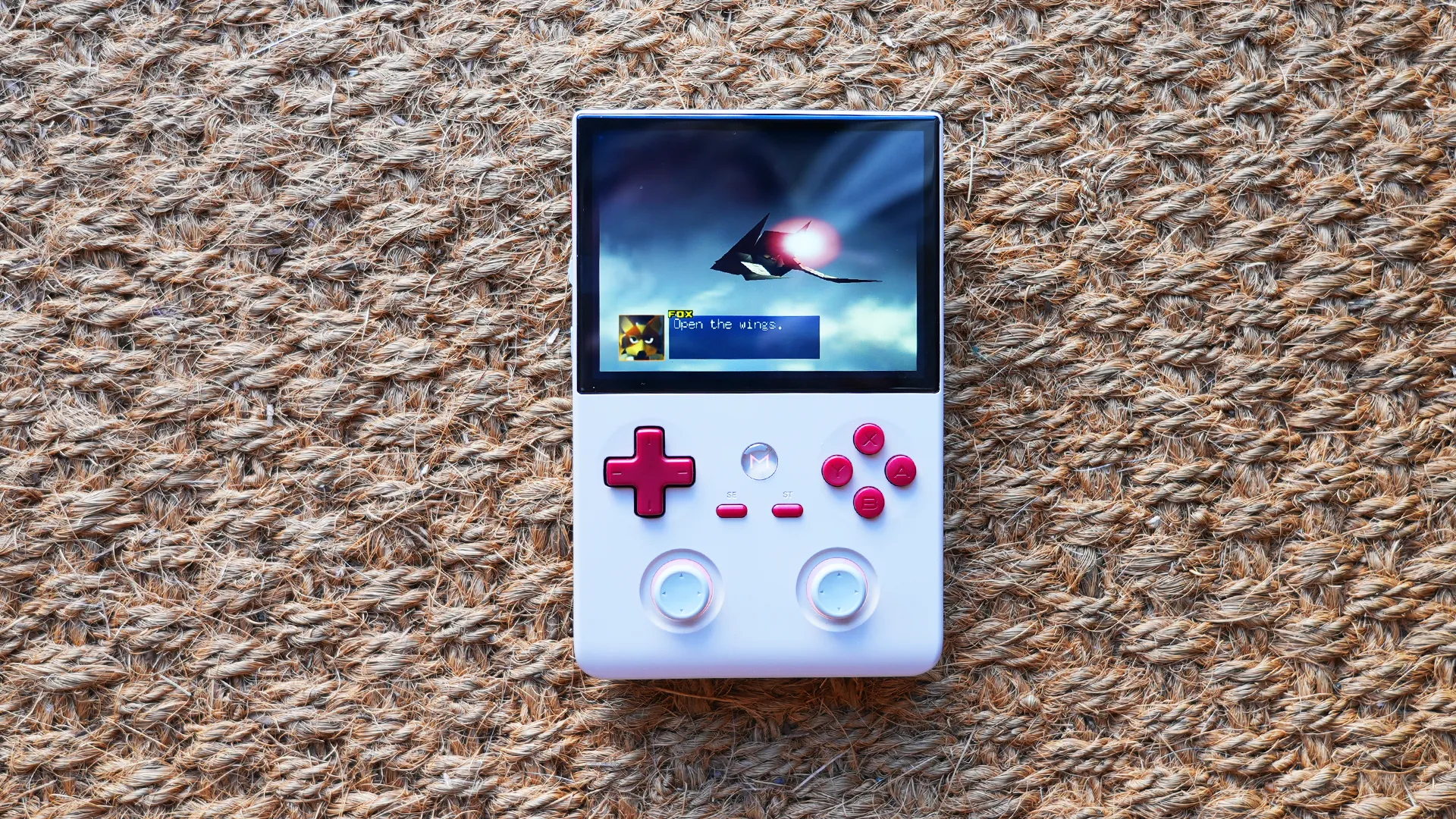
The center of the experience is a 4.2-inch IPS display with a 4:3 aspect ratio, running at 1280 x 960 pixels. This resolution offers an integer scale for many classic consoles, resulting in clean pixel presentation.
However, the display arrives in a market that has recently shifted. The launch of the Retroid Pocket Nova—which features a 4.5-inch 4:3 AMOLED display—has raised expectations for screens in this segment. While the Pocket Nova is more expensive at $239, its high contrast ratios and deep blacks make the Air Y Pro’s IPS panel look somewhat dated by comparison.
Additionally, the Air Y Pro’s screen exhibits minor ghosting during fast horizontal movement on older 8-bit and 16-bit titles, such as Pokémon Yellow on the Game Boy Color. Although firmware updates have mitigated this issue, it remains visible to observant players.
Control Input and Tactile Feedback
The input configuration on the front of the device is a mix of high-quality components and questionable design choices:
Joysticks: The Air Y Pro features dual Hall-effect joysticks (the base Air Y model features only one). These sticks use magnetic sensors to prevent drift, offer good travel, and include customizable LED backlighting and removable tops.
Action Buttons: The A, B, X, and Y buttons are well-made. The plastic feels durable, and the button press is firm with distinct tactile feedback. A and B are rounded, while X and Y are concave, making it easy to orient your fingers by touch.
The D-Pad: The D-pad features an unusually elongated design with thin directional arms. This layout makes fast diagonal transitions difficult, which may frustrate fans of fighting games or precise platformers.
Secondary Buttons: The Start and Select buttons suffer from inconsistent membrane pressure underneath, meaning one button requires more force to actuate than the other.
The Home Button: The central "Mangmi" home button is constructed from a cheap, transparent plastic that detracts from the device’s overall aesthetic.
Shoulder Button Defect (Pre-production):
[ L1 / R1: Acceptable Travel ]
[ L2 / R2: Single Bar Mechanism - Tilting one side raises the other ]
  ▲ Press Left  --> █ Bar Tilts █ --> ▼ Right Side Rises (Inconsistent Input)
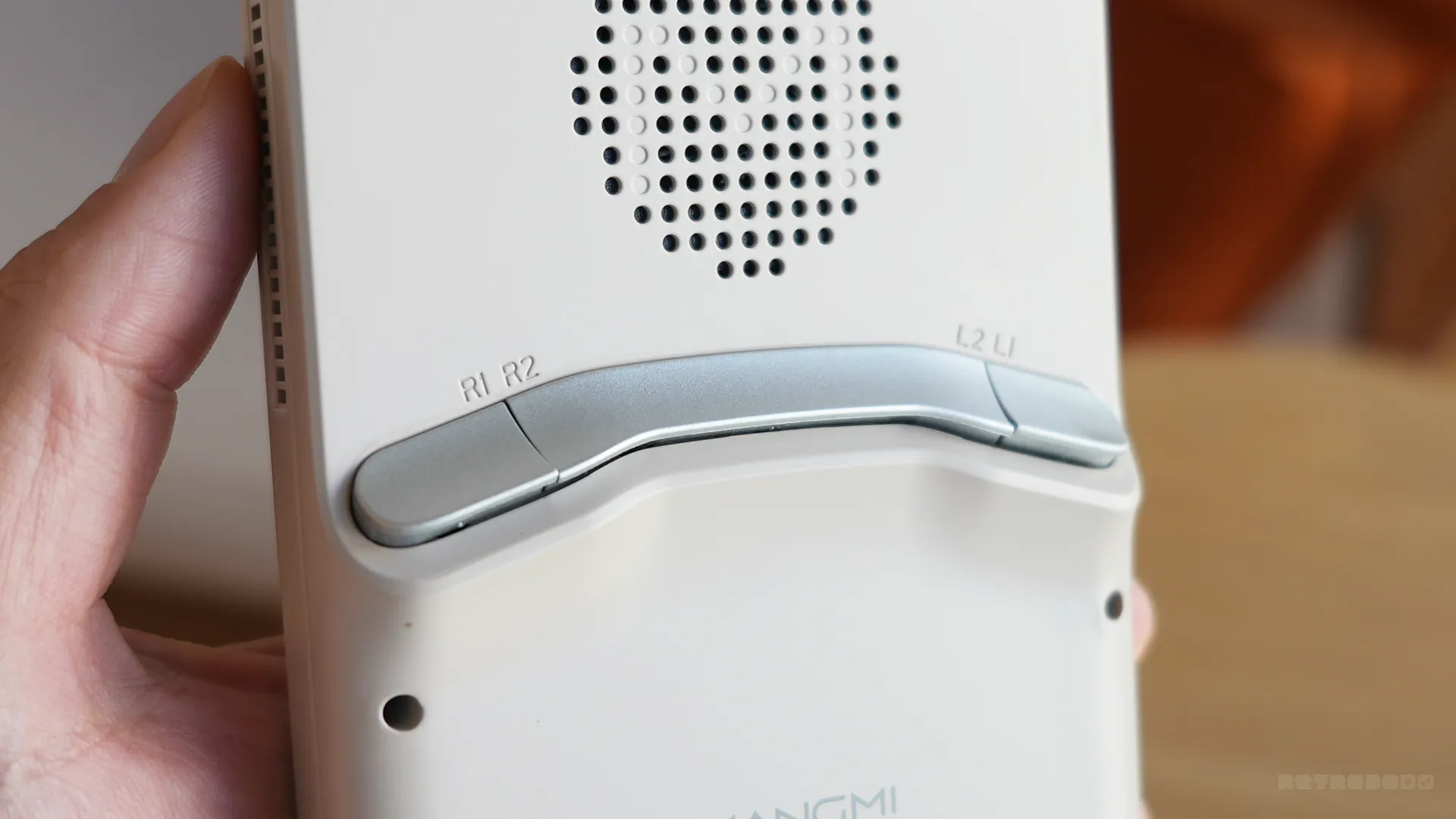
The most notable hardware issue is found on the back of the device. The shoulder buttons utilize a single-bar layout where the outer edges tilt to actuate L2 and R2, a design reminiscent of AYANEO’s Pocket DMG.
However, the execution on the Air Y Pro review unit is flawed. Pressing one side of the bar often raises the opposite side, causing missed inputs or preventing the button from registering at all. This design oversight makes games requiring frequent use of L2 and R2 difficult to play.
Software Interface and OS Stability
The Air Y Pro runs on Android 13. While Android offers great customization, app compatibility, and access to modern emulation frontends, it requires more system resources and user setup than streamlined Linux distributions.
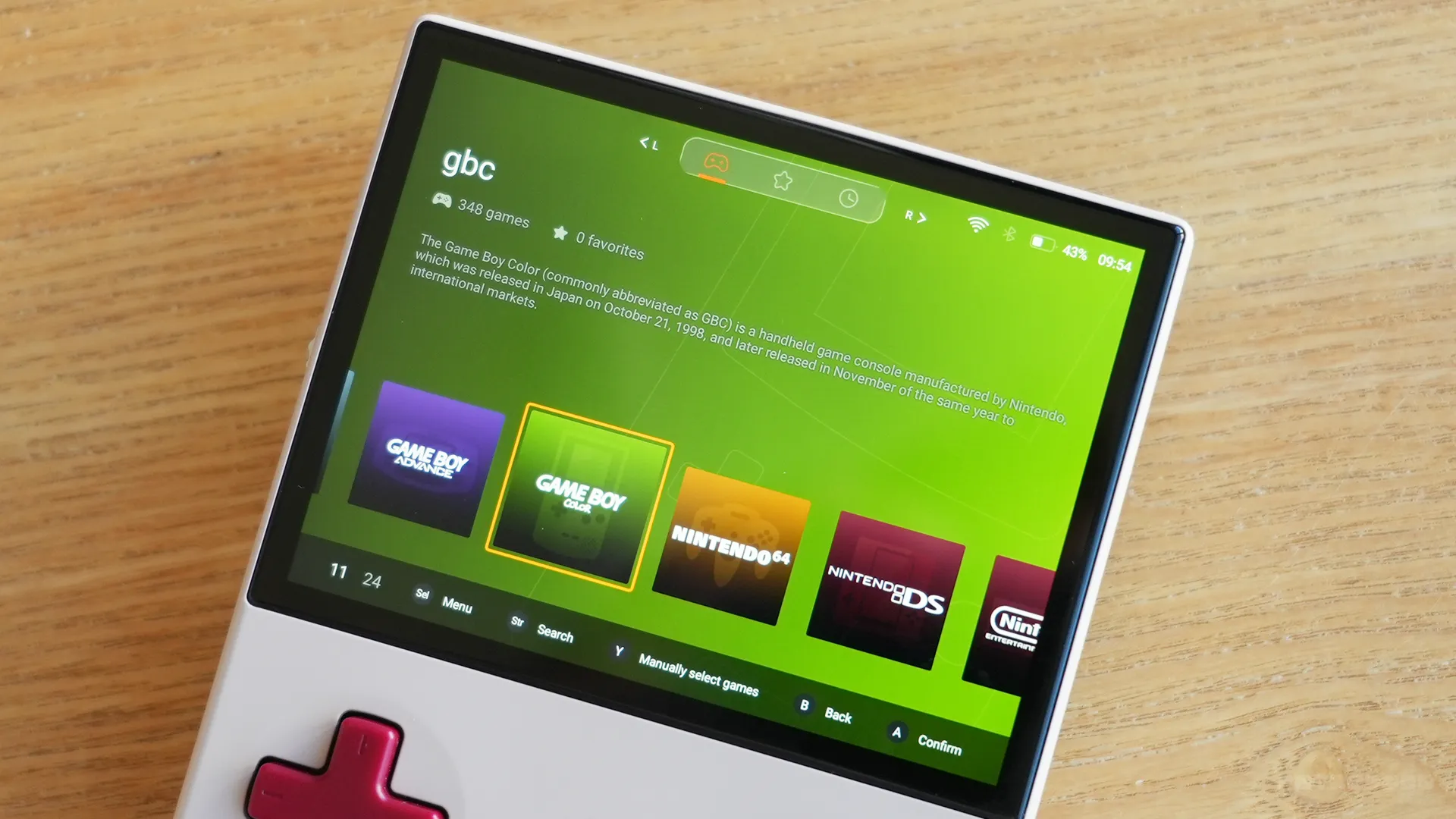
To simplify the experience, Mangmi developed a custom launcher with a clean, grid-based layout inspired by the Nintendo Switch UI. However, the software on the review unit proved unstable:
Library Scraping Failures: The launcher regularly failed to detect complete ROM directories, requiring manual folder syncing and file path adjustments.
RetroArch Launch Loop: A persistent bug caused the launcher to crash three seconds after launching a game through RetroArch, returning the user to the home screen. This issue forced the reviewer to bypass the custom launcher entirely and use third-party alternatives like Socket.
Localization Issues: The English user interface still contains untranslated Chinese text in several settings menus, indicating rushed localization.
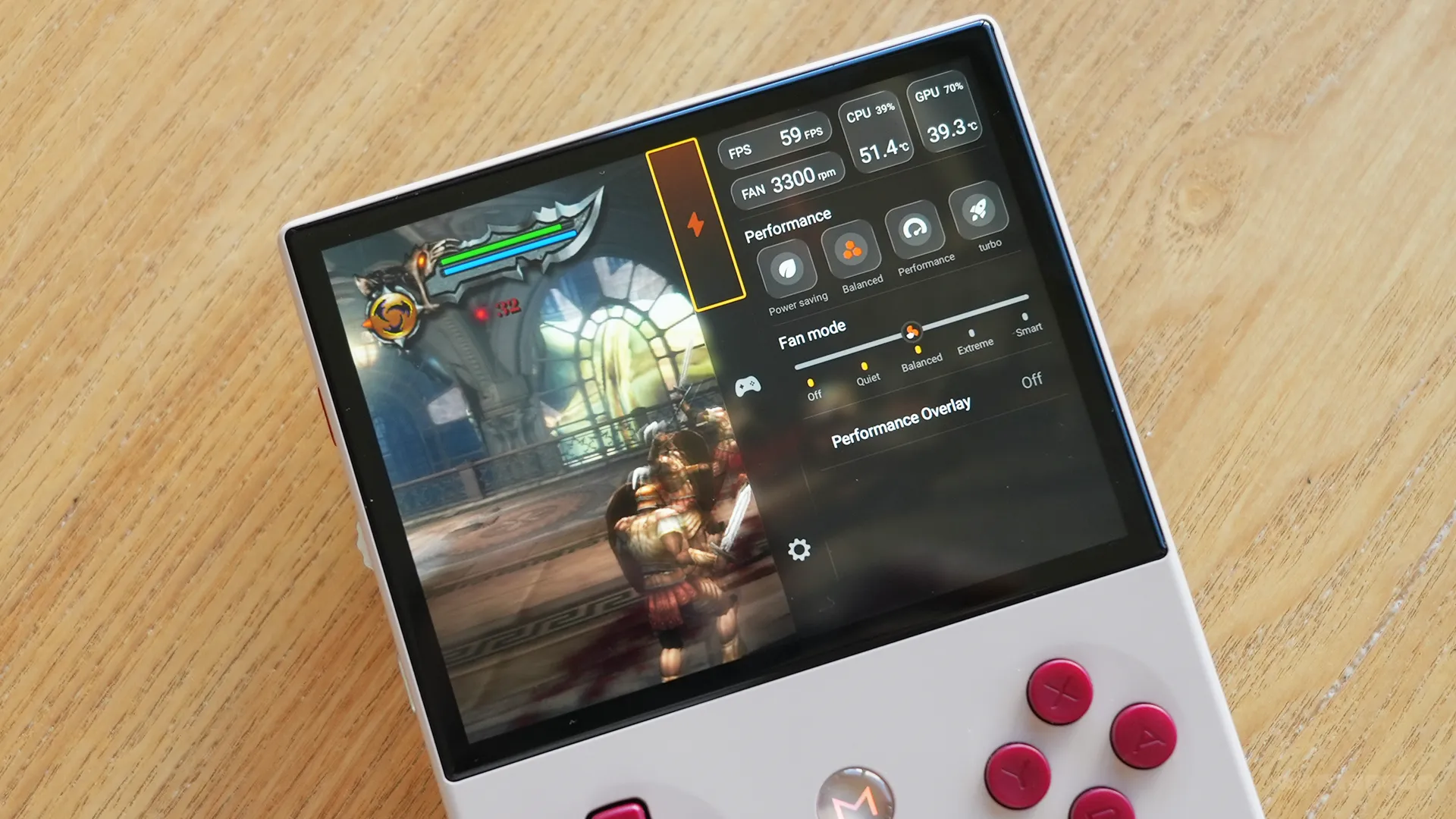
For quick adjustments, the software includes a pull-down sidebar menu. This overlay allows users to monitor real-time performance metrics (FPS, CPU/GPU utilization, fan speeds) and swap between different performance profiles on the fly.
Emulation and System Performance
Despite its hardware and software flaws, the Air Y Pro excels in raw emulation performance. Equipped with a powerful chipset and 8GB of RAM in the tested configuration, it is one of the most capable vertical handhelds available.
Emulation Performance Tier List (Air Y Pro - 8GB):
┌───────────────────────────┬───────────────────────────┐
| System                    | Performance Level         |
├───────────────────────────┼───────────────────────────┤
| PS1 / N64 / Dreamcast     | Perfect (Upscaled 2x-4x)  |
| GameCube                  | Excellent (1.5x-2x)       |
| PlayStation 2             | Very Good (1.0x-1.5x)     |
| Nintendo Wii              | Good (Select Titles)      |
└───────────────────────────┴───────────────────────────┘
During testing, Need for Speed: Most Wanted for the PS2 ran smoothly at 1.5x native resolution. Other demanding systems, including the GameCube and Nintendo Wii, performed well at upscaled resolutions on the 4:3 display. The screen size strikes a good balance: it is large enough to keep text readable in complex retro games, yet compact enough to preserve the vertical form factor.
For modern Android gaming, the device has plenty of power, but games with complex interfaces (such as Diablo Immortal) can feel cramped on the 4.2-inch screen due to tiny UI elements.
Thermal Management and Battery Performance
Powering the Air Y Pro is a 5000 mAh battery, which is standard for modern mid-range handhelds. Battery life varies significantly depending on the system being emulated:
High-Demand Emulation (PS2, GameCube, Wii): Expect approximately 3 hours of continuous play, as the active cooling fan and processor run at higher performance states.
Low-Demand Emulation (NES, Game Boy, Genesis): The device can last over 8 hours under lighter workloads.
The inclusion of 18W fast charging allows players to quickly top off the battery, which helps offset the higher power draw during 3D gaming sessions.
Official Statements and Manufacturer Revisions
Following a detailed review of the pre-release hardware, the findings—specifically regarding the poor performance of the shoulder buttons—were shared directly with Mangmi’s product development team.
Mangmi issued the following official response:
"We have optimized the pressing feel, including the button travel and tactile feedback. Compared with the sample version, the overall experience is now more comfortable. At the same time, pressing L2 and R2 together is now easier, and the consistency of the four shoulder buttons has also been improved."
This statement suggests that retail units shipping after the August 12 launch will feature updated shoulder button mechanisms. If these changes successfully resolve the pivoting issues identified in pre-release testing, it will address one of the device’s biggest hardware flaws.
Future Outlook: Finding the "Magic" in a Saturated Market
Market Positioning Matrix:
Low-Cost ($50-$100)      Mid-Range ($150-$200)      Premium ($200+)
┌─────────────────────┐  ┌──────────────────────┐  ┌─────────────────────┐
|  - Mangmi Air X     |  |  - Mangmi Air Y Pro  |  |  - Pocket Max       |
|  - Anbernic RG35XX  |  |    (High Power /     |  |  - Pocket Nova      |
|                     |  |     Design Flaws)    |  |    (AMOLED Screen)  |
└─────────────────────┘  └──────────────────────┘  └─────────────────────┘
The Mangmi Air Y Pro is a powerful vertical handheld, but it finds itself in a challenging market position.
On one hand, its emulation capabilities are impressive. For players who want a vertical device that can handle upscaled PS2 and GameCube games, the Air Y Pro offers great performance for under $200. If Mangmi follows through on its promised hardware revisions and fixes the bugs in its custom launcher, the Air Y Pro will be a strong competitor in its segment.
On the other hand, the device lacks the distinct design risks that made Mangmi’s earlier products stand out. The Air X succeeded by delivering unprecedented performance at a budget price point, while the Pocket Max innovated with its modular controls. In comparison, the Air Y Pro feels like a safer, more iterative release. With competitors like Retroid introducing premium features like AMOLED screens to 4:3 devices, Mangmi will need to continue taking creative design risks if they want to maintain their status as an industry disruptor.